
Sign up to save your podcasts
Or

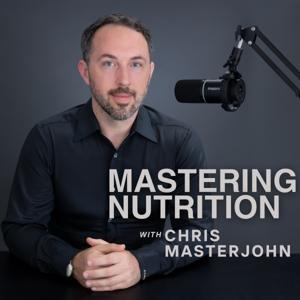

In part 1 we covered what niacin is and why you need it. Here's part 2, where Alex Leaf and I cover blood tests, foods, and supplements!
This episode is brought to you by Ancestral Supplements' "Living" Collagen. Our Native American ancestors believed that eating the organs from a healthy animal would support the health of the corresponding organ of the individual. Ancestral Supplements has a nose-to-tail product line of grass-fed liver, organs, "living" collagen, bone marrow and more... in the convenience of a capsule. For more information or to buy any of their products, go to https://chrismasterjohnphd.com/ancestral
This episode is brought to you by Ample. Ample is a meal-in-a-bottle that takes a total of two minutes to prepare, consume, and clean up. It provides the right balance of nutrients needed for a single meal, all from a blend of natural ingredients. Ample is available in original, vegan, and keto versions, portioned as either 400 or 600 calories per meal. I'm an advisor to Ample, and I use it to save time when I'm working on major projects on a tight schedule. Head to https://amplemeal.com and enter the promo code "CHRIS15" at checkout for a 15% discount off your first order."
In this episode, you will find all of the following and more:
Niacin Part 2 Show Notes
00:38 Cliff Notes
01:35 Recap of Part 1
15:32 Markers of niacin status
17:32 Methylated metabolites of niacin in the urine as a marker of niacin status
19:05 Caveat to using methylated metabolites of niacin in the urine as a marker of niacin status
20:16 Erythrocyte NAD(H)/NADP(H) ratio, the "niacin number," as a marker of niacin status
22:55 Caveat to the niacin number as a marker of niacin status
28:34 Critique on how the RDA for niacin was established
40:12 How protein intake affects the dietary requirement for preformed niacin
42:48 Estrogen regulates the synthesis of niacin from tryptophan.
43:35 In men in particular, niacin synthesis from tryptophan might just be a way to clear excess tryptophan.
45:31 General discussion about protein requirements
49:46 How different forms of food processing, such as nixtamalization, fermentation, and sprouting, increase the bioavailability of niacin
52:51 Niacin in coffee
53:52 Niacin in nutritional yeast
54:16 Dietary sources of niacin, divided into five tiers
59:57 Niacin in herbs and spices, including spirulina
01:03:46 The contribution of the microbiome to niacin status is not well studied.
01:04:56 Where we would expect to see niacin deficiency
1:05:38 Risk factors for niacin deficiency include Hartnup's disease, megaduodenum, intestinal malabsorption, carcinoid tumors, certain drugs, alcoholism, HIV/AIDS, and deficiencies of iron, riboflavin, and B6.
01:09:52 Risk factors for suboptimal niacin status include a diet based on unprocessed whole grains, a diet based on sugar and fat, a diet low in non-collagen protein, any form of cellular damage, and low ATP levels.
01:14:42 How metformin and berberine could affect niacin status
01:17:28 The effect of leucine and muscle growth on niacin status
01:19:54 The prevalence of inadequate niacin intake and niacin deficiency
01:24:00 Contributors to niacin toxicity
01:25:08 The use of nicotinic acid to benefit blood lipids and reduce heart disease risk
01:31:14 Potential side effects of taking nicotinic acid to manage blood lipids include the flushing reaction, liver harm, and increased diabetes risk.
01:34:22 The mechanism behind high-dose nicotinic acid-induced insulin resistance and how you could mitigate it
01:48:01 Rodent studies of nicotinamide riboside supplementation
01:50:58 Human studies of nicotinamide riboside supplementation
01:56:32 Why the rodent studies of nicotinamide riboside supplementation look more promising than the human studies
02:04:16 What is the probability that someone would get longevity benefits from supplementing with nicotinamide riboside?
02:05:15 Whether or not Alex and Chris will start supplementing with niacin after doing the research for this podcast
02:06:17 Should someone with hypercholesterolemia consider taking nicotinic acid? How should they manage the side effects, and which form is best?
02:10:53 Does it matter if niacin is taken with food?
Access the show notes, transcript, and comments here:
https://chrismasterjohnphd.substack.com/p/062-niacin-part-2-blood-tests-foods
Chris Masterjohn, PhD, is the Founder and Scientific Director of the mitochondria test Mitome.
 View all episodes
 By Chris Masterjohn, PhD

4.6
422422 ratings
In part 1 we covered what niacin is and why you need it. Here's part 2, where Alex Leaf and I cover blood tests, foods, and supplements!
This episode is brought to you by Ancestral Supplements' "Living" Collagen. Our Native American ancestors believed that eating the organs from a healthy animal would support the health of the corresponding organ of the individual. Ancestral Supplements has a nose-to-tail product line of grass-fed liver, organs, "living" collagen, bone marrow and more... in the convenience of a capsule. For more information or to buy any of their products, go to https://chrismasterjohnphd.com/ancestral
This episode is brought to you by Ample. Ample is a meal-in-a-bottle that takes a total of two minutes to prepare, consume, and clean up. It provides the right balance of nutrients needed for a single meal, all from a blend of natural ingredients. Ample is available in original, vegan, and keto versions, portioned as either 400 or 600 calories per meal. I'm an advisor to Ample, and I use it to save time when I'm working on major projects on a tight schedule. Head to https://amplemeal.com and enter the promo code "CHRIS15" at checkout for a 15% discount off your first order."
In this episode, you will find all of the following and more:
Niacin Part 2 Show Notes
00:38 Cliff Notes
01:35 Recap of Part 1
15:32 Markers of niacin status
17:32 Methylated metabolites of niacin in the urine as a marker of niacin status
19:05 Caveat to using methylated metabolites of niacin in the urine as a marker of niacin status
20:16 Erythrocyte NAD(H)/NADP(H) ratio, the "niacin number," as a marker of niacin status
22:55 Caveat to the niacin number as a marker of niacin status
28:34 Critique on how the RDA for niacin was established
40:12 How protein intake affects the dietary requirement for preformed niacin
42:48 Estrogen regulates the synthesis of niacin from tryptophan.
43:35 In men in particular, niacin synthesis from tryptophan might just be a way to clear excess tryptophan.
45:31 General discussion about protein requirements
49:46 How different forms of food processing, such as nixtamalization, fermentation, and sprouting, increase the bioavailability of niacin
52:51 Niacin in coffee
53:52 Niacin in nutritional yeast
54:16 Dietary sources of niacin, divided into five tiers
59:57 Niacin in herbs and spices, including spirulina
01:03:46 The contribution of the microbiome to niacin status is not well studied.
01:04:56 Where we would expect to see niacin deficiency
1:05:38 Risk factors for niacin deficiency include Hartnup's disease, megaduodenum, intestinal malabsorption, carcinoid tumors, certain drugs, alcoholism, HIV/AIDS, and deficiencies of iron, riboflavin, and B6.
01:09:52 Risk factors for suboptimal niacin status include a diet based on unprocessed whole grains, a diet based on sugar and fat, a diet low in non-collagen protein, any form of cellular damage, and low ATP levels.
01:14:42 How metformin and berberine could affect niacin status
01:17:28 The effect of leucine and muscle growth on niacin status
01:19:54 The prevalence of inadequate niacin intake and niacin deficiency
01:24:00 Contributors to niacin toxicity
01:25:08 The use of nicotinic acid to benefit blood lipids and reduce heart disease risk
01:31:14 Potential side effects of taking nicotinic acid to manage blood lipids include the flushing reaction, liver harm, and increased diabetes risk.
01:34:22 The mechanism behind high-dose nicotinic acid-induced insulin resistance and how you could mitigate it
01:48:01 Rodent studies of nicotinamide riboside supplementation
01:50:58 Human studies of nicotinamide riboside supplementation
01:56:32 Why the rodent studies of nicotinamide riboside supplementation look more promising than the human studies
02:04:16 What is the probability that someone would get longevity benefits from supplementing with nicotinamide riboside?
02:05:15 Whether or not Alex and Chris will start supplementing with niacin after doing the research for this podcast
02:06:17 Should someone with hypercholesterolemia consider taking nicotinic acid? How should they manage the side effects, and which form is best?
02:10:53 Does it matter if niacin is taken with food?
Access the show notes, transcript, and comments here:
https://chrismasterjohnphd.substack.com/p/062-niacin-part-2-blood-tests-foods
Chris Masterjohn, PhD, is the Founder and Scientific Director of the mitochondria test Mitome.
772 Listeners
7,205 Listeners
5,002 Listeners
1,572 Listeners
708 Listeners
1,698 Listeners
3,503 Listeners
9,215 Listeners

8,521 Listeners
803 Listeners
513 Listeners
292 Listeners

29,185 Listeners
1,200 Listeners
3,155 Listeners