
Sign up to save your podcasts
Or

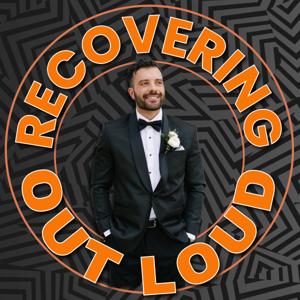


What do you do when someone close to you goes back out? In this solo episode I talk through what it's actually like when someone in your circle relapses — the fear, the grief, the guilt, and the relief nobody admits out loud. I've been on both sides of it: I've watched people I love relapse, and I've been the one people were trying to reach when I went back out after seven and a half years. This is lived experience, peer to peer — what helped me, what didn't, and how to support someone without setting yourself on fire to keep them warm.
If no one has told you yet today: I love you, and recovery is simple, not easy.
⚠️ Need help right now? This episode is in partnership with New Beginnings Recovery Home — an inpatient treatment centre near the Scarborough Bluffs. If you or someone you love is ready to reach out: ➡️
https://newbeginningsrecovery.ca/contact-us.html
📞 1-888-639-6308
Joe got laid off in July, ended up in a trap house by the weekend, and figured he had the summer off. By September he had a DUI, a car that had flipped twice and landed ten feet from a family's bedroom window, a second crash, and a Facebook post about him shared twelve hundred times that he found out about from a friend on the couch beside him.
He was three weeks into rehab before he thought he was an addict. In this one he tells me what actually turned it: not a counselor, not a speech — a guest speaker with the same name and the same story, which killed the idea that he was special. Then a 45-page disclosure, two hours of hard truth, twenty character reference letters, and a judge who said he didn't have enough ties to the community to stay out of jail.
We get into emotional illiteracy and the feelings wheel he couldn't make sense of. The fear inventory where he wrote down "horses." Working in this field without going numb. Why he thinks a certain kind of gossip is actually accountability. Why stagnation scares him more than craving. And the best advice he's ever gotten — stay open to information from anywhere, because you have no idea who's carrying it.
Joe does a lot of quiet work in this community. This one's honest all the way through.
If you're struggling: reach out to someone. That's the whole ask.
Recovering Out Loud is a peer-led recovery podcast. I'm someone in recovery talking to other people in recovery. Nothing here is treatment advice.
New episodes twice a week. Follow the show on Spotify and leave a rating — it's the fastest way to help someone find it. Instagram: @recoveringoutloudpod
I didn't wake up one day and decide to use after seven and a half years. The relapse started weeks — months — before the first drink or drug. I just called it a rough patch and looked away.
This one lives in the space before relapse: the quiet drift most of us miss until it's too late. I walk through 10 warning signs I wish I'd caught in myself, from pulling away from support to romanticizing the past to the slow fading of purpose. Not a checklist to scare you — a mirror.
I'm not here as an expert. I'm here as someone who relapsed, came back, and is grateful to be sober today. If one of these signs is flashing for you right now, you're not failing recovery. You caught it. That's a deposit.
If this helped, follow the show wherever you're listening and leave a rating — it's how the next person finds it.
Need help right now? This episode is brought to you in partnership with New Beginnings Recovery Home, an inpatient treatment centre near the Scarborough Bluffs. If you or someone you love is ready to reach out:
https://newbeginningsrecovery.ca — or call 1-888-639-6308.
Another Borrowed Wisdom episode — I read the highlight clips from a Bob talk that shifted something in me, and reflect on them one at a time.
This one lands hard on the stuff nobody tells you when you first put the drink down: that the real problem starts where the bottle ends. Bob talks about being restless, irritable and discontent as a little kid, long before he ever picked up. The "disease of more" that no amount of drinking, drugs, or even getting jacked at the gym could ever fill. And the scariest place I've ever been in my own recovery — the dry drunk. Sober, but not living.
We get into geographic escapes that don't work, the redwoods that topple when they grow alone, and why community is the thing that replaced the drink for me. It closes where it always seems to: everything you want is on the other side of the action you're avoiding.
Chapters below. This is lived experience and peer perspective — one addict sharing what's kept me sober one more day.
If this helped, follow Recovering Out Loud on whatever platform you're on and leave a rating — it's the thing that helps the next person find it. Recovery is simple. Not easy.
Need help? Visit https://newbeginningsrecovery.ca/
Everyone in recovery preaches gratitude. Almost nobody tells you it can feel completely fake when you're hurting.
In this solo episode I get into what gratitude actually is in recovery — the difference between the performative "#blessed" version and the real thing — why it's so hard early on and after a relapse, and how I practice it without lying to myself. I talk about grateful for the rock bottoms, the boring wins of sobriety, gratitude as an action instead of a feeling, and the traps to avoid (bypassing, comparison, forcing it).
This isn't "be positive and your problems disappear." It's a real look at gratitude as a tool — what it does, why it's hard, and how to actually use it.
What helped me might help you. Recovery is simple, not easy.
🎧 Follow Recovering Out Loud so you don't miss an episode. 📩 DM me on Instagram @recoveringoutloudpod — I answer every message.
Getting sober doesn't automatically make you a good person. Remove the alcohol or the drugs and you're left with the same wiring — the self-centeredness, the main-character syndrome, the 100 forms of self-centered fear that ran the show all along. The problem starts where the bottle ends.
In this solo episode, Anthony talks honestly about the selfishness that outlasts the substance: the sneaky forms it takes in sobriety (recovery self-absorption, keeping score in relationships, using sobriety as a moral trump card, hiding behind "I'm working on myself"), why self-obsession is a real relapse risk, and the oldest fix there is — getting out of self through service.
This is self-honesty, not self-hatred. Noticing your own selfishness is the growth, not proof that you're a bad person.
Shared from lived experience, one addict to another. If this lands with you, the greatest payment I can receive is a follow — it helps the next person struggling find the show.
She had 11 months sober — then relapsed over an argument she'd only ever had in her own head.
Jen returns to the show to walk through what came next: eight months of counting drinks, sneaking drinks, and trying to "manage it" — a stretch she says felt crazier than when she was strung out. From there it's the recovery that finally stuck: getting sober for good, becoming a sober mom (which she says was harder than getting sober the first time), and finding the four things she believes every recovery path has in common.
This is two people in recovery talking honestly — lived experience, peer to peer, no experts and no scripts. We get into alcohol and drug recovery, what actually drives a relapse, emotional sobriety, spirituality without the "Sky Daddy," and why “ 12 step recovery helped me — and it's not the only way."
▶️ New here? This one's a good place to start if you've ever wondered whether you could just cut back instead of quit.
If it lands, follow the show and send it to one person who needs it today.
⏱️ Chapters below.
Generation Women Canada: https://www.generationwomen.ca/
This is Part 2 of Borrowed Wisdom: Earl, "The Path to Freedom." Earl is one of my all-time favourites in recovery. I pulled the quotes that hit hardest and reflected on each one from my own experience — a guy who relapsed after 7.5 years sober and had to find his way back.
What we get into:
- The mask we wear — in addiction, in sobriety, and how the tough guy performance set up my relapse
- Fear as the real engine behind addiction (we're not bad people — we're frightened ones)
- Self-worth that doesn't depend on other people's reception
- Kindness vs. people-pleasing — a real difference most people miss
- Forgiveness as a selfish act, done for yourself
- 5–10 minutes of meditation and what it actually does to your impulse control
- Service as the greatest high in recovery
- The dying man story — and the gratitude reset it delivers every time
Want the full Earl tape? DM me on Instagram: @RecoveringOutLoudPod
Recovery is simple, not easy. I love you.
Some recovery stories are told from one side. This one isn't.
Chloe lived the alcoholism. Andrew loved her through it — and watched both the addiction and the recovery up close. In this episode they sit down together and rebuild the same years from two different chairs: how they fell for each other fast, how the drinking took over, the hospital trips, the relapses, and the night it finally turned.
Along the way they get into the stuff nobody warns you about — the "morning me vs. nighttime me" split that runs through active addiction, what it actually does to the person who loves you, why staying can sometimes prevent the rock bottom someone needs to hit, and the hardest truth either of them learned: when you step away from this disease for three months or thirty years, you come back exactly where you left off.
If you love someone in active addiction, or you've been the one being loved while you were using, this is your conversation.
Chapters 0:00 – "I already know how I'd relapse" 1:37 – Love at first sight 13:43 – Withdrawal & the first 911 call 22:09 – Morning Chloe vs. Nighttime Chloe 33:20 – Walking on eggshells: loving an addict 40:56 – The last day & a psychotic break 44:52 – "Losing things is what gets people better" 47:34 – Where they are today
🎧 Best place to start if you're new here. It's the full arc — using, loving, losing, and coming back — in one sitting.
▶️ Host recommendation: if this one lands, go to the solo episodes on euphoric recall and the emotional sobriety plateau next.
If you're carrying this for someone you love, or for yourself: you're not the only one. Follow the show so the next episode finds you, and if it helped, leave a rating — it's the single biggest thing that gets these stories to the next person who needs them.
Recovering Out Loud is peer-led and built on lived experience, not clinical advice.
Nobody warns you that sobriety can stop feeling like a win.
They warn you about the cravings, the first 30 days, the holidays. Nobody tells you about the Tuesday — a couple of years in — when the chips slow down, the applause stops, and being sober just becomes your life. And somewhere in that quiet, the old voice gets an opening.
I know it because I lived it. I relapsed after seven and a half years sober — not on a bad day, but in the flat part, the stretch where recovery stopped feeling like an achievement and started feeling like nothing at all.
This is a raw, lived-experience episode about the emotional sobriety plateau: why the "win" feeling was always going to fade (hello, hedonic adaptation), how "flat" gets mistranslated into "something's wrong," the difference between being dry and being emotionally sober, and what actually helped me build a life I don't want to escape from.
If you've ever thought is this it? — this one's for you.
🎙 Recovering Out Loud — peer-led recovery media built on lived experience. Real stories. 📲 recoveringoutloud.ca · @recoveringoutloudpod Follow / subscribe so the next one finds you.
This podcast shares one person's lived experience and is not medical or clinical advice.
From the publisher's feed
1,704 Listeners

21,054 Listeners

12,706 Listeners

2,014 Listeners

111,809 Listeners
2,548 Listeners

69,492 Listeners

46,884 Listeners

108 Listeners

10,711 Listeners

19,061 Listeners
618 Listeners

8,803 Listeners

1,804 Listeners