
Sign up to save your podcasts
Or

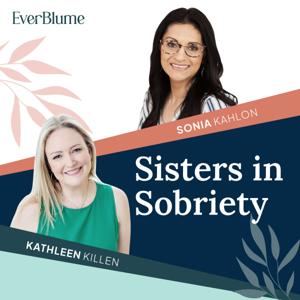


Harvard’s Dr. John Kelly joins Sisters in Sobriety to unpack the science of recovery, language, and what really works long-term.
Addiction recovery isn’t a mystery—it’s a science. Dr.Kelly, Professor of Psychiatry in Addiction Medicine and Founder of the Recovery Research Institute at Massachusetts General Hospital. Together, they explore what the data actually shows about recovery, relapse, language, and long-term healing—and how our understanding of addiction has evolved far beyond stigma and shame.
Throughout this conversation, Sonia and Kathleen unpack big questions about recovery and remission: Is addiction really a chronic disease—or does that label sometimes hurt more than it helps? How does the language we use—terms like “abuser,” “addict,” or even “clean”—impact recovery outcomes? And what does the evidence say about the effectiveness of AA compared to other programs and modern approaches to long-term sobriety?
They talk about key scientific and psychological concepts such as behavioral mechanisms of recovery, language-based stigma reduction, chronic disease framing, psychosocial support networks, and gender differences in relapse and recovery. Dr. Kelly explains why AA remains the most evidence-based recovery tool for alcohol use disorder, how social connection drives sustained remission, and why linking clinical care to community-based supports is critical to long-term success.
In the personal story segment, Sonia shares how fear of stigma once kept her from seeking help while she was still a practicing dentist—and how Dr. Kelly’s research validates those fears and offers a new framework for compassionate understanding. Together, they discuss what’s changing in the recovery landscape—from virtual meetings to redefining “recovery” itself—and how science is helping rewrite the story of what healing can look like.
This is Sisters in Sobriety, the support community that helps women change their relationship with alcohol.
00:00 – Sonia and Kathleen introduce Dr. John Kelly, Harvard Professor and Founder of the Recovery Research Institute.
🔗 Recovery Research Institute
SIS Links
💌 Sisters In Sobriety Substack – where the magic (and the mocktail recipes) happen
📬 Sisters In Sobriety Email
📸 Sisters In Sobriety Instagram
🌐 Kathleen’s Website Kathleen does not endorse any products mentioned in this podcast
📸 Kathleen’s Instagram
Hosted on Acast. See acast.com/privacy for more information.
When it comes to transforming your environment, the energy of a space can be just as powerful as its aesthetics. On this episode of Sisters in Sobriety, we explore how intentional design, Feng Shui, and spiritual alignment can support wellness, recovery, and renewal. Joining Sonia is Alejandra G. Brady—Founder & Visionary of Casa Shui Life, Feng Shui & Biophilic Designer, best-selling author, and energy alchemist. With over two decades in luxury interiors, Alejandra pivoted her career after a profound awakening at age 50, weaving ancient energetic practices into her design work to help clients create sanctuaries that heal, inspire, and uplift.
In their conversation, they dive into what Feng Shui really is (beyond the myths), how our homes can impact health, relationships, and creativity, and the subtle yet powerful shifts that make a space magnetic. Together, they explore questions like: What does it mean to “sleep under knives”? Why is the bedroom the most important room for love and rest? How can unused or cluttered spaces block abundance? And how do color, light, and texture play into energy flow?
Listeners will walk away with practical takeaways on how to shift their own spaces using intentional placement, the Bagua map, biophilic principles, and crystals. You’ll learn why small choices—like moving an heirloom, clearing out old love letters, or balancing elements with plants and lighting—can have ripple effects in your health, wealth, relationships, and emotional clarity.
Beyond the design tools, Alejandra shares deeply personal stories: her health struggles and surgeries leading up to her 50th birthday, the life-changing consultation with her mentor, and how she became her own first “Feng Shui client.” She recounts the dramatic changes in her own home, her spiritual awakening, and the unexpected calling to write her memoir I Just Can’t Make This Sh!t Up. They reflect with her on how space can heal grief, nurture sobriety, and anchor a new chapter of life with intention and beauty.
This is Sisters in Sobriety, the support community that helps women change their relationship with alcohol. Check out our Substack for extra tips, tricks, and resources.
00:00 – Welcoming Alejandra Brady and her journey from luxury interiors to Feng Shui
📸 Alejandra G. Brady Instagram
SIS Links
💌 Sisters In Sobriety Substack – where the magic (and the mocktail recipes) happen
📬 Sisters In Sobriety Email
📸 Sisters In Sobriety Instagram
🌐 Kathleen’s Website Kathleen does not endorse any products mentioned in this podcast
📸 Kathleen’s Instagram
Hosted on Acast. See acast.com/privacy for more information.
In this episode of Sisters in Sobriety, Sonia and Kathleen dive into the power of storytelling, resilience, and rewriting our lives with special guest Marsha Vanwynsberghe. Marsha is the founder of OUTSPOKEN, a leadership platform designed to help female entrepreneurs rise as global thought leaders through coaching, writing, speaking, and publishing. As an NLP Trainer, six-time Best-Selling Author, and Boutique Publisher, she empowers her clients to rewire limiting beliefs and build confidence. Today, Sonia and Kathleen explore how her unique blend of personal story and professional expertise helps women transform pain into purpose.
Together, they unpack what it really means to share your story, the difference between wounds and scars, how emotions live in the body, and why resilience doesn’t mean going it alone. They also talk about the role of subconscious patterns in shaping our behavior, the signals cravings send us, and how practices like NLP and reframing beliefs can shift everything from self-worth to success.
Listeners will come away with practical tools for emotional processing, boundary setting, and storytelling. Key takeaways include understanding how emotions last only 90 seconds unless we attach a story, why humor and reframing are powerful tools to loosen old narratives, and how to interrupt negative thought loops with curiosity and new language. You’ll also learn how NLP helps reprogram the subconscious mind so that the conscious goals you set actually stick.
On a more personal note, Marsha opens up about her journey through family addiction, living with endometriosis, and how early experiences with shame shaped her emotional landscape. She shares how storytelling became her healing tool, what it took to forgive herself, and how she moved from silence to speaking boldly. Sonia and Kathleen also bring their own stories to the conversation, making this a raw, relatable, and uplifting episode you won’t want to miss.
This is Sisters in Sobriety, the support community that helps women change their relationship with alcohol. Check out our Substack for extra tips, tricks, and resources.
00:01:00 – Marsha shares her transition from kinesiology to coaching and NLP
Marsha’s Links
🔗 Marsha’s Website
SIS Links
💌 Sisters In Sobriety Substack – where the magic (and the mocktail recipes) happen
📬 Sisters In Sobriety Email
📸 Sisters In Sobriety Instagram
🌐 Kathleen’s Website Kathleen does not endorse any products mentioned in this podcast
📸 Kathleen’s Instagram
Hosted on Acast. See acast.com/privacy for more information.
Sex after 50 doesn’t have to mean slowing down — it can mean leveling up. On this episode of Sisters in Sobriety, Sonia and Kathleen sit down with Karen Bigman, a Certified Sex Educator and Sex & Dating Coach who hosts Taboo to Truth: Life & Sex After 50. Karen isn’t afraid to talk about what really goes on in the bedroom. With humor and zero shame, she helps women in midlife ditch outdated scripts, embrace their desires, and create hotter, more connected relationships — no matter their age.
They talk about all the things we wish someone had told us sooner: what changes during menopause, how to redefine intimacy, what dating looks like after divorce, and why pleasure and connection don’t come with an expiration date. Sonia asks Karen the tough (and often taboo) questions: How do you rebuild sexual confidence after a breakup? What role do hormones play in libido? How do you navigate kinks, red flags, and sober dating in midlife?
They'll give real-world insights on topics like hormone replacement therapy, the role of testosterone in women’s sexual health, how to reset after a painful sexual experience, and the importance of communication when it comes to intimacy. Karen also shares practical advice on using lube, understanding your body, exploring non-sexual intimacy, and setting healthy expectations in relationships and dating.
This is Sisters in Sobriety, the support community that helps women change their relationship with alcohol. Check out our Substack for extra tips, tricks and resources.
[00:01:00] Karen’s journey from divorce coach to launching Taboo to Truth
YouTube: @taboototruthpodcast
Karen Bigman on LinkedIn
SIS Links
💌 Sisters In Sobriety Substack – where the magic (and the mocktail recipes) happen
📬 Sisters In Sobriety Email
📸 Sisters In Sobriety Instagram
🌐 Kathleen’s Website Kathleen does not endorse any products mentioned in this podcast
📸 Kathleen’s Instagram
Hosted on Acast. See acast.com/privacy for more information.
In this episode of Sisters in Sobriety, Sonia and Kathleen are joined by Jessica Miller, clinical therapist and host of Mind Your Boundaries on YouTube. Jessica is a passionate boundary enthusiast who helps peacekeepers and people-pleasers set and maintain healthy boundaries with challenging family members. Together, they dive into the intersection of boundaries, emotional maturity, and sobriety—exploring how clear limits can protect recovery and build healthier relationships.
Jessica, Sonia, and Kathleen explore questions like: How do you know when a relationship is draining and could threaten your sobriety? What’s the difference between a healthy boundary and punishment? When is guilt helpful, and when is it just old conditioning? They talk about estrangement, reconciliation, and why emotional maturity matters when setting boundaries with parents, partners, and friends.
By the end of this episode, you’ll have practical tools to:
Spot when resentment is building and use boundaries to keep relationships strong
Tell the difference between a request and a true boundary (and why that difference matters)
Recognize emotional immaturity—both in others and in yourself
Reframe guilt so it stops running the show
Use kind but firm language to hold your boundaries without turning it into a fight
Sonia and Kathleen share real-life examples of what it looks like to set boundaries with family during early sobriety, including tough moments around holidays and parenting decisions. Jessica opens up about her own two-year estrangement with her in-laws, how they reconciled, and the peace that comes from replacing resentment with clarity.
This is Sisters in Sobriety, the support community that helps women change their relationship with alcohol. Check out our Substack for extra tips, tricks and resources.
[00:01:00] Why Jessica started Mind Your Boundaries and the gap she saw during the pandemic
🎥 MYB YouTube
SIS Links
💌 Sisters In Sobriety Substack – where the magic (and the mocktail recipes) happen
📬 Sisters In Sobriety Email
📸 Sisters In Sobriety Instagram
🌐 Kathleen’s Website Kathleen does not endorse any products mentioned in this podcast
📸 Kathleen’s Instagram
Hosted on Acast. See acast.com/privacy for more information.
In this episode of Sisters in Sobriety, Sonia and Kathleen sit down with bestselling author, storyteller, and coach Kristen McGuiness. Kristen is the author of 51/50: The Magical Adventures of a Single Life, her memoir about 51 dates in 50 weeks as a sober thirty-something navigating heartbreak, healing, and reinvention in Los Angeles. Today, she’s the CEO of Rise Literary and writes for outlets like The New York Times, Rolling Stone, and Marie Claire.
The conversation explores how Kristen created fun in early sobriety, what it took to spot red flags in dating, and how recovery can reshape your ideas of community, love, and marriage. She reflects on her wild twenties, the moment she decided enough was enough, and the role that therapy and 12-step programs played in helping her get sober for good.
Kristen shares powerful insights about creating a social life without alcohol, redefining intimacy, and staying grounded through parenting, marriage, and running a seven-figure business. She opens up about what sobriety looks like for her today, how she maintains a spiritual practice, and why community remains at the heart of her recovery.
Sonia and Kathleen also share their own dating stories and thoughts on marriage, space, and independence, making this a raw, real, and relatable episode for anyone rethinking what love and partnership look like in sobriety.
This is Sisters in Sobriety, the support community that helps women change their relationship with alcohol. Check out our Substack for extra tips, tricks and resources.
[00:01:00] Kristen introduces herself and shares her messy twenties before getting sober
Kristen's Links
SIS Links
💌 Sisters In Sobriety Substack – where the magic (and the mocktail recipes) happen
📬 Sisters In Sobriety Email
📸 Sisters In Sobriety Instagram
🌐 Kathleen’s Website Kathleen does not endorse any products mentioned in this podcast
📸 Kathleen’s Instagram
Hosted on Acast. See acast.com/privacy for more information.
This episode of Sisters in Sobriety dives into sober sex, desire, and rebuilding intimacy without substances with guest Taylor McConnachie - Registered Psychotherapist, AASECT Certified Sex Therapist, and Certified Sexologist, founder of Embodied Sexual Wellness & Psychotherapy in Simcoe, Ontario. Taylor specializes in holistic sex therapy that blends science, somatics, and the sacred to help people heal shame, navigate desire discrepancies, and cultivate empowered sexuality.
The answer questions that many sober (and sober-curious) listeners ask: What actually changes about desire and arousal in sobriety? How do somatic practices, mindful masturbation, and body scans help you get out of your head and into your body? What if there’s a desire discrepancy in a long-term relationship—or you’re dating for the first time sober and can’t tell whether you’re attracted? And how do we redefine intimacy when performance anxiety, shame, or old narratives show up?
They'll talk about clear, trauma-informed steps to rebuild sexual wellbeing: using body scans to notice sensation without judgment; practicing mindful masturbation to shift from performance to presence; understanding spontaneous vs. responsive desire (and why sobriety often tilts toward responsive); approaching erectile concerns and arousal blocks through reconnection rather than quick fixes; and reframing “frequency goals” to reduce pressure and increase genuine sexual satisfaction. Expect grounded strategies that integrate attachment, somatics, and practical communication skills.
Taylor also shares personal and clinical stories—from her own journey with pelvic pain and endometriosis in a rural community with few resources to real-world examples of couples rediscovering vulnerability as the engine of intimacy. Sonia opens up about her “sober sexual debut,” fumbling, and learning to feel desire without the shortcut of alcohol. They'll unpack the grief for what sex used to feel like and the hope of what it can become with curiosity and compassion.
This is Sisters in Sobriety, the support community that helps women change their relationship with alcohol. Check out our Substack for extra tips, tricks and resources.
00:00:43 — Why sex therapy needs to be its own specialty (and why many therapists aren’t trained to talk about sex)
00:03:10 — Taylor’s path: pelvic pain, endometriosis, and building the practice she needed but couldn’t find
00:05:02 — When a couples therapist refers to a sex therapist (scope, overlap, and teamwork)
00:07:12 — Certification matters: what AASECT tells you about training and safety
00:09:18 — Only ~14 AASECT-certified sex therapists in Canada—why that scarcity matters for care access
00:10:20 — From CBT to somatics: helping clients get out of their heads and into their bodies
00:12:05 — “Science meets the sacred”: honoring evidence while rejecting rigid pathologizing
00:14:52 — Movement as medicine: reconnecting with arousal and erection through embodied practice
00:16:48 — Pleasure after shame: the first time a client truly feels what their body can do
00:18:07 — Sober sex 101: noticing more (and why that can feel overwhelming and beautiful)
00:20:02 — Mindful masturbation as foundational homework for sober intimacy
00:22:31 — Presence over performance: rewiring dopamine loops without substances
00:23:14 — Performance anxiety myths: why sobriety can improve erectile function
00:26:12 — Spontaneous vs. responsive desire—and why sobriety often shifts the balance
00:29:05 — Grieving the old high: processing disappointment when sober sex feels different
00:31:22 — Normalize the fumble: reducing shame to unlock curiosity and desire
00:34:18 — Emotional intimacy as the gateway to sexual intimacy (and how to build it)
00:37:05 — Practicing vulnerability in bite-size reps to increase safety and trust
00:40:02 — Desire discrepancy is common: moving from urgency to understanding
00:45:02 — Taking sex off the pedestal: experiments that reveal what’s really holding a relationship together
00:46:18 — First step if you feel disconnected: body scans, zero judgment, gentle repetition
Taylor's Links
📸 Instagram: @embodiedsexualwellness
🌐 Website: embodiedsexualwellness.com
SIS Links
💌 Sisters In Sobriety Substack – where the magic (and the mocktail recipes) happen
📬 Sisters In Sobriety Email
📸 Sisters In Sobriety Instagram
🌐 Kathleen’s Website Kathleen does not endorse any products mentioned in this podcast
📸 Kathleen’s Instagram
Hosted on Acast. See acast.com/privacy for more information.
In this episode of Sisters in Sobriety, Sonia and Kathleen dig into what it really takes to move from white-knuckling it to building a life rooted in calm, purpose, and—yes—joy. They’re joined by Cheryl Pasieka, author of Climbing the Stairs: My Journey from Addiction to Pure Joy, who shares how rehab, mindfulness, and a fierce commitment to self-care helped her stop hiding behind alcohol and start living on her own terms. Cheryl brings hard-won wisdom and practical tools for women in recovery.
Across the conversation, they explore the fears that surface in early sobriety (What if I fail? What will people think?), how to set boundaries with negative energy, and what it means to choose sustainable joy over short-term relief. They touch on midlife purpose, rebuilding self-esteem, creating accountability, and why sharing your story can become someone else’s survival guide. Expect talk of relapse risk, root causes, nervous-system regulation, and using community, routine, and self-inquiry as anchors.
Listeners will learn about reflective journaling (and the game-changer of rereading old entries), building a sobriety plan you revisit every six months, using mindfulness, yoga, and meditation to regulate stress, and creating accountability check-ins with trusted friends. Cheryl explains how to identify triggers, let go of resentments, and replace people-pleasing with “put your own oxygen mask on first.” You’ll also hear a refreshing definition of joy—a daily practice of noticing, gratitude, and positive reframing—that helps prevent drift into rumination or “I’ll just have one” thinking.
Cheryl opens up about losing her mother, the spiral that followed, and the decision to go to rehab on Vancouver Island—phone surrendered, excuses stripped away.
This is Sisters in Sobriety, the support community that helps women change their relationship with alcohol. Check out our substack for extra tips, tricks and resources.
00:00 – Toronto roots, quick hellos, and Cheryl’s book intro, Climbing the Stairs
02:05 – “I wanted sustainable joy”—why grief and stress made moderation impossible
03:10 – Vancouver Island rehab: no phone, no running, just the work
04:12 – The first two years: fear of failure, meetings, yoga, and perseverance
05:06 – “What if I fail publicly?”—accountability and shame in early sobriety
06:02 – Why “just cut back” advice from some doctors misses the disease entirely
07:20 – Oxygen mask first: releasing people-pleasing and caring less what others think
08:05 – The quote that sparked the memoir and a surprising push from a psychic
09:18 – From private journaling to “maybe this can help one person” publishing mindset
10:45 – Telling family and friends—acceptance, boundaries, and letting some people drift
12:02 – Owning the past: divorces, resentments, and the freedom of self-acceptance
15:04 – Root causes: self-esteem, secrets, and climbing into the hole when alone
16:10 – Defining joy: reframing the day, gratitude, and the Tim Hortons “rain vs spring” story
18:02 – Calm as part of joy: taking things as they come instead of spiraling
19:06 – Protecting energy: stepping back from chronic negativity without guilt
21:02 – The morning stack: journal, meditation, movement, and a girlfriends’ daily check-in
22:40 – Weekly accountability now, occasional counseling as needed—right-sizing support
23:36 – “Planting my own garden”: self-care as not waiting for permission (or flowers)
24:12 – Midlife meaning: six-month reviews, giving back, quilting for folks in need
27:02 – The power of rereading journals: past you showing present you the way through
Cheryl's Links
www.journeytopurejoy.ca
SIS Links
💌 Sisters In Sobriety Substack – where the magic (and the mocktail recipes) happen
📬 Sisters In Sobriety Email
📸 Sisters In Sobriety Instagram
🌐 Kathleen’s Website Kathleen does not endorse any products mentioned in this podcast
📸 Kathleen’s Instagram
Hosted on Acast. See acast.com/privacy for more information.
Sonia and her guest, Dr. Jyothi Rao, are diving into the kind of whole-body wellness that actually sticks. Dr. Rao is the Medical Director of Shakthi Health and Wellness Center in Maryland, blending science and compassion to help people get to the root of what’s going on in their bodies. She has over 25 years of experience helping patients turn their health around—plus she’s the author of Body on Fire and Body on Fire Cookbook.
They’re talking about the big picture: why your energy might still be low even after ditching alcohol, how stress and sleep are secretly running the show, and what small daily shifts can make the biggest difference. Expect an easy-to-follow chat about inflammation, gut health, circadian rhythm, and what’s really going on with midlife hormones.
Dr. Rao breaks down what actually works when it comes to lowering inflammation, balancing blood sugar, and building the kind of energy you can count on. You’ll learn how light exposure affects your sleep, why protein timing matters, and how things like strength training, hydration, and even acupuncture can help your body feel like yours again. This isn’t about overhauling your whole life—it’s about finding simple, doable steps that build on each other.
This is Sisters in Sobriety, the support community that helps women change their relationship with alcohol. Check out our Substack for extra tips, tricks and resources.
Episode Highlights (time-stamped)
00:00 — Why integrative medicine matters in sobriety
02:18 — Dr. Rao’s journey from conventional to functional medicine
05:12 — What “root cause” care actually means
07:45 — The inflammation–fatigue connection after alcohol
10:03 — Balancing blood sugar without overcomplicating meals
12:26 — Mitochondria and how to get your energy back
14:58 — Light, timing, and your circadian rhythm
17:40 — How to set yourself up for better sleep
20:22 — The gut–brain link and how it impacts cravings
23:05 — Staying hydrated without overdoing water
25:41 — Navigating perimenopause symptoms with lifestyle tweaks
28:09 — How stress affects your body (and how to calm it)
30:52 — When acupuncture can help
33:17 — Why strength training is a game changer in midlife
36:01 — Functional lab tests: worth it or not?
38:34 — What “liver detox” really means
41:10 — A real-life patient success story
44:02 — Habit stacking to make changes stick
47:19 — Building your own healthcare dream team
50:11 — Using wellness habits to help prevent relapse
53:28 — Quick recap: small steps, big wins
Dr. Rao Links
https://www.sarahkleinerwellness.com/all-free-resources
https://mycircadianapp.com/
SIS Links
💌 Sisters In Sobriety Substack – where the magic (and the mocktail recipes) happen
📬 Sisters In Sobriety Email
📸 Sisters In Sobriety Instagram
🌐 Kathleen’s Website Kathleen does not endorse any products mentioned in this podcast
📸 Kathleen’s Instagram
Hosted on Acast. See acast.com/privacy for more information.
If you’ve ever swallowed your anger to keep the peace, lost yourself in someone else’s needs, or swapped drinking for late-night snack binges, this episode is for you. On this week’s Sisters in Sobriety, Sonia is joined by Michelle Farris—psychotherapist, codependency expert, and anger management specialist—to talk about the deeper emotional work that comes with recovery. Michelle is known for her relatable approach and tools that help people stop people-pleasing, speak up for themselves, and finally build relationships that feel safe and real.
What happens when we suppress anger in sobriety? How do we even recognize it if we were never taught what healthy anger looks like? Can we be codependent on someone who isn’t codependent on us?
In this episode, Sonia and Michelle unpack what anger can teach us about ourselves, how codependency often hides behind “being nice,” and why food addiction recovery is often the next frontier in sobriety.
Michelle shares practical strategies for identifying emotional triggers, creating healthy boundaries, and noticing the early signs of resentment before it explodes. You'll learn how to reframe your inner dialogue and develop self-talk that actually helps regulate intense emotions.
Michelle also opens up about her own story—getting sober from food addiction at 20, what it was like dating someone in active addiction while working her own program, and the unexpected friendship breakup that made her realize she was still making other people her higher power, and how the desire to be loved can sometimes override our own sense of safety.
This is Sisters in Sobriety, the support community that helps women change their relationship with alcohol. Check out our Substack for extra tips, tricks, and resources.
Episode Highlights (Timestamps)
00:00 – Meet Michelle Farris, psychotherapist and codependency expert
01:45 – Why she started teaching anger management (and how it cracked her open)
03:15 – What healthy anger actually looks like—and why it’s not yelling
04:40 – Stuffing your feelings vs. naming your hurt
06:00 – Why journaling is the safest place to let your rage out
07:30 – “Anger is rocket fuel”—how to recognize the heat before it explodes
08:45 – The connection between negative self-talk and emotional regulation
10:00 – What resentment really is (and why it’s sneaky)
11:20 – How suppressing anger can sabotage recovery
12:30 – Can you be angry and make amends? What recovery programs miss
14:15 – When anger turns inward—it often looks like guilt or shame
15:00 – Using mindfulness to stay present with your emotions
16:40 – Michelle’s story of getting sober through OA at age 20
18:00 – How food was her comfort and first addiction
19:30 – The sugar trap: what often happens in early sobriety
21:00 – Physical hunger vs. emotional hunger—how to tell the difference
22:15 – Why surrender, not control, is the key to food addiction recovery
23:30 – Trigger foods, writing a food history, and the power of structure
25:00 – Is it okay to wait before addressing food issues in recovery?
26:45 – Codependency 101: what it is, how it shows up, and why it’s a cycle
28:00 – Can you be codependent with a friend? (Michelle’s raw story says yes)
29:30 – Boundaries that work: why “I” statements are your best friend
31:00 – The people-pleasing trap: when kindness costs you your peace
32:15 – Flexible or codependent? The litmus test
34:00 – How to stop saying “yes” when your gut says “no”
35:30 – Michelle’s favorite recovery tools for emotional resilience
36:45 – The power of in-person meetings, especially post-COVID
38:00 – One last reminder: you’re allowed to take up space, feel your anger, and still be sober.
Michelle Farris Links
🌐 Website: counselingrecovery.com
📺 YouTube: @MichelleFarrismft
📸 Instagram: @counseling_recovery
SIS Links
💌 Sisters In Sobriety Substack – where the magic (and the mocktail recipes) happen
📬 Sisters In Sobriety Email
📸 Sisters In Sobriety Instagram
🌐 Kathleen’s Website Kathleen does not endorse any products mentioned in this podcast
📸 Kathleen’s Instagram
Hosted on Acast. See acast.com/privacy for more information.
From the publisher's feed
Ranked by our users in the last 21 days
1,710 Listeners
1,408 Listeners

11,777 Listeners

111,874 Listeners

24,716 Listeners

2,540 Listeners
241 Listeners

506 Listeners

46,926 Listeners
717 Listeners

361 Listeners

39 Listeners

2,028 Listeners
1,080 Listeners
621 Listeners