
Sign up to save your podcasts
Or

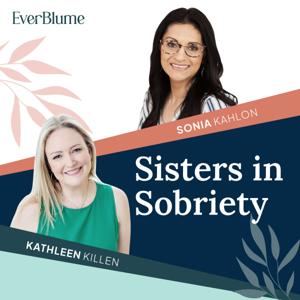


This episode features Randy Hall on Buddhist-inspired recovery, mindfulness, and why healing addiction often starts with self-compassion—not judgment.
Randy Hall, is a Program Coordinator with the Addiction Prevention Coalition in Birmingham, Alabama, a person in long-term recovery, a Certified Peer Support Specialist, a SMART Recovery Facilitator, and the former President of the Recovery Dharma Global community. Randy is deeply committed to building peer support spaces and advocating for multiple pathways to recovery that meet people where they are.
Throughout the conversation, Sonia, Kathleen, and Randy explore what happens when someone wants recovery but doesn’t quite fit into a single prescribed model. They dig into questions around craving, identity, trauma, relapse, self-judgment, and why curiosity can be a powerful starting point for change. The episode touches on mindfulness, Buddhist-inspired recovery, peer-led support, and evidence-based tools — all through the lens of real life rather than theory.
Randy breaks down Buddhist principles in an accessible, grounded way, explaining how ideas like impermanence, compassion, and mindful awareness can be used day-to-day in recovery. He shares how practices like meditation, naming emotions, and interrupting judgment helped him learn to sit with discomfort instead of escaping it. Listeners will also hear how SMART Recovery’s rational, skills-based approach complemented these practices — showing how recovery doesn’t have to be either/or, but can be built from multiple supports working together.
At the heart of the episode is Randy’s story — one marked by achievement, addiction, and a dramatic turning point. He shares how years of high-functioning substance use eventually led to a life-altering diagnosis of Guillain-Barré Syndrome that left him temporarily paralyzed. What followed wasn’t a neat or linear recovery, but a painful, human process that included relapse, fear, and ultimately a deep internal shift. Randy reflects on how real change didn’t come from punishment or fear, but from learning self-compassion, finding community, and allowing himself to be honest about his suffering. His story underscores how transformation often comes not from avoiding pain, but from finally meeting it with care and support.
Episode Highlights
00:01 — Randy shares how alcohol first felt like social “magic” — and how quickly it turned into something darker
00:03 — What high-functioning addiction really looks like behind the scenes
00:05 — Using substances to cope with professional pressure and internal conflict
00:06 — The shocking moment Randy’s body shut down during a kids’ soccer game
00:08 — Being paralyzed, hospitalized, and forced to confront mortality
00:10 — Why detox and physical recovery weren’t enough
00:12 — Returning home and relapsing despite everything he’d been through
00:15 — The quiet role of shame and self-loathing in addiction
00:17 — Hitting a point where change was no longer optional
00:18 — Feeling disconnected from recovery spaces that didn’t resonate
00:19 — Discovering Recovery Dharma and Buddhist-inspired recovery
00:21 — How mindfulness and rational tools can work together
00:23 — The Four Noble Truths explained in plain language
00:26 — Understanding craving as part of the human condition
00:28 — How mindfulness helps interrupt urges in real time
00:34 — The difference between awareness and judgment
00:38 — “Having tea with your demons” and learning to work with urges
00:44 — Riding urges like waves instead of fighting them
00:48 — Why community matters more than willpower
00:51 — Practical advice for anyone who feels stuck right now
Randy's Links https://recoverydharma.org/
SIS Links
💌 Sisters In Sobriety Substack – where the magic (and the mocktail recipes) happen
📬 Sisters In Sobriety Email
📸 Sisters In Sobriety Instagram
🌐 Kathleen’s Website Kathleen does not endorse any products mentioned in this podcast
📸 Kathleen’s Instagram
Hosted on Acast. See acast.com/privacy for more information.
In this episode of Sisters in Sobriety, Sonia and Kathleen dive into the science of cravings, anxiety, and habit change—and explore what really keeps us stuck. They’re joined by Judson Brewer, MD, PhD (“Dr. Jud”), New York Times best-selling author, neuroscientist, addiction psychiatrist, and one of the world’s leading experts on mindfulness-based behavior change. As the Director of Research and Innovation at Brown University’s Mindfulness Center, Dr. Jud has spent decades decoding how habits form in the brain and developing accessible tools that help people unwind anxiety, disrupt addictive loops, and build healthier patterns.
Today, Sonia and Kathleen help listeners understand the mechanics of their own minds while Dr. Jud offers lived insight, science-backed strategies, and surprising clarity about why we repeat behaviors that don’t serve us—and how to finally change them.
In the conversation, they unpack some of the biggest questions surrounding anxiety, cravings, and self-sabotage: Why does worry function like a habit? Why do some behaviors feel good in the moment but terrible later? How does the brain’s reward system trick us into repeating patterns we’ve outgrown? And what role does curiosity play in breaking addiction cycles—from alcohol to overeating to doom-scrolling? You'll hear how habit loops get encoded, why “willpower” is not the tool we've been taught to rely on, and how mindfulness becomes a practical—not mystical—interruption strategy.
Dr. Jud also breaks down essential educational concepts, including reinforcement learning, negative and positive reward loops, the illusion of control in anxiety, the mechanics of disenchantment, and his three-step framework for unwinding addictive patterns. He explains how curiosity and kindness work neurologically to override craving cycles, why awareness alone can interrupt an unconscious behavior, and how updating the brain’s reward database makes change not only possible but inevitable. Along the way, listeners gain language, tools, and frameworks they can start applying immediately to their own sobriety and emotional regulation.
Dr. Jud does a real-life demonstration of his method as Kathleen explores her own habit loop around stress- and boredom-eating. The conversation gets personal, relatable, and surprisingly funny as the trio walks through how discomfort, dopamine, self-soothing, and long-term values collide inside the brain. The episode closes with a reflective discussion on AI, mental health, and the future of behavior-change technology, highlighting what excites—and concerns—Dr. Jud in this rapidly shifting landscape.
This is Sisters in Sobriety, the support community that helps women change their relationship with alcohol. Check out our Substack for extra tips, tricks, and resources.
Episode Highlights
[00:01:00] Sonia and Kathleen introduce Dr. Jud and his work on anxiety, addiction, and the brain.
[00:02:00] Dr. Jud shares how his own anxiety and panic attacks led him into neuroscience and meditation.
[00:03:30] The early research connecting anxiety, addiction, and habit loops.
[00:05:00] How a breakup and “Full Catastrophe Living” started his lifelong meditation practice.
[00:07:00] Childhood curiosity, chemistry, and why humans get stuck in repetitive patterns.
[00:08:30] How shame and self-blame reinforce habit loops.
[00:09:00] Plain-language explanation of reinforcement learning and the habit loop.
[00:11:30] Anxiety as a learned behavior: the illusion of control through worry.
[00:12:30] Clinical trial results showing mindfulness reduces anxiety by 67 percent.
[00:14:00] Awareness vs. identification: shifting from “I am anxious” to “I’m noticing anxiety.”
[00:15:00] Why we return to habits that hurt us, even when we know better.
[00:17:00] Disenchantment and updating the brain’s reward system.
[00:19:30] Why willpower fails: the neuroscience behind “stop it” not working.
[00:20:00] Smoking cessation examples—patients realizing cigarettes taste terrible.
[00:22:00] How paying attention changes overeating behaviors within 10–15 repetitions.
[00:24:00] A patient’s breakthrough using morning reflection to break alcohol dependency.
[00:26:00] How the same loop applies across addictions: food, alcohol, sex, gambling, digital habits.
[00:28:00] Introducing the “pleasure plateau” and learning when a reward stops rewarding.
[00:31:00] How curiosity interrupts craving cycles and builds distress tolerance.
[00:33:30] Dr. Jud’s three-step method for behavior change.
[00:37:00] What to say when someone insists “mindfulness doesn’t work for me.”
[00:38:00] Live demo: Kathleen and Dr. Jud map her stress-eating habit loop.
[00:44:00] The intersection of AI, reinforcement learning, and mental health.
[00:47:00] Expanding access with AI-supported learning assistants in Going Beyond Anxiety.
[00:49:00] The risks of relying on AI for companionship and therapy advice.
[00:52:00] Where listeners struggling with addiction can start with Mindshift Recovery.
Dr. Jud Links www.goingbeyondanxiety.comwww.drjud.comJudbrewer.substack.comSIS Links
💌 Sisters In Sobriety Substack – where the magic (and the mocktail recipes) happen
📬 Sisters In Sobriety Email
📸 Sisters In Sobriety Instagram
🌐 Kathleen’s Website Kathleen does not endorse any products mentioned in this podcast
📸 Kathleen’s Instagram
Hosted on Acast. See acast.com/privacy for more information.
In this episode of Sisters in Sobriety, Sonia and Kathleen explore one of the most universal yet misunderstood parts of human life: grief. They’re joined by Melanie Wilson—grief advocate, creative ritual designer, event curator, and founder of Life and Soul—who brings a deeply grounded and accessible perspective on navigating loss, building community, and supporting others with compassion.
Sonia and Kathleen chat with Melanie about topics that sit at the core of grief work: Why is it so hard to talk about death? How do we show up for grieving friends without saying the wrong thing? What does real, ongoing support look like beyond the first week of casseroles? Why do people feel so alone when loss is universal? And what does it mean to create rituals—personal or communal—that help us stay connected to the people we’ve lost? These themes draw directly from Melanie’s work supporting grievers through community, storytelling, creativity, and continued bonds.
You'll understand key concepts such as grief as a continuing relationship, collective grieving, grief allyship, the limits of numbing through alcohol, and why authentic presence is more powerful than perfect words. Melanie offers practical takeaways about holding space, asking better questions, supporting ritual-building, understanding grief “waves,” and replacing isolating narratives with compassionate ones. She also shares insights about how grief affects cognition, emotions, and relationships—grounded in her professional grief-ally framework and her work as a celebrant and community organizer.
This episode also dives deep into Melanie’s personal story: the three consecutive years of profound loss that shaped her calling; the awkward moments of being “the death of the party”; creating New York grief mixers and art-centered memorial experiences; her five-year commemoration project for her father; and why people cry at her events even when they “didn’t expect to.” Sonia and Kathleen also reflect candidly on their own grief missteps, the complexities of supporting partners who are grieving, and the vulnerability of learning how to be a better ally over time.
This is Sisters in Sobriety, the support community that helps women change their relationship with alcohol. Check out our Substack for extra tips, tricks, and resources.
00:01 — Sonia and Kathleen introduce Melanie Wilson and her work at the intersection of grief, art, and community.
SIS Links
💌 Sisters In Sobriety Substack – where the magic (and the mocktail recipes) happen
📬 Sisters In Sobriety Email
📸 Sisters In Sobriety Instagram
🌐 Kathleen’s Website Kathleen does not endorse any products mentioned in this podcast
📸 Kathleen’s Instagram
Hosted on Acast. See acast.com/privacy for more information.
In today’s episode of Sisters in Sobriety, we explore recovery and identity with Arlina Allen, who uses neuroscience principles to help people heal, regulate stress and rewrite their patterns. What happens when alcohol is no longer our coping strategy — and how do we rebuild our nervous system, our patterns, and our sense of self?
With over 30 years of sobriety, Arlina has become a trusted voice in recovery, neuroscience, self-leadership, and sustainable change. She’s also the bestselling author of The 12-Step Guide for Skeptics and host of The One Day at a Time Recovery Podcast, ranked in the top 1% of all self-help shows.
This episode explores questions many women face in recovery: What if 12-step programs didn’t feel like your path—can they still work for you? How does identity, trauma, or high-functioning behavior shape addiction? Can we pursue ambition and protect our emotional health? Sonia and Arlina unpack how language—sober curious, gray area drinking, substance use disorder—can both define us and limit us, and how neuroscience can help explain cravings, coping strategies, and our repeated patterns.
You'll hear practical strategies grounded in neuroscience, mindfulness, emotional resilience, and stress regulation—core principles in Arlina’s coaching programs and workshops. She breaks down how the default mode network shapes identity, the difference between spirituality and religion in recovery, and how self-regulation tools, time audits, somatic practices, and boundaries help reduce burnout without losing ambition. Recovery isn’t about adding more to your life—it’s often about subtracting what drains you.
Arlina also opens up about drinking at age 10, surviving trauma, navigating intimacy, marriage, envy, perfectionism, and burnout—and how the emotional work of sobriety continues even after 31 years.
This is Sisters in Sobriety, the support community that helps women change their relationship with alcohol. Check out our Substack for extra tips, tricks and resources.
[00:02:10] Drinking at age 10 — “relief before I understood pain”
Connect With Arlina
🌐 www.soberlifeschool.com
SIS Links
💌 Sisters In Sobriety Substack – where the magic (and the mocktail recipes) happen
📬 Sisters In Sobriety Email
📸 Sisters In Sobriety Instagram
🌐 Kathleen’s Website Kathleen does not endorse any products mentioned in this podcast
📸 Kathleen’s Instagram
Hosted on Acast. See acast.com/privacy for more information.
This episode dives into the hidden patterns that drive our behavior—the subconscious loops that keep us repeating choices we don’t even realize we’re making. Helping unpack it all is Bizzie Gold, tech founder, behavior futurist, and inventor of Brain Pattern Mapping, a groundbreaking system that predicts behavior and thought patterns with 98.3% accuracy. Through Break Method and her bestselling book Your Brain Is a Filthy Liar, Bizzie is redefining healing beyond coping—guiding people toward real personal agency.
The discussion explores powerful questions: How do early experiences shape how we see the world? Why do we repeat cycles even when we know they’re hurting us? Is self-awareness enough—or is something deeper running the show? Bizzie breaks down perception, decision-making, emotional responses, trauma, addiction cycles, anxiety, and childhood conditioning. Sonia invites listeners to consider how distorted narratives, triggers, and brain patterns influence choices, relationships, substance use, and behavior—and how those patterns can actually be interrupted.
You'll learn about subconscious programming, self-deception, childhood patterning, addictive cycles, and how the neurocognitive funnel predicts emotional and behavioral responses. Bizzie shares actionable insights on language architecture, pattern recognition, emotional regulation, brain mapping, and how neuroscience and data can create sustainable rewiring—not temporary fixes or codependent therapy patterns. It’s an eye-opening look at how behavior truly works—and how to start shifting out of survival mode.
Later in the episode, Bizzie opens up about her own story—growing up as the young mediator in a chaotic home, living with panic attacks for a decade, and the spiritual moment at age 19 that changed her trajectory completely. Her journey moves from anxiety to agency, from curiosity to innovation—and from a napkin sketch to a powerful global behavior technology.
This is Sisters in Sobriety, the support community that helps women change their relationship with alcohol. Check out our Substack for extra tips, tricks and resources.
[00:01:00] Introducing Break Method and how it began
SIS Links
💌 Sisters In Sobriety Substack – where the magic (and the mocktail recipes) happen
📬 Sisters In Sobriety Email
📸 Sisters In Sobriety Instagram
🌐 Kathleen’s Website Kathleen does not endorse any products mentioned in this podcast
📸 Kathleen’s Instagram
Hosted on Acast. See acast.com/privacy for more information.
Anxiety, emotional regulation, intrusive thoughts, sobriety, and nervous system regulation—this Sisters in Sobriety episode gives you tools to cope and heal. This week, Sonia and Kathleen guide listeners through a grounded, compassionate conversation designed to help them understand anxiety, regulate intense emotions, and shift long-standing mental loops. Their guest is Emma McAdam, licensed marriage and family therapist and creator of the hugely popular YouTube channel Therapy in a Nutshell. Together, they unpack how anxiety works—and offer practical steps toward emotional resilience.
Throughout the episode, they explore what fuels the anxiety cycle, why avoidance strengthens fear, and what it means to approach discomfort instead of escape it. You'll hear discussions on alcohol as a coping mechanism, early sobriety triggers, hypervigilance, intrusive thoughts, parenting anxious kids, and learning to make choices based on values instead of fear. These conversations tease out big themes around behavior change, emotional processing, and building self-trust.
You'll walk away with a deep understanding of the anxiety cycle, avoidance behaviors, somatic grounding, diffusion techniques, exposure hierarchies, polyvagal-based calming strategies, intrusive thought interruptions, and morning light therapy. Emma explains why the brain is built for survival—not happiness—and how simple, consistent regulation practices retrain the nervous system.
The episode also has personal storytelling—from Emma’s wilderness therapy beginnings and viral video journey to parenting anxious children and learning to separate identity from emotion. Sonia shares what it felt like to confront raw feelings after quitting alcohol, while Kathleen reflects on helping her daughter build emotional resilience. Together, they show how healing happens in real life: messy, imperfect, and full of slow, meaningful growth.
This is Sisters in Sobriety, the support community that helps women change their relationship with alcohol. Check out our Substack for extra tips, tricks, and resources.
SIS Links
💌 Sisters In Sobriety Substack – where the magic (and the mocktail recipes) happen
📬 Sisters In Sobriety Email
📸 Sisters In Sobriety Instagram
🌐 Kathleen’s Website Kathleen does not endorse any products mentioned in this podcast
📸 Kathleen’s Instagram
Hosted on Acast. See acast.com/privacy for more information.
Sobriety, midlife purpose, and finding your spark again. Sonia sits down with activist and author Shannon Watts. Shannon is the founder of Moms Demand Action, the nation’s largest grassroots group fighting gun violence. She led the organization to pass over 500 gun-safety laws and mobilize millions of supporters. She’s been named one of TIME’s 100 Most Influential People, a Forbes 50 Over 50 Changemaker, and a Glamour Woman of the Year. In 2025 she published her book Fired Up: How to Turn Your Spark into a Flame and Come Alive at Any Age.
Together, they talk about what it really looks like to rebuild your life when the old one stops fitting. Shannon shares the story of her own “wake-up moment,” and Sonia brings her lived experience of starting over, making hard pivots, and learning to own her sobriety without apology. This episode is all about finding your spark again, even if you haven’t felt it in years.
Sonia and Shannon dive into the big questions so many women wrestle with in midlife: How do you know when you’re meant for something more? What if you’ve spent decades doing what you were supposed to do instead of what you actually want? How do you handle people’s opinions when you finally step into your power? And what happens when drinking, dating, parenting, obligations, burnout, and old roles start to clash with the woman you’re becoming?
Listeners will walk away with practical guidance and clarity around what lights them up. Shannon shares her simple framework for figuring out your next chapter, how to deal with criticism without shrinking, and why rest, boundaries, community, and honesty matter more than perfection. This episode also looks at signs you might be ready for a change, the myths about “purpose,” the pressure women carry in midlife, and the surprising freedom that comes with not caring what everyone else thinks.
Sonia opens up about dating in sobriety, making herself small for years, and the moment she realized she didn’t need to apologize for the life she’s building. Shannon shares the realities of starting a national movement while raising five kids, navigating co-parenting, dealing with internet trolls, and knowing when it was finally time to step back. It’s heartfelt, real, and filled with the kind of “me too” moments that make women feel less alone.
Episode Highlights
01:00 Shannon shares the moment she realized her life wasn’t aligned anymore
SIS Links
💌 Sisters In Sobriety Substack – where the magic (and the mocktail recipes) happen
📬 Sisters In Sobriety Email
📸 Sisters In Sobriety Instagram
🌐 Kathleen’s Website Kathleen does not endorse any products mentioned in this podcast
📸 Kathleen’s Instagram
Hosted on Acast. See acast.com/privacy for more information.
Infidelity, emotional sobriety, and recovery collide in this raw and honest continuation of the Sisters in Sobriety infidelity chat. In today’s episode, Sonia and Kathleen explore what happens when betrayal shows up in a relationship — and how to navigate it without abandoning yourself or your sobriety. They dig into the emotional rollercoaster, the shame that can surface on both sides, and the surprising ways infidelity can mimic relapse patterns even without alcohol involved.
We'll unpack: what does emotional sobriety look like when your heart just got shattered? Can cheating happen as a form of emotional escape? How do you stay grounded when your nervous system is on fire and every coping mechanism is calling your name? And why does early recovery sometimes make people more vulnerable to risky behavior and emotional impulsivity?
You'll hear strategies for repairing trust, protecting your recovery, and reconnecting with your values — even when life feels like it’s exploded.
Sonia also opens up about her own experience with infidelity in her marriage, the fight to stay sober through heartbreak, and the fierce determination to not let someone else's choices take away the life she worked so hard to build. Together, she and Kathleen explore what healing can look like — and what they wish they knew back then about boundaries, self-trust, and choosing yourself in the aftermath.
This is Sisters in Sobriety, the support community that helps women change their relationship with alcohol. Check out our Substack for extra tips, tricks and resources.
00:00 – The story starts with cruise-chaos and questionable onboard sushi
SIS Links
💌 Sisters In Sobriety Substack – where the magic (and the mocktail recipes) happen
📬 Sisters In Sobriety Email
📸 Sisters In Sobriety Instagram
🌐 Kathleen’s Website Kathleen does not endorse any products mentioned in this podcast
📸 Kathleen’s Instagram
Hosted on Acast. See acast.com/privacy for more information.
Infidelity can be one of the most painful experiences in any relationship—and for many, it can also become a turning point. In this episode of Sisters in Sobriety, hosts Sonia and Kathleen unpack what it really means to stay emotionally sober through betrayal, heartbreak, and healing. Drawing on their own lived experiences and Kathleen’s clinical expertise, they’ll help you understand not only why infidelity happens, but how to navigate the emotional fallout with clarity, self-compassion, and growth.
Together, they explore questions many of us have struggled with in silence: What counts as cheating? Is emotional infidelity just as damaging as physical betrayal? Can a relationship ever truly recover from deceit? And how do alcohol, secrecy, and unmet needs complicate our choices—and our healing? From defining betrayal to understanding why it feels so personal, this conversation offers both insight and empathy for anyone who’s been on either side of infidelity.
Listeners will learn how infidelity impacts emotional sobriety, the difference between emotional and physical affairs, and how alcohol can blur—but never justify—boundaries. Kathleen breaks down the psychology of betrayal, explaining the roles of trust, attachment, and validation, while Sonia opens up about her own experience of infidelity and what it taught her about resilience, self-worth, and the power of sitting with discomfort. You’ll walk away with practical insights about rebuilding trust, recognizing red flags, and understanding when it’s time to rebuild—or let go.
Finally, Sonia shares a deeply personal story about the aftermath of her own betrayal—the shock, the anger, and the white-knuckled early days of staying sober through grief—while Kathleen reflects on what it takes to heal, whether together or apart. Their raw honesty and humor make space for reflection, laughter, and growth, even in the messy middle of heartbreak.
This is Sisters in Sobriety, the support community that helps women change their relationship with alcohol. Check out our Substack for extra tips, tricks, and resources.
Episode Highlights
00:00 – Sonia and Kathleen kick off with humor and a “dating disaster” red flag story
SIS Links
💌 Sisters In Sobriety Substack – where the magic (and the mocktail recipes) happen
📬 Sisters In Sobriety Email
📸 Sisters In Sobriety Instagram
🌐 Kathleen’s Website Kathleen does not endorse any products mentioned in this podcast
📸 Kathleen’s Instagram
Hosted on Acast. See acast.com/privacy for more information.
Bicultural identity, authenticity, boundaries, and belonging — this week on Sisters in Sobriety, Sonia sits down with award-winning therapist, author, and Washington Post columnist Sahaj Kaur Kohli, founder of Brown Girl Therapy (@browngirltherapy). Sahaj is the author of But What Will People Say: Navigating Mental Health, Identity, Love, and Family Between Cultures and host of So We’ve Been Told. Together, Sonia and Sahaj explore how culture shapes our emotional lives and what it really means to honor your identity while protecting your mental health.
This conversation unpacks what happens when cultural expectations collide with personal truth. Sonia and Sahaj discuss why “just be yourself” can be harmful advice for children of immigrants, how boundaries sound different across cultures, and why guilt and shame can linger even in healing. They dive into the nuances of bicultural identity, family dynamics, and how recovery and self-discovery intersect when you grow up between worlds.
You’ll gain a deeper understanding of bicultural identity, intergenerational trauma, authenticity, and decolonizing mental health. Sahaj explains how Western therapy often misses cultural context and why redefining concepts like boundaries, self-care, and recovery through a collectivist lens can change everything. She shares practical frameworks for discernment, emotional safety, and reclaiming ancestral wisdom in modern mental-health practices.
Sonia also shares her personal story of navigating no contact, cultural shame, and the grief that comes with estrangement. Together, she and Sahaj reflect on how to hold compassion for parents shaped by survival, while creating space for your own healing. It’s a candid and heartfelt conversation about identity, duty, and the freedom to choose what wholeness means to you.
This is Sisters in Sobriety — the support community that helps women change their relationship with alcohol. Check out our Substack for extra tips, tricks, and resources.
[00:00:00] Introduction to Sahaj Kaur Kohli and her work bridging mental health and culture
SIS Links
💌 Sisters In Sobriety Substack – where the magic (and the mocktail recipes) happen
📬 Sisters In Sobriety Email
📸 Sisters In Sobriety Instagram
🌐 Kathleen’s Website Kathleen does not endorse any products mentioned in this podcast
📸 Kathleen’s Instagram
Hosted on Acast. See acast.com/privacy for more information.
From the publisher's feed
Ranked by our users in the last 21 days
1,710 Listeners
1,408 Listeners

11,777 Listeners

111,874 Listeners

24,716 Listeners

2,540 Listeners
241 Listeners

506 Listeners

46,926 Listeners
717 Listeners

361 Listeners
39 Listeners

2,028 Listeners

1,080 Listeners
621 Listeners