
Sign up to save your podcasts
Or



Based on Podcast App listening data
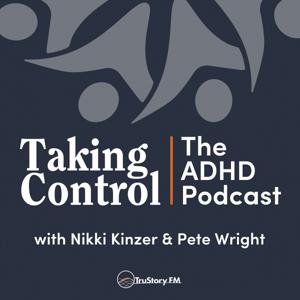
In this episode of The ADHD Podcast, hosts Pete Wright and Nikki Kinzer welcome a special guest - Dr. Russell Ramsay, co-founder and former co-director of the University of Pennsylvania's Adult ADHD Treatment and Research Program.
Dr. Ramsay shares his insights into the complex interactions between ADHD and anxiety, two disorders that frequently coexist. He discusses how ADHD can be an "anxiety generator," with its intrinsic characteristics fueling feelings of uncertainty and perceived risk.
From a cognitive-behavioral therapy (CBT) perspective, Dr. Ramsay explores how thoughts, feelings, and behaviors intertwine in ADHD and anxiety. He highlights the importance of pausing, reflecting, and developing self-awareness to navigate these challenges.
Dr. Ramsay also addresses the concept of "procrastivity" - escaping high-priority tasks by doing other productive things. He offers strategies for breaking this cycle and turning intentions into actions.
With his extensive experience and new book, "The Adult ADHD and Anxiety Workbook," Dr. Ramsay provides valuable insights for those dealing with the challenging combination of ADHD and anxiety.
Links & Notes
Hey there, ADHD-ers! In the latest installment of The ADHD Podcast, Pete and Nikki are tackling the world of workflows. You know, those magical sequences of steps that take you from start to finish on any given task or project. And let's be real, who couldn't use a little more structure in their life?
The dynamic duo is all about ditching the stuffy term "routine" in favor of the more flexible "workflow." Because let's face it, rigidity and ADHD don't exactly go hand in hand. Pete even shares his own tried-and-true workflow for podcasting, complete with a handy-dandy checklist that keeps him on track and error-free.
But workflows aren't just for work, my friends. Nikki's quick to point out that they can be a game-changer for tackling everyday tasks like managing your email inbox. The key is to identify those areas of your life where a little extra organization could go a long way.
Now, if the thought of creating a workflow has you breaking out in hives, fear not! Pete and Nikki have got you covered with tips on everything from flowcharts to mind maps. And the best part? Perfection is totally overrated. Just start simple and let iteration be your guide.
So, whether you're looking to up your productivity game at work or just trying to keep your head above water in your personal life, this episode of The ADHD Podcast is not to be missed. Tune in and learn how to create workflows that work for you and your unique ADHD brain. Trust me, your future self will thank you.
Links & Notes
This week Pete and Nikki dive into their mailbag to answer pressing questions from listeners. From microphone recommendations to advice on job searching with ADHD, Pete and Nikki provide thoughtful insights drawing from their own experiences and knowledge.
One major revelation in this episode - the dynamic duo have authored a book together called "Unapologetically ADHD" which is now available for pre-order before its September 4th release date. The book promises to translate the charm and wisdom of the podcast into the written word, with Nikki sharing practical tips and Pete weaving in personal essays.
Pete, an avid film buff, also shares some recent movie picks and discusses his love of connecting with other cinephiles on the film-focused social network Letterboxd. Another listener is curious about the connection between gut health and ADHD symptoms, a complex topic that Nikki and Pete explore.
Links & Notes
Struggling to fall asleep or stay asleep is a common challenge for those with ADHD. In this episode, Pete and Nikki dive deep into the complex relationship between ADHD and sleep with special guest Dr. Roberto Olivardia.
As a clinical psychologist specializing in ADHD treatment, Dr. Olivardia shares his professional and personal insights on this critical topic. He explains how people with ADHD are at higher risk for an array of sleep disorders, from sleep apnea to restless leg syndrome. But beyond diagnosable conditions, those with ADHD often find it difficult to wind down at night due to the constant search for stimulation.
Pete, Nikki and Dr. Olivardia discuss practical strategies for improving sleep, some of which may seem counterintuitive. For example, listening to an audiobook or familiar TV show can actually help an ADHD brain relax by providing just the right amount of stimulation. They also bust some common myths, like the idea that you can "catch up" on lost sleep over the weekend.
Getting proper sleep is crucial for memory, brain function, and overall health. While it can feel like an uphill battle, this conversation provides both the "why" and the "how" of prioritizing sleep with an ADHD brain.
This week on The ADHD Podcast, Pete and Nikki sit down with Dr. Celine Saulnier, a specialist in diagnostic assessment and research on autism spectrum disorders. The conversation delves into the complex relationship between ADHD and autism, shedding light on the often misunderstood overlap between these two neurodevelopmental conditions.
Dr. Saulnier explains the evolving diagnostic criteria for autism spectrum disorder (ASD) and how changes in the DSM-5 have allowed for the co-occurring diagnosis of ADHD and autism. She explores the similarities and differences between the two conditions, including the shared challenges with executive functioning and the distinct underlying causes of apparently similar behaviors.
The discussion also touches on the unique challenges faced by females with autism, who often fly under the diagnostic radar due to their ability to mask or camouflage their symptoms. Dr. Saulnier emphasizes the importance of comprehensive evaluations by clinicians with expertise in both ADHD and autism to ensure accurate diagnoses and appropriate treatment plans.
They navigate the nuances of neurodiversity, the divide within the autism community, and the need for increased awareness and acceptance of neurodiverse individuals. This conversation offers insights for anyone seeking to better understand the complexities of ADHD, autism, and their intersection.
Links & Notes
This week, Nikki and Pete dive into the complex and often overlooked relationship between Attention Deficit Hyperactivity Disorder (ADHD) and eating disorders. Joined by special guest Dr. Jean Doak, a professor of psychiatry and clinical director at the Center for Excellence for Eating Disorders at the University of North Carolina at Chapel Hill, the trio explores how these two conditions can intertwine and exacerbate each other.
Dr. Doak sheds light on the broad spectrum of eating disorders, extending far beyond the commonly known anorexia nervosa and bulimia nervosa. She emphasizes that eating disorders can manifest in various ways, affecting people of all genders and ages. The discussion delves into the biopsychosocial model, which considers biological, psychological, and social factors contributing to the development of both ADHD and eating disorders.
Dr. Doak explores the similarities between ADHD and eating disorders, such as perfectionism, poor impulse control, and difficulties with delayed gratification. They stress the importance of comprehensive screening for co-occurring mental health disorders to provide early intervention and treatment.
This episode sheds light on a topic that is often misunderstood. It serves as a reminder for clinicians, individuals with ADHD, and their loved ones to be aware of the potential comorbidity between ADHD and eating disorders. By fostering open discussions and increasing awareness, we can work towards better recognition, support, and treatment for those affected by these challenging conditions.
This week, we delve into the introspective realm of self-discovery, exploring the profound impact of understanding the reasons behind our behaviors and actions. The big question: does knowing the difference between ADHD-related struggles and those common to everyone truly matter?
We also touch upon the intricate relationship between ADHD and identity, acknowledging the prevalence of the comparison game within the ADHD community. We know what it’s like to grapple with the fear of misdiagnosis and the paradoxical reluctance to hypothetically eradicate ADHD from our lives.
Delving deeper into the human psyche, we explore the innate desire to find meaning and purpose behind our experiences. Knowing “ why” drives our actions and emotional reactions, from fostering moral development in children to cultivating mastery in students and nurturing personal relationships.
It’s a challenging question and our hope is that we have offered a nuanced perspective on the significance of knowing the difference. While understanding the reasons behind our challenges may not provide an instant solution, it can offer a valuable framework for acceptance, perspective, and effective problem-solving.
Links & Notes
In this episode of The ADHD Podcast, we delve into the complex and often misunderstood connection between Attention Deficit Hyperactivity Disorder (ADHD) and Obsessive-Compulsive Disorder (OCD). Joined by Dr. Roberto Olivardia, a renowned Clinical Psychologist and Lecturer at Harvard Medical School, the trio embarks on a journey to unravel the intricacies of these two conditions and shed light on the challenges faced by those who experience them simultaneously.
With his extensive expertise in treating ADHD, OCD, and Body Dysmorphic Disorder, Dr. Olivardia provides invaluable insights into the signs, symptoms, and treatments associated with OCD. He explores the common misconceptions surrounding the disorder and discusses how the casual misuse of the term "OCD" in everyday conversation can hinder patients from receiving the proper recognition and support they need.
As the conversation unfolds, we navigate the intricate relationship between ADHD and OCD, examining how the symptoms of one condition can influence and exacerbate the other. They explore the potential impact of ADHD's hyperfocus on OCD symptoms and delve into the effectiveness of treating both conditions simultaneously.
Join us, and Dr. Olivardia as we embark on this exploration of the ADHD-OCD connection, offering a platform for understanding, empathy, and support for those navigating the complexities of these often intertwined conditions.
Links & Notes
This week on the show, we explore the topic of comorbidity with ADHD & Executive Functioning specialist, Dr. Michael Felt. As a lecturer at Yale University School of Medicine and a professor at Columbia University, Dr. Felt brings his knowledge to the discussion, focusing on the relationship between ADHD and comorbid conditions such as depression and anxiety. Dr. Felt's approach, known as Experiential Rehabilitation, has helped many individuals and organizations enhance their executive functioning, and now, listeners of The ADHD Podcast get a taste of the same.
The conversation delves into the prevalence of comorbid diagnoses among individuals with ADHD. They discuss which condition is typically diagnosed first and whether the symptoms of depression and anxiety could be a result of untreated ADHD. The discussion also touches on the potential for misdiagnosis and the importance of healthcare providers considering comorbid conditions when assessing patients with ADHD.
The episode also examines the impact of comorbid diagnoses on treatment protocols. They question whether the recommended treatments for depression and anxiety change when ADHD is also present and if these conditions are best treated by the same medical professional.
Dr. Felt introduces listeners to his technique, Experiential Rehabilitation, and the "Cycle of Ambiguity” (ambiguity - anxiety - avoidance) and “Cycle of Clarity” (acceptance - acuity - agency - action). This science-based approach has helped numerous coaches, therapists, and individuals to reclaim control over their lives, offering hope for those struggling with ADHD and comorbid conditions.
Links & Notes
This week, Dr. Dodge Rea rejoins us to explore the concept of Positive Affect Tolerance—the upper limit of how good we allow ourselves to feel before self-sabotage kicks in. Drawing from his integrative approach blending traditional psychology with ancient wisdom, Dr. Rea illuminates how this little-known phenomenon may be impacting those with ADHD far more than we realize.
The conversation delves into the complex interplay between our psychological baggage and neurological wiring. Dr. Rea shares insights on how deep-seated shame often associated with ADHD can fuel a subconscious drive to undermine our own well-being, manifesting in behaviors like perpetual overcommitment and resistance to much-needed downtime.
The episode sheds light on how gently expanding our capacity for positivity may be key to breaking cycles of burnout and reclaiming control over our schedules and lives. Dr. Rea reveals practical strategies, grounded in cutting-edge research and clinical expertise, to help listeners start strengthening this crucial "tolerance muscle."
Such are the invisible forces shaping our daily experience and this week we look for a path to embracing the joy and ease we truly deserve.
Links & Notes
From the publisher's feed
1,327 Listeners
908 Listeners

8 Listeners
118 Listeners

21 Listeners
32 Listeners

2,876 Listeners

37 Listeners
710 Listeners

38 Listeners

29 Listeners

12 Listeners
173 Listeners

100 Listeners
175 Listeners

19,009 Listeners

283 Listeners
98 Listeners

27 Listeners
378 Listeners

4 Listeners

2 Listeners

8 Listeners

282 Listeners

0 Listeners

69 Listeners

6 Listeners

0 Listeners

5 Listeners

8 Listeners

0 Listeners

0 Listeners

2 Listeners