The Functional Medicine Radio Show With Dr. Carri

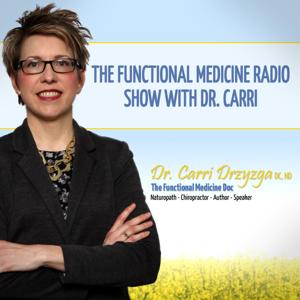
The Functional Medicine Radio Show With Dr. Carri

By The Functional Medicine Radio Show With Dr. CarriAlternative Health
Download on the App Store

The Functional Medicine Radio Show With Dr. Carri episodes

  • Treat & Prevent Dementia with Gene Gresh

    In this episode of The Functional Medicine Radio Show, Dr. Carri’s special guest Gene Gresh explains the importance of hormones and LDN for dementia and preventing dementia.

    Gene Gresh practices as a research/compounding pharmacist and functional medicine practitioner in Vernon, CT. He owns and operates Pioneer Health Center.

    Gene has been a registered pharmacist for over 38 years and, most importantly, is also certified in functional medicine. Gene’s practice is entirely non-sterile compounding with a specialty in Bio-identical Hormone Replacement, Pain Management, Low Dose Naltrexone (LDN), Nutri-genomics, and the Bredesen Protocol for reversing cognitive decline and Alzheimer’s disease.

    Main Questions Asked about Treating & Preventing Dementia:
    • How can a compounding pharmacy help patients implement their Bredesen protocol?
    • What about the hormone component of the Bredesen protocol for dementia?
    • What about other hormones like pregnenolone, DHEA, and cortisol? How do these impact brain health?
    • What is a compounding pharmacy?
    • What is low dose naltrexone – LDN – and how can it help with dementia?
    • Can you talk about concussion, even a history of concussion, and underlying inflammation in the brain?
    • Can you talk about the autoimmune component of dementia?
    • What are the signs that a patient may do well on a trial of LDN?
    • What is Synapsin?
    • Key Points made by Gene about Treating & Preventing Dementia:
      • The whole philosophy behind bioidentical hormone replacement is that we’re actually taking the same identical chemicals – the hormones that our bodies produce.
      • Hormones are a big component with regards to dementia, as hormones are hugely important in brain function. They’re known as trophic factors in allowing our synapses to actually work.
      • Dr. John Lee coined the term, “Our hormones are like a symphony orchestra,” that they all work in concert with one another to create beautiful music when they’re in balance, but not such good music when they’re out of balance.
      • The term “within normal limits” probably is one of the worst terms ever invented because it makes you think that everything is fine.
      • We get to customize medication from the ground up and build therapies that fit the unique needs of each individual dementia patient.
      • One of the sad things about my experience in conventional medicine is it seems to be a one size fits all type model. What we’re learning is the uniqueness of individuals, there is no “normal” person.
      • The amazing thing about what LDN is, number one, the risks associated with this are so minimal, so small, and yet the potential benefits are so enormous.
      • LDN is one of the most amazing tools that I’ve seen and certainly with dementia is important because one of the things LDN does is it reduce inflammation at a very high level in the body.
      • Inflammation is one of the driving forces behind dementia.
      • When we take a tool like LDN it works in so many different ways in the body.
      • There are some that would categorize Alzheimer’s as an autoimmune type condition.
      • What I love about LDN is it doesn’t suppress an immune system; it actually optimizes it so that it actually helps it work better than just suppressing it.
      • At this point with what I’ve seen in the hundreds of patients that we’ve used LDN with, that there isn’t a patient out there that I think wouldn’t benefit from a trial of LDN. Why I say that is we have patients tell us that their energy is better, that their thinking is clearer, that their mood is improved.
      • What Synapsin was designed to do was to get into the brain and down-regulate the glial cells, to kind of quell them and have them calm down. In doing so, all sorts of conditions can be improved.
      • Reach out and get in touch with your compounding pharmacy. Most patients and most practitioners don’t even know what compounding pharmacies are.
      • I would encourage anybody who has a loved one that is concerned about dementia to go out and buy Dr. Bredesen’s book.
      • The signs and symptoms of Alzheimer’s can be detected many years before the onset of a disease – that’s the time that we want to really start implementing a lot of our practices. To prevent the onset of Alzheimer’s would be even better than trying to treat it.
      • I am so passionate about functional medicine. In my career as a conventional pharmacist, I’ve seen the limitations of our conventional model.
      • I believe that functional medicine is the future – when we actually pay attention to what’s creating the problems and change those factors, we’re much better off than trying to treat the symptoms using a pharmacological agent.
      • Resources Mentioned for Treating & Preventing Dementia:

        Interview – Alzheimer’s Prevention and Treatment with Dr. Dale Bredesen

        Book – The End of Alzheimer’s: The First Program to Prevent and Reverse Cognitive Decline

        LDN Research Trust Organization

        Gene’s website

        Book – Reclaim Your Energy and Feel Normal Again

        Thank you for listening! If you enjoyed this podcast, please subscribe and leave a 5-star rating and review on iTunes!

        The post Treat & Prevent Dementia with Gene Gresh appeared first on The Functional Medicine Radio Show With Dr. Carri.

        42 min
      • Paleo Lifestyle with Sarah Ballantyne

        In this episode of The Functional Medicine Radio Show, Dr. Carri’s special guest Sarah Ballantyne explains the Paleo lifestyle.

        Sarah Ballantyne, Ph.D. is the blogger behind the award-winning www.ThePaleoMom.com; co-host of the syndicated top-rated The Paleo View Podcast; and New York Times bestselling author of The Paleo Approach, The Paleo Approach Cookbook, and The Healing Kitchen. Sarah earned her doctorate degree in medical biophysics at the age of 26. She spent the next four years doing research on innate immunity and inflammation. After her second daughter was born, she began to experiment with the Paleo lifestyle. It had an amazing effect on her health! Over time, she healed herself of a long laundry list of physical complaints including: Hashimoto’s thyroiditis, fibromyalgia, Irritable Bowel Syndrome, acid reflux, migraines, anxiety, asthma, allergies, eczema, psoriasis and an autoimmune skin condition called lichen planus. Her passion for providing straightforward explanations of the science behind the paleo diet and its modifications, plus her love of food and cooking and her dedication to her family form the foundations of her blog, her podcast and her books.

        Main Questions Asked about the Paleo Lifestyle:
        • Why doesn’t diet dogma and rules work?
        • Can you talk a little bit about self-experimentation and bio-individuality?
        • Which foods are in the gray zone that may or may not be creating an issue with somebody’s health?
        • Could someone react to the skin or seeds of a vegetable? Could it get that detailed?
        • Key Points made by Sarah about the Paleo Lifestyle:
          • As I was writing Paleo Principles, I was really trying to get away from a lot of the sound bite descriptions of the Paleo Diet and trying to create a resource that would give people the information about the Paleo lifestyle that they need to respond to criticisms of the diet. I also talk about some things that have traditionally been considered Paleo that maybe don’t work for a lot of people, and some foods that have traditionally been verboten, but actually do work for a lot of people.
          • I did a bit of research into just the psychology of rules and rule following. There are some really interesting studies that have been done in the diet sphere.
          • We sort of know no matter what sort of niche within the alternative health community you belong to, we all know that getting away from these super refined, highly processed very, very addictive manufactured foods is the number one thing that most people can do to improve their health.
          • I think that getting away from dietary dogma also embraces imperfection, Paleo lifestyle not diet. It means that more of us will make the better choice more often.
          • We know that there’s been genetic adaptation to agriculture. In the last five to 10,000 years, human diet has changed dramatically.
          • We’ve got these foods that we universally know are a health promoting food. So, the most nutrient dense foods on the planet – that doesn’t mean you can’t develop an allergy or sensitivity to those foods.
          • The way that we really determine if a food is working for us is by cutting it out for two to four weeks. That provides time for the body to down-regulate any adaptive mechanisms.
          • Elimination challenge doesn’t create food sensitivities or food reactions rather it unmasks them. It allows us to see something that was happening all the time before.
          • There are other things that influence how our bodies respond to food. For example, our stress level can make a really, really big difference to how our bodies respond to food. It can ramp up the immune system in sort of a dysfunctional way. So, stress is inflammatory. Stress also negatively impacts gut barrier integrity. Over-training, inadequate sleep, and nutrient deficiencies also do something similar.
          • What’s interesting about these other individual factors is that they are a moving target. They change.
          • Vegetables of the nightshade family are typically considered Paleo but actually don’t work for a lot of people.
          • Tomatoes have these very, very inflammatory compounds wrapped up in this quite nutritious little package and it’s no wonder that tomatoes were considered a toxic food until a few hundred years ago. Women at that time would be accused of being witches if they cooked with tomatoes.
          • A lot of the issues with dairy really only apply to homogenized conventional dairy products.
          • This is why I really feel that we can’t simplify dietary frameworks to a one size fits all eat this, don’t eat this. Instead, we really need to give people this broader education, and the tools to figure this out. I really don’t want it to be intimidating. I want it to be empowering for people.
          • I try to encourage people to think of the Paleo lifestyle as a fun discovery process because it does take a long time to do this systematically but then what you have at the end of it is really detailed knowledge about how your body reacts to certain foods.
          • Resources Mentioned for the Paleo Lifestyle:

            Podcast Interview – Going Paleo: The Diet We’re Meant to Eat? with Sarah Ballantyne

            Podcast Interview – The Autoimmune Paleo Diet with Dr. Sarah Ballantyne

            Book – The Paleo Approach: Reverse Autoimmune Disease and Heal Your Body

            Book – The Paleo Approach Cookbook: A Detailed Guide to Heal Your Body and Nourish Your Soul

            Book – The Healing Kitchen: 175+ Quick & Easy Paleo Recipes to Help You Thrive

            Book – Paleo Principles: The Science Behind the Paleo Template, Step-by-Step Guides, Meal Plans, and 200+ Healthy & Delicious Recipes for Real Life

            Sarah’s website

            Book – Reclaim Your Energy and Feel Normal Again

            Thank you for listening! If you enjoyed this podcast, please subscribe and leave a 5-star rating and review on iTunes!

            The post Paleo Lifestyle with Sarah Ballantyne appeared first on The Functional Medicine Radio Show With Dr. Carri.

            38 min
          • Correcting Hormonal Imbalance with Dr. Marilyn Glenville
            In this episode of The Functional Medicine Radio Show, Dr. Carri’s special guest  Dr. Marilyn Glenville explains a natural way of correcting hormonal imbalance. Marilyn Glenville is the UK’s leading nutritionist, specializing in women’s health. She is an inspiring public speaker – easy to listen to and very practical in her approach.  She is the award […]
            39 min
          • Natural Cure for Autoimmune Disease with Jessica Flanigan

            In this episode of The Functional Medicine Radio Show, Dr. Carri’s special guest Jessica Flanigan explains The Loving Diet – a mindfulness approach to healing and natural cure for autoimmune disease.

            Jessica Flanigan’s soul-centered practice, The Loving Diet, is a wellness program she developed to help clients to resolve held beliefs that manifest in the body as physical illness. This philosophy of healing is based on the principles of Noetic Field Therapy. The process of loving what ails us, provides the most direct and rapid road to health. This practice is akin to the idea that “the relationship to our circumstances is the cure.” Her intuitive practice considers that disease is part of the road toward wholeness, and illness is here to help us remember that we are whole. Jessica takes a practical approach from both the vantage point of the soul’s path and also advanced nutritional principles of physiology, lab work, micro and macro nutrients leading to a natural cure for autoimmune disease.

            Main Questions Asked about Natural Cure for Autoimmune Disease:
            • What prompted you to write this book?
            • What is The Loving Diet?
            • What is the science behind The Loving Diet?
            • What other research supports the process of self-forgiveness in healing?
            • How do you work with your clients to follow The Loving Diet?
            • Could The Loving Diet be used for any kind of illness other than autoimmune?
            • How does one go through the process of finding their deeply held beliefs and then releasing them?
            • Can you talk about using love as a component of healing?
            • How long does this process take for tapping into the inner resource of healing?
            • Key Points made by Jessica about Natural Cure for Autoimmune Disease:
              • The Loving Diet is about how our choices and decisions to deal with adversities affect our health.
              • This helps clients walk back though big events in their life, where they decided something about themselves and clear the negative emotions through self-forgiveness.
              • When people practice self-forgiveness, the health plan comes to fruition and they start to get better when they could not before this process.
              • Bruce Lipton has done research in the area of emotions and health and has a tagline of “our thoughts control our DNA”.
              • Rachel Yehuda has been studying the DNA of holocaust survivors and 9/11 survivors, found that the telomeres of first and second generations were affected to inherit PTSD symptoms.
              • Those who follow the autoimmune paleo diet 100%, and are eating only 10 or 20 foods with the the expectation of complete healing have not seen those results.
              • Autoimmune Paleo is a “fix-it” scenario where people think that when diagnosed with an autoimmune disease they can fix it with this diet.
              • Most diets and practitioners work with the belief system that after diagnosis they will fix it with the treatment or diet.
              • A natural cure for autoimmune disease, The Loving Diet is a form of mindfulness to cooperate with the present, switching from pass/fail into “How can I completely cooperate with my circumstances? How might I feel different? How might my healing change when I 100% cooperate or have some form of acceptance without an agenda?”
              • It’s not about giving power to your disease but moving you into a state of vulnerability to see if there is some circumstance to awaken you to clear up any misunderstandings that came along with the journey.
              • What would happen when you start looking at what you believe about your disease?
              • It’s not about what happened to us, it’s about what we decided.
              • The technique of self-forgiveness is used. Example: I forgive myself for believing that being vulnerable isn’t going to ever work out.
              • Self-forgiveness lets you examine what hurts and use your own loving right now to heal what hurts, the misunderstandings, shifting the body to healing.
              • People find it hard to love their disease and struggle – that’s the conclusion we ultimately want to come to.
              • First step of this natural cure for autoimmune disease is to consider that curiosity about the place you feel stuck right now and how can we be loving to ourselves can lead to healing.
              • Exercises with self-forgiveness and walking through those places that they have abandoned themselves are done when they decide something about themselves that isn’t true are part of this natural cure for autoimmune disease.
              • Asking the question “maybe there’s something here that’s for me instead of against me” brings movement and you to the next step.
              • This loving thought shifts the belief to “maybe my life is for me and not against me” and hopelessness from not seeing benefits from the diet and supplements.
              • In the Noetic philosophy everything is within arm’s reach and what we have decided are beliefs seeps out into our energy field within arm’s reach.
              • Through the power of self-forgiveness of misunderstandings brings instantaneous change because loving actions transcend space and time.
              • We are all experiencing complex journeys, so often many layers appear in this experience, so we have to be patient for the growth of our soul.
              • We have to be kind to the part of ourselves that wants the journey of disease to be over already.
              • Patients dealing with long term trauma, and working with many practitioners, eating limited foods and taking lots of supplements are typical for this work.
              • A series of exercises are done with patients to help them use their imagination to be with the part to help them remember that they are going to have all the tools for their lives, so they feel loved and never feel alone.
              • Polyvagal nerve theory looks at how we either go into fight or flight or freeze and faint, stimulated by the dorsal branch of the vagus nerve.
              • Whenever we have anything concerning the dorsal nerve, it shuts down and affects the body’s functioning below the diaphragm, including digestive issues.
              • SIBO is actually a parasympathetic dominance occurring from trauma.
              • Sympathetic dominance makes a person go into a state of freeze as they imagine a lion chasing them, as in “I’m a little bunny and I’m going to play dead”.
              • This natural cure for autoimmune disease allows people to let go of the misconception about autoimmune paleo diet that you need to diet harder, because there’s never a time or a place that hope can’t come back.
              • Oftentimes when it feels like people are getting worse, which can be a sign that they’re ready to do the deeper work because everybody has the ability right now to love the places inside of themselves that hurt.
              • Resources Mentioned for Natural Cure for Autoimmune Disease:

                Book – The Loving Diet: Going Beyond Paleo into the Heart of What Ails You

                Jessica’s website

                Association of Noetic Practitioners

                Book – Reclaim Your Energy and Feel Normal Again

                Thank you for listening! If you enjoyed this podcast, please subscribe and leave a 5 star rating and review on iTunes!


                The post Natural Cure for Autoimmune Disease with Jessica Flanigan appeared first on The Functional Medicine Radio Show With Dr. Carri.

                34 min
              • Rainbow Colored Food with Deanna Minich

                In this episode of The Functional Medicine Radio Show, Dr. Carri’s special guest Deanna Minich explains the importance of eating rainbow colored food.

                Deanna Minich is a health educator, researcher, and author with more than twenty years of experience in nutrition, mind-body health, and functional medicine. Her passion is bringing forth a colorful whole-self approach to nourishment and bridging the gaps between science, soul, and art in medicine.

                Main Questions Asked about Rainbow Colored Food:
                • What prompted you to write the Rainbow Diet?
                • Can you explain the concept of “color is medicine”?
                • How can we improve our diet to include color?
                • What is the science behind phytonutrients that impacts our health?
                • What do you think about the different supplements and green and red powders?
                • Key Points made by Deanna about Rainbow Colored Food:
                  • There is so much confusion about different diets – paleo, flexitarian, keto, vegan, vegetarian.
                  • The different diets are missing the point of personalization, which is an important aspect of functional medicine.
                  • Most diets are looking at a single dimension of food and not relating the foods to the mental, emotional and spiritual aspects of eating.
                  • Rainbow Diet is primarily a guide to show how can we all unify through eating, rather than divide ourselves.
                  • When we recognize the personal aspects of food, we can unite.
                  • Rainbow colored food can unify people because different colors of pigments have proven healing benefits.
                  • The modern approach to the concept of “food is medicine” can be interpreted as “what kind of food is medicine”?
                  • All colors, including those of food as well as environment that surround us, have been shown to have healing benefits called the “optimal healing environments”.
                  • Color is a divining rod between physiology, food and even our psychology.
                  • A study done in 2009 found that in USA eight out of ten people have a phyto-nutrient gap, as they were not eating the entire rainbow colored food daily and most prominently lacking the color blue-purple: blueberries, blackberries, figs, raisins and grapes, as examples.
                  • Rainbow colored food is meant to signify only real foods and not color by dyes.
                  • We lead our lives surrounded by color in every aspect of our day.
                  • A lot of red colored foods seem to be good for the immune system, acting like an alert – red beet juice, red beetroot – and help with cardiovascular issues and blood fats.
                  • Strawberries help with inflammation.
                  • Orange foods are mainly the carotenoids and beta-carotene, like the carrots, seem to be protective of the reproductive system, providing support with ovulation, menstruation and fertility in women.
                  • Beta carotenes also help men in sperm quality and sperm survival, preventing oxidative stress.
                  • During infertility, it would be helpful to look at the consumption of nutrient-dense, colorful foods.
                  • There are a lot of yellow foods that are not good for digestion and some people may be allergic to: grains, pasta, eggs, corn.
                  • Some yellow foods like papaya, pineapple, lemons, ginger and honey have healing properties.
                  • Some healing enzymes in yellow foods are: pineapple has bromelain and other digestive enzymes; lemons have acids for digestion; and honey has medicinal qualities to help ward off some of the bad bacteria in gut.
                  • Some healthy carbohydrates containing foods provide calories for energy.
                  • Green foods are connected to the heart – leafy greens are high in dietary nitrates that widen the blood vessels; vitamin K helps with blood clotting and circulation; folate is important for so many functions like methylation.
                  • Blue-purple foods are connected to the brain because they contain proanthocyanidins that enter the brain centers and are important for learning and memory as well as impact our mood.
                  • A study showed that children drinking concord grape juice did better on measures of learning and mood.
                  • White signifies detoxification, the process of cleansing and may involve intermittent fasting, moving away from food to connect with our spiritual being to find purpose and meaning.
                  • It is important to also clear some white foods like white salt, white sugar, white flour.
                  • Some healing white foods are: coconut, sesame seeds, cauliflower, and garlic.
                  • When including rainbow colored food it’s important to get that color from a variety of foods and not just one because every food is unique in the compounds it has.
                  • Phytonutrient means plant-derived nutrients, which do not supply calories, and plants have many families of these pigments which have medicinal properties.
                  • Phytonutrients change cell functioning by reducing inflammation, increasing insulin sensitivity and helping with stress response including stress from environment and allergies.
                  • Studies have shown a strong relationship of consuming phytonutrients with reducing body weight, inflammation, cancer and chronic diseases.
                  • We cannot pick just one part of the food as beneficial because real foods, especially plants have phytonutrients, minerals, vitamins, carbohydrates, fats and proteins that have medicinal properties, thereby affirming “Food is Medicine”.
                  • It’s best to first use whole foods as the primary source of nutrition and then to rely on supplements for occasional use or for those who absolutely need it, while not everybody can adjust to them.
                  • It’s best to work with a practitioner to tailor a personalized plan for supplementation because people can react differently to different supplements.
                  • Ensure the supplements and powders are from a good source to avoid consuming contaminants.
                  • Emotions are drivers to health as we move towards pleasure and away from pain.
                  • Rainbow colored food can give us better mood as shown by studies.
                  • When we eat rainbow colored food, we can better live a colorful life.
                  • Studies show eating more fruits and vegetables leads to a better sense of well-being, curiosity and creativity.
                  • Resources Mentioned for Rainbow Colored Food:

                    Book – Whole Detox:  A 21-Day Personalized Program to Break Through Barriers in Every Area of Your Life

                    Book – The Rainbow Diet: A Holistic Approach to Radiant Health Through Foods and Supplements

                    Podcast Interview – How to Do a Life Detox with Deanna Minich

                    Whole Detox Spectrum Quiz

                    Deanna’s website

                    Deanna’s facebook page

                    Book – Reclaim Your Energy and Feel Normal Again

                    Thank you for listening! If you enjoyed this podcast, please subscribe and leave a 5 star rating and review on iTunes!


                    The post Rainbow Colored Food with Deanna Minich appeared first on The Functional Medicine Radio Show With Dr. Carri.

                    29 min
                  • Dairy Milk Products with Cyndi O’Meara

                    In this episode of The Functional Medicine Radio Show, Dr. Carri’s special guest Cyndi O’Meara explains all about dairy milk products.

                    Cyndi O’Meara is a nutritionist, film maker – What’s With Wheat? – best-selling author, international speaker and founder of Changing Habits. Cyndi graduated with a BSc in Nutrition – her special interest was ancestral foods. After graduating, she became disillusioned by the global ‘standard’ nutritional guidelines that she paved her own path. Cyndi started Changing Habits in 1990, from her regular newspaper column on nutrition. Her ground-breaking book Changing Habits, Changing Lives became an instant best seller and from there she has grown a successful organic food company, certified online education program, a ground-breaking documentary and is currently building a 60-acre organic food bowl which will be used as an education centre for sustainable farming practices.

                    Main Questions Asked about Dairy Milk Products:
                    • Can you tell us about the history of milk? Why is it so pervasive in our diets?
                    • How has the quality of our milk changed?
                    • Why are we seeing such an increase in dairy allergies?
                    • How can you get calcium without dairy milk products?
                    • Is yogurt good for us?
                    • What is A2 milk?
                    • What are good substitutes for dairy milk products?
                    • Is soy good for us?
                    • Key Points made by Cyndi about Dairy Milk Products:
                      • Animals have been domesticated for 10,000-15,000 years and whose milk has been consumed primarily in raw or fermented form.
                      • Hindu culture does consume milk as clarified butter, ghee, but they do not necessarily consume the animal.
                      • Dairy consumption in ancient cultures depends on where they live, so it could be coming from a cow, yak, goat, sheep or camel.
                      • Tribes in Afghanistan milk their yaks then ferment it into a very hard ball.
                      • The Himbas of Namibia mostly eat dairy milk products in the fermented form.
                      • Modern milk consumption is a mechanical process where people get to drink milk from a mixture of thousands of cows.
                      • Ancient cultures consumed dairy milk products from a single animal as raw or fermented, clarified butters from animals that they knew well, treated well.
                      • Modern milk is pasteurized, homogenized, ultra pasteurized, cold-pressed pasteurized, low fat, and is mostly with additives, coming from animals not treated well or infected and medicated.
                      • Dairy allergies are a result of many factors: mechanically processed dairy milk products from many animals; infections and medications of animals; consumption of grass that has been sprayed with insecticides.
                      • Glyphosate sprayed on grass disrupts the shikimate pathway that prevents synthesis of amino acids needed for neurotransmitters.
                      • Glyphosate is water soluble and an antibiotic that is being sprayed in high amounts on our land, our drinking water, which kills our microbiome.
                      • Glyphosate is being consumed by animals whose dairy we are consuming which causes leaky gut, leading to brain degeneration, aging, allergies, autoimmunity.
                      • The allergen lactoglobulin is shown to cause allergy only when it is not attached to mineral iron, which does happen in the modern methods of animal husbandry.
                      • Glyphosate is now also detected in wines because growers think it’s safe to use on their land.
                      • Countries that eat the most dairy milk products also have higher rates of osteoporosis.
                      • Hadza tribe in Tanzania does not eat dairy milk products but do eat game meat, berries and lots of root vegetables and do not have osteoporosis and live to 80.
                      • Any food that is grown in calcium rich soil will be a good source of calcium.
                      • Calcium from dairy milk products may not be absorbed very well but calcium from plant sources is better absorbed.
                      • Yogurts in stores have a lot of sugar, thickeners and preservatives and also do not contain live cultures, to stop the fermentation process.
                      • Seiko, an Italian yogurt producer continues the old tradition of only two bacteria and is made with milk from just one animal.
                      • Yogurts made from real live traditional cultures, unpasteurized milk from a single animal, not eating glyphosate grass, is a good one to eat.
                      • It’s best to go off dairy milk products if you can’t find the traditional yogurt culture.
                      • A1 milk is from hybrid European cows, and produces a casomorphin from the milk protein, casein, which is almost like a drug and has been linked to sudden infant death syndrome, Type 1 diabetes and autoimmune diseases.
                      • A2 milk does not create casomorphin and in some countries there is a push to move more cows, goats and camels to A2 to improve health outcomes.
                      • Most vegan cheeses are full of preservatives, flavors, isolated proteins and foods not been tested on animals.
                      • Non-dairy milks in the market contain only 2% nuts and rest is thickeners and flavors with added calcium carbonate which is limestone from rocks but with questionable growing methods that may have been sprayed with glyphosate.
                      • Some vegan restaurants are using margarine instead of butter which is refined, full of flavors, synthetic vitamins, fillers, diglycerides and colors.
                      • Some good dairy substitutes in the market could be cashew cheese and ghee which does not have dairy but contains omega-3 and butyric acid that is good for intestines.
                      • It’s best to make your own nut milks or try camel and goat milks from small dairy farms instead of commercial ones.
                      • Commercial soy products in the market are not prepared in the Japanese traditional methods that take into consideration its effects on men and women.
                      • Soy milk, if fermented the traditional way, must taste woody.
                      • Traditionally, Japanese eat only 6% soy in their diet, but in North America, most vegans are overloading on soy through tempeh, soy milk, textured vegetable protein, TVP.
                      • Commercial soy is also likely to be genetically modified, may have glyphosate and have added canola oil.
                      • People must learn from local farmers and boutique producers to understand their growing methods and buy locally as much as you can.
                      • Try to find out best sources of all foods and cook at home, nitrate-free bacon and eggs with a salad on side.
                      • Cook wild caught salmon with sweet potato and a salad for dinner, which will feed your microbiome and also produce vitamins and amino acids.
                      • According to nutrigenomics, you feed your body with evolutionary foods that can regulate the DNA.
                      • The metabolites of the microbiome that lives within you also speaks to your DNA and with the right foods, the innate intelligence of the body will do right things.
                      • Resources Mentioned for Dairy Milk Products:

                        Book – Changing Habits, Changing Lives

                        Podcast Interview – What’s With Wheat? with Cyndi O’Meara

                        Documentary- What’s with Wheat?

                        What’s with Wheat website

                        Cyndi’s website

                        Functional Nutrition Academy

                        Book – Reclaim Your Energy and Feel Normal Again

                        Thank you for listening! If you enjoyed this podcast, please subscribe and leave a 5 star rating and review on iTunes!


                        The post Dairy Milk Products with Cyndi O’Meara appeared first on The Functional Medicine Radio Show With Dr. Carri.

                        42 min
                      • Alzheimer’s Prevention and Treatment with Dr. Dale Bredesen

                        In this episode of The Functional Medicine Radio Show, Dr. Carri’s special guest Dr. Dale Bredesen talks about Alzheimer’s prevention and treatment.

                        Dr. Dale Bredesen received his undergraduate degree from Caltech and his medical degree from Duke.  He served as Resident and Chief Resident in Neurology at UCSF, then was postdoctoral fellow in the laboratory of Nobel laureate Prof. Stanley Prusiner.  Dr. Bredesen was the Founding President and CEO of the Buck Institute for Research on Aging, and is the Director of the Easton Center for Alzheimer’s Disease Research at UCLA.

                        His group has developed a new approach to the treatment of Alzheimer’s disease, and this approach has led to the discovery of subtypes of Alzheimer’s disease, followed by the first description of reversal of symptoms in patients with mild cognitive impairment and early Alzheimer’s disease, with the ReCODE (Reversal of Cognitive Decline) protocol.  His book, The End of Alzheimer’s, is a New York Times Bestseller.

                        Main Questions Asked about Alzheimer’s Prevention & Treatment:
                        • What can be done for people that have memory impairment, cognitive decline, dementia, or early Alzheimer’s?
                        • Can you talk about infections and how they can have such a big impact on our brain health?
                        • How do hormones, toxins, and inflammation contribute to brain decline?
                        • When should we start onto treatment? How early should a person start working towards preventing cognitive decline?
                        • What is a cognoscopy?
                        • Can you talk about one or two patients that you’ve worked with and where they were and how they’re doing now?
                        • How fast should a patient start to feel better on your program?
                        • What are the next steps to take for those who need help?
                        • How do we find a doctor or practitioner that’s been trained under you?
                        • Key Points made by Dr. Bredesen about Alzheimer’s Prevention & Treatment:
                          • Dementia is now the third leading cause of death in the United States, and the number one cause of death in the United Kingdom.
                          • The reality is we can now do something about Alzheimer’s prevention. In fact, if we all do the right things, we can actually reduce the global burden of dementia dramatically.
                          • We have spent the last 30 years in the laboratory looking at the underlying mechanisms that drive the disease.
                          • When you go in to a physician and you have cognitive decline, the physician does not evaluate why you have it. They might do your serum sodium and serum potassium and maybe some thyroid tests, but they don’t look at the many different factors that actually contribute to it.
                          • There are dozens and dozens of different contributors to Alzheimer’s, including: chronic inflammation, Lyme disease, infections including oral bacteria, leaky gut, too many trans fats, too much sugar, low estradiol, low testosterone, low thyroid hormones.
                          • We evaluate you to determine what are the contributors to your cognitive decline or your risk for cognitive decline, and then we can address all those things appropriately.
                          • Alzheimer’s disease fundamentally is a protective response to these different agents, like chronic infections (bacteria, spirochetes, viruses, molds, fungus), inflammation, heavy metals, and toxins. The downside to this is you are fundamentally downsizing your brain, too.
                          • What’s now been shown in the brains of patients with Alzheimer’s is some will have Lyme disease, some will have specific viruses, such as herpes; some will have oral bacterial such as gingivalis; some will have various fungi, such as Candida. There are all sorts of different pathogens that, in fact, can get into your brain and your body then makes beta amyloid plaque to fight the infection.
                          • Alzheimer’s is like a roof with 36+ holes in it. Of course for each person, the holes are a different size. If you are extremely low on your vitamin D, that hole in your roof is large. If you’re very good with your vitamin D, and I don’t just mean within normal limits, I mean optimal, then that hole is closed, and so forth and so on down each of the different 36. If you’ve got Lyme disease, then that hole is opened and you’ve got to fix that one.
                          • You want to address as many of these holes as you can. That’s when you begin to see these dramatic improvements in people.
                          • Everybody should do either Alzheimer’s prevention or early reversal of cognitive decline.
                          • Phase One = you’re asymptomatic. That’s the time to jump on things. You want to do prevention. This is where Alzheimer’s prevention has the best outcomes.
                          • Phase Two = SCI, or Subjective Cognitive Impairment. That’s when you know something’s wrong but your cognitive tests are still normal. Things are brewing. You should definitely start working on Alzheimer’s prevention.
                          • Phase Three = MCI, Mild Cognitive Impairment. Now the cognitive tests are also showing that there’s something wrong, but you’re still able to take care of yourself. Your activities of daily living are fine. It’s not too late yet to start Alzheimer’s prevention.
                          • If you don’t do anything about the earlier phases then you reach Phase Four = full blown Alzheimer’s disease. That’s where you begin to lose your activities of daily living. It’s too late for Alzheimer’s prevention.
                          • Key for Alzheimer’s prevention: Everybody who’s over 45 should get a cognoscopy – a series of blood tests and cognitive tests to see where you stand with your brain health and you can begin treatment for prevention or, at the latest, early reversal.
                          • There is a tremendous amount that can be done. There’s a whole website, for example, ApoE4.info, that deals with people who are at high-risk for Alzheimer’s because of a specific gene, ApoE4.
                          • An easy way to get the ApoE4 test is through 23 & Me.
                          • If you have zero copies of the ApoE4 gene your lifelong chance of developing Alzheimer’s is about nine percent. If you have one copy of ApoE4 it’s about 30 percent. If you have two copies it’s over 50 percent, so most likely you will develop it over your lifetime. This is why early treatment and Alzheimer’s prevention are so critical.
                          • Saying a person has Alzheimer’s doesn’t tell you what causes it – that’s why assessment by a properly trained doctor to find the root causes is so critical.
                          • The typical person we see who has cognitive decline has between 10-25 different contributors to the cognitive decline. We want to address as many of them as possible.
                          • We’ve published in the land of over 220 papers, but just on the clinical approach here, just four. We’re now actually writing the next one on the next 50 people who showed objective improvements. This is now from physicians we’ve trained from 10 different countries, including Canada, so we’re very excited.
                          • The most important thing of all here is that people who show improvement show sustained improvement as long as they stick to their program.
                          • Now, not everybody improves. Many people do, but not everyone. It is easier if you are early on – that’s why we recommend people please come in early. It’s easier, of course, if you’re compliant and stick to your program.
                          • It’s easier if you have subtype 1 (inflammatory), 1.5 (glycotoxic), or 2 (hormone deficiency/atrophic).
                          • It’s harder if you have subtype 3 (toxic) and if you have specific toxins because you’ve actually got to identify those and then get rid of those.
                          • There are different things that make it harder or easier, but for many people, and typically for most people, if you do the right things, over time you will show improvement.
                          • Once a patient is on their program, they should see some level of improvement within three to six months usually. If they don’t, it’s one of two things: either, number one, they’re really not following their program 100 percent, or number two, we just have to dig deeper and find out what else is there that’s blocking the progress that we need to find and treat.
                          • Resources Mentioned for Alzheimer’s Prevention & Treatment:

                            Book – The End of Alzheimer’s: The First Program to Prevent and Reverse Cognitive Decline

                            ApoE4.info

                            Dr. Bredesen’s website

                            Dr. Bredesen’s published research

                            Dr. Bredesen’s facebook page

                            Book – Reclaim Your Energy and Feel Normal Again

                            Thank you for listening! If you enjoyed this podcast, please subscribe and leave a 5 star rating and review on iTunes!


                            The post Alzheimer’s Prevention and Treatment with Dr. Dale Bredesen appeared first on The Functional Medicine Radio Show With Dr. Carri.

                            38 min
                          • Dry Eye Causes and Treatment with Dr. Travis Zigler

                            In this episode of The Functional Medicine Radio Show, Dr. Carri’s special guest Dr. Travis Zigler explains dry eye causes and treatment.

                            Dr. Travis Zigler is an optometrist. Travis and his wife Jenna have been actively involved with Volunteers for Optometric Services to Humanity, which is a group that travels worldwide to give eye examinations to people who cannot afford nor obtain such care. They have made trips to Ecuador, Peru, and Jamaica twice, and have plans to participate in future missions.

                            Main Questions Asked about Dry Eye Causes & Treatment:
                            • What is dry eye disease?
                            • What are the most common causes of dry eye?
                            • What diet changes can help our eye health?
                            • How quickly can people expect to see changes in their eye health after transforming to a plant based diet?
                            • Does blue light hurt our eyes?
                            • Do we get blue light from television screens?
                            • Can people wear blue light blockers on top of prescription glasses?
                            • Do prescription glasses made with blue light blocker coating impact melatonin production throughout the day?
                            • What do you think of the f.lux program that people can use on their tablets, computers and phones?
                            • Is there an underlying hormonal cause for dry eyes?
                            • Can essential fatty acids be used to moisturize dry eyes?
                            • Key Points made by Dr. Zigler about Dry Eye Causes & Treatment:
                              • Dry eye is considered a syndrome clinically, however, it is a symptom of an underlying inflammation of the body.
                              • Dry eye causes and treatment focuses on reducing the underlying causes of inflammation in the three parts of the eye – cornea, conjunctiva, and eyelids.
                              • Pharmaceutical treatments for dry eye only reduce inflammation of the eye without getting to the root cause of the underlying disease.
                              • It is important to switch to organic, non-GMO fruits and vegetables and focus on green leafy vegetables.
                              • All meals are based around spinach and kale because they have a very high amount of lutein that helps with eye health by reducing inflammation.
                              • It is recommended to focus on vegetables as the main dish and meat as condiments.
                              • Add fruits, nuts, seeds and legumes to make a wholesome meal.
                              • Avoiding milk is important, as it is inflammatory.
                              • Other ingredients to avoid are sugar, canned foods, anything in a box and processed foods, which are highly inflammatory.
                              • A basic recipe for a smoothie for two – one banana, three handfuls of spinach, a little bit of almond milk and water. You could add avocado, chia seeds, flax seeds and then some frozen fruits, like berries.
                              • It takes about a week to see changes in eye health after transforming to a plant based diet, because switching from the modern diet will have a period of withdrawal symptoms, similar to quitting smoking or alcohol.
                              • With the “Green Smoothie Challenge” after the initial withdrawal symptoms of detoxing in a week or two, one will start to see results and feel incredible in six months.
                              • Day 1-7 is the “unbearable stage” with the challenge, where you will have more gas, poop more and feel awful, and you might hate the smoothies.
                              • Day 7-14 of the challenge is called the “uncomfortable stage”, where you will not feel great but you will start to feel better.
                              • Day 14-21 is the “unstoppable phase”, where you actually start to crave your green smoothie and feel worse if you stop because your body will start to miss the nutrients.
                              • One could get addicted to artificial sweeteners as well as stevia in protein powders and end up with headaches and other problems.
                              • It is important to hydrate well first thing in the morning with 16-32 ounces of water. This is called the “Hyper-hydration stage”, which boosts your metabolism by about 30% and puts the body in a feel-good state.
                              • Drinking about 16 ounces of water before every meal helps jumpstart your digestive system by lubrication.
                              • Using computers and smart devices we expose ourselves to blue light even at night, which keeps us awake longer and reduces deep sleep at night.
                              • Shutting off electronics and wearing blue light blocking glasses two hours before bedtime will increase melatonin production to help you go to sleep faster and deeper into restorative REM sleep.
                              • Blue light is emitted with any device that has a flat panel, including televisions.
                              • People can install blue light filters on smart devices starting at 7 or 8pm so that your brain and body starts making enough melatonin as part of your sleep-wake cycle.
                              • Prescription glasses can be made with 20-30% blue-light blockers and are sold on amazon and all the way to 100% blockers, which have orange lenses.
                              • 100% blocking lenses change the color blue to grey.
                              • Blue light blocker coating does not impact melatonin because it is still allowing 80% blue light to pass through to the eyes.
                              • The long-term effect of blue light is macular degeneration.
                              • It’s important to keep our eyelids clean to avoid blepharitis, or morning eye discharge due to inflammation of the eyelid from overgrowth of a normal bacteria.
                              • You can use a hypochlorous acid solution to avoid overgrowth of bacteria in eyelids.
                              • Hormonal imbalance plays a big role in dry eyes.
                              • Essential fatty acids can be used in smoothies through the four staple foods – avocados, chia seeds, flax seeds, hemp seeds – to moisturize dry eyes.
                              • Fish oils must be used only from pure, wild, GMP-certified, fulfilment and sustainable sources.
                              • It is important to supplement with minerals and vitamins because most vegetables are now growing in depleted soils.
                              • Grounding is the act of walking barefoot outdoors in the sand in order to neutralize and balance the body.
                              • Using our devices and screens too close to our eyes can lead to short-sightedness.
                              • Resources Mentioned for Dry Eye Causes & Treatment:

                                Book – Rethinking Dry Eye Treatment

                                Dr. Zigler’s website

                                Dr. Zigler’s podcast – The Dry Eye Show

                                Facebook group – Dry Eye Syndrome Support Community

                                Green Smoothie Recipes

                                Dr. Zigler’s facebook page

                                Book – Reclaim Your Energy and Feel Normal Again

                                Thank you for listening! If you enjoyed this podcast, please subscribe and leave a 5 star rating and review on iTunes!


                                The post Dry Eye Causes and Treatment with Dr. Travis Zigler appeared first on The Functional Medicine Radio Show With Dr. Carri.

                                35 min
                              • Dynamic Running Therapy with William Pullen

                                In this episode of The Functional Medicine Radio Show, Dr. Carri’s special guest William Pullen explains dynamic running therapy.

                                William Pullen is a psychotherapist registered with the British Association for Counselling and Psychotherapy. He practices Integrative therapy and specializes in the treatment of depression, anxiety, problems of self-esteem and confidence, and substance abuse.

                                Main Questions Asked about Dynamic Running Therapy:

                                • How did you get into Dynamic Running Therapy?
                                • Is there research done comparing exercise to drug therapies?
                                • Can Dynamic Running Therapy be done with running or can it be applied to other forms of exercise?
                                • What is mindfulness?
                                • What “questions” are used in Dynamic Therapy?
                                • Key Points made by William about Dynamic Running Therapy:

                                  • Dynamic Running Therapy is a fusion of elements of mindfulness, talk therapy, and running.
                                  • It’s important to get moving and develop a good practice.
                                  • Running gives a sense of competency and power.
                                  • Movement must be seen as a medicinal enterprise, particularly for those with certain mental health conditions.
                                  • There is more anxiety and depression among those who are not active.
                                  • Mindfulness is a great way to address conditions like stress, high blood pressure, hypertension and anxiety.
                                  • For thousands of years, humans have hunted, talked and moved together in small tribes for survival, mythology and relationships.
                                  • Our DNA is primed for adventure but we have become very sedentary now.
                                  • Dynamic Running Therapy is typically done while walking or running so they can focus on the questions for their condition and stay safe, compared to more dangerous activities like mountain climbing.
                                  • Mindfulness is focusing the mind on self and typically on breath or you could focus on footsteps or counting trees while walking.
                                  • To practice mindfulness, focus on your breath and count to ten and then start over.
                                  • Mindfulness is a way of bringing yourself continually back into the living moment and away from all of your fears and concerns about the past and the future.
                                  • The practice allows one to become present in the moment and away from the habit of a preoccupied or lazy mind and get out of the cycle of going back to the sore points of life.
                                  • Mindfulness is about training the brain and making a choice to become somebody who can be in the moment and be present to what is around them.
                                  • It can be argued that being overstimulated is a kind of trauma.
                                  • Overstimulation keeps us in a state of constant arousal that is not productive.
                                  • Our goal is to be in a fluid state where we can relax when we want to and bring our attention when it is needed by being in control of how we exist in the world.
                                  • By constantly connecting to social media and other stimuli, our brain gets a kick with small incremental quick rewards.
                                  • Since social media has quick rewards, other rewards that come from longer term activities like cooking, get replaced by quick rewards to make the brain lazy.
                                  • The book gives questions for each run, which you can use if you want to while running or walking.
                                  • The idea is that you learn to acknowledge what you really want.
                                  • If you’re scared of what this question might bring up, acknowledge that and go when you’re ready to go. If you’re excited by it, acknowledge that, and take yourself on a journey of discovery as each question throws up new ideas and new memories and different ways of relating to who you are and the choices that you’ve made.
                                  • Dynamic Therapy reminds you of the need to relate to yourself in a way that’s gentle and compassionate instead of that judgmental inner dialogue that doesn’t serve us.
                                  • When we are not connected to our community then questions around personal status and purpose become even more important, which is known as status anxiety.
                                  • To practice Dynamic Therapy, the practitioner familiarizes the reader with their particular anxiety by specific questions to understand the core issue rather than simply the fear and anxiety.
                                  • Next step is to ask questions about the lifestyle choices, their work, relationships, substance abuse, community etc.
                                  • The source of a lot of anxieties is the kind of relationship one has with oneself which can be destabilizing if there are layers of shame and fear.
                                  • The core of the work is centered around one question: Must I fix or avoid every unpleasant feeling that I have or might I be better off just by acknowledging the appropriateness of some of those moments and just acknowledge it as appropriate.
                                  • By developing a better relationship with your social anxiety, the symptoms will reduce and become of a manageable level and it works for majority of people.
                                  • The book has chapter on how to mindfully run and mindfully walk, both of which are hugely rewarding and add to your sense of adventure,.
                                  • The book has chapters dealing with all the mental health therapeutic conditions, questions on running with your kids to promote closeness.
                                  • The book also has a program for running with your loved ones or people that you’re in close relationships with, to try and get close to them too.
                                  • Dynamic Running Therapy book also shows a 4-step process on mindfulness that can be done by the readers by themselves or with others – start with sitting down for five to ten minutes before the run or walk.
                                  • Step by step procedure – checking in with your body. You do a body scan. What’s happening from the top of my body to the bottom? What do I feel? Where are the pressure points? Where are the aches? I then ask myself, what are my senses picking up around me? We do a sort of sense scan. What can I smell? What can I see? What can I hear? etc. We then move on to, what am I feeling? I hasten to add for my clients, not “What was I feeling right before I got here?”, not “what am I feeling too much of?” What am I feeling right now? I want to get people to focus in the here and now because that’s where I want them to be.
                                  • Fourth step is a question, “priming moment,” which is simply an opportunity to focus on what you want out of that session.
                                  • If you do not know what you want out of the session, you go with a spirit of adventure to just explore. You may decide to move fast or slow. You may decide to seed yourself with a thought or question, or you may decide it’s just enough to travel thinking about your breath, thinking about your footfalls.
                                  • Resources Mentioned for Dynamic Running Therapy:

                                    Book – Running with Mindfulness: Dynamic Running Therapy to Improve Low Mood, Anxiety, Stress, and Depression

                                    William’s Website

                                    William’s Facebook Page

                                    William’s Twitter

                                    William’s Instagram

                                    Book – Reclaim Your Energy and Feel Normal Again

                                    Thank you for listening! If you enjoyed this podcast, please subscribe and leave a 5 star rating and review on iTunes!


                                    The post Dynamic Running Therapy with William Pullen appeared first on The Functional Medicine Radio Show With Dr. Carri.

                                    28 min
                                  • Fast Tract Diet for SIBO with Dr. Norm Robillard

                                    In this episode of The Functional Medicine Radio Show, Dr. Carri’s special guest Dr. Norman Robillard explains the fast tract diet for SIBO.

                                    Norm Robillard, Ph.D., Founder of the Digestive Health Institute is a leading gut health expert. He specializes in functional gastrointestinal disorders (i.e. heartburn, acid reflux, GERD, LPR, IBS, etc.), SIBO and dysbiosis helping his clients transition from drug and antibiotic based treatments to the Fast Tract Diet and other holistic solutions.

                                    Main Questions Asked about the Fast Tract Diet for SIBO:
                                    • What is SIBO and why should we care?
                                    • What are some underlying causes for SIBO?
                                    • What is carbohydrate intolerance and why is it so critical in SIBO?
                                    • How can you test for intolerance to carbohydrates?
                                    • Does the Fast Tract Diet for SIBO suggest that people with SIBO must limit resistant starches until SIBO is resolved?
                                    • Please explain the differences between diets for SIBO?
                                    • Key Points made by Dr. Norm about the Fast Tract Diet for SIBO:
                                      • Humans have a diverse population of about 100 trillion bacteria in the gut, comprising of about a 1000 different species in the large intestine.
                                      • The gut bacteria turn fiber and other undigested carbs into fats that nourish us.
                                      • The small intestine develops SIBO when bacteria from our large intestine migrate into our small intestine through the ileocecal valve and grow more than 10 thousand cells per mil.
                                      • These bacteria also start to scavenge on proteins including the digestive enzymes released by our villi and microvilli.
                                      • Bacteria in small intestine lead to protein breakdown that further feeds the bacteria to keep growing while the body lacks nutrition.
                                      • Some dramatic symptoms occur with SIBO – GERD, acid reflux, abdominal pain, cramps, bloating, altered bowel habits, diarrhea, constipation, nausea, dehydration and fatigue.
                                      • The long term symptoms that occur with SIBO are weight loss, not digesting fats very well, anemia, bone pain, fractures, leaky gut syndrome, which can lead to autoimmune conditions, autoimmune reactions.
                                      • Due to lack of absorbing nutrients properly in SIBO, there is calcium and magnesium loss, too.
                                      • SIBO is the cause behind many diseases like IBS, Crohn’s, celiac disease, rosacea, fibromyalgia, chronic fatigue syndrome, and a variety of liver diseases.
                                      • SIBO is unrecognized but it affects at least half of the population at some point in their lives.
                                      • It is important to get standardized breath testing for SIBO.
                                      • People with SIBO have a lower pressure in the ileocecal valve, which makes it hard for the sphincter to stay closed.
                                      • Causes for SIBO are primarily due to factors that break down the defense mechanism against these bacteria.
                                      • Standardized testing for gut issues is still a challenge, especially with low stomach acid.
                                      • Some underlying causes can be traced to motility problems, that could be due to many reasons, like scarring due to Crohn’s disease, surgery, Scleroderma, Hashimoto’s, diabetes, drug use, gastrointestinal infections of E.coli, Shigella, H.pylori.
                                      • Digestive enzyme deficiency is easily treatable with supplements or eating slowly and chewing well.
                                      • Using antibiotics reduces our own microbiome, which is meant to protect against SIBO.
                                      • Malabsorption of carbohydrates with age can also result in SIBO.
                                      • Breath tests can be done for specific carbohydrates that are suspected to be malabsorbed.
                                      • The Fast Tract Diet for SIBO does not focus too much on testing but has a 3 pillar approach – limit the amount of all fermentable types of carbohydrates that are hard to digest, like lactose, fructose, sorbitol, xylitol, and mannitol.
                                      • The large intestine has the microbiome with beneficial bacteria like bifidobacteria, species of clostridia, and bacteroides.
                                      • Bacteroides fragilis is the most populous and important microbe in our gut.
                                      • Feeding the body with these resistant starches that are good for microbiome can actually cause problems with SIBO.
                                      • The five starches must be limited for six months to a year, until SIBO is resolved.
                                      • Using the mobile app for Fast Tract Diet for SIBO, fermentation potential (FP) can be calculated to feed the microbiome while limiting the resistant starches.
                                      • The Fast Tract Diet for SIBO is designed especially for SIBO, while others like low carb diet, ketogenic diet, elemental diet, specific carb diet and the low FODMAP diet are not, but are good approaches.
                                      • Specific Carb Diet designed by Elaine Gottschall limits many fermentable carbohydrates and most starches but not specifically fiber and some forms of fructose-containing sugars like honey and fruit and fruit juices.
                                      • The low starch diet limits basically starches but not lactose, fructose, fiber or sugar alcohols.
                                      • Low carb or ketogenic diet doesn’t list fiber or sugar alcohols, but does limit other easier to digest carbohydrates such as glucose.
                                      • The low FODMAP Diet limits fermentables, the oligo-di-monosaccharides and sugar alcohols, but does not limit resistant starch and includes sucrose and sweets.
                                      • Paleo diet doesn’t limit resistant starch or fiber, or naturally occurring sugars and sugar alcohols and fructose from fruits, but recommends eating in season which is hard because everything is now available 24/7.
                                      • Fast Tract Diet for SIBO is the only diet that quantitatively limits all five types of these fermentable carbs and it includes pro-digestion behaviors and practices to optimize digestion to identify and address underlying causes.
                                      • If you consume starches, stick to the ones that have the low FP values. Limit wheat-based pastas. Rice pastas are lower in points.
                                      • Resources Mentioned for the Fast Tract Diet & SIBO:

                                        Podcast interview – The Cure for Acid Reflux with Dr. Norman Robillard

                                        Book – Fast Tract Digestion: Heartburn

                                        Book – Fast Tract Digestion: IBS

                                        Dr. Robillard’s website

                                        Dr. Robillard’s facebook page

                                        Join Dr. Robillard’s FB Group

                                        Book – Reclaim Your Energy and Feel Normal Again

                                        Thank you for listening! If you enjoyed this podcast, please subscribe and leave a 5 star rating and review on iTunes!


                                        The post Fast Tract Diet for SIBO with Dr. Norm Robillard appeared first on The Functional Medicine Radio Show With Dr. Carri.

                                        44 min

                                      About The Functional Medicine Radio Show With Dr. Carri

                                      From the publisher's feed

                                      Naturopath - Chiropractor - Author - Speaker

                                      More shows like The Functional Medicine Radio Show With Dr. Carri

                                      Dr. Ruscio Radio, DC: Health, Nutrition and Functional Healthcare by Dr. Michael Ruscio, DC

                                      Dr. Ruscio Radio, DC: Health, Nutrition and Functional Healthcare

                                      768 Listeners

                                      Myers Detox Podcast by Dr. Wendy Myers

                                      Myers Detox Podcast

                                      369 Listeners

                                      The Cabral Concept by Dr. Stephen Cabral

                                      The Cabral Concept

                                      1,858 Listeners

                                      The Human Upgrade: Biohacking for Longevity & Performance by Dave Asprey

                                      The Human Upgrade: Biohacking for Longevity & Performance

                                      7,176 Listeners

                                      The Jesse Chappus Show by Jesse Chappus

                                      The Jesse Chappus Show

                                      1,520 Listeners

                                      Learn True Health with Ashley James by Ashley James

                                      Learn True Health with Ashley James

                                      1,314 Listeners

                                      Dr. Berg’s Healthy Keto and Intermittent Fasting Podcast by Dr. Eric Berg DC

                                      Dr. Berg’s Healthy Keto and Intermittent Fasting Podcast

                                      1,699 Listeners

                                      The Genius Life by Max Lugavere

                                      The Genius Life

                                      4,866 Listeners

                                      The Dr. Hyman Show by Dr. Mark Hyman

                                      The Dr. Hyman Show

                                      9,153 Listeners

                                      DR. GUNDRY PODCAST: GUT HEALTH, WEIGHT LOSS, AND NUTRITION by PodcastOne

                                      DR. GUNDRY PODCAST: GUT HEALTH, WEIGHT LOSS, AND NUTRITION

                                      1,807 Listeners

                                      Ancient Health Podcast by Ancient Health Podcast

                                      Ancient Health Podcast

                                      1,779 Listeners

                                      Dr. Jockers Functional Nutrition by Dr. Jockers

                                      Dr. Jockers Functional Nutrition

                                      836 Listeners

                                      The Thyroid (and Hormone) Fixer Podcast: Thyropause, Menopause, Metabolism and How to Fix It by Dr. Amie Hornaman

                                      The Thyroid (and Hormone) Fixer Podcast: Thyropause, Menopause, Metabolism and How to Fix It

                                      507 Listeners

                                      The Root Cause Medicine Podcast by Rupa Health

                                      The Root Cause Medicine Podcast

                                      563 Listeners

                                      The Dr. Josh Axe Show by Dr. Josh Axe

                                      The Dr. Josh Axe Show

                                      1,413 Listeners