
Sign up to save your podcasts
Or

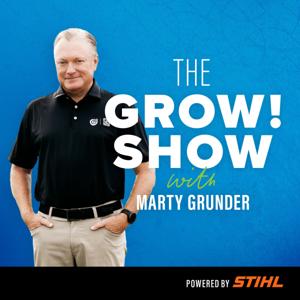


In this episode, Marty reconnects with RJ Lawn & Landscape owners Ryan & Annette McCarthy who hosted the GROW! Tour at GROW! 2024 in Des Moines, IA. We hear about what's changed in their business since we visited, what challenges their business is currently facing, and what they've learned in their years in business.
⭐️⭐️⭐️⭐️⭐️ Leave a Review for the Grow Show!
️⭐️⭐️⭐️⭐️⭐️ Subscribe to Our Youtube Channel!
Episode Chapters:
00:00 - Episode Intro
02:31 - Meet Ryan and Annette McCarthy
03:28 - The Journey of RJ Lawn and Landscaping
06:12 - Working Together as a Married Couple
06:45 - Current Business Challenges & Achievements
15:14 - Leadership and Growth Insights
22:26 - Building Confidence and Leadership
24:31 - Reflecting on Personal Growth
26:02 - Learning From Mistakes
30:53 - The Impact of a New Facility
35:34 - Challenges and Triumphs of Women in Leadership
39:02 - Balancing Marriage and Business
43:27 - Please Share & Subscribe!
Resources:
Virtual Sales Bootcamp
Grunder Landscaping Field Trips
The Grow Group
Grunder Landscaping
Marty Grunder LinkedIn
Stihl
Show Notes:
In this episode, Vince shares what he’s seeing across the five ACE Peer Groups he facilitates; the real-world growing pains companies are facing, how revenue mix is often being shaped by the market instead of leadership decisions, and practical ways to drive more accountability inside your business. He also invites listeners to take the next step and join us at ACE Discovery, where owners and leaders come together to learn, connect, and grow.
⭐️⭐️⭐️⭐️⭐️ Leave a Review for the Grow Show!
️⭐️⭐️⭐️⭐️⭐️ Subscribe to Our Youtube Channel!
Episode Chapters:
00:32 - Introduction: What Vince is Seeing Across 60 ACE Companies
01:13 - Growing Pains: Systems and Processes Breaking Down
03:15 - Growing Pains: People Need Better Training
05:37 - Your Mix of Sales: Market Control vs. Leadership Control
10:15 - Accountability Is Slipping Across Organizations
11:08 - Accountability Step 1: Look in the Mirror
12:00 - Accountability Step 2: Put Team Members in the Box
13:58 - Accountability Step 3: Vision, Focus, and the “Number One”
16:08 - Recap and ACE Discovery Invitation
Resources:
Virtual Sales Bootcamp
Grunder Landscaping Field Trips
The Grow Group
Grunder Landscaping
Marty Grunder LinkedIn
Stihl
Show Notes:
In this interview, Marty Grunder is joined by Taylor Milliken to talk about changes that come when you grow a company and the journey from being a high-schooler striping lawns to now being an impressive, professional operation serving Nashville's growing market.
⭐️⭐️⭐️⭐️⭐️ Leave a Review for the Grow Show!
️⭐️⭐️⭐️⭐️⭐️ Subscribe to Our Youtube Channel!
Episode Chapters:
00:00 - Start
01:01 - A Heartfelt Thank You
01:50 - Meet Taylor Milliken
02:31 - Taylor’s Background and Early Days
05:13 - Building the Business
07:13 - Challenges and Lessons Learned
15:19 - Focus on Customer Service
18:22 - Balancing Innovation and Focus
19:49 - Embracing Peer Groups and Industry Advocacy
21:17 - Balancing Ideas and Implementation
23:32 - The Importance of Vision and Core Values
24:26 - Write This Down!
26:03 - Leadership and Empathy in Business
29:34 - Streamlining Technology for Efficiency
34:39 - The Power of Continuous Learning
36:41 - Future Outlook and Closing Remarks
Resources:
Virtual Sales Bootcamp
Grunder Landscaping Field Trips
The Grow Group
Grunder Landscaping
Marty Grunder LinkedIn
Stihl
Show Notes:
The Strategic Reset: Going Backwards to Go Forward
The Problem (2023-2024): Revenue dropped from $14M to $13M
The Solution: "Sales needs to be a product of customer service"
Hard Lessons That Stuck
The Property Line Disaster
First pool project - installed pool with property line running through middle of it, completely off client's property.
What Changed:
The Learning: "Professionalism is about being prepared for your client"
The Idea Filter: Stop Chasing Squirrels
Used to implement 50 things in 30 days after conferences. Nothing stuck.
Now runs every idea through:
Key Quote: "Too many businesses optimize things that shouldn't even exist in our company" - The Science of Scaling
New Rule: Pick 3 priorities maximum. Master them before adding more.
Game-Changing Communication System
The 5-10 Rule
The Friday Email (100% Eliminated Weekend Complaints)
Before leaving Friday, project manager emails client:
Why it works: Customers spend weekends looking at work and developing questions. Proactive communication eliminates reactive complaints.
Accountability: All emails CC'd to management, part of PM evaluation
The Team That Challenges You
30-day controller Sherry: "Taylor, you have the team focused on too many things. We need to focus on just being great landscapers."
Response: Within 24 hours, brought to team, deprioritized immediately.
Leadership Principle: If your team can't tell you when you're off base, you either have wrong people or need to add someone who can.
Daily Standards
Trucks washed every day before going out
Client meetings: Both decision makers must visit office for initial appointment
Strategic Reading Approach
Minimum 4 books/year for all leadership and middle management
Taylor's Method: Read books aligned with when you'll need those skills
Interview Question: "What book are you reading?"
Technology Philosophy
Key Learning: Technology without dedicated ownership doesn't succeed
Nashville Market Competitor Agreement
Gentleman's agreement with 4-5 competitors:
2026 Outlook
Bottom Line
Happy clients sell the next job. Focus on who you're serving today, not just who you're selling tomorrow. Implement fewer things better. Surround yourself with people who'll tell you when you're wrong. Create systems that prevent problems before they start.
Addressing a question we received from a listener, Marty Grunder talks about the importance of understanding how hours impact the profitability of a job, how he helps his team understand the impact they can have, and what they do to monitor and manage hours.
⭐️⭐️⭐️⭐️⭐️ Leave a Review for the Grow Show!
️⭐️⭐️⭐️⭐️⭐️ Subscribe to Our Youtube Channel!
Episode Chapters:
00:00 - Start
00:31 - Why Production Hours Matter: You Sell Time
03:09 - Get Off Paper: The Case for Software Systems
07:36 - The Estimation Standardization Meeting
09:54 - How Grunder Grew from $4.5M to $18M
12:31 - Finding Your Minimum Job Size & Profit Sweet Spot
14:00 - Start Simple: Taking Action on Production Hours
Resources:
Virtual Sales Bootcamp
Grunder Landscaping Field Trips
The Grow Group
Grunder Landscaping
Marty Grunder LinkedIn
Stihl
Show Notes:
Core Principle: You Sell TIME
Every hour you pay for labor needs to be billable vs. unbillable (travel, training, loading/unloading, repairs, shop work). The sooner your entire team understands this, the better your financial performance.
Universal Language: Hours transcend language barriers. Sold for 110 hours, took 130 = No bueno. Sold for 110, took 105 = Bueno.
Get Off Paper, Get Software
Why It Matters:
Pay teams to serve clients, not push papers
Young workers expect technology - paper systems hurt recruiting
Impossible to scale or create sellable business with paper trails
Software eliminates human error, provides real-time data
Recommended: Aspire or LMN (far ahead of other landscape software)
The Chick-fil-A Test: Imagine writing your order by hand for someone to read before cooking. That's the inefficiency of paper systems.
The Estimation Standardization Meeting
Grunder's System:
Every other Wednesday, 3:30pm, standing meeting
~20 people (everyone selling OR producing work)
Review every job from last 2 weeks that went over OR under by 15%
Aspire filter automatically loads qualifying jobs
Why Review Jobs Over Budget:
Need equipment to improve production?
Weather/site conditions?
Drawing errors or bad notes?
Capture data for recurring annual work
Why Review Jobs Under Budget (Critical!): Example: Bid 80 hours, took 52 (28 hours under)
Maybe keep margin this time
Do extra work or give rebate
Most Important: Bid ~52 hours next year
Philosophy: When you overcharge, it comes back to you. Find the sweet spot: make money while delivering tremendous value.
Grunder's Growth Story
Revenue: $4.5M → $18M (4 years)
Primary Driver: Better pricing through hour analysis. Knowing specifically what to do MORE of and LESS of.
Key Discovery: Jobs under $7,500 very hard to profit on
New clients: $7,500 minimum
Existing clients: Will do smaller work (loyalty)
Meeting Culture
No personal attacks. Professional dialogue. Applaud teams for coming under, analyze why jobs went over, make adjustments, move forward.
Compensation & Equipment Decisions
Best companies tie pay to:
Job profitability (rooted in hours)
Hours worked
Onsite time
Hour analysis drives smart equipment purchases:
Snow removal sidewalk equipment (justified by hour savings)
Material handling buggies (through Workers' Comp grant)
Learn From Success AND Failure
Success leaves clues. So does failure. Sprinkle both lessons throughout your company to find patterns and common traits.
Start Simple, Scale Up
Grunder's First System: Dry erase board with green/red circles for good/bad hours. Primitive but it worked.
Today: Same concept using Aspire. The discipline matters more than sophistication.
Action Steps
Move to software (Aspire/LMN)
Establish bi-weekly hour review meetings
Track BOTH over and under performance
Record mistakes, adjust, move on
Analyze patterns for most/least profitable work
Adjust pricing based on actual data
Let hours drive equipment investments
Bottom Line: "If you don't know your hours, you're flying blindly." Production hours are where you make your money. Track religiously. Review regularly. Adjust constantly.
In this episode Jason Cromley talks about the community he discovered by attending the GROW! Annual Conference, what it was like to host the conference, and what they've been up to in the six months since they hosted the tour during GROW! 2025. Jason shares how they're finding leads, what challenges the team is navigating this year, and what he hopes to see in the future for Hidden Creek Landscaping.
⭐️⭐️⭐️⭐️⭐️ Leave a Review for the Grow Show!
️⭐️⭐️⭐️⭐️⭐️ Subscribe to Our Youtube Channel!
Episode Chapters:
00:00 - Episode Intro
00:57 - The Importance of Walking & Routines
01:54 - Jason Cromley: Updates and Insights
02:56 - Reflections on Hosting Grow
07:02 - Sales Goals and Marketing Strategies
12:47 - Operations and Hiring Challenges
19:43 - Sales Challenges and Client Follow-Up
21:16 - Importance of Client Referrals
25:18 - Marketing Success and Peer Group Insights
26:51 - Operational Improvements and SOPs
28:05 - Role of a Fractional COO
31:30 - Networking and Industry Involvement
36:39 - Planning for Future Growth
38:56 - Final Thoughts and Conclusion
Resources:
Virtual Sales Bootcamp
Grunder Landscaping Field Trips
The Grow Group
Grunder Landscaping
Marty Grunder LinkedIn
Stihl
Show Notes:
The Power of Walking: Marty emphasizes the importance of movement and walking for business leaders, describing it as essential for physical health and mental clarity. He shares his personal struggle with maintaining step counts but acknowledges walking as a "cleansing experience" that enables better thinking and decision-making.
Jason's Morning Routine and Recovery: Jason details his disciplined morning routine: treadmill at 5:30 AM, followed by 20 minutes in the sauna and cold plunge. This routine serves as his "sanity" and creates a "proactive brain versus reactive brain" - essential preparation before entering the office where he becomes more reactive to daily demands.
Post-Grow Event Reflection (180 Days Later)
The Immediate Aftermath: Jason describes the post-event experience as similar to "your only kid getting married" - a massive buildup followed by an empty feeling of "what are we supposed to do now?" The team experienced a brief identity crisis after such an intense preparation period.
The Real Value: Preparation Process: The most impactful aspect wasn't the event itself but the preparation process. Creating PowerPoints, preparing slides, and readying the facility generated immense pride throughout the organization. The preparation forced deep self-examination of company processes and aspirational thinking.
Vision Casting Through Presentation Prep: Jason asked his team post-event: "How amazing would Hidden Creek be if you guys did everything that you said in the slides you presented?" The response: "We'd be amazing." This revealed that the slides represented their ideal daily operations, unclouded by typical distractions and fires.
Financial Performance and Sales Pipeline
2024 Revenue Target vs. Reality
Goal: $27 million
Projected: $25+ million (falling short due to poor Q1 backlog)
Current Pipeline: $20+ million for 2025 (design-build only, excluding maintenance)
Lead Generation Success
Jason reports receiving more leads than ever in the company's 27-year history, attributing success to:
Custom Direct Mail Campaign: Targeted 5,000+ homes ($1M+ value, no pools, near golf courses)
Unique Mailer Design: Above-and-beyond piece that friends texted about, generating calls three weeks later
Results: Five design fees sold totaling $20,000+, each representing $250K-$350K projects
Google Pay-Per-Click: Expensive but effective for volume (though lower quality leads)
Referrals and SEO: 45 qualified leads in a single week
The Compound Effect of Reputation: Marty emphasizes that after 27 years in business, reputation creates momentum: "The work you're doing today is selling tomorrow's work." This compound effect of consistent quality and integrity becomes a significant competitive advantage.
Operational Challenges and Solutions
Hiring and Staffing Philosophy
Current Status: Nearly fully staffed with only one deficit
Strategic Approach: Taking time to find the "perfect fit" rather than panic hiring
Assessment Tools: DISC assessments for office staff, thorough reference checks
Reality Check: "When you do an interview, that is the absolute best that person will ever be"
The Growth Pain Paradox: Both Marty and Jason acknowledge that rapid growth creates personnel challenges. Some employees who were effective at smaller scales struggle with increased pace and accountability. This leads to "friendly separations" with people who can't adapt to higher performance standards.
Team Expectations and Standards: Jason uses the analogy that Hidden Creek is "the Ohio State football team" - they want to win the national championship every year, and everyone wants to beat them. This high-performance expectation means not everyone is a cultural fit.
Customer Service and Quality Control
The "Feeling Heard" Problem: Both leaders discuss recent customer complaints, identifying a common theme: clients didn't feel heard when issues arose. The problem wasn't necessarily the quality of work but the speed and quality of response to concerns.
Sales Follow-Through Issues: Marty identifies a critical gap: salespeople not maintaining client relationships post-sale. Example: Two cracked pavers requiring three client calls to address, with scheduling treating it as routine rather than emergency. The solution requires salespeople to either escalate properly or handle minor issues personally.
Client Visit Strategy: Jason implements Saturday morning job site visits with donuts, describing these as his "happy place" and "inner spirit." This personal touch reinforces quality standards and demonstrates leadership presence.
Strategic Improvements and Systems
Marketing Evolution: Jason credits improved marketing with lead generation success, specifically the targeted direct mail campaign that generated responses weeks after delivery, indicating recipients kept and considered the materials.
Standard Operating Procedures (SOPs): Focus on creating consistency across all departments:
Design Handoff Process: Eliminating the "figure it out on the fly" mentality
Project Startup and Closeout: Standardized processes across all teams
Unified Approach: Moving from independent business owners within the company to "franchises of Hidden Creek"
Fractional COO Implementation: Jason hired a fractional COO (one day per week) to:
Manage communication with four direct reports
Filter Jason's numerous ideas before they create organizational noise
Serve as a sounding board for major decisions (acquisitions, new locations, system changes)
Follow up on tasks and ensure accountability
After Action Reviews (AARs): Implementing military-style debriefs after every major project to assess:
What worked financially
What worked operationally
What worked in sales
Areas for improvement
This systematic approach to learning from both successes and failures drives continuous improvement.
Leadership Philosophy and Personal Balance
Jason's Guts and Determination: Marty praises Jason's courage in delivering the same presentation 17 times during Grow while recovering from knee surgery, maintaining family commitments (setting up kids at Boston College and Loyola Chicago), and continuing to prioritize his marriage.
The Inspiration Effect: Marty describes how Jason's example indirectly pushes him to maintain high standards in his own life and business, demonstrating the power of peer influence in the landscape industry community.
Future Vision: Mobile Office Concept: Jason's aspirational goal: a Mercedes bus with computers and TVs, allowing him to spend most days on job sites rather than in the office. This would enable direct client interaction and crew engagement while maintaining mobile productivity.
Industry Insights and Peer Group Learning
Economic Timing and Opportunity: Jason's peer group (12 major players from different metropolitan areas, combined revenue over $200 million) reports increased leads across all markets, suggesting favorable economic conditions that should be maximized.
Planning and Backlog Strategy
Both leaders emphasize the critical importance of:
Building backlog for confidence and proactive decision-making
Starting 2026 budgeting in September 2025
Selling through Q2 2026 by end of October 2025
Planning conversations about 2027 while executing 2025
Key Takeaways for Landscape Professionals
The Compound Effect
Reputation builds over decades through consistent quality work
Current work quality directly influences future sales opportunities
Word-of-mouth and referrals become increasingly powerful over time
Growth Management
Not everyone can scale with rapid growth - this is normal
Hire slow, fire fast when growth demands exceed individual capacity
Implement systems and SOPs to maintain quality during expansion
Client Relationship Management
Post-sale service often more important than initial sale quality
Clients primarily want to feel heard when issues arise
Salespeople must maintain relationships throughout project lifecycle
Strategic Planning
Start planning next year during current year's execution
Build backlog to enable proactive rather than reactive decision-making
Regular after-action reviews drive continuous improvement
Leadership Development
Personal routines and habits directly impact business performance
Peer groups and industry events provide inspiration and accountability
Balance personal life excellence with business achievement for sustainable success
In this episode, Marty Grunder and Vince Torchia talk about the leadership traits they look for when adding to the team at Grunder Landscaping Co, how they manage planning conversations, and how great leaders push each other to get better.
⭐️⭐️⭐️⭐️⭐️ Leave a Review for the Grow Show!
️⭐️⭐️⭐️⭐️⭐️ Subscribe to Our Youtube Channel!
Episode Chapters:
00:00 - Episode Intro
01:03 - The Importance of Kindness in the AI Era
01:53 - Leadership Challenges and Concepts
03:01 - The Art of Effective Communication
07:15 - Procrastination & Decision-Making in Business
08:41 - The Value of Clear Vision and Mission
13:43 - Real World Leadership Examples
15:52 - Field Trips And Leading By Examples
18:10 - The Importance of Recognition
20:10 - Handling Tough Situations
25:38 - Team-Centric Leadership
29:03 - Please Share & Subscribe
Resources:
Virtual Sales Bootcamp
Grunder Landscaping Field Trips
The Grow Group
Grunder Landscaping
Marty Grunder LinkedIn
Stihl
Show Notes:
The Five Leadership Hot Buttons
1. A Leader is Someone Who Can Return a Serve
The Tennis/Pickleball Metaphor: Leadership requires the ability to engage in back-and-forth dialogue, not just receive orders.
What This Means:
Leaders need people they can "volley" with intellectually
Simply saying "okay" to every idea creates no productive exchange
Great conversations involve building on ideas: "Here's how I see that playing out from a production team perspective..."
You need people smarter than you in specific areas to grow
The Balance: Knowing when to stop volleying and take action. Some leaders love endless discussion; others cut conversations too short. Effective teams find the rhythm between exploration and execution.
Organizational Impact: Without people who can engage meaningfully, growth stagnates. Companies need administrators for order-taking, but leaders for strategic development.
2. "I've Never Done That Before" - Overthinking and Procrastination
The Problem: Analysis paralysis prevents growth and opportunity capture.
Root Cause Analysis:
Procrastination typically stems from lack of clear organizational filters
Companies without clear vision, mission, values, and strategy can't quickly evaluate opportunities
Fear of failure leads to endless "what if" scenarios instead of action
The Solution Framework:
Develop clear organizational filters for decision-making
Ask: "Does this align with our strategy? Does it go through our filters? Can we execute this quickly?"
Create systems that allow rapid yes/no decisions
Real Example: Marty's Cincinnati expansion happened because his team (Vince and Seth) provided the confidence and framework to move beyond "I've never done that before" thinking.
3. What You're Doing Speaks So Loudly I Can't Hear What You're Saying
The Challenge of Distributed Teams: Unlike a grocery store manager who can walk the entire operation in 30 minutes, landscape companies have teams scattered across multiple job sites with minimal supervision.
Leading by Example Systems:
Maintain high standards at headquarters (tucked shirts, clean trucks, organized spaces)
The principle: "How we do anything here represents how we do anything on a job site"
If you don't properly maintain your own workspace, how can you be trusted with client properties?
Recognition Practices:
Catch people doing things right, not just correcting problems
Regular team meetings for public recognition
Personal notes and acknowledgments for consistent performers
The Connection: Team members understand that headquarters standards directly translate to job site excellence.
4. How Do You Perform When It Gets Tough?
The "Don't Let Them See You Sweat" Principle: Leaders are constantly observed, and their emotional state affects the entire team's performance.
Managing Leadership Pressure:
Understand that your mood immediately impacts team morale
Have trusted advisors (like Vince to Marty) for processing frustrations privately
Avoid discussing cash flow problems or personal financial stress with the team
Use techniques like delaying difficult conversations until you can respond thoughtfully
When to Show Intensity: There are appropriate times to "up the ante" - like Marty's example of laying out all the metal items that damaged equipment because team members weren't following procedures.
The Support System: Leaders need people they can call at the end of tough days to process challenges without undermining team confidence.
5. When You Make It About You, You Lose; When You Make It About the Team, You Win
Language and Mission Alignment:
Shift from "I" language to "we" language consistently
Make decisions based on team benefit, not just owner benefit
The team can immediately detect when leaders are being self-serving versus team-focused
Practical Applications:
Mission statements should focus on creating opportunities for team growth
Leaders should engage in tasks they expect from others (Marty cleaning bathrooms)
Avoid monopolizing conversations or making everything about the owner's perspective
The Detection Factor: Teams have an uncanny ability to sense authentic versus self-interested leadership. Consistent demonstration of team-first thinking builds genuine followership.
Practical Implementation Framework
For Business Owners:
Develop Clear Filters: Create vision, mission, values that enable rapid decision-making
Build Volleying Partners: Hire and develop people who can intellectually engage, not just execute
Establish Support Systems: Have trusted advisors for processing leadership challenges
Model Expected Behaviors: Demonstrate the standards you expect from others
Use Team-Focused Language: Consistently speak in terms of collective benefit
For Emerging Leaders:
Practice engaging in meaningful dialogue rather than just agreeing
Develop comfort with uncertainty while maintaining decision-making capability
Build emotional regulation skills for high-pressure situations
Focus on team outcomes rather than personal recognition
Seek mentors who can provide honest feedback and support
Cultural and Operational Impact
The Nice People Philosophy: In an increasingly impersonal world, treating people with kindness and respect becomes a competitive advantage and foundational business practice.
Scalability Insight: As companies grow (Grunder went from $4.5M to projected $18M), the need for these leadership principles intensifies because direct oversight becomes impossible.
The Recognition System: Regular team meetings, individual acknowledgments, and systematic appreciation prevent good performers from feeling taken for granted.
Jarod was an early member of our ACE Peer Group Program and has been a longtime friend. In this episode, him and Marty reminisce on their businesses and where they started, how things changed, and what that journey looked like. They talk about the services they've offered and how that's changed as they've refined their businesses, how their roles have changed over time, and what drove each of those changes.
⭐️⭐️⭐️⭐️⭐️ Leave a Review for the Grow Show!
️⭐️⭐️⭐️⭐️⭐️ Subscribe to Our Youtube Channel!
Client Communication Sample for Earth, Turf & Wood
Episode Chapters:
00:00 - Episode Intro
01:45 - Meet Jarod Hynson
03:57 - The Importance of Family
07:10 - Balancing Business and Family
09:22 - The Evolution of Earth, Turf & Wood
17:27 - Building a New Facility
22:54 - Client Relationships & Sales Process
25:02 - Key Standard Operating Procedures
25:53 - The Importance of Setting Appointments
28:03 - Leadership and Team Processes
29:44 - Safety Meetings & Team Pride
31:36 - Client Communication Strategies
36:08 - Reflecting on Business Mistakes and Growth
37:24 - The Value of Peer Groups and Networking
42:38 - Planning for the Future and Exit Strategies
47:04 - Please Like, Subscribe and Share!
Resources:
Virtual Sales Bootcamp
Grunder Landscaping Field Trips
The Grow Group
Grunder Landscaping
Marty Grunder LinkedIn
Stihl
Show Notes:
Key Business Transformation
The Leadership Shift: Jarod realized he was being a manager (doing yesterday's work faster/cheaper) instead of a leader (finding right people, agreeing on vision). This pivotal insight from Seth Godin's video changed his entire approach from working 70-80 hours to building systems.
Design Fees as Filters: Started charging upfront design fees and pre-construction retainers. "If they weren't gonna give us the construction retainer, they probably weren't gonna go with us." This qualified serious prospects and protected valuable time.
"Can't Cheat the Process": Messiah University soccer coach's quote on his wall reminds him that shortcuts always lead back to problems. Consistency in processes is non-negotiable.
Systems That Drive Success
Client Communication Excellence:
Client Communication Sample for Earth, Turf & Wood
The 5-10 Rule: All communications returned by 10am next day (after 5pm) or by 5pm same day (after 10am)
Friday Progress Emails: Project managers email clients every Friday with week's progress, next week's plan, and client action items - eliminated weekend complaint emails
Both Decision Makers Required: Initial appointments must include both spouses at office during business hours
Quality Standards:
Daily truck washing in 92-foot wash bay: "You wanna know how a contractor's gonna take care of your backyard? You take a look inside the truck"
Overhead Recovery System: Didn't learn this until year 7-8, were "losing money when we thought we were making money"
Building and Branding Strategy
The $20,000 Square Foot Facility: Originally planned 12,000 sq ft, but peer group input expanded to 20,000 sq ft. Client reaction: "I know the level of detail that went into this building is gonna go into my backyard." Built during COVID at 3.15% interest.
Ideal Client Profile: Busy business owners/executives who want quality work, don't micromanage, and "realize the value for dollar spent." As peer Brett Ogden said: "We're the highest price company in our market. I can't sell to people that don't care about landscape."
Leadership and Growth Philosophy
Team Development: Brought key managers to Grow conference and told them "I don't wanna see you for 48 hours - go learn from others." They returned energized with actionable ideas.
Peer Group Value: Used peer group member David Cordell to help interview landscape architect replacement. "Your answer is there [in peer groups]. You just gotta go get it."
Lee Buffington's Career Framework: "First 10 years finding your way, next 10 improving processes, last 10 reaping rewards for what you built."
Exit Strategy and Delegation
The Two-Week Test: "If you can't leave and go on a two week vacation and not touch your phone, you don't have the team in place." Jarod passed this test and is building toward early-to-mid 60s retirement with 90% execution by others being acceptable.
Bottom Line: Success came from shifting from doing everything himself to building systems, processes, and teams that deliver premium results consistently while maintaining work-life balance and family priorities.
In this episode, Emily Lindley shares three tips for landscaping companies to put a focus on their organic social media presence. She shares tips for planning out content, securing your account, and also ideas for content that will appeal to your clients.
⭐️⭐️⭐️⭐️⭐️ Leave a Review for the Grow Show!
️⭐️⭐️⭐️⭐️⭐️ Subscribe to Our Youtube Channel!
Episode Chapters:
00:00 - Episode Intro
00:32 - The Power of Professional Landscaping
02:34 - The Importance of Organic Social Media
05:00 - Consistency in Social Media Posting
08:43 - Securing Your Social Media Accounts
12:44 - Creating Engaging Content
18:35 - Upcoming Events
Resources:
Virtual Sales Bootcamp
Grunder Landscaping Field Trips
The Grow Group
Grunder Landscaping
Marty Grunder LinkedIn
Stihl
Show Notes:
The Three Focus Areas for Organic Social Media
1. Consistency in Platform Choice and Posting
Platform Priorities:
Posting Schedule:
2. Account Security and Admin Management
Security Measures:
Admin Access Protocol:
3. Client-Focused Content Strategy
Content Guidelines:
Current Seasonal Content Examples:
Practical Applications
Content Strategy Insights
The devil is in the details, and smart leaders know that the hardest part of their job tends to be consistency. In this episode, Marty shares 5 things that landscaping company leaders need to be doing or thinking about in order to be successful in their roles.
⭐️⭐️⭐️⭐️⭐️ Leave a Review for the Grow Show!
️⭐️⭐️⭐️⭐️⭐️ Subscribe to Our Youtube Channel!
The Power of Cleanliness in Landscaping (Youtube Episode)
Marty's Tips on Planning Ahead (Youtube Episode)
Episode Chapters:
00:30 - The Power of the Family Group Chat
02:12 - The Importance of Generating Business
03:35 - The 5 Things Every Landscaper Should Focus On
04:01 - Breaking Down Efficiency Rating
05:31 - Have Consistency In Your Brand
06:55 - The Social Media Test
10:00 - Cleanliness Standards
10:18 - A Leadership Lesson From Pam Morris
14:12 - Team Member Wellbeing
17:20 - The Rehire Question
19:53 - Playing Favorites and Accountability
20:35 - Leaders, Check Your Ego
21:45 - Know Your Strengths & Weaknesses
23:20 - Recap of the 5 Areas to Focus On
Resources:
Virtual Sales Bootcamp
Grunder Landscaping Field Trips
The Grow Group
Grunder Landscaping
Marty Grunder LinkedIn
Stihl
Show Notes:
Practical Applications
Procrastination can be a silent killer in your business and in your personal life. In this episode, Marty talks about how procrastination holds people back and the impact of not procrastinating.
⭐️⭐️⭐️⭐️⭐️ Leave a Review for the Grow Show!
️⭐️⭐️⭐️⭐️⭐️ Subscribe to Our Youtube Channel!
00:00 - Episode Intro
01:00 - The Power of Walking
02:20 - Procrastination: The Silent Killer
03:33 - Personal Stories of Overcoming Procrastination
06:11 - Strategies to Beat Procrastination
06:30 - Do You Have a Vision?
11:19 - Organize for Success
17:16 - Reward Yourself
21:02 - Please Share and Subscribe!
Show Notes:
"Procrastination is the Language of the Poor" – Marty's controversial banner message (that he had to take down) reflects his core belief that delaying action prevents entrepreneurs from reaching full potential. This is a message for owners/leaders, not team members.
Personal Health Transformation – Lost 23 pounds through walking (150,000+ steps/week) and changed eating habits. Went from 223 pounds, baggy clothes, and getting winded jogging up the driveway to being physically capable and energetic.
Vision as Anti-Procrastination Tool – Having clear vision of what you want your life to be like AND what it will be like if you procrastinate. "I know very clearly what I want the second half of my life to be like... physically, financially, socially, emotionally."
Movement Begets Movement – Physical activity creates mental clarity and energy that transfers to business execution. "I have more energy, more time to think, been able to see more clearly what procrastination can do."
Three Core Solutions to Procrastination:
OneNote as Life Operating System – Everything organized digitally: life plan, financial plan, business plans, daily/weekly/monthly/quarterly goals. "Great joy crossing out things I want to get done today."
Accountability Partners are Critical – Regular breakfast meetings with successful mentor, sharing vulnerabilities and goals. Wife as accountability partner who knows business plans and struggles.
Pre-Vacation Productivity – Using Zig Ziglar's principle that "the most productive day is the week before vacation" to gamify daily work intensity.
Boss Your Calendar, Don't Let It Boss You – Plan tomorrow tonight, have weekly thumbnails, monthly plans. Structure prevents wandering and procrastination.
Reward Systems Work – Personal examples: No lunch until tasks done, new golf clubs only after 10 scores in 80s (currently has 2), new robotic mowers if company hits sales goal.
Clear Business Vision Prevents Distractions – "I'm able to see these distractions in front of me, disguised as opportunities from a mile away and steer clear of them."
Son Grant's Transformation – Went from childhood procrastinator ("Why do today what I can do tomorrow?") to executing quickly at the company with time-blocking and planning.
Resources:
Virtual Sales Bootcamp
Grunder Landscaping Field Trips
The Grow Group
Grunder Landscaping
Marty Grunder LinkedIn
Stihl
From the publisher's feed

4,376 Listeners
1,336 Listeners
16,842 Listeners

2,184 Listeners
2,288 Listeners

45 Listeners

733 Listeners

2,638 Listeners

1,171 Listeners

163 Listeners

11 Listeners
26 Listeners

14 Listeners
25 Listeners
14 Listeners