
Sign up to save your podcasts
Or

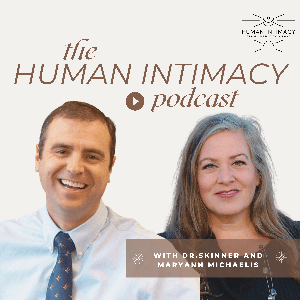


Is a 90-day sex fast the right choice for your relationship?
In this episode of the Human Intimacy Podcast, Dr. Kevin Skinner and MaryAnn Michaelis explore one of the most frequently discussed—and often misunderstood—recommendations in betrayal recovery and unwanted sexual behavior treatment. Rather than focusing on whether couples should or shouldn't abstain from sexual activity, they examine the purpose behind a 90-day reset and why intentionality matters far more than the number of days.
They discuss how a temporary pause in sexual activity can reduce pressure, create emotional safety, and help couples develop healthier patterns of connection. At the same time, they caution that without clear expectations and a shared plan, a sex fast can create frustration, distance, or unrealistic expectations rather than healing.
Listeners will learn why rebuilding intimacy requires much more than simply removing sex from the relationship. True healing comes from strengthening psychological safety, emotional connection, honest communication, affection, friendship, and shared experiences. Whether you're considering a sex fast or simply looking for healthier ways to reconnect, this episode offers practical guidance for building a stronger relationship.
A 90-day sex fast is a tool—not a requirement—for healing.
Couples should clearly define what a "sex fast" means before beginning.
The primary goal is to reduce pressure and rebuild trust, not simply abstain from sex.
Emotional, verbal, intellectual, and relational intimacy should intentionally increase during the fast.
Learning sexual self-mastery and emotional regulation benefits both partners.
Physical affection may still be appropriate if both partners establish healthy boundaries together.
Without a thoughtful plan, a sex fast can create distance rather than connection.
The healthiest outcome is a stronger overall relationship—not simply the return of sexual activity.
The Intimacy Pyramid – Build your relationship on psychological safety, trust, and multiple forms of intimacy before focusing on sexual intimacy.
Emotional Regulation & Sexual Self-Mastery – Learn healthier ways to regulate emotions and sexual desire without relying exclusively on sexual behavior for comfort or connection.
Intentional Relationship Rituals – Daily practices such as walking together, reading together, meaningful conversations, laughter, and shared experiences strengthen connection throughout the healing process.
Podcast Discussion Questions – Additional conversation questions are available in the Human Intimacy Podcast Companion Course to help couples continue these conversations together.
Healing after betrayal doesn't happen through information alone—it happens through intentional practice, guided conversations, and consistent connection.
Looking for additional support between episodes?
Our Human Intimacy Podcast Companion Course is completely free and includes discussion questions, companion resources, and practical exercises designed to help you apply the principles from each podcast episode to your own relationship.
Whether you're listening on your own or together as a couple, these resources will help you deepen your conversations, strengthen your connection, and continue making meaningful progress between episodes.
Enroll for free today:
https://www.humanintimacy.com/course/human-intimacy-podcast
If you and your spouse are ready to move beyond simply surviving betrayal and begin rebuilding trust, emotional safety, and lasting intimacy, we invite you to join us for the Intimacy Repair Method Couples Intensive, September 9–13, 2026 in the beautiful mountains of Utah.
This immersive five-day retreat is designed specifically for committed couples seeking lasting healing after betrayal. You'll work personally with Dr. Kevin Skinner and MaryAnn Michaelis, LCSW, through private couples sessions, experiential exercises, and the proven Intimacy Repair Method. Together, you'll learn practical tools to strengthen communication, restore trust, deepen emotional connection, and create a roadmap for your future together.
Your retreat experience includes comfortable lodging, delicious meals, and a memorable mountain adventure designed to foster connection in a peaceful, restorative setting. Because of the personalized nature of this intensive, space is intentionally limited to ensure every couple receives individualized attention.
Learn more and reserve your place today:
https://intimacyrepairmethod.com/irm-for-couples-intensive-1
Explore additional articles, relationship assessments, online courses, and practical resources designed to help individuals and couples build healthier, more connected relationships.
Visit:
https://humanintimacy.com
If you have questions or would like us to discuss a future topic on the Human Intimacy Podcast, we'd love to hear from you at:
"Healing doesn't happen by avoiding difficult conversations—it happens by learning how to have them safely. Whether you begin with our free Podcast Companion Course or join us for an immersive Couples Intensive, we're honored to be part of your journey toward deeper connection, lasting intimacy, and a stronger relationship."
What role does guilt play after betrayal? Although guilt is often viewed as something negative, it can become an important force for accountability, empathy, and healing. Unlike shame—which says, “I am a mistake”—guilt recognizes, “I made a mistake, and my actions caused harm.”
In this episode, Dr. Kevin Skinner and MaryAnn Michaelis explore how healthy guilt can help someone move toward the person they have hurt. When guilt remains connected to empathy, it allows us to recognize another person’s pain, tolerate the discomfort of what we have done, and respond with meaningful efforts to repair. Shame, by contrast, often turns our attention inward, leading to defensiveness, withdrawal, or emotional shutdown.
The conversation also examines guilt experienced by betrayed partners. Betrayal can affect a person’s ability to parent, connect, regulate emotions, and live according to their own values. That guilt must be met with compassion and an understanding that trauma temporarily changes what a person can carry.
Repair is rarely accomplished through a single apology. It develops through repeated moments of emotional presence, accountability, compassion, and changed behavior. When guilt is approached wisely, it can help us turn toward ourselves and others with greater honesty, care, and courage.
Shame vs. Guilt — Brené Brown
The Power of Guilt: Why We Feel It and Its Surprising Ability to Heal — Chris Moore, PhD
The Betrayal Bind — Michelle Mays
Rebuild Your Relationship After Sexual Betrayal — Dr. Kevin Skinner
What Is Self-Compassion? — Kristin Neff, PhD
Self-Compassion Practices — Kristin Neff, PhD
Human Intimacy
One of the most common questions betrayed partners ask is, "Why do I still feel stuck?" Despite reading books, attending therapy, participating in support groups, and listening to countless podcasts, many people feel like they aren't making the progress they expected.
In this episode, Dr. Kevin Skinner and MaryAnn Michaelis explore why feeling "stuck" is often a normal part of the healing process rather than a sign of failure. They discuss how trauma symptoms, incomplete disclosure, unresolved questions, unrealistic expectations, and misplaced responsibility can all interfere with recovery.
The conversation also highlights the difference between individual healing and relational healing, emphasizing that while a relationship may temporarily feel stuck, an individual does not have to remain there. Dr. Skinner and MaryAnn explain how healthy boundaries, differentiation, trauma-informed therapy, support groups, and compassionate communication create the conditions for lasting progress.
Listeners will also learn why healing is a journey rather than an event, why comparing your progress to someone else's can be harmful, and how small intentional steps toward joy, self-awareness, and personal growth often become the turning points that move people forward.
Whether you are the betrayed partner, the partner seeking recovery, or a clinician walking alongside couples, this episode offers practical guidance and hope for navigating one of the most discouraging stages of betrayal recovery.
Feeling stuck is often a normal part of betrayal trauma recovery.
Healing is a journey, not a single event or milestone.
Trauma symptoms such as intrusive thoughts, triggers, nightmares, and hypervigilance often improve gradually—not immediately.
Full therapeutic disclosure often becomes a major turning point in healing.
You cannot control another person's recovery or prevent someone else's relapse.
Healthy boundaries focus on your response rather than controlling another person's behavior.
Differentiation builds confidence by helping you act consistently with your own values.
Trauma-informed therapies such as EMDR, Accelerated Resolution Therapy (ART), and Internal Family Systems (IFS) can significantly assist healing.
Support groups and trusted relationships provide essential stability when a partner cannot yet respond with empathy.
Recovery grows through self-awareness, compassion, patience, and small daily steps rather than perfection.
To learn more about betrayal trauma recovery, relationship healing, and the Intimacy Repair Method (IRM), visit:
Human Intimacy: https://www.humanintimacy.com
Explore courses, assessments, podcasts, and additional recovery resources designed for individuals and couples rebuilding trust after betrayal.
If you enjoyed this episode, please subscribe, leave a review, and share it with someone who may benefit from this conversation. Together we can help create healthier relationships built on honesty, compassion, and lasting intimacy.
Healthy relationships require both deep connection and a strong sense of self. In this episode, Dr. Kevin Skinner and MaryAnn Michaelis explore the concept of differentiation—the ability to remain emotionally connected to your partner while maintaining your own identity, values, emotions, and personal responsibility.
The discussion examines how betrayal trauma often leads couples toward emotional enmeshment, where one partner's emotions, behaviors, or recovery begin to consume the other person's identity. Dr. Skinner explains why healing is not about becoming emotionally detached, but about developing the capacity to remain present with a partner's pain without becoming overwhelmed by it.
Listeners will learn the difference between differentiation, attunement, emotional contagion, empathy, and compassion, and why these concepts are often confused. The episode also highlights the importance of self-awareness, healthy boundaries, personal identity, and individual responsibility in creating lasting intimacy after betrayal. Rather than trying to control a partner's recovery or emotions, healing occurs when each person learns to "stay in their own lane" while intentionally nurturing the relationship they are building together.
What differentiation is—and what it is not
The difference between differentiation and emotional enmeshment
Attunement versus emotional contagion
Why betrayal trauma often causes partners to lose themselves
Developing greater self-awareness and personal identity
Healthy boundaries and personal responsibility
The relationship between empathy and compassion
Learning to stay in your own lane while remaining emotionally connected
Caring for yourself without disconnecting from your partner
Building a relationship where two healthy individuals create lasting intimacy together
If today's conversation resonated with you, we invite you to explore the many resources available through Human Intimacy.
Visit Human Intimacy to:
Take relationship and recovery assessments
Explore our online courses for betrayed partners, individuals in recovery, and couples
Learn about our relationship intensives and workshops
Access books, articles, and educational resources on betrayal trauma, intimacy, and relationship repair
Stay informed about upcoming events, trainings, and new podcast episodes
If you have questions or would like to connect with us, email us at [email protected].
If you enjoyed this episode, please subscribe, leave a review, and share the Human Intimacy Podcast with someone who could benefit from today's conversation. Your support helps us continue providing evidence-based resources to individuals and couples seeking healthier, stronger, and more connected relationships.
What do you do after discovering your partner has cheated? Where do you even begin?
In this episode of the Human Intimacy Podcast, Dr. Kevin Skinner and MaryAnn Michaelis tackle one of the most painful questions a person can ask: How do I deal with getting cheated on?
Rather than offering quick fixes or encouraging you to simply "move on," they explain why infidelity often creates a genuine trauma response—and why healing begins with stabilization and safety before rebuilding trust or repairing a relationship.
Drawing from decades of clinical experience and current research on betrayal trauma, Dr. Skinner and MaryAnn discuss why your mind and body react the way they do after discovering infidelity and outline the first steps toward recovery.
Why discovering infidelity often feels like psychological trauma.
How betrayal affects your nervous system, sleep, appetite, and emotions.
Why hypervigilance, anxiety, and intrusive thoughts are normal trauma responses.
The difference between emotional stabilization and relationship repair.
Practical ways to begin caring for yourself after discovery.
Why safety looks different for the betrayed partner and the partner who acted out.
The importance of finding trusted support instead of trying to heal alone.
How the Intimacy Repair Method (IRM) provides a roadmap for healing after betrayal.
Whether your discovery happened days ago or years ago, this conversation offers validation, hope, and practical guidance to help you begin moving forward.
A comprehensive step-by-step course designed to help betrayed partners stabilize, understand betrayal trauma, and begin healing.
https://www.humanintimacy.com/course/100-days-to-healing-after-sexual-betrayal
Learn how healthy boundaries create safety, reduce anxiety, and support lasting healing after betrayal.
https://www.humanintimacy.com
A podcast series and companion course created specifically for betrayed partners, providing education, validation, and practical tools for recovery.
https://www.humanintimacy.com
A podcast and course designed to help individuals understand the roots of unwanted sexual behaviors while developing integrity, accountability, and lasting recovery.
https://www.humanintimacy.com/reclaim
Help advance research on betrayal trauma by participating in the Grief After Betrayal Impact Scale (GABIS). Your anonymous participation contributes to a better understanding of the emotional and physical effects of betrayal.
https://www.surveymonkey.com/r/GABIS-2
Discover online support groups, courses, intensives, podcasts, assessments, and additional resources designed to help both betrayed partners and individuals seeking recovery.
https://www.humanintimacy.com
If this episode encouraged you, please subscribe, leave a review, and share it with someone who may need hope today. Healing after betrayal is possible, and you don't have to walk the journey alone.
Many couples assume that once disclosure, impact letters, and emotional restitution are complete, healing should naturally follow. Yet many still find themselves feeling disconnected and wondering why they continue to struggle. In this episode, Dr. Kevin Skinner and MaryAnn Michaelis explain why disclosure is not the finish line but the foundation for rebuilding a relationship. Recovery and trauma work address secrecy and pain, but they do not automatically teach couples how to communicate, listen deeply, regulate emotions, and reconnect. Healing requires learning relationship skills, addressing old patterns, and developing new ways of showing up for one another. The journey doesn't end with disclosure—it begins there.
Human Intimacy Podcast (previous episodes on Therapeutic Disclosure, Impact Letters, and Emotional Restitution)
Deep Listening: A Healing Practice to Calm Your Body, Clear Your Mind, and Open Your Heart by Jillian Pransky
The Intimacy Repair Method (courses, intensives, and relationship skill-building resources)
Human Intimacy Podcast Companion Course (free reflections, exercises, and video lessons)
Human Intimacy Courses (communication, emotional connection, and relationship education)
Couples Intensives with Dr. Kevin Skinner
These resources are discussed as ways to continue developing the relationship skills necessary for healing after disclosure.
In this episode of the Human Intimacy Podcast, Dr. Kevin Skinner and MaryAnn Michaelis explore one of the most important questions couples can ask themselves: “How do we create safety in a relationship?” Drawing from attachment theory, betrayal trauma recovery, and clinical experience, they discuss how safety is not simply a thought or belief—it is a physiological experience that occurs when the nervous system feels secure enough to relax, connect, and trust.
The conversation examines how unresolved wounds, betrayal, childhood experiences, and past traumas can disrupt a person's sense of safety and create hypervigilance, fear, and emotional distance. Dr. Skinner and MaryAnn explain why repairing safety requires more than good intentions; it requires consistent actions that help both partners feel seen, understood, and protected.
The episode outlines 10 practical ways couples can create safety, including accountability, humility, recovery work, emotional openness, compassion, vulnerability, communication skills, and attunement. Listeners are invited to reflect on what safety feels like in their own bodies, identify unresolved experiences that may still be influencing their relationships, and consider the specific behaviors that help foster trust and connection.
Whether rebuilding after betrayal or strengthening an existing relationship, this episode offers a framework for understanding safety as the foundation of healing, intimacy, and secure attachment.
Safety is experienced through the nervous system before it is experienced cognitively.
Unresolved wounds often create hypervigilance and make trust more difficult.
Betrayal recovery requires intentional efforts to rebuild safety through actions, not promises.
Couples can strengthen safety by practicing accountability, compassion, vulnerability, and attunement.
Understanding what safety feels like physically can help individuals recognize when they are moving toward or away from connection.
Creating safety is a skill that both partners can learn and practice over time.
Attached — Amir Levine
The Seven Principles for Making Marriage Work — John Gottman & Nan Silver
Wired for Love — Stan Tatkin
The Body Keeps the Score — Bessel van der Kolk
The Betrayal Bond — Patrick Carnes
Attachment Theory
Betrayal Trauma
Hypervigilance and PTSD Symptoms
Nervous System Regulation
Attunement and Secure Connection
The Zeigarnik Effect
Compassion vs. Empathy in Relationship Healing
Provisional Perception (Patrick Carnes)
Relationship Safety and Co-Regulation
The concepts discussed in this episode are foundational principles of the Intimacy Repair Method (IRM)—a structured approach to helping individuals and couples heal from betrayal, rebuild safety, restore trust, and create deeper emotional connection.
The IRM focuses on seven core pillars of healing:
Stabilization
Safety
Boundaries
Transparency and Integrity
Empathy
Repairing Reality
Connection and Intimacy
Through education, practical tools, guided exercises, and relationship-building skills, the Intimacy Repair Method helps couples move from crisis and uncertainty toward healing, security, and lasting connection.
Note:
If you are recovering from betrayal or working to rebuild trust in your relationship, the principles discussed in this episode are explored in greater depth through the Intimacy Repair Method (IRM), a comprehensive framework designed to help couples create safety, restore trust, and strengthen emotional connection.
Learn more about the Intimacy Repair Method:
Relationships rarely fail because couples stop caring. More often, they struggle because they stop asking the questions that create understanding, connection, and growth.
In this episode of the Human Intimacy Podcast, Dr. Kevin Skinner and MaryAnn Michaelis explore the questions every couple should be asking to strengthen their relationship, improve communication, and build deeper emotional intimacy. Rather than focusing solely on relationship advice, they discuss how meaningful self-reflection and intentional conversations can help couples gain clarity about where they are, where they want to go, and how they want to show up for one another.
Topics include rebuilding trust, creating emotional safety, vulnerability, attachment, relationship expectations, annual marriage check-ins, and navigating life's unexpected challenges. Dr. Skinner and MaryAnn discuss how experiences such as betrayal, infertility, parenting stress, health concerns, and other major life transitions often force couples to reevaluate their priorities and rediscover what matters most in their relationship.
Listeners will learn how thoughtful questions can uncover hidden assumptions, increase self-awareness, reduce resentment, and strengthen connection. The episode also explores the relationship between safety, trust, vulnerability, and emotional intimacy, drawing on insights from attachment theory, relationship research, and neuroscience.
Whether you're recovering from betrayal, working through conflict, or simply seeking a stronger and healthier marriage, this conversation offers practical tools to help you create more meaningful and intentional relationships.
Learn more @ HumanIntimacy.com
In this episode of the Human Intimacy Podcast, Dr. Kevin Skinner and MaryAnn Michaelis explore one of the most confusing and emotionally overwhelming questions couples face after betrayal: Was this “just” an affair, or is there something deeper happening?
Together, they discuss the critical importance of understanding the full story behind sexual betrayal before attempting relationship repair. The conversation explores the differences between infidelity, compulsive sexual behavior, pornography addiction, emotional affairs, and trauma-driven patterns, while emphasizing why proper assessment and professional support are often essential.
Dr. Skinner and MaryAnn explain how secrecy, deception, and incomplete information impact the betrayed partner’s nervous system, often leading to anxiety, hypervigilance, and worst-case-scenario thinking. They also discuss why premature couples therapy can sometimes do more harm than good when active betrayal or addiction is still occurring.
Additional topics include:
The progression of sexual behaviors
Sexual history timelines and formal disclosures
Trauma reenactment and attachment wounds
The Zeigarnik Effect and unresolved emotional pain
The impact of pornography and online sexual behaviors
Why understanding the roots of behavior matters for healing
How assessment tools help therapists identify deeper patterns
This episode offers compassionate guidance for individuals and couples trying to make sense of betrayal, while reminding listeners that healing becomes possible when the full story is brought into the light.
Certified Sex Addiction Therapist (CSAT) Directory
IITAP (International Institute for Trauma and Addiction Professionals)
SexHelp Therapist Directory
Topics Discussed
Sexual History Timelines
Formal Therapeutic Disclosure
Emotional Restitution Letters
Betrayal Trauma
The Zeigarnik Effect
Trauma Reenactment
Attachment Injuries
Stabilization Before Couples Therapy
Sexual Dependency Inventory (SDI)
Sexual Digital Media Inventory (SDMI)
Additional Human Intimacy Resources
Human Intimacy
Dr. Kevin Skinner
(with Dan Oakes)
In this episode of the Human Intimacy Podcast, Dr. Kevin Skinner sits down with Dan Oakes to discuss parenting, healthy sexuality, emotional connection, and prevention in today’s digital culture. Dan shares insights from his new book, Confident Conversations: Teaching Your Children to Develop Healthy Intimacy, which helps parents navigate difficult but essential conversations about sexuality, intimacy, attachment, and emotional regulation.
Together, they explore how many parents feel uncomfortable discussing sexuality because they themselves were never taught how to approach these conversations in healthy, emotionally connected ways. The discussion reframes sexuality not as something shameful, but as a normal human drive connected to attachment, connection, and emotional intimacy.
Dan explains how shame becomes attached to core human urges and how this can create cycles of restriction, secrecy, binge behaviors, anxiety, and compulsive pornography use. Using relatable metaphors and attachment-based principles, the conversation highlights the importance of replacing shame with openness, emotional safety, and co-regulation.
The episode also explores:
the connection between shame and anxiety,
how pornography functions as a “supernormal stimulus,”
why novelty and dopamine influence compulsive behaviors,
the importance of emotional connection in prevention,
and how parents can build trust and emotional safety with their children.
Dan shares five foundational parenting principles from his book:
Build trust above all else
Protect the home environment
Teach progressive developmental facts early
Model healthy affection
Respond with calm rather than fear or shame
Throughout the conversation, Dr. Skinner and Dan emphasize that prevention begins with connection, emotional safety, and courageous conversations. The episode offers practical guidance for parents, grandparents, therapists, and educators seeking to help children develop healthy intimacy, emotional resilience, and meaningful human connection in a highly digital world.
Confident Conversations: Teaching Your Children to Develop Healthy Intimacy — Dan Oakes
Sue Johnson — attachment and emotional responsiveness
Niko Tinbergen — supernormal stimulus theory
Co-regulation and auto-regulation research
Attachment and emotional bonding principles
Novelty, dopamine, and compulsive behavior research
Shame cycles and compulsive sexual behavior patterns
Parenting and healthy sexuality
Shame versus healthy sexual development
Emotional regulation and attachment
Pornography and supernormal stimuli
Anxiety, shame, and compulsive behaviors
Co-regulation and self-regulation
Human intimacy and emotional connection
Prevention strategies for pornography addiction
Building trust with children
Healthy affection and attachment
Digital culture and emotional isolation
Emotional safety in families
From the publisher's feed

6,435 Listeners

204 Listeners

450 Listeners

10,743 Listeners
97 Listeners

2,049 Listeners

14 Listeners

19,270 Listeners

768 Listeners

188 Listeners

11 Listeners

21 Listeners
16 Listeners

388 Listeners