
Sign up to save your podcasts
Or

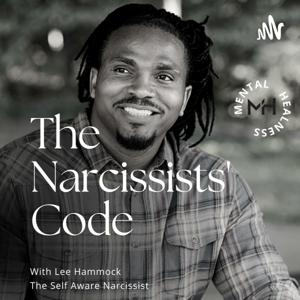
By Lee Hammock


4.9
11531,153 ratings


The podcast currently has 1,936 episodes available.
The most played episodes among Podcast App listeners.
In this video, I explain the “reverse discard”. When a narcissist emotionally gets rid of you, treats you horribly, and pushes you to end the relationship so they can play the victim and move on fast. As a clinically diagnosed, self‑aware narcissist, I walk through how they disconnect from you, rage, nitpick everything you do, and then say “You broke up with me” to justify a new partner, a fairytale romance, or an affair that’s already been waiting in the wings. You’ll learn why they still try to control you after you leave, refuse to let you move on, and expect you to stay single while they start a whole new relationship. If you’re wondering whether you should “go along” with a reverse discard, I’ll talk about when leaving is healthy and why you shouldn’t stay where you’re clearly not wanted—while still protecting your legal and safety rights. Go where you’re wanted, not where you’re merely tolerated, and protect yourself physically, mentally and emotionally.All My Links (Coaching, Courses, Merch): https://link.me/mentalhealness Book a Coaching Session Here - https://link.me/mentalhealness

Why do narcissist enablers defend toxic behavior and pressure you to stay? This video explains why family members, friends, and other flying monkeys may make excuses, blame the survivor, or carry information back to the narcissistic person. Learn how fear, family dynamics, validation, loyalty, and the desire to avoid becoming the next target can keep the cycle going. You will also learn why protecting your plans, location, and personal information matters when you are dealing with toxic people. Understanding enablers can help you set safer boundaries and protect your peace. Book a Coaching Session: [https://link.me/mentalhealness]🔥 My Books: [https://a.co/d/2WNtdKJ] 🎙 Listen to the Mental Healness Podcast: [https://youtube.com/@mentalhealnesspodcast?si=AVcJfHa16HZReqHL]
Diagnosed narcissist Lee Hammock explains why narcissistic, toxic, or abusive partners rarely change, even when they promise therapy, growth, or a fresh start. I break down front-loading and love bombing, why rewarded behavior never stops, and why hoping they'll improve keeps survivors stuck in narcissistic paralysis. I also share my own rock-bottom story and explains why change only happens when someone is internally motivated, not for another person. This video is meant to empower survivors to release false hope and focus on their own healing journey. Find more resources and coaching at Lee’s website linked in the description. Book a Coaching Session: [https://link.me/mentalhealness]🔥 My Books: [https://a.co/d/2WNtdKJ] 🎙 Listen to the Mental Healness Podcast: [https://youtube.com/@mentalhealnesspodcast?si=AVcJfHa16HZReqHL]
In this video, I break down the main differences between an overt narcissist and a covert narcissist, two faces of the same disorder that show up very differently in relationships. Overt (grandiose) narcissists are loud, attention‑seeking and openly entitled, while covert (vulnerable) narcissists are more introverted, sensitive, passive‑aggressive and often hide their self‑importance behind fake humility or a victim mentality. Drawing on clinical research about grandiose vs vulnerable narcissism and my own perspective as a diagnosed narcissist, we’ll compare how each type rages, manipulates, plays the victim and reacts to criticism. If you’ve ever wondered why one narcissist brags nonstop and another seems shy, anxious or “too sensitive,” this video will help you see the shared core and the surface differences. You’ll leave with clear red flags and language to describe which type you’re dealing with and why both can be equally damaging. Book a Coaching Session Here - https://link.me/mentalhealness
Why do abusive people suddenly break up with you, discard you, or move on as if you never mattered? In this video, Lee Hammock explains how a toxic or narcissistic person may leave when they are losing control, being held accountable, facing consequences, or seeking new validation. The discard can be used to punish you, create confusion, provoke you into chasing them, or make them feel powerful again. Their decision to leave does not erase the abuse or prove you were not enough. Learn how to stop chasing closure from someone who may use the breakup itself as another form of control. Book a Coaching Session: [https://link.me/mentalhealness]🔥 My Books: [https://a.co/d/2WNtdKJ] 🎙 Listen to the Mental Healness Podcast: [https://youtube.com/@mentalhealnesspodcast?si=AVcJfHa16HZReqHL]
The podcast currently has 1,936 episodes available.

332 Listeners
847 Listeners
761 Listeners

447 Listeners
775 Listeners
510 Listeners
140 Listeners
49 Listeners
692 Listeners
1,732 Listeners
292 Listeners
551 Listeners
88 Listeners

87 Listeners

205 Listeners