
Sign up to save your podcasts
Or

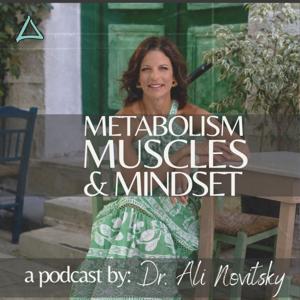


In this episode, Dr. Ali Novitsky, triple-boarded physician, Master Coach, and founder of The FIT Collective, continues her deep exploration of stress — this time focusing on how different stress types influence relationships, team dynamics, and emotional regulation.
Dr. Ali revisits the origins of her company, MindBodyMarriage, as she lays the groundwork for a series on how stress types interact in pairs, families, and professional teams.
Key Points Discussed:
1. Why Stress Types Matter in Relationships
Dr. Ali explains that interactions between stress types can be complex and deeply influential. By understanding:
What each type does when stressed, and
What each type contributes when regulated,
We can accurately predict team behavior, decrease conflict, and strengthen relationships. This awareness becomes essential when multiple people—and multiple stress types—interact at once
2. A Review of The Six Stress Types:
Assertive – Stressed: takes over; Regulated: decisive leader.
Isolation – Stressed: avoids vulnerability; Regulated: productive, independent.
Control – Stressed: rigid, inflexible; Regulated: organized, structured.
Validation – Stressed: seeks reassurance; Regulated: creates harmony.
Impulsivity – Stressed: reacts quickly; Regulated: creative, executes well.
Catastrophizing – Stressed: fears worst-case; Regulated: strong problem-solver.
3. Real-Life Application: Team Dynamics
Dr. Ali illustrates a medical code scenario with two possible outcomes:
Dysregulated Team
Assertive type takes over abruptly
Isolation type withdraws
Control type panics over broken expectations
Validation type doubts themselves
Impulsive type fires off ideas without follow-through
Catastrophizing type spirals into worst-case thinking
The team technically achieves the outcome—but experiences burnout, fear, and dysfunction.
Regulated Team
Assertive type leads with clarity
Isolation type stays focused and productive
Control type keeps structure
Validation type creates calm
Impulsive type supports with creativity
Catastrophizing type anticipates needs and supports problem solving
Same patient outcome—entirely different team experience.
Dr. Ali emphasizes that true success includes psychological safety, teamwork, and emotional regulation.
3. The “Leaky Valve” Analogy
Dr. Ali introduces the concept of a leaky emotional valve:
When we are chronically dysregulated, stress “leaks” into every system in our lives—relationships, work, communication, and health. Regulation closes the valve, making all downstream healing easier.
Takeaways
Understanding your stress type increases self-awareness and compassion.
Daily regulation practice—not occasional effort—is necessary for real change.
Healthy teams are built on regulation, not perfection.
You can always choose to become the “regulated member” of your team.
Timestamps
00:00 – Introduction & why this series matters
00:27 – MindBody Marriage → The FIT Collective
00:38 – Stress & relationships: the “relationship matrix”
02:03 – Different stress scenarios in relationships and teams
02:24 – Overview of the 6 stress types
05:06 – Assertive stress type
06:11 – Isolation stress type
07:09 – Control stress type
08:51 – Impulsivity stress type
10:06 – Catastrophizing stress type
11:22 – Validation stress type
12:22 – Dysregulated team code scenario
18:29 – Regulated team code scenario
26:01 – How do we measure team success?
27:29 – Why whole-team training and daily regulation matter
28:43 – Transform 10 & the leaky valve
29:26 – Private coaching with The FIT Collective
Work with Dr. Ali
🔥 Transform® 10.0 – Enrollment is open!
🌿 Nutrition Training & Obesity Prevention - Start today.
💪 Beginner Strength Training Program – 12 months for just $199!
🧘 Total Fitness Program – A 12-month mind-body transformation
🧪 Get 15% off InBody Models (USA/Canada) – Small referral commission may apply
Podcast Episode Synopsis
Episode Title: Distress' Impact on Your Body
Host Introduction
In this episode, Dr. Ali Novitsky, expert in obesity medicine and founder of The FIT Collective, continues her series on stress—this time focusing on how stress impacts the body. Dr. Ali keeps this episode concise and reflective, encouraging listeners to pause and connect with how stress shows up physically.
Key Points Discussed
1. Physical Impacts of Stress
Joint Pains and Muscle Recovery: Dr. Ali explains that elevated cortisol during stress can delay recovery and increase joint or muscle pain.
Heightened Irritability and Tension: Stress raises irritability and muscle tightness. Dr. Ali suggests a quick body scan—especially noticing how high the shoulders are—as a simple stress check.
Perimenopause and Stress: Stress can amplify perimenopausal symptoms such as night sweats and hot flashes. Dr. Ali references research showing that gentle, low-impact exercise (like walking or stretching) can lessen these effects.
Immunity and Hormones: Chronic stress impacts immune function through cortisol and insulin dysregulation. High insulin promotes water retention and inflammation, increasing risk for long-term conditions such as heart disease and cancer.
2. Personal Reflection and Daily Practice
Dr. Ali invites listeners to notice the specific ways stress manifests in their own bodies. She shares that for her, stress often looks like:
Speaking rapidly
Poor sleep
Emotional eating
Digestive issues
Headaches or muscle soreness
She encourages creating a daily “body check-in” practice—noticing tension, breath, and posture throughout the day. Awareness is the first step to release.
3. Self-Compassion Over Criticism
Dr. Ali emphasizes that judgment and self-criticism amplify stress, while self-compassion lowers it. She reminds listeners that it’s normal to feel stressed and that progress, not perfection, is the goal. Replacing inner criticism with phrases like “I’m doing my best right now” supports both emotional and physical resilience.
4. Actionable Steps
Dr. Ali closes with three takeaways listeners can begin today:
Acknowledge Stress: Recognize how stress physically shows up in your body—fatigue, muscle tension, or irritability.
Daily Check-In: Build a brief daily practice to notice posture, breath, or areas of tightness.
Self-Compassion Plan: Practice kindness toward yourself—affirm that stress is a human experience and that rest and recovery are productive.
Conclusion
Dr. Ali concludes by reminding listeners that acknowledging stress is the first step in managing it. The body keeps the score, but with awareness, movement, rest, and self-compassion, we can heal and thrive. She encourages listeners to be gentle with themselves and to prioritize recovery just as much as performance.
Timestamps
00:00:06 – Introduction & Overview
00:01:10 – Physical Impact of Stress
00:01:20 – Joint Pain & Delayed Recovery
00:02:13 – Perimenopause & Stress
00:02:24 – Exercise & Menopause Symptoms
00:03:17 – Immunity & Hormones
00:03:38 – Cortisol and Insulin
00:04:21 – Inflammation & Water Retention
00:05:03 – GLP-1 and Heart Health
00:05:14 – Body Carries Stress
00:05:24 – Personal Stress Symptoms
00:06:09 – Daily Body Check-In
00:06:31 – Exercise as Emotional Regulator
00:06:53 – Personal Experience with Stress
00:07:45 – Managing Stress Strategies
00:08:07 – Daily Awareness Practice
00:09:20 – Rest, Nutrition, Activity
00:09:41 – Self-Compassion Practice
00:11:06 – Movement & Stress Relief
00:12:11 – Transform Program & Stress Quiz
Work with Dr. Ali
🔥 Transform® 10.0 – Enrollment is open!
🌿 Nutrition Training & Obesity Prevention - Start today.
💪 Beginner Strength Training Program – 12 months for just $199!
🧘 Total Fitness Program – A 12-month mind-body transformation
🧪 Get 15% off InBody Models (USA/Canada) – Small referral commission may apply
🧠 Episode Summary
In this solo episode, Dr. Ali Novitsky continues her transformative Stress Series by breaking down how stress hijacks your thoughts — and what to do when it happens.
When your stress level hits a 7 or higher, your brain gets hijacked: the amygdala (fear center) takes over, and the prefrontal cortex (rational thinking) gets shut down. The result? You spiral into distorted thought patterns that feel real but aren’t rooted in truth.
Ali explains the top thought distortions — like catastrophizing, personalization, and all-or-none thinking — and shows how they often align with your dominant stress type. Once you learn how to identify these patterns, you can regulate your stress, pause, and choose a new, more grounded response.
This episode offers a practical, compassionate framework for understanding your stress response and building emotional resilience.
🔍 What You’ll Learn
What happens in your brain during a “mental hijack”
The most common thought distortions under stress
How thought patterns connect to your dominant stress type
Why we catastrophize, personalize, or spiral when we’re overwhelmed
How to regulate your nervous system before trying to “fix” your thoughts
Real-life examples of how Ali applies this work in daily life and coaching
💡 Thought Distortions & Stress Type Pairings
Validation Type → Personalization: “It must be my fault.”
Impulsivity Type → Jumping to Conclusions: “I have to fix it now.”
Assertive Type → All-or-None Thinking: “If I don’t do it perfectly, I’ve failed.”
Control Type → All-or-None Thinking + Should Statements: “I should have done more.”
Isolation Type → Should Statements + Self-Blame: “It’s all on me.”
Catastrophizing Type → Catastrophizing: “The worst is definitely going to happen.”
Ali emphasizes that any person can experience any of these distortions under pressure—but your dominant stress type tends to shape your most common response.
🛠️ Tools to Disrupt the Spiral
Pause & Regulate before solving: Your best thoughts come when you’re calm.
Distraction for acute stress (7–10 on the scale): Functional first aid for your mind.
Cognitive Reframes once regulated:
Personalization → “What if it’s not about me?”
Impulsivity → “What if there’s another option?”
All-or-None → “Some is better than none.”
Should Statements → “I could have…”
Catastrophizing → “What’s possible vs. what’s probable?”
📌 Take the Free Stress Type Quiz
Find out your dominant stress type and start regulating more effectively today.
🎯 https://www.dralinovitsky.com
🌟 Now Enrolling: Transform 10.0
Ali’s signature coaching program is back with a renewed focus on nervous system regulation, whole-person health, mindset, and metabolic strength.
✨ Join the January cohort: https://www.dralinovitsky.com/transform
⏱️ Timestamps
00:00:00 - Introduction to the Stress Series
00:00:27 - Taking the Stress Test
00:01:10 - Understanding Stress and Thought Distortions
00:02:24 - Recognizing Thought Hijacking
00:03:31 - Common Thought Distortions
00:05:08 - All or None Thinking
00:06:34 - Validation and Personalization
00:10:20 - Impulsivity and Jumping to Conclusions
00:12:07 - Assertive Stress Type and Control
00:15:30 - Should Statements and Isolation
00:18:44 - Catastrophizing and Its Implications
00:20:53 - Review of Stress Types and Thought Distortions
00:21:57 - Strategies for Regulating Thoughts
00:23:22 - Transform 10.0 and Stress Management
00:24:17 - Conclusion and Resources
Work with Dr. Ali
💪 Beginner Strength Training Program – 12 months for just $199!
Episode Title: Developing Resilience in High-Pressure Situations
Summary
Welcome back to the Metabolism, Muscles, & Mindset Podcast with Dr. Ali Novitsky, board-certified obesity medicine physician and expert in stress, strength, and self-regulation.
In this episode of the Stress Series, Dr. Novitsky explores how to build true resilience — not in serene environments, but in the moments that truly test us. Whether you're navigating life-or-death emergencies or emotionally charged situations, this conversation reveals how to stay centered and in control, even when your nervous system wants to panic.
Using a powerful varicose vein metaphor, she explains how chronic stress is like a “leaky valve” — unless you address the root cause (emotional dysregulation), surface-level fixes like better habits won’t stick. The solution? A simple pause.
Dr. Novitsky teaches how a 2–3 second pause in the heat of stress can stop the brain’s “hijack” and activate the prefrontal cortex: our reasoning center. She breaks down three stress scenarios and guides listeners toward the third, most empowering one: awareness, presence, and intentional breath.
Drawing from cognitive behavioral therapy (CBT) and dialectical behavioral therapy (DBT), Dr. Novitsky offers a toolkit for regulating emotions, accessing your “wise brain,” and debriefing after stressful moments to rewire your response. Whether in medicine, sports, family dynamics, or everyday life, this episode shows how resilience can be learned — and why it's the key to long-term transformation.
Key Points
• Beyond the Spa: Real resilience is built in chaos, not calm.
• The Leaky Valve Analogy: Fix emotional dysregulation at the root for lasting stress relief.
• Stress Is Automatic: The fight-or-flight response can’t be stopped—but it can be reshaped.
• The Power of the Pause: A brief, intentional check-in prevents spiraling and restores clarity.
• Three Stress Scenarios:
1. Hijacked and unaware.
2. Aware but suppressing.
3. Aware and present—the goal.
• Tools from CBT & DBT: Learn to regulate emotions and access clear, productive thinking.
• Debrief to Rewire: Reflecting after stress creates new mental pathways for resilience.
• Lifelong Practice: Emotional regulation isn’t a finish line—it’s a daily skill worth mastering.
Take the DistressRx Assessment HERE!
Timestamps
• 00:02 – Intro: Managing real-world stress
• 02:10 – The “leaky valve” analogy for chronic stress
• 04:00 – Understanding the HPA axis and stress physiology
• 05:40 – Prefrontal cortex hijacking: why we spiral
• 07:10 – The pause as a regulation tool
• 09:30 – Scenario breakdown: hijack, suppression, or presence
• 11:50 – Staying calm in acute stress (e.g., medical emergencies)
• 13:40 – Building confidence by staying grounded
• 15:00 – Personal story: trauma and resilience in college athletics
• 18:20 – CBT vs. DBT: how emotions shape thoughts
• 21:40 – Tools for distress tolerance and “wise mind”
• 24:40 – Personal debriefs: your secret weapon for growth
• 27:40 – Real-life triggers and emotional awareness
• 30:10 – Transform 10: a year-long stress mastery program
Follow Dr. Ali Novitsky on TikTok | Facebook | Instagram | YouTube
Subscribe to the Metabolism, Muscles, and Mindset Podcast on Spotify | Apple Podcasts
Work with Dr. Ali
💪 Beginner Strength Training Program – 12 months for just $199!
Episode Summary:
In this episode, Dr. Ali Novitsky, MD, your favorite obesity medicine doctor & fitness guru, continues her exploration of stress management, building on insights from previous episodes. She recaps the physiology of stress and the six identified stress types: Assertive, Control, Validation, Isolation, Catastrophizing, and Impulsivity. Understanding one’s stress type is emphasized as crucial, since it allows individuals to tailor their approach to managing stress more effectively.
Dr. Novitsky introduces a powerful tool: “Name It to Tame It.” By identifying and naming emotions, people can significantly reduce their intensity and regain control over stress levels. She shares a story about a child’s first day at a new school, illustrating how naming feelings of anxiety helped her manage emotions more effectively.
The discussion highlights the importance of noticing where emotions are felt in the body and how describing these sensations can be as effective as naming them. Dr. Novitsky encourages listeners to take 90 seconds to sit with their emotions, breathe, and practice mindfulness as a way to regulate emotional responses.
Breathwork is presented as a simple yet powerful strategy for emotional regulation, and Dr. Novitsky encourages the audience to integrate this practice. As the episode concludes, listeners are reminded to take the stress type test linked in the show notes, which will be helpful for the ongoing series. She also announces the upcoming Transform 10 program — focused on emotional regulation and stress management, beginning in January.
Dr. Ali invites everyone to continue exploring these vital topics together and to discover ways to transform stress into a superpower.
Time Stamps:
00:00:00 - Introduction to Stress Management
An overview of the podcast series on stress, including previous episodes and the importance of understanding stress types.
00:01:11 - The Six Stress Types
Discussion of the six identified stress types: Assertive, Control, Validation, Isolation, Catastrophizing, and Impulsivity.
00:02:05 - Stress as a Health Priority
The significance of stress management and its acceptance compared to physical health issues.
00:03:19 - Name It to Tame It
Introduction of the tool for emotional awareness and regulation, emphasizing the importance of naming emotions.
00:04:11 - Real-Life Application: A Personal Story
A personal anecdote about the host's daughter experiencing anxiety on her first day at a new school.
00:06:00 - The Power of Naming Emotions
Explaining how identifying emotions can reduce their intensity and help in managing stress.
00:08:07 - Describing Physical Sensations
The importance of recognizing and describing physical sensations associated with emotions.
00:10:05 - Emotional Processing and Family Dynamics
Insights into family discussions about emotions and the role of shared experiences in emotional regulation.
00:12:05 - The 90-Second Rule
Explaining the significance of the 90-second timeframe for processing emotions and the role of breathwork.
00:13:43 - Breathwork Techniques
Introduction to breathwork as a tool for emotional regulation and its accessibility in various situations.
00:15:10 - Engaging in Fun Breathing Exercises
A light-hearted approach to practicing breathwork with family to enhance emotional regulation.
00:17:39 - The Superpower of Emotional Awareness
Encouragement to embrace emotional awareness and the benefits of understanding one's feelings.
00:18:31 - Upcoming Programs and Resources
Information about the Transform 10 program and the importance of enrolling for further support in stress management.
Work with Dr. Ali
💪 Beginner Strength Training Program – 12 months for just $199!
🧘 Total Fitness Program – A 12-month mind-body transformation
🧪 Get 15% off InBody Models (USA/Canada) – Small referral commission may apply
Episode Summary
Dr. Ali Novitsky, MD—physician, obesity medicine specialist, and strength-focused coach—dives into six dominant stress types and how spotting yours helps you regulate at the source. Drawing on years of coaching high-achieving women (especially physicians), Ali explains why addressing root stress beats symptom management, how to get “out of your head and into your body,” and what practical resets look like in real life. Expect clear examples, quick-start tools, and a compassionate, muscle-first approach to sustainable health.
The Six Ditress Types (Quick Guide)
Impulsivity — Acts fast to end discomfort; struggles to pause, risking burnout. *Try:* micro-pauses, urge surfing, 60–90s delay before action.
Validation — Seeks external approval; second-guesses self. *Try:* self-validation scripts, “good-enough” reps, boundary micro-steps.
Catastrophizing — Jumps to worst-case; superb risk-spotter but anxious. *Try:* evidence checks, bounded “worry windows,” solution sprints.
Isolation — Pulls inward to avoid vulnerability; reliable yet guarded. *Try:* one safe share/day, grounding in the body, scheduled reconnects.
Control — Tightens rules and plans; rigid when life shifts. *Try:* 90% plan experiments, two-option flexibility drills.
Assertive — “Fix it now” mode; can read as aggressive. *Try:* wait–observe–act protocols, clarifying questions first.
Why This Matters
* Early regulation > downstream damage. Catch your pattern before it drives overeating, overworking, people-pleasing, or doom planning.
* Not your personality. A stress type is a *trainable* response, not your identity.
* Better teams & relationships. Shared language around stress patterns creates harmony and effectiveness.
Ali’s Approach
* Root-first: regulate stress before chasing outcomes.
* Muscle-first: prioritize strength for longevity, energy, and metabolic health (especially 35+).
* Personalized: plans that honor genetics, life stage, and mindset—sometimes the work is muscle-building, sometimes body acceptance, sometimes gentle resets.
Key Takeaways
* Name your dominant type and two “early tells.”
* Pair each tell with a tiny, body-based reset.
* Progress is seasonal: adapt goals without judgment.
* Community and safe coaching make change stick.
Timestamps
00:00 - What “stress types” are and why start here
00:00:49 - Targeting root stress vs. symptom management
00:01:20 - Regulate upfront to prevent reactive habits
00:01:52 - Stress Type Quiz
00:02:14 - Chronic stress and behavior/health
00:02:35 - Regulated vs. chronic stress
00:02:45 -How these six types emerged from real-world coaching
00:03:39 - The TRANSFORM concept: body-first regulation
00:04:21 - Patterns among high-achieving women
00:06:10 -Catastrophizing vs. Numbness
00:06:42 - Dominant vs. secondary patterns
00:07:04 - Using your type in daily life
00:07:35 - Using types to improve relationships/teams
00:08:20 -Types ≠ personality labels
00:09:02 - Control (expectations & flexibility)
00:13:01 - Impulsivity (build the pause muscle)
00:15:09 - Validation (approve from within)
00:19:09 - Catastrophizing (turn it into problem-solving)
00:21:10 - Isolation (safe vulnerability)
00:26:01 - Assertive (act without reactivity)
00:30:08 - Recap of all six types + first steps
00:31:04 - Common triggers by type & targeted resets
00:32:18 - TRANSFORM 10.0 overview
00:33:00 - What’s next: research, tools, and support
Work with Dr. Ali
💪 Beginner Strength Training Program – 12 months for just $199!
🔥 Transform® 10.0 – Enrollment is open! Early Bird Pricing Until October 1 - bonus content available now
🧘 Total Fitness Program – A 12-month mind-body transformation
🧪 Get 15% off InBody Models (USA/Canada) – Small referral commission may apply
Metabolism, Muscles, & Mindset Podcast with Dr. Ali Novitsky, MD
Stress Types & Relationships Series
Episode 01: Understanding Stress as a Signal, Not a Failure
Welcome to a brand-new season of Metabolism, Muscles, & Mindset! After a revitalizing summer spent in Japan and Portugal, Dr. Ali Novitsky, board-certified obesity medicine physician and strength expert, kicks off a powerful 12-part series on stress — what it really is, how it shows up in the body, and why it’s not a personal failing.
In this episode, Dr. Novitsky reframes stress as a physiological signal, not a flaw. You’ll learn the science behind the HPA axis, the real impact of chronic cortisol, and how simple practices like breathwork, strength training, and time in nature can help you regulate and thrive. Plus, she teases a free stress-type quiz coming in the next episode to help you personalize your approach.
🧠 Key Points Covered
• Stress Is Information
Stress is not the enemy — it’s a body signal that communicates where you are and what you need. Learn to identify where you carry it and how it manifests uniquely for you.
• HPA Axis 101
Understand how the hypothalamic-pituitary-adrenal (HPA) axis influences your hormones — especially cortisol — and how it affects your blood pressure, blood sugar, mood, memory, and focus.
• Chronic Load, Real Costs
Prolonged stress can lead to insulin resistance, hypertension, and cognitive decline. But early regulation and nervous system care can change your health trajectory.
• Regulation Beats Willpower
Trying to “push through” stress often backfires. Instead, learn how to soothe your nervous system so your habits can actually stick.
• Go-To Tools for Daily Recovery
Simple but powerful tools like diaphragmatic breathing, mindfulness, strength training, and being in nature restore your baseline and build resilience.
• Perimenopause & Stress
Hormonal shifts can amplify your stress response. Prioritize muscle, protein, recovery, and self-compassion during this phase.
Take the Quiz Now and discover your unique stress type and match targeted tools to your patterns!
⏱️ Timestamps
00:00:00 – Introduction and summer recap (Japan, Portugal)
00:00:43 – Announcing the 12-episode stress series
00:01:14 – Boundless Life cohort experience
00:02:29 – From stress workshop to episode roadmap
00:03:11 – Research base & screening tool overview
00:03:42 – Understanding the HPA axis
00:04:46 – Reframing stress as feedback
00:05:07 – Stress scale and arousal zones
00:06:12 – Befriending stress signals
00:06:55 – Why proactive stress care protects health
00:07:27 – Regulation vs. willpower
00:08:10 – “Spa” analogy for nervous system downshifting
00:09:02 – How stress disrupts sleep, nutrition, and training
00:10:07 – Physiology deep dive continued
00:11:00 – HPA mechanics in daily life
00:12:06 – Health consequences of chronic cortisol
00:13:01 – Chronic stress & insulin resistance
00:14:05 – Cardiovascular and cognitive effects
00:16:02 – Stress in perimenopause
00:16:45 – Tools: breath, mindfulness, strength, nature
00:17:28 – Portugal routines: morning workouts outdoors
00:18:09 – Recognizing rising stress and intervening early
00:19:02 – Additive stressors & compassionate audits
00:19:25 – Befriending stress to reclaim agency
00:20:08 – Personal daily regulation strategies
00:21:11 – Consistency beats intensity
00:21:53 – Intro to six distress types
00:22:25 – Quiz announcement for next episode
00:22:47 – Closing and teaser for Part 2
📲 Follow Dr. Ali Novitsky
TikTok | Instagram | Facebook | YouTube
💼 Work with Dr. Ali
💪 Beginner Strength Training Program – 12 months for just $199!
🔥 Transform® 10.0 – Enrollment is open! Early Bird Pricing Until October 1 - bonus content available now
🧘 Total Fitness Program – A 12-month mind-body transformation
🧪 Get 15% off InBody Models (USA/Canada) – Small referral commission may apply
Episode Summary: The Invisible Weight of Emotional Exhaustion and Burnout
In this week’s episode, Dr. Ali Novitsky explores the profound impact of emotional exhaustion on both mental and physical health. Emotional stress, often overlooked, can lead to elevated cortisol levels, inflammation, and hindered weight loss. Despite these effects, many hesitate to take time off for emotional well-being.
Emotional Stress & Physical Health
Dr. Novitsky details how emotional stress triggers physiological changes — such as fluid retention and inflammation — that directly affect health outcomes. Elevated cortisol from stress is particularly impactful on metabolism and weight regulation.
Research on Emotional Stress Responses
Dr. Novitsky introduces her current research involving 150 women in the Transform program. The study categorizes emotional stress types and applies targeted interventions to help participants better manage their emotional responses and reduce burnout.
The High Achiever Trap
High achievers often overextend themselves by prioritizing others. Dr. Novitsky shares personal stories of being caught in this cycle — over-delivering and sacrificing mental health. She emphasizes the critical need for boundaries to avoid emotional inflammation and burnout.
Boundaries as Emotional Protection
Setting boundaries is essential for mental health. Dr. Novitsky explains how saying “no,” even when it’s difficult, can protect emotional space and prevent burnout. She encourages listeners to assess where they need to draw lines — with others and themselves.
Mental & Emotional Inflammation
Fast-paced thinking and chronic stress often result in what Dr. Novitsky calls “mental inflammation.” She discusses how emotions drive thoughts, leading to restlessness and burnout. Creating mental boundaries helps slow this cycle.
Practical Strategies
Listeners are urged to take an “inventory” of their emotional health and boundaries. Tools include:
Identifying areas of emotional flooding
Setting personal boundaries
Reducing commitments that cause strain
Recognizing when the dopamine hit of “yes” becomes harmful
Programs & Resources
Dr. Novitsky highlights several FIT Collective offerings:
Transform Program (72 CME credits, enrolling now for a January start)
CME Nutrition Training Program
Genetics Series
Beginner Strength and Total Fitness programs
More information is available at thefitcollective.com.
Closing Message
Dr. Novitsky looks forward to sharing upcoming workshop data on emotional stress types and encourages listeners to prioritize emotional self-care. Protecting your space, she says, is not selfish — it’s essential.
Timestamps
00:00:10–00:00:31: Intro + Emotional Exhaustion
00:00:31–00:01:24: Stress Impact + Cortisol
00:01:24–00:02:17: Emotional Stress Response + Research
00:02:17–00:03:30: Stress Types + Transform Program
00:03:30–00:04:23: Emotional Focus + Dysregulation
00:04:24–00:05:17: Burnout Causes + High Achiever Mode
00:05:17–00:06:54: Boundaries + Over-Functioning
00:06:54–00:08:23: Saying No + Family Priorities
00:08:23–00:10:22: Boundary Struggles + Emotional Health
00:10:22–00:11:26: Cortisol, Inflammation + Genetics
00:11:26–00:13:03: Mental Burnout + Fast Mode
00:13:03–00:14:28: Emotional Boundaries + Protection
00:14:28–00:15:52: Self-Boundaries + Preventing Burnout
00:15:52–00:18:07: Research, Programs + Conclusion
🎯 Ready to Personalize Your Health?
Work with Dr. Ali
• Beginner Strength Training Program – 12 months for only $199! Enroll TODAY
• Total Fitness Program – A 12-month mind-body experience. Enroll HERE
• The Fit Collective® x InBody USA/Canada – Get 15% off select models. Click HERE
Dr. Novitsky’s message is clear:
“It’s never too late to start strength training."
Whether you’re in your 30s or 70s, building muscle and improving strength is one of the best things you can do for your body and mind.
In this inspiring episode, obesity medicine expert, Ali Novitsky, MD, dives deep into the transformative power of strength training, especially its profound benefits for anti-aging, longevity, and overall health.
With a special focus on individuals aged 70 and older, Dr. Novitsky shares why now is the perfect time to begin — or restart — your strength journey, no matter your age or fitness level.
💪 Strength Training for Every Age
Dr. Novitsky introduces a comprehensive strength training program. Launched on June 17, 2024, this program is tailored for beginners and older adults, offering:
52 weeks of unique strength workouts
Just 10 minutes, 3 times a week
Three fitness levels – with no repeated workouts
Accessible to all, regardless of experience or equipment
Her excitement is palpable as she celebrates the increasing participation of those over 70 in this program — a powerful sign of shifting mindsets around aging and wellness.
🔑 Key Benefits of Strength Training
🧠 Brain & Mood:
Boosts BDNF (brain-derived neurotrophic factor) and endorphins for better memory, focus, and mental well-being.
💪 Muscle Preservation:
Muscle mass naturally declines ~1% per year after age 30. Resistance training can preserve and rebuild this critical tissue.
🦴 Bone Density:
Increases bone strength and reduces the risk of fractures and osteoporosis, vital for aging well and staying mobile.
🦵 Joint Health:
Improves joint lubrication and reduces risks of tendonitis and other injuries by strengthening the muscles that support joints.
🩸 Hormonal Balance:
Improves insulin sensitivity, regulates blood sugar, and positively influences hormones like cortisol, ghrelin, leptin, testosterone, and growth hormone.
⏳ Longevity & Independence:
Regular strength training can extend lifespan and health span, allowing people to live longer with a higher quality of life — and with greater independence as they age.
🧭 Practical Tips for Getting Started
Dr. Novitsky emphasizes starting small:
Try 10-minute workouts 3x/week
Or one 30-minute session to begin
The goal? Build consistency, not perfection
Even brief but consistent strength training routines can dramatically shift your trajectory toward better health and vitality.
🧰 Program Options & Resources
Looking to begin or advance your training? Explore these offerings:
Beginner Strength Training Program – For those just getting started, with no equipment or prior experience.
Total Fitness Program – For intermediate and advanced individuals, with 20–30 minute workouts.
Transform Coaching Program – Comprehensive lifestyle coaching, including fitness and nutrition guidance. Earn 72 CME credits.
👉 Visit thefitcollective.com and click “Programs” to learn more.
Stay tuned for future episodes packed with expert insights, real-life success stories, and actionable health strategies.
Timestamps:
00:00 – Introduction & program excitement
00:31 – Program launch overview
01:14 – 52 unique workouts & no repeats
03:00 – Beginner encouragement
04:04 – Muscle mass loss with age
06:23 – Bone density benefits
07:27 – Joint health improvements
08:19 – Mental health & BDNF
09:22 – Hormonal effects of training
14:41 – Strength training & longevity
15:57 – How to get started
16:38 – Explore more programs
17:01 – Final thoughts & encouragement
🎯 Ready to Personalize Your Health?
Work with Dr. Ali
• Beginner Strength Training Program – 12 months for only $199! Enroll TODAY
• Total Fitness Program – A 12-month mind-body experience. Enroll HERE
• The Fit Collective® x InBody USA/Canada – Get 15% off select models. Click HERE
🎙️ The BMI Paradox: A Deep Dive into Body Composition and Health
Hosted by Dr. Ali Novitsky, MD – Obesity Medicine Expert and Fitness Guru
Is BMI really the best measure of health? In this thought-provoking episode, Dr. Ali Novitsky takes us beyond the scale and into the science of body composition. Sharing her personal story and medical expertise, she unpacks the BMI Paradox—why a “normal” BMI doesn’t always mean healthy, and why being labeled “overweight” might not be as bad as it sounds.
👩⚕️ Ali’s Personal BMI Story:
Growing up, Dr. Ali was always “bigger” than her peers. She opens up about the emotional impact of BMI labels and how her perspective evolved as a physician and fitness expert.
🧬 Genetics & Body Type:
Ali shares how her parents’ body types (meso-endo and mesomorph) shaped her view of health. Their longevity and mindful habits inspired her holistic approach to wellness.
📉 Debunking the BMI Myth:
Although BMI is still required for medication approvals, Dr. Novitsky explains why the Obesity Medicine community is shifting away from using it as a sole health indicator. Her previous podcast began this discussion—today, she deepens it.
👭 Meet Samantha and Suzanne:
Two fictional patients help illustrate the paradox:
Samantha: BMI 23 (normal), but 38% body fat = normal weight obesity.
Suzanne: BMI 28 (overweight), but high muscle mass and low body fat = metabolically healthy.
⚠️ Normal BMI Isn’t Always “Healthy”:
Samantha’s body fat puts her at higher risk for metabolic issues despite her “healthy” BMI. Suzanne, although labeled overweight, has a body composition that protects her from many of the same risks.
💪 The Power of Muscle Mass:
Muscle isn’t just for looks—it improves insulin sensitivity, supports metabolic function, and, in Ali’s case, helped manage her PCOS.
🧠 Individualized Treatment Plans:
Using motivational interviewing, body composition analysis, and targeted nutrition, Ali explains how she’d approach care for both patients:
Samantha: Build muscle, reduce body fat through nutrition, possibly consider medication.
Suzanne: Maintain muscle, refine nutrition to support long-term fat loss goals.
🧰 Practical Tips for Listeners:
Dr. Ali shares real-life action steps:
Strength training
Nutrient-dense eating
Regular follow-ups
Exploring support tools like GLP-1s or metformin when needed
✨ Final Thoughts:
Your health is more than a number on a chart. Dr. Novitsky encourages listeners to challenge outdated measures, focus on what’s really going on inside, and embrace individualized health strategies.
🎧 Whether you’re like Samantha, Suzanne, or somewhere in between—this episode will inspire you to reframe how you view your body, your health, and your goals.
🧬 Explore Our Programs:
Beginner Strength Training (12 months for $199!) – Enroll Today »
Total Fitness Program – 12-Month Mind-Body Experience – Join Here »
The Fit Collective® x InBody USA/Canada – 15% Off – Get Offer »
⏱️ Episode Timestamps:
00:00 – Intro & Ali’s Personal Story
01:56 – Family Genetics & Body Types
02:59 – BMI in Obesity Medicine Today
03:20 – Samantha’s Case: Normal Weight Obesity
05:58 – Suzanne’s Case: Healthy at Higher BMI
09:12 – Individualized Treatment Strategies
15:09 – Lifestyle Interventions
19:47 – Muscle Mass in Women
21:14 – Final Thoughts & Program Invitations
👉 🔔 Never miss an episode! Click here to follow us on Spotify »
#TheFitCollective #BodyComposition #BMIParadox #WomenInMedicine #MuscleMatters #HealthBeyondBMI #DrAliNovitsky #ObesityMedicine
From the publisher's feed

43,325 Listeners

2,444 Listeners
7,479 Listeners

1,425 Listeners

7,949 Listeners
8,116 Listeners

29,185 Listeners

41,379 Listeners
414 Listeners

19,148 Listeners
268 Listeners

1,189 Listeners
365 Listeners

166 Listeners
174 Listeners