
Sign up to save your podcasts
Or

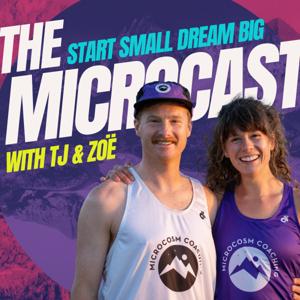


In this conversation, Zoe and Coach TJ discuss their recent vacation, the challenges of balancing training with leisure, and the importance of periodization in athletic training. They reflect on their experiences running in rural Portugal, the significance of leisure time, and the nuances of using data in training. The discussion also delves into different training methodologies, particularly block and mixed periodization, and how they apply to various athletes' needs. In this conversation, Zoe discusses the complexities of training for athletes, emphasizing the importance of balancing intensity and volume, understanding periodization, and the significance of nutrition tailored to individual needs. She highlights the role of TrainingPeaks in data-driven coaching while cautioning against over-reliance on metrics, advocating for a focus on how athletes feel during their training. The discussion also covers carbohydrate intake strategies and the importance of experimenting with nutrition to find what works best for each athlete.
Chapters
00:00 Halloween Candy and Running Vacations
03:32 Reflections on Vacationing and Training
10:09 Navigating Running on Vacation
19:15 Exploring Periodization in Training
30:34 Balancing Training Intensity and Volume
32:54 Understanding Periodization in Training
33:46 Choosing the Right Nutrition for Athletes
36:50 The Importance of Carbohydrate Ratios
40:34 Utilizing TrainingPeaks for Data-Driven Coaching
50:31 Understanding Training Stress Scores and Readiness
We're diving into the archives for this fun episode of the MicroCast! Coach Zoë Rom and Coach TJ David break down their favorite workouts, and why - and dive into the science behind why certain stimuli work to develop different energy systems for runners.
The Bad Ideas Draft! Hosted by coaches TJ David, Zoë Rom and special guest coach Sean Van Horn.
From Low Carb High Fat Diets to Hot Ham & Cheese Sandwiches to 100 Mile Weeks and Run Streaks. We can't into the worst we've seen in training, coaching and living athletic lives over the past decade.
Going snake style, our coaches go through five categories of "bad ideas" in the endurance space for over a decade. Then the team provides color commentary on each idea and at the ends votes for the coach with the best "bad ideas."
Five Categories:
Microcosm-Coaching.com or [email protected]
In this conversation, Zoe and Coach TJ explore various aspects of running training, including the concept of the off season, the role of music while running, hydration strategies, family dynamics in race day support, and insights from Reddit questions. They delve into the science behind running surfaces and injury risk, discuss the importance of running cadence, and navigate the post-race transition season. The conversation concludes with advice on setting goals for the next season, emphasizing the importance of understanding one's motivations and maintaining a balanced approach to training.
00:00 What's an off-season?
07:20 Hot or Not: Music While Running
11:54H hydration Strategies: Bladders vs. Flasks
14:58 Should your family Crew you at an ultra?
17:13 How long do training adaptations take?
33:38 Do soft running surfaces actually reduce injury risk?
41:31 What's the "best" running cadence? How can you improve your running cadence?
50:00 Navigating Post-Race Transition Season
01:01:08 Setting Goals for the Next Season
In this episode, Zoe and Coach TJ discuss their experiences at the Run Rabbit Run 100, the importance of community in athletics, and delve into various topics including nutrition, the impact of fatigue on training, and the role of perfectionism in performance. They also explore the science behind the menstrual cycle and its implications for training, emphasizing the need for open conversations about athletes' experiences and the importance of evidence-based coaching.
00:00 Introduction and Plant-Based Living
02:48 Run Rabbit Run 100 Experience
05:54 The Importance of Community in Athletics
09:02 Hot or Not: Changing Clothes During an Ultra
11:51 UCAN's Effed Up Marketing
15:07 Live Streaming Races: A New Perspective
17:57 Understanding Fatigue: Productive vs. Unproductive
21:01 Perfectionism in Training and Performance
24:12 The Science of the Menstrual Cycle and Training
This week, we're sharing a special collaboration with our good buddy Jonathan Levitt at For the Long Run before we're back in your feeds with a brand new EP later this week. Coach Zoë breaks down her training and approach for Leadville, comedy, and so much more.
Give Jon a listen and a follow here:
For The Long Run
And follow him on Instagram here!
And be sure to check out Zoë's new podcast:
Your Diet Sucks
In this podcast episode, Coach TJ and Zoe discuss various topics related to training and recovery for athletes. They answer questions from listeners, talk about transitioning from training by heart rate to incorporating RPE-based training, and discuss the importance of setting goals and embracing periods without big goals. They also provide insights on recovery from races and how to listen to your body's signals. The episode emphasizes the importance of using a combination of tools, such as heart rate and RPE, to have a well-rounded understanding of your fitness and effort levels. In this part of the conversation, Zoe discusses the use of heart rate training as a complementary method to RPE (Rate of Perceived Exertion) training. She emphasizes the importance of using heart rate to understand how the body is responding to training and how it aligns with perceived effort. Zoe also talks about the significance of setting short and long-term goals and the struggle athletes face when they don't have a specific goal on the calendar. She encourages athletes to focus on their individual motivations and values, and to find joy in running without always working towards a specific goal. Finally, Zoe shares her criteria for selecting an A-race, which includes deeply wanting the goal, feeling a sense of fear or uncertainty, choosing a logical next step, being willing to change habits or beliefs, requiring help from others, and allowing the goal to align with the life the athlete wants to live.
Coach Zoë breaks down her second-place finish at the Leadville 100.
In this conversation, Coach TJ and Zoe discuss various topics related to ultra running, including pacing for ultra distances, carb loading, running downhill, heat training, splitting runs, and race planning for the Leadville 100. They provide insights, tips, and personal experiences to help athletes navigate these aspects of training and racing. The conversation emphasizes the importance of experience, data gathering, and intentional planning to optimize performance and achieve goals. In this conversation, Zoe and TJ discuss mental preparation for a race, carb loading, and downhill running techniques. Zoe shares her strategies for staying focused and motivated during a race, including visualization and drawing on past experiences. They also discuss the importance of carb loading and provide tips for effective carb loading before a race. Finally, they delve into the challenges of downhill running and offer advice on how to improve technique and build confidence.
00:00 Introduction and Overview
02:40 Pacing for Ultra Distances08:18High Intensity Interval Training
10:10 Hill Workouts on a Treadmill
16:04 Race Planning for the Leadville 100
20:16 Approximating Pacing and Nutrition
26:19 Formulating a Race Plan
29:01 Calculating Nutrition and Hydration
31:43 Building a Race Crew
33:35 Mastering Mental Preparation
42:07 The Importance of Effective Carb Loading
51:35 Improving Downhill Running Technique
In this podcast episode, Coach TJ and Zoe discuss their favorite lessons from the Olympics, common questions from coaches, and a study on the differences between elite and non-elite trail runners. They highlight the importance of mental toughness and addressing mental health concerns in athletes, using examples from Simone Biles and Noah Lyles. They also discuss the mindset of champion athletes like Katie Ledecky, who focus on the process of improvement rather than just the outcome. In the second part of the episode, they answer frequently asked questions about stretching before running, running frequency, choosing running shoes, training volume, and rest days. In this conversation, Zoe discusses the importance of rest days for athletes, the benefits of strength training for runners, the role of cross-training in a training program, the significance of power hiking during runs, and the key factors that differentiate elite runners from amateurs. The main takeaways include the need for rest days to replenish glycogen stores and provide mental rest, the recommendation for all runners to incorporate strength training into their routine, the importance of strategic and individualized strength training programs, the benefits of low-impact cross-training activities, the value of power hiking during uphill sections, and the key factors that contribute to the success of elite runners, including training volume and biomechanical efficiency.
From the publisher's feed
1,167 Listeners

11,734 Listeners

1,340 Listeners

7,931 Listeners
779 Listeners
1,875 Listeners

28,971 Listeners
954 Listeners

291 Listeners
1,420 Listeners
163 Listeners
190 Listeners

174 Listeners

64 Listeners

157 Listeners