
Sign up to save your podcasts
Or




Based on Podcast App listening data
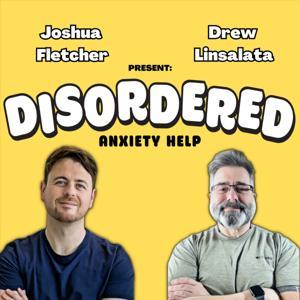
In Episode 12, we look at how to explain anxiety to a loved one. Disordered anxiety can be difficult to describe and even harder for others to understand. In this episode, I break down what anxiety actually is, how it feels from the inside, and why reassurance or logic alone often misses the point. This is an episode you can share with partners, family, or friends to help them understand what’s going on and how they can better support you.
Episode 11 looks at mental health anxiety and the common fear of going crazy, sometimes referred to as dementophobia. We explore the fear of losing your mind, or of anxiety becoming so intense that you might lose control. In this episode, I unpack where this fear comes from, why it is so common in anxiety disorders, and how the threat response and misinterpretation of sensations and thoughts keep it alive. The aim is to bring clarity and perspective to a fear that feels overwhelming but is widely misunderstood.
In this episode of The Panic Pod we look at health anxiety. It is extremely common and often driven by doubt, especially in people with obsessive and compulsive traits. Health anxiety tends to pull people into cycles of checking, researching symptoms, consulting Dr Google, seeking reassurance from AI or loved ones, and going down repeated research holes.
We unpack these compulsive behaviours and explain how they keep the threat response switched on, even when the intention is to feel safer. We also mention our book on the subject, The Disordered Guide to Health Anxiety by Disordered Press, available on Amazon.
In this episode, we talk about anxiety and intrusive thoughts, including what is often referred to as Pure O OCD. We explore why intrusive thoughts feel so distressing, why they latch onto what matters most, and how anxiety keeps them active. Drawing on my experience as a therapist and as someone who has been there, we begin to separate thoughts from threat and make sense of why the mind behaves this way under anxiety.
In this episode of The Panic Pod, I break down the anxiety symptoms that tend to scare people the most. Heart palpitations, dizziness, shortness of breath, and the strange shifts in perception often called derealization and depersonalization. I talk through why these sensations show up, why they feel so alarming, and what helped me when I went through them myself. If you experience these symptoms and want a clearer understanding of what they mean, this episode will guide you through it with practical, grounded advice.
In this episode we talk about wiring the brain so that we get the credit for anxiety passing. Distress tolerance teaches the brain that we can cope and don't need "saving". It's part of wilful tolerance - an essential skill.
This episode is for people frustrated with their anxiety and have tried everything.
In this episode of The Panic Pod we focus on agoraphobia. Agoraphobia involves a fear of leaving a space that feels safe, usually because of the worry that panic or overwhelm might strike once we are out. Safe spaces often include the home, a small travel radius, or familiar routes that feel controllable.
I talk through how this pattern develops, what maintains it, and why it affects so many people. I also draw on my own past experience with agoraphobia to show how understandable this reaction is and how it can be worked with over time.
In this episode of The Panic Pod we look at panic attacks with clarity and practical detail. I explain what a panic attack is, how it typically presents, and why the body produces such an intense surge of fear even when there is no immediate danger.
I also break down what they feel like, why the sensations can be so convincing, and what a helpful response looks like in the moment. Finally, we look at longer term steps that reduce the likelihood of future panic attacks by changing the relationship you have with the threat response.
In this episode, we explore why anxiety can seem to appear for no reason at all. We look more closely at the role of the threat response and uncover why it actually makes sense that we feel anxious. There is always a reason, even if it’s not the one we expect.
From the publisher's feed
Ranked by our users in the last 21 days

1,799 Listeners
1,436 Listeners

1,217 Listeners

829 Listeners

753 Listeners

606 Listeners

8,329 Listeners

3,611 Listeners

884 Listeners

9,146 Listeners
585 Listeners

364 Listeners
245 Listeners
427 Listeners

585 Listeners