
Sign up to save your podcasts
Or

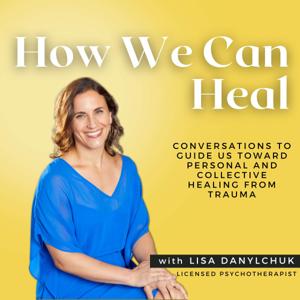

Mothers are asked to offer the critical early childhood care that shapes people and impacts communities, while systems fail to offer them the basic care they need to thrive.
We invited Dr. Kathleen Kendall-Tackett, health psychologist and IBCLC, to map the real drivers of maternal mental health and the surprisingly simple supports that change everything: responsive care, consistent follow‑through after screening, and communities designed to include mothers instead of isolating them.
We trace the chain from attachment to lifelong outcomes—why secure bonds in the first thousand days predict resilience, school success, and adult health—and why rising ACEs signal a collective failure, not individual weakness. Kathleen challenges outdated hormone‑only narratives and explains how stress systems, trauma history, and cultural fit shape postpartum depression. She shares practical shifts any hospital or community can adopt today: walking groups that blend sunlight and peers, Baby Cafés that normalize feeding and connection, and staff who can spot a painful latch and intervene before a spiral begins. We also dig into sleep: red night lights, keeping baby close, and the counterintuitive finding that exclusive breastfeeding moms often sleep more overall because resettling is faster.
For families and friends asking “how can I help?”, we lay out concrete steps: protect a lying‑in period, offer hands‑on care, screen out unhelpful voices, and create an emergency four‑hour sleep window when she’s hanging by a thread. We look squarely at high‑risk groups, especially military mothers, where depression rates soar—then expand the toolkit with options beyond medication when needed: CBT, acupuncture, omega‑3s, vitamin D. We discuss innovations like rTMS, as well as emerging research on the careful use of ketamine with severe suicidal depression. Cultural trust matters; offering choices increases access and honors lived experience. We close with resources you can use now, from community programs to free postpartum art that normalizes breastfeeding and early parenting.
If this conversation moved you, share it with someone who supports new parents, subscribe for more, and leave a quick review—your words help more families find the care and connection they deserve.
Learn more at: https://praeclaruspress.com/
Support the show
 View all episodes
 By Lisa Danylchuk
5
2222 ratings
Mothers are asked to offer the critical early childhood care that shapes people and impacts communities, while systems fail to offer them the basic care they need to thrive.
We invited Dr. Kathleen Kendall-Tackett, health psychologist and IBCLC, to map the real drivers of maternal mental health and the surprisingly simple supports that change everything: responsive care, consistent follow‑through after screening, and communities designed to include mothers instead of isolating them.
We trace the chain from attachment to lifelong outcomes—why secure bonds in the first thousand days predict resilience, school success, and adult health—and why rising ACEs signal a collective failure, not individual weakness. Kathleen challenges outdated hormone‑only narratives and explains how stress systems, trauma history, and cultural fit shape postpartum depression. She shares practical shifts any hospital or community can adopt today: walking groups that blend sunlight and peers, Baby Cafés that normalize feeding and connection, and staff who can spot a painful latch and intervene before a spiral begins. We also dig into sleep: red night lights, keeping baby close, and the counterintuitive finding that exclusive breastfeeding moms often sleep more overall because resettling is faster.
For families and friends asking “how can I help?”, we lay out concrete steps: protect a lying‑in period, offer hands‑on care, screen out unhelpful voices, and create an emergency four‑hour sleep window when she’s hanging by a thread. We look squarely at high‑risk groups, especially military mothers, where depression rates soar—then expand the toolkit with options beyond medication when needed: CBT, acupuncture, omega‑3s, vitamin D. We discuss innovations like rTMS, as well as emerging research on the careful use of ketamine with severe suicidal depression. Cultural trust matters; offering choices increases access and honors lived experience. We close with resources you can use now, from community programs to free postpartum art that normalizes breastfeeding and early parenting.
If this conversation moved you, share it with someone who supports new parents, subscribe for more, and leave a quick review—your words help more families find the care and connection they deserve.
Learn more at: https://praeclaruspress.com/
Support the show
9,538 Listeners
12,713 Listeners
2,504 Listeners

112,360 Listeners

56,503 Listeners
14,907 Listeners
470 Listeners

5,491 Listeners

41,563 Listeners

4,123 Listeners

1,592 Listeners

13,442 Listeners
331 Listeners

30 Listeners

8,602 Listeners