
Sign up to save your podcasts
Or

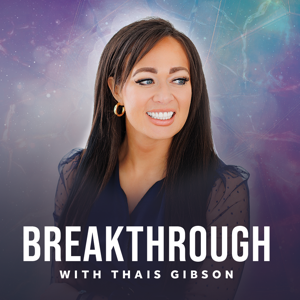
By Thais Gibson
Breakthrough with Thais Gibson is a podcast featuring live coaching and transformational conversations rooted in Integrated Attachment Theory. In each episode, Thais works directly with gu
... more

4.7
291291 ratings


The podcast currently has 748 episodes available.
The most played episodes among Podcast App listeners.
21 Tools to Hack & Rewire Your Subconscious for Good. Try the Course With a Trial to the Personal Development School. Start Here: https://attachment.personaldevelopmentschool.com/dream-life?utm_source=podcast&utm_campaign=7-day-trial&utm_medium=organic&utm_content=pod-08-28-26&el=podcast What does a healthy, secure relationship actually look like? If you've never seen one modeled growing up, it's easy to mistake intensity, perfection, or codependency for love. But secure relationships are built on something very different. Episode Summary In this episode, Thais Gibson breaks down the essential characteristics of a healthy, secure relationship and explains how anyone can begin building these patterns, regardless of their attachment style. You'll learn why secure relationships are rooted in interdependence rather than codependence or extreme independence, why healthy couples don't expect perfection but instead work through conflict together, and how emotional regulation creates lasting connection. Thais also explores the Five Levels of Closeness, the importance of trust, maintaining healthy boundaries and a strong sense of self, supporting one another through life's challenges, and embracing vulnerability as a pathway to deeper intimacy. Most importantly, she reminds us that secure relationships aren't created by perfect people—they're built by two people who are committed to communicating, growing, and consistently showing up for each other. Key Takeaways ✔️ Secure relationships are built on interdependence, not codependence ✔️ Healthy couples communicate through conflict instead of expecting perfection ✔️ Emotional regulation strengthens connection and reduces reactivity ✔️ Trust is built through consistency, communication, and healthy vetting ✔️ Strong boundaries protect both individuality and the relationship ✔️ Supporting one another creates emotional safety and resilience ✔️ Vulnerability deepens intimacy and lasting connection Timestamps 00:00 – What Do Secure Relationships Look Like? 00:45 – 1. They Are Interdependent 03:24 – 2. They Can Hash Things Out Without Expecting Perfection 05:56 – The 5 Levels of Closeness 07:16 – 3. They Can Regulate Their Emotions 07:31 – 21 Tools to Reprogram the Subconscious Mind Course Promo 08:06 – 4. They Have the Capacity to Trust 09:08 – 5. They Can Have Healthy Boundaries and a Sense of Self 09:49 – 6. They Can Support One Another 10:25 – 7. They Can Be Vulnerable Meet the Host Thais Gibson is the founder of The Personal Development School and a world leader in attachment theory. With a Ph.D. and over a dozen certifications, she’s helped more than 70,000 people reprogram their subconscious and build thriving relationships. Helpful Resources: 🧠 Take the Free Attachment Style Quiz https://attachment.personaldevelopmentschool.com/?utm_source=podcast&utm_campaign=attachment-quiz&utm_medium=organic&el=podcast 📘 Become an IAT Relationship Coach https://attachment.personaldevelopmentschool.com/iat?utm_source=podcast&utm_campaign=iat&utm_medium=organic&el=podcast 📚 Read the New Attachment Theory Book https://attachment.personaldevelopmentschool.com/book/the-new-attachment-theory?utm_source=podcast&utm_campaign=the-new-attachment-theory&utm_medium=organic&el=podcast 🎧 Discover Podcast Episodes https://attachment.personaldevelopmentschool.com/podcast?utm_source=podcast&utm_campaign=podcast-page&utm_medium=organic&el=podcast 📝 Read the PDS Blog https://blog.personaldevelopmentschool.com/ Let’s Connect on Socials: 📸 Instagram: https://www.instagram.com/thepersonaldevelopmentschool/ 📘 Facebook: https://www.facebook.com/ThePersonalDevelopmentSchool 🎵 TikTok: https://www.tiktok.com/@thaisgibson 💼 LinkedIn: https://www.linkedin.com/company/thepersonaldevelopmentschool/

Free Masterclass: Discover the Core Wounds Keeping You Stuck in Painful Patterns. Join Now. https://go.personaldevelopmentschool.com/attachment-blueprint?utm_source=podcast&utm_campaign=attachment-blueprint&utm_medium=organic&utm_content=pod-08-26-26&el=podcast Have you ever found yourself asking, "Why did they leave?" Whether you're struggling after a breakup or trying to make sense of a relationship that suddenly ended, this episode will help you uncover the deeper attachment patterns that may be keeping you stuck, and show you how to begin healing from them. You'll learn how to identify recurring relationship patterns, understand the core wounds being activated after a breakup, and recognize common Dismissive Avoidant behaviors that can make relationships feel confusing. Most importantly, you'll discover how healing your own attachment patterns can help you create healthier, more secure relationships moving forward. In This Episode, You'll Learn: • How to identify recurring relationship patterns after a breakup • Why your biggest emotional triggers reveal important healing opportunities • The role of boundaries in creating healthier relationships • Why unresolved attachment wounds continue to repeat across relationships • Three common Dismissive Avoidant behaviors that often lead to distance and disconnection • Practical steps to begin healing and building more secure relationship dynamics Timestamps: 00:00 – Why Did They Leave? 00:53 – Step 1: Is This a Pattern for You? 02:29 – Write Down the Three Things That Trigger You Most About Your Ex 03:15 – Example: Boundary Work 06:09 – Step 2: Until We Change These Patterns Within, We Will Keep Seeing Them Without 06:30 – 1. Pressure to Be Vulnerable Can Cause Them to Shut Down and Retreat 07:14 – 2. They Take Criticism as a Deep Assault on Their Sense of Self 07:25 – Masterclass Promo: The Attachment Blueprint 08:14 – 3. They Retreat When They Are Under Stress and Don't Know How to Co-regulate Meet the Host Thais Gibson is the founder of The Personal Development School and a world leader in attachment theory. With a Ph.D. and over a dozen certifications, she’s helped more than 70,000 people reprogram their subconscious and build thriving relationships. Helpful Resources: 🧠 Take the Free Attachment Style Quiz https://attachment.personaldevelopmentschool.com/?utm_source=podcast&utm_campaign=attachment-quiz&utm_medium=organic&el=podcast 📘 Become an IAT Relationship Coach https://attachment.personaldevelopmentschool.com/iat?utm_source=podcast&utm_campaign=iat&utm_medium=organic&el=podcast 📚 Read the New Attachment Theory Book https://attachment.personaldevelopmentschool.com/book/the-new-attachment-theory?utm_source=podcast&utm_campaign=the-new-attachment-theory&utm_medium=organic&el=podcast 🎧 Discover Podcast Episodes https://attachment.personaldevelopmentschool.com/podcast?utm_source=podcast&utm_campaign=podcast-page&utm_medium=organic&el=podcast 📝 Read the PDS Blog https://blog.personaldevelopmentschool.com/ Let’s Connect on Socials: 📸 Instagram: https://www.instagram.com/thepersonaldevelopmentschool/ 📘 Facebook: https://www.facebook.com/ThePersonalDevelopmentSchool 🎵 TikTok: https://www.tiktok.com/@thaisgibson 💼 LinkedIn: https://www.linkedin.com/company/thepersonaldevelopmentschool/
Free Live Masterclass: Why Your Avoidant Pulls Away & How to Reconnect. Save Your Seat. Start Here: https://attachment.personaldevelopmentschool.com/masterclass/da/join?utm_source=podcast&utm_campaign=da-masterclass&utm_medium=organic&utm_content=pod-08-19-26&el=podcast Trying to understand a Female Dismissive Avoidant can feel incredibly confusing. They may seem warm one moment, distant the next, deeply independent, and difficult to read. But beneath these behaviors are subconscious Attachment patterns that make far more sense once you understand what's driving them. Episode Summary In this episode, Thais Gibson breaks down the defining characteristics of the Female Dismissive Avoidant Attachment Style, explaining why self-reliance, emotional distance, and a strong need for autonomy often become central themes in their relationships. She explores the subconscious fears and protective strategies that influence how they approach intimacy, vulnerability, conflict, and commitment. You'll learn why Female Dismissive Avoidants often minimize their Attachment needs, feel overwhelmed by too much closeness, and instinctively create emotional or physical distance when they feel vulnerable. Thais also explains their core wounds around shame, defectiveness, and feeling misunderstood, while highlighting why they may express care through acts of service rather than emotional vulnerability. Most importantly, she shares practical guidance for building healthier relationships with Female Dismissive Avoidants emphasizing that genuine connection comes from balancing empathy for their pace with clear communication, healthy boundaries, and self-respect. Key Takeaways ✔️ Female Dismissive Avoidants often rely heavily on self-sufficiency and independence ✔️ Emotional distance is frequently used as a strategy for self-protection ✔️ They can feel overwhelmed by excessive closeness or emotional intensity ✔️ Vulnerability is often replaced with acts of service or practical support ✔️ Conflict may trigger withdrawal rather than direct communication ✔️ Core wounds around shame, defectiveness, and feeling misunderstood shape many behaviors ✔️ Healthy relationships require both compassion for their Attachment Style and advocacy for your own needs Timestamps 00:00 – The Female Dismissive Avoidant 01:14 – They Resort to Self-Reliance and Minimize Their Attachment Needs 02:27 – They Are Comfortable With Distance and Deactivate When Emotionally Distressed 03:18 – They Find Too Much Closeness Suffocating and Take Pride in Not Needing Anybody 04:04 – They Try to Prevent a Merging Between Two People 05:50 – They May Build an Entire Life That Relies on No One but Themself 06:13 – They Dismiss Their Emotions, Downplay Stress, and Avoid Vulnerability 07:02 – They Can Be Warm, Social, and Good at Caretaking 08:32 – They Pull Back When a Partner Expresses Commitment and Go Distant in a Conflict 09:25 – They Struggle to Apologize and Express Reconciliation Through Acts of Service 09:52 – They Have Core Wounds Around Shame, Defectiveness, and Feeling Misunderstood 10:19 – Trying to Connect With the Female Dismissive Avoidant 11:44 – Masterclass Promo: The Psychology of the Avoidant Partner Meet the Host Thais Gibson is the founder of The Personal Development School and a world leader in attachment theory. With a Ph.D. and over a dozen certifications, she’s helped more than 70,000 people reprogram their subconscious and build thriving relationships. Helpful Resources: 🧠 Take the Free Attachment Style Quiz https://attachment.personaldevelopmentschool.com/?utm_source=podcast&utm_campaign=attachment-quiz&utm_medium=organic&el=podcast 📘 Become an IAT Relationship Coach https://attachment.personaldevelopmentschool.com/iat?utm_source=podcast&utm_campaign=iat&utm_medium=organic&el=podcast 📚 Read the New Attachment Theory Book https://attachment.personaldevelopmentschool.com/book/the-new-attachment-theory?utm_source=podcast&utm_campaign=the-new-attachment-theory&utm_medium=organic&el=podcast 🎧 Discover Podcast Episodes https://attachment.personaldevelopmentschool.com/podcast?utm_source=podcast&utm_campaign=podcast-page&utm_medium=organic&el=podcast 📝 Read the PDS Blog https://blog.personaldevelopmentschool.com/ Let’s Connect on Socials: 📸 Instagram: https://www.instagram.com/thepersonaldevelopmentschool/ 📘 Facebook: https://www.facebook.com/ThePersonalDevelopmentSchool 🎵 TikTok: https://www.tiktok.com/@thaisgibson 💼 LinkedIn: https://www.linkedin.com/company/thepersonaldevelopmentschool/
Heal From Heartbreak at the Root. Try the Breakup Course Free With Your 7-day Trial. https://attachment.personaldevelopmentschool.com/dream-life?utm_source=podcast&utm_campaign=7-day-trial&utm_medium=organic&utm_content=pod-08-24-26&el=podcast Can a Dismissive Avoidant experience limerence? The answer may surprise you. While they often appear emotionally detached, Dismissive Avoidants can experience intense infatuation but it's usually driven by subconscious unmet needs rather than genuine emotional intimacy. Episode Summary In this episode, Thais Gibson explains how Dismissive Avoidants experience limerence and why intense infatuation is often very different from developing genuine love or emotional connection. She explores limerence as a subconscious coping mechanism that causes us to idealize someone based on the unmet needs and traits we project onto them, rather than who they truly are. Using real-world examples, Thais illustrates why Dismissive Avoidants often develop limerence toward emotionally unavailable people or individuals they have little chance of being with. Because these relationships remain largely fantasy-based, they allow Avoidants to experience attraction without confronting their deeper fears of vulnerability, intimacy, and dependence. She also explains how limerence can reveal the specific emotional needs and personal qualities that are missing or out of balance in your own life. Most importantly, she shows that limerence isn't something to fear it's valuable information. By identifying the unmet needs beneath the obsession and learning healthier ways to fulfill them, you can transform heartbreak and infatuation into lasting personal growth and healthier relationships. Key Takeaways ✔️ Dismissive Avoidants can absolutely experience limerence and intense infatuation ✔️ Limerence is often love for the idea of a person rather than the reality ✔️ Unmet emotional needs frequently drive obsessive attraction ✔️ Fantasy relationships allow Avoidants to avoid vulnerability and commitment ✔️ Limerence often develops toward emotionally unavailable or unattainable people ✔️ Identifying your unmet needs creates a pathway toward healing ✔️ Personal growth begins by meeting those needs in healthy, sustainable ways Timestamps 00:00 – Do Dismissive Avoidants Fall Into Limerence? 00:31 – What is Limerence? 02:27 – Example: The Dismissive Avoidant in Limerence 05:53 – They Will Feel Limerence Towards People They Have No Chance With 06:41 – How to Heal From a Breakup Course Promo 09:11 – Limerence Reveals What is Out of Balance in Your Life Meet the Host Thais Gibson is the founder of The Personal Development School and a world leader in attachment theory. With a Ph.D. and over a dozen certifications, she’s helped more than 70,000 people reprogram their subconscious and build thriving relationships. Helpful Resources: 🧠 Take the Free Attachment Style Quiz https://attachment.personaldevelopmentschool.com/?utm_source=podcast&utm_campaign=attachment-quiz&utm_medium=organic&el=podcast 📘 Become an IAT Relationship Coach https://attachment.personaldevelopmentschool.com/iat?utm_source=podcast&utm_campaign=iat&utm_medium=organic&el=podcast 📚 Read the New Attachment Theory Book https://attachment.personaldevelopmentschool.com/book/the-new-attachment-theory?utm_source=podcast&utm_campaign=the-new-attachment-theory&utm_medium=organic&el=podcast 🎧 Discover Podcast Episodes https://attachment.personaldevelopmentschool.com/podcast?utm_source=podcast&utm_campaign=podcast-page&utm_medium=organic&el=podcast 📝 Read the PDS Blog https://blog.personaldevelopmentschool.com/ Let’s Connect on Socials: 📸 Instagram: https://www.instagram.com/thepersonaldevelopmentschool/ 📘 Facebook: https://www.facebook.com/ThePersonalDevelopmentSchool 🎵 TikTok: https://www.tiktok.com/@thaisgibson 💼 LinkedIn: https://www.linkedin.com/company/thepersonaldevelopmentschool/
Stop Reacting, Start Healing. Try the Emotional Mastery Course With a Trial to the Personal Development School. Start Here: https://attachment.personaldevelopmentschool.com/dream-life?utm_source=podcast&utm_campaign=7-day-trial&utm_medium=organic&utm_content=pod-08-31-26&el=podcast Why do some Fearful Avoidants seem stuck in an endless cycle of breaking up… and then getting back together? The answer often isn't that they don't love their partner. It's that unresolved attachment wounds create an internal tug-of-war between craving connection and fearing it at the same time. Episode Summary In this episode, Thais Gibson explains the subconscious patterns behind the Fearful Avoidant make-up and break-up cycle and why these relationship dynamics can feel so difficult to escape. You'll learn why Fearful Avoidants often struggle to trust relationships, how unresolved childhood wounds create a powerful push-pull dynamic, and why ending a relationship can become a subconscious attempt to escape overwhelming emotional pain rather than the relationship itself. Thais also shares a healthier perspective on emotional triggers, explaining how emotional literacy, communicating needs, and setting boundaries can interrupt the cycle before it leads to another breakup. Most importantly, she explains that lasting change doesn't come from finding the "right" partner, it comes from healing the underlying core wounds that drive fear, emotional reactivity, and relationship instability. Key Takeaways ✔️ Fearful Avoidants often experience a powerful push-pull dynamic in relationships ✔️ Unresolved core wounds can make trusting love feel difficult ✔️ Emotional triggers are often connected to past experiences rather than the present relationship ✔️ Breakups can become a subconscious strategy to escape overwhelming emotions ✔️ Emotional literacy helps transform reactions into healthy communication ✔️ Healing requires regulating emotions instead of acting from fear ✔️ Reprogramming core wounds creates more stable, secure relationships Timestamps 00:00 – The Make-Up & Breakup Relationship Cycle 00:49 – The Fearful Avoidant Attachment Style 01:46 – They Struggle to Feel Like They Can Trust a Relationship 03:15 – They Push People Away to Push Away Negative Feelings 05:17 – A Healthy Perspective 06:11 – The Fearful Avoidant Cycle 08:53 – Emotional Mastery Course Promo 09:13 – When They Move Through Their Wounds Meet the Host Thais Gibson is the founder of The Personal Development School and a world leader in attachment theory. With a Ph.D. and over a dozen certifications, she’s helped more than 70,000 people reprogram their subconscious and build thriving relationships. Helpful Resources: 🧠 Take the Free Attachment Style Quiz https://attachment.personaldevelopmentschool.com/?utm_source=podcast&utm_campaign=attachment-quiz&utm_medium=organic&el=podcast 📘 Become an IAT Relationship Coach https://attachment.personaldevelopmentschool.com/iat?utm_source=podcast&utm_campaign=iat&utm_medium=organic&el=podcast 📚 Read the New Attachment Theory Book https://attachment.personaldevelopmentschool.com/book/the-new-attachment-theory?utm_source=podcast&utm_campaign=the-new-attachment-theory&utm_medium=organic&el=podcast 🎧 Discover Podcast Episodes https://attachment.personaldevelopmentschool.com/podcast?utm_source=podcast&utm_campaign=podcast-page&utm_medium=organic&el=podcast 📝 Read the PDS Blog https://blog.personaldevelopmentschool.com/ Let’s Connect on Socials: 📸 Instagram: https://www.instagram.com/thepersonaldevelopmentschool/ 📘 Facebook: https://www.facebook.com/ThePersonalDevelopmentSchool 🎵 TikTok: https://www.tiktok.com/@thaisgibson 💼 LinkedIn: https://www.linkedin.com/company/thepersonaldevelopmentschool/
The podcast currently has 748 episodes available.
2,648 Listeners
1,413 Listeners
570 Listeners

4,714 Listeners
271 Listeners
1,150 Listeners

645 Listeners
233 Listeners
1,067 Listeners

1,401 Listeners
343 Listeners

5,073 Listeners
1,504 Listeners
655 Listeners
521 Listeners