
Sign up to save your podcasts
Or

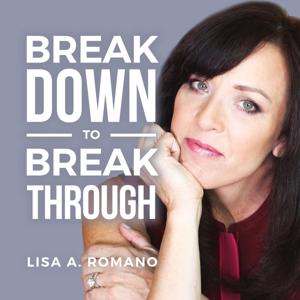

If you feel a strong urge to explain yourself to a narcissist or finally have the conversation that fixes everything, this episode will help you understand why that pull exists — and why it rarely brings relief.
Many people healing from narcissistic abuse or codependency believe the relationship could change if they could communicate clearly enough… calmly enough… lovingly enough.
But the need to be understood is often not about communication.
It is about emotional survival wiring.
When connection once depended on managing another person's reactions, the brain learned to negotiate for safety. So even after awareness, part of you still believes the right words will end the confusion.
In reality, explaining yourself often strengthens the trauma bond instead of resolving it.
In this episode we explore:
• why you feel compelled to confront a narcissist • why narcissists don't process accountability the way you expect • the psychology behind seeking closure from someone who can't provide it • how communication becomes regulation-seeking • why no contact feels harder than staying in the cycle
You are not weak for wanting to talk it out. You are responding to a learned attachment survival pattern.
Healing begins when understanding yourself replaces needing them to understand you.
If you've ever thought: "Maybe if I just said it better they would finally hear me" or "I need closure before I can move on"
This episode will help you understand why the cycle continues — and how stepping out of it is not avoidance, but recovery.
You are not giving up. You are ending a negotiation your nervous system was never meant to win.
And thresholds don't feel safe — because they're new.
✨ Learn more about my work and resources: https://www.lisaaromano.com
✨ Explore the 12 Week Breakthrough Coaching Program: https://www.lisaaromano.com/12-wbcp
Topics: narcissistic abuse recovery, codependency healing, trauma bonding, closure after toxic relationships, no contact guilt, emotional attachment patterns, people pleasing, boundaries, adult children of dysfunctional families, self abandonment, nervous system healing
 View all episodes
 By Lisa A. Romano

4.8
760760 ratings
If you feel a strong urge to explain yourself to a narcissist or finally have the conversation that fixes everything, this episode will help you understand why that pull exists — and why it rarely brings relief.
Many people healing from narcissistic abuse or codependency believe the relationship could change if they could communicate clearly enough… calmly enough… lovingly enough.
But the need to be understood is often not about communication.
It is about emotional survival wiring.
When connection once depended on managing another person's reactions, the brain learned to negotiate for safety. So even after awareness, part of you still believes the right words will end the confusion.
In reality, explaining yourself often strengthens the trauma bond instead of resolving it.
In this episode we explore:
• why you feel compelled to confront a narcissist • why narcissists don't process accountability the way you expect • the psychology behind seeking closure from someone who can't provide it • how communication becomes regulation-seeking • why no contact feels harder than staying in the cycle
You are not weak for wanting to talk it out. You are responding to a learned attachment survival pattern.
Healing begins when understanding yourself replaces needing them to understand you.
If you've ever thought: "Maybe if I just said it better they would finally hear me" or "I need closure before I can move on"
This episode will help you understand why the cycle continues — and how stepping out of it is not avoidance, but recovery.
You are not giving up. You are ending a negotiation your nervous system was never meant to win.
And thresholds don't feel safe — because they're new.
✨ Learn more about my work and resources: https://www.lisaaromano.com
✨ Explore the 12 Week Breakthrough Coaching Program: https://www.lisaaromano.com/12-wbcp
Topics: narcissistic abuse recovery, codependency healing, trauma bonding, closure after toxic relationships, no contact guilt, emotional attachment patterns, people pleasing, boundaries, adult children of dysfunctional families, self abandonment, nervous system healing

1,887 Listeners
1,412 Listeners

1,545 Listeners
435 Listeners

855 Listeners

752 Listeners

575 Listeners
361 Listeners

1,852 Listeners

43 Listeners
689 Listeners
1,732 Listeners

344 Listeners
291 Listeners

83 Listeners