
Sign up to save your podcasts
Or

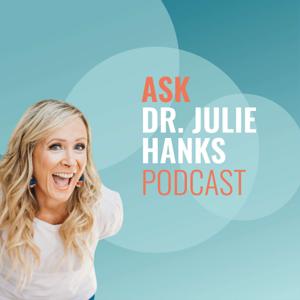


In this episode I talk with Sylvia and answer the question “How can I stay engaged and active in the LDS Church as a working mom and a feminist?” Sylvia shares the story of a painful experience at Church that has left her wondering if she sustains her leaders. In fact, she has chosen not to renew her temple recommend because she isn’t sure if she can sustain her current bishopric.
The word sustain has two main definitions. I used to think that sustain meant agree, but I see the word differently now. We talk about what the word actually means, and I invite Sylvia to consider what it would mean if it were okay for her to disagree with her leaders. Ultimately, we each get to decide what it means to us to sustain.
Have you ever thought, “I want to ask Dr. Julie Hanks a question”? Well, now’s your chance! I want to have you on my podcast! Click here to fill out this form and tell me your question. I might just pick you to be on the podcast and receive a free coaching session.
Thank you for listening to the Ask Dr. Julie Hanks podcast. Please click here to leave me a review. And make sure you don’t miss an episode by following me on Apple Podcast and Spotify.
If you have found this information helpful, you can find additional resources on this topic in my podcast and my online courses. Connect with me on social media @drjuliehanks and work with me through joining DJH membership at drjuliehanks.com. For therapy in Utah visit wasatchfamilytherapy.com.
In today’s episode, I talk with Nicole and answer the question “How do I know if I want kids because I genuinely want them or because it’s always been expected of me?” After a recent break up caused by her partner not wanting to have children, Nicole is hoping to gain some clarity as to what she wants for her future and why.
Nicole and I talk about how to have a meaningful life with or without children, if it matters at the end of the day if she does want kids because it’s what she’s always assumed her future would hold, and how important it is to develop herself in every stage of life. She comes away from our conversation with a clarity on what she wants for her future—give this episode a listen to hear what she decides.
Have you ever thought, “I want to ask Dr. Julie Hanks a question”? Well, now’s your chance! I want to have you on my podcast! Click here to fill out this form and tell me your question. I might just pick you to be on the podcast and receive a free coaching session.
Thank you for listening to the Ask Dr. Julie Hanks podcast. Please click here to leave me a review. And make sure you don’t miss an episode by following me on Apple Podcast and Spotify.
If you have found this information helpful, you can find additional resources on this topic in my podcast and my online courses. Connect with me on social media @drjuliehanks and work with me through joining DJH membership at drjuliehanks.com. For therapy in Utah visit wasatchfamilytherapy.com.
In today’s episode I chat with Morgan and answer the question “How can I talk about boundaries with my narcissistic mother-in-law who turns everything into my fault?” Morgan describes what interactions with her mother-in-law are typically like, and from what I hear it sounds like Morgan is doing a good job interacting with her. From my perspective, the bigger problem is between Morgan and her husband.
There are important conversations Morgan and her husband need to have regarding boundaries and his family. Until she and her husband have basic agreements about what is appropriate to say or do when it comes to his family, there’s not a lot Morgan can do except distance herself from her mother-in-law to avoid being hurt.
Have you ever thought, “I want to ask Dr. Julie Hanks a question”? Well, now’s your chance! I want to have you on my podcast! Click here to fill out this form and tell me your question. I might just pick you to be on the podcast and receive a free coaching session.
Thank you for listening to the Ask Dr. Julie Hanks podcast. Please click here to leave me a review. And make sure you don’t miss an episode by following me on Apple Podcast and Spotify.
If you have found this information helpful, you can find additional resources on this topic in my podcast and my online courses. Connect with me on social media @drjuliehanks and work with me through joining DJH membership at drjuliehanks.com. For therapy in Utah visit wasatchfamilytherapy.com.
In today’s episode, I talk with Kelly and answer the question “How do I learn to trust myself when I feel a disconnect between what I learn in therapy and what I hear at Church?” I know that a lot of listeners are going to relate to our discussion.
Kelly shares that she feels two parts of her life—therapy and the Church—have been influential and helpful, but that they are currently at odds. During our time together we talk about Fowler’s Stages of Faith and how Kelly is moving from trusting external authority (sources like Church leaders or teachers) to trusting internal authority (trusting herself to know what is best for her life).
It’s confusing to have conflicting messages from two important things in your life, and it takes practice to sort through these feelings. I invite Kelly to give herself grace as she learns how to trust herself and reframe her thinking.
Have you ever thought, “I want to ask Dr. Julie Hanks a question”? Well, now’s your chance! I want to have you on my podcast! Click here to fill out this form and tell me your question. I might just pick you to be on the podcast and receive a free coaching session.
Thank you for listening to the Ask Dr. Julie Hanks podcast. Please click here to leave me a review. And make sure you don’t miss an episode by following me on Apple Podcast and Spotify.
If you have found this information helpful, you can find additional resources on this topic in my podcast and my online courses. Connect with me on social media @drjuliehanks and work with me through joining DJH membership at drjuliehanks.com. For therapy in Utah visit wasatchfamilytherapy.com.
Listen as I talk with Jennifer and answer the question “How can I be present when grief is always reminding me of what could have been?“ Jennifer shares the story of her relationship, her husband’s cancer diagnosis, and her experience of being a new mom of twins while navigating the grief of losing her husband. Now, five years later, she feels split between being present in her daily life and grieving the life she didn’t get to live with her late husband.
Jennifer and I talk more about what it really means to be present in her life. She describes the cloud she feels hanging over her, reminding her of what could have been. We discuss how accepting that her family looks different doesn’t dishonor her late husband—it can help her find more peace with her current reality.
You can find Jennifer on Instagram @cocoscaravan
Have you ever thought, “I want to ask Dr. Julie Hanks a question”? Well, now’s your chance! I want to have you on my podcast! Click here to fill out this form and tell me your question. I might just pick you to be on the podcast and receive a free coaching session.
Thank you for listening to the Ask Dr. Julie Hanks podcast. Please click here to leave me a review. And make sure you don’t miss an episode by following me on Apple Podcast and Spotify.
If you have found this information helpful, you can find additional resources on this topic in my podcast and my online courses. Connect with me on social media @drjuliehanks and work with me through joining DJH membership at drjuliehanks.com. For therapy in Utah visit wasatchfamilytherapy.com.
This bonus episode of the podcast is for anyone who is wanting to stay in The Church of Jesus Christ of Latter-day Saints while also protecting their mental health. Listen as fellow LDS therapist Valerie Hamaker and I share insight on important topics like why people choose to stay in the LDS Church after a faith transition and how to develop the crucial skill of setting boundaries.
Choosing to Stay? How to Stay Connected to the LDS Church in a Psychologically Healthy Way
If you choose to stay and want to protect your mental health, Valerie and I are hosting a discussion series just for you. This 4-week Q&A discussion series will help you find clarity, set boundaries, and stay connected to the LDS Church in a psychologically healthy way.
Bring your questions about your complex relationship with the Church, including:
Each two-hour session is held remotely via Zoom. Spots are extremely limited, so don’t wait to sign up.
Four two-hour sessions with two therapists is an absolute steal of a deal. While this series is valued at $2,000, you can sign up today for only $169.
Choosing to stay in the Church but want to do it in a psychologically healthy way? Let us help you.
Secure your spot (limited availability) today
Have you ever thought, “I want to ask Dr. Julie Hanks a question”? Well, now’s your chance! I want to have you on my podcast! Click here to fill out this form and tell me your question. I might just pick you to be on the podcast and receive a free coaching session.
Have you ever thought, “I want to ask Dr. Julie Hanks a question”? Well, now’s your chance! I want to have you on my podcast! Click here to fill out this form and tell me your question. I might just pick you to be on the podcast and receive a free coaching session.
Thank you for listening to the Ask Dr. Julie Hanks podcast. Please click here to leave me a review. And make sure you don’t miss an episode by following me on Apple Podcast and Spotify.
If you have found this information helpful, you can find additional resources on this topic in my podcast and my online courses. Connect with me on social media @drjuliehanks and work with me through joining DJH membership at drjuliehanks.com. For therapy in Utah visit wasatchfamilytherapy.com.
In this podcast episode I talk with Mary and answer the question “Has my Latter-day Saint (LDS) upbringing impacted my sexuality?” I tell Mary that her LDS upbringing most likely has impacted her sexuality—but that is true for any person. During our time together we explore the specific ways that LDS culture may have influenced her development.
Mary would prefer to date women, but she is not sure if that fits within her values. We spend some time dissecting the difference between values and beliefs and we do an exercise to help Mary differentiate between her own thoughts and the things she has been taught.
Have you ever thought, “I want to ask Dr. Julie Hanks a question”? Well, now’s your chance! I want to have you on my podcast! Click here to fill out this form and tell me your question. I might just pick you to be on the podcast and receive a free coaching session.
Thank you for listening to the Ask Dr. Julie Hanks podcast. Please click here to leave me a review. And make sure you don’t miss an episode by following me on Apple Podcast and Spotify.
If you have found this information helpful, you can find additional resources on this topic in my podcast and my online courses. Connect with me on social media @drjuliehanks and work with me through joining DJH membership at drjuliehanks.com. For therapy in Utah visit wasatchfamilytherapy.com.
In this episode I talk with Sarah and answer the question, “In the classroom, what techniques can I use to stop comparing myself to others and start fostering a growth mindset?” Sarah just started attending school after a 5-year break, and she has found herself worrying that she isn’t smart enough to be there.
Having mixed feelings about trying something new is totally normal. I invite Sarah to recognize her negative feelings and then let them go. She may worry that she isn’t smart enough, but the fact that she worries about it does not make it true. I encourage Sarah not to let fear stop her from following her dreams. Fear is just part of the process. There is another part of her that believes she can do this—and that part is right.
Have you ever thought, “I want to ask Dr. Julie Hanks a question”? Well, now’s your chance! I want to have you on my podcast! Click here to fill out this form and tell me your question. I might just pick you to be on the podcast and receive a free coaching session.
Thank you for listening to the Ask Dr. Julie Hanks podcast. Please click here to leave me a review. And make sure you don’t miss an episode by following me on Apple Podcast and Spotify.
If you have found this information helpful, you can find additional resources on this topic in my podcast and my online courses. Connect with me on social media @drjuliehanks and work with me through joining DJH membership at drjuliehanks.com. For therapy in Utah visit wasatchfamilytherapy.com.
Have you ever thought, “I want to ask Dr. Julie Hanks a question”? Well, now’s your chance! I want to have you on my podcast! Click here to fill out this form and tell me your question. I might just pick you to be on the podcast and receive a free coaching session.
Thank you for listening to the Ask Dr. Julie Hanks podcast. Please click here to leave me a review. And make sure you don’t miss an episode by following me on Apple Podcast and Spotify.
If you have found this information helpful, you can find additional resources on this topic in my podcast and my online courses. Connect with me on social media @drjuliehanks and work with me through joining DJH membership at drjuliehanks.com. For therapy in Utah visit wasatchfamilytherapy.com.
In this episode I talk with Ben Schilaty and answer the question “How can I help my LGBTQ+ friends who are in pain because they feel like they don’t belong in the LDS Church?” Ben’s question stems from his own experience of being a gay member of the LDS Church and from seeing loved ones in the LGBTQ+ community struggle to feel like they have a place in the Church.
Ben and I talk about what he does now to try and help his friends. He shares that he’s a great listener, but that sometimes it’s hard to do so without taking on their feelings himself or explaining those feelings away. We talk about trusting others to find the answers to their own problems, how pride sometimes gets in the way of being a good listener, how to let ourselves feel difficult feelings, and more.
Ben is a fellow therapist, podcast host, author, and Instagram personality. You can keep up with him in the following places:
Have you ever thought, “I want to ask Dr. Julie Hanks a question”? Well, now’s your chance! I want to have you on my podcast! Click here to fill out this form and tell me your question. I might just pick you to be on the podcast and receive a free coaching session.
Thank you for listening to the Ask Dr. Julie Hanks podcast. Please click here to leave me a review. And make sure you don’t miss an episode by following me on Apple Podcast and Spotify.
If you have found this information helpful, you can find additional resources on this topic in my podcast and my online courses. Connect with me on social media @drjuliehanks and work with me through joining DJH membership at drjuliehanks.com. For therapy in Utah visit wasatchfamilytherapy.com.
In this episode, I sit down with Amanda and answer the question, “How do I talk with my husband about expectations for behavior at Church and contributing at home?” Amanda’s husband often has his phone out during Church and doesn’t like singing along to the hymns. She recognizes that as an adult, he gets to choose how to worship. But she still wishes he wouldn’t do these things. I tell Amanda that it’s okay to have expectations, but that it is better to focus those expectations on herself. It’s not her job to change her husband’s patterns of worship.
What she and her husband can work on together, however, is striving for a partnership marriage. Amanda works full time, manages the majority of the household chores, and does much of the parenting when she and her husband are both home. She is feeling overwhelmed and burned out. We roleplay a conversation she could have with her husband and discuss how she can give some of her responsibilities to him to manage.
Have you ever thought, “I want to ask Dr. Julie Hanks a question”? Well, now’s your chance! I want to have you on my podcast! Click here to fill out this form and tell me your question. I might just pick you to be on the podcast and receive a free coaching session.
Thank you for listening to the Ask Dr. Julie Hanks podcast. Please click here to leave me a review. And make sure you don’t miss an episode by following me on Apple Podcast and Spotify.
If you have found this information helpful, you can find additional resources on this topic in my podcast and my online courses. Connect with me on social media @drjuliehanks and work with me through joining DJH membership at drjuliehanks.com. For therapy in Utah visit wasatchfamilytherapy.com.
Have you ever thought, “I want to ask Dr. Julie Hanks a question”? Well, now’s your chance! I want to have you on my podcast! Click here to fill out this form and tell me your question. I might just pick you to be on the podcast and receive a free coaching session.
Thank you for listening to the Ask Dr. Julie Hanks podcast. Please click here to leave me a review. And make sure you don’t miss an episode by following me on Apple Podcast and Spotify.
If you have found this information helpful, you can find additional resources on this topic in my podcast and my online courses. Connect with me on social media @drjuliehanks and work with me through joining DJH membership at drjuliehanks.com. For therapy in Utah visit wasatchfamilytherapy.com.
From the publisher's feed

5,561 Listeners

5,665 Listeners

1,221 Listeners

1,722 Listeners

1,329 Listeners
1,061 Listeners

3,696 Listeners

1,043 Listeners

5,619 Listeners
10,792 Listeners

1,143 Listeners
850 Listeners

1,881 Listeners

185 Listeners

29 Listeners