
Sign up to save your podcasts
Or

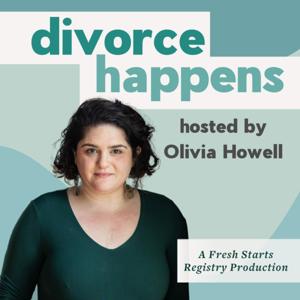


You know the feeling before you’ve even read the words. The phone buzzes, you see who it’s from, and your whole body braces — shoulders up, stomach tight, heart already pounding. A text from your co-parent. An email from your attorney dropped into the middle of an ordinary Tuesday. And just like that, the day you were having is gone. In this episode of Divorce Happens, Olivia sits down with Fresh Starts expert Laura Lorber, J.D. — a family mediator and parenting coordinator who has built her entire practice around these exact moments. Laura mediates parenting plans for the Los Angeles courts, is trained in mindfulness and conflict resolution, and is the rare professional who is genuinely comfortable working at the edges of the hardest cases: high-conflict co-parenting, substance use, and past domestic violence. As Olivia puts it, divorce is “ninety-nine percent triggering conversations” — and this is the episode about how to actually survive them.
What makes the conversation so disarming is that it is both deeply practical and rooted in real neuroscience. Laura walks through her “seventy-two-hour rule”: a single triggering message floods your system with cortisol, and it can take up to three days before your thinking brain comes fully back online. So why, she asks, would you fire off a reply when the logical part of your brain has literally left the building? Her permission-giving reframe lands like a key turning in a lock — you can respond, “I received your communication and will get back to you by this day, at this time,” fulfill the court order, and set the message down. From there she teaches the tools she gives her own clients for emotional regulation after divorce: siloing every divorce communication into one dedicated email or co-parenting app with notifications off, belly breathing you can practice at a red light, and the “name it to tame it” exercise that moves you from raw feeling (“I’m angry”) to real clarity (“I feel disempowered — so what do I actually need?”). She even shares Dan Siegel’s hand model of the brain, the unforgettable image of “flipping your lid” the moment conflict hijacks you.
Underneath every tip is one quiet, powerful mindset shift: you are the one who chooses when to engage — it is not the other way around. That single reframe is what turns a triggering text from an ambush into something you can hold, name, and answer on your own terms. And the beauty of these tools is that they travel: they work with a high-conflict ex, a combative attorney, a difficult boss, anyone who knows how to push your buttons. For the days when the conflict feels too tangled to untangle alone, Laura also pulls back the curtain on what mediators and parenting coordinators actually do — how they step in when communication breaks down, when a parenting plan stops working, or when a case has simply become too high-conflict to move forward. Whether you are newly separated or years into co-parenting, this episode is a hug and a toolkit at once: real, grounded support for anyone learning to communicate calmly, protect their peace, and reclaim their power in life after divorce.
🔗 Check out Fresh Starts Registry:
The first & only divorce registry + support platform ➡ https://www.freshstartsregistry.com/
📱 Instagram: https://www.instagram.com/freshstartsregistry/
📘 Facebook: https://www.facebook.com/FreshStartsRegistry
🎙 Podcast IG: https://www.instagram.com/divorcehappenspod/
📬 Magazine: https://divorceguidemagazine.com/
💛 The Divorce Happens Community: https://divorcehappens.substack.com/
Most people think divorce begins with paperwork. Leslie Mathews will tell you it actually begins in your nervous system. In this candid, deeply practical episode of Divorce Happens, Olivia sits down with Leslie Mathews, JD, MSW, a former attorney turned therapist, mindfulness coach, and founder of The LooM Life and LooM Life Therapy.
Leslie brings a rare combination of expertise to the conversation: a law degree, a master's in social work, and her own lived experience of divorce, which she says taught her exactly what was missing from her process, and exactly what she now builds into every program she offers women navigating separation and starting over after divorce.
At the heart of Leslie's work is a truth most divorcing people never hear until it's too late: high-stakes conversations about money, custody, and separation can trigger the nervous system into freeze, and freeze can mean walking out of a meeting with no memory of what you just agreed to. Leslie has watched clients make life-altering decisions in a room full of people and retain nothing about it, and she now teaches nervous system regulation and dissociation awareness as the foundation of divorce preparation, before a single conversation about alimony or custody even happens.
From there, the work moves into attachment styles and trauma bonds, naming the disorienting experience of craving a spouse you can't stand, and into grief work for the parts of life divorce quietly takes with it: the extended family, the favorite restaurants, the whole ecosystem you didn't realize you'd lose. She even makes space for reclaiming pleasure and libido post-divorce, treating self-connection as both healing and protective against reconnecting with an ex out of loneliness.
What makes this episode so hopeful is Leslie's own hard-won clarity: divorce may be one of the worst things you go through, but she promises that life on the other side gets shockingly good, and that the self-awareness built during the process isn't wasted, it's the foundation for everything that comes next. Listeners walk away with two concrete takeaways: first, that preparing your nervous system before high-conflict meetings is just as important as preparing your case, and second, that noticing your reactions with curiosity, rather than shame, is what actually changes the outcome.
Whether you're weighing whether to leave, mid-process, or newly divorced and trying to figure out who you are now, this conversation offers real tools for healing after divorce and rebuilding identity on the other side.
🔗 Check out Fresh Starts Registry:
The first & only divorce registry + support platform ➡ https://www.freshstartsregistry.com/
📱 Instagram: https://www.instagram.com/freshstartsregistry/
📘 Facebook: https://www.facebook.com/FreshStartsRegistry
🎙 Podcast IG: https://www.instagram.com/divorcehappenspod/
📬 Magazine: https://divorceguidemagazine.com/
💛 The Divorce Happens Community: https://divorcehappens.substack.com/
In this solo episode of Divorce Happens, Olivia reads a piece from her personal writing Substack, The Happenstance, called "The Hidden Cost of Having a Husband." It's a reflection on domestic inequity — the invisible labor that piles up in a marriage even when a task only needs one person to do it.
Olivia shares her own story, including the time she broke her foot and still had to keep the household running. It's honest, a little funny, and gets at something a lot of women feel but rarely say out loud.
This piece originally ran on The Happenstance. Follow along at oliviahowell.substack.com for more essays like this one.
What if the single biggest predictor of how your kids come through your divorce has almost nothing to do with the divorce itself? That's the question at the heart of this episode of Divorce Happens, where Olivia sits down with Maria Natapov, a BeH2O® Certified Co-Parenting Coach, Rapid Resolution Therapy® Facilitator, and founder of Synergistic Stepparenting. Maria has spent years helping divorcing and divorced parents move from reacting to responding, and she brings something rare to this conversation: the lived experience of a child of divorce and a stepparent, paired with the clinical grounding of a family systems coach who has watched, up close, what actually determines whether kids come out of co-parenting resilient or overwhelmed.
Maria's central insight reframes everything: it isn't separation itself that shapes a child's long-term wellbeing, it's their ongoing exposure to parental conflict — the frequency, duration, and intensity of it. Through her signature BeH2O® framework, Maria helps parents build an internal operating system for co-parenting after divorce, likening the process to building muscle at the gym rather than waiting for a court date or a milestone to magically deliver peace. She's also candid about the limits of simply "being nice." Many of the parents she works with are seasoned over-functioners running on an internal pressure cooker — anticipating everyone's needs, absorbing everyone's emotions, and quietly burning out, until the pressure finds its way out anyway, often at the expense of the very kids they're trying to protect.
Where this episode offers real hope is in what Maria says comes next: parents who commit to the work report they stop replaying conversations late at night, stop feeling responsible for managing everyone else's emotions, and start setting boundaries without guilt — changes that ripple directly into how safe and steady their kids feel. Listeners walk away with two clear, actionable shifts: first, that co-parenting peace is built through consistent, repeatable patterns rather than a single finish line, and second, Maria's simple reframe for high-conflict moments — what kind of parent do you want your child to remember, and what would it take to be that person today? For anyone navigating co-parenting after divorce, blended family stress, or single parenting on the other side of separation, this conversation offers a genuinely usable place to start.
🔗 Check out Fresh Starts Registry:
The first & only divorce registry + support platform ➡ https://www.freshstartsregistry.com/
📱 Instagram: https://www.instagram.com/freshstartsregistry/
📘 Facebook: https://www.facebook.com/FreshStartsRegistry
🎙 Podcast IG: https://www.instagram.com/divorcehappenspod/
📬 Magazine: https://divorceguidemagazine.com/
💛 The Divorce Happens Community: https://divorcehappens.substack.com/
You survived the divorce. Then your kid turns thirteen, and a new bill you never quite planned for starts looming on the horizon: college. In this practical, reassuring episode of Divorce Happens, Olivia sits down with Vicki Vollweiler, MBA, CDC, the founder and CEO of College Financial Prep and author of College Planning for Divorced and Widowed Parents. Vicki built her practice specifically around separated, divorced, remarried, and widowed families after years of working as a certified divorce coach, when clients kept asking her the same question: how am I possibly going to afford college as a divorced parent? As a divorced mom herself, currently guiding her own daughter through the college search, Vicki brings both firsthand experience and deep technical expertise to a topic most divorced families don't realize they need to plan for years in advance.
The heart of this episode is a financial aid distinction most parents have never heard of, and one that can cost or save a family tens of thousands of dollars: the difference between the FAFSA, which typically considers one household's finances, and the CSS Profile, used by many selective schools, which often wants information from both biological parents and their new spouses, meaning a blended family could suddenly be reporting four incomes instead of one. Vicki walks through the hidden costs that catch divorced families off guard, from test fees and application fees to campus visits and tutoring, and the fee waivers available to offset them. She's equally candid about the emotional layer underneath the spreadsheets: co-parents often carry different values and different definitions of "the best school for my child," and neither is wrong, but those differences need to be named and discussed long before decision letters arrive.
What makes this episode so hopeful is Vicki's reminder that this process doesn't have to be adversarial or lonely. Listeners walk away with two clear, actionable takeaways: first, to check whether college is even addressed in their divorce agreement, and if it isn't, to start that conversation with their co-parent now, ideally years before senior year, since tax returns from tenth and eleventh grade can shape a family's first financial aid award; and second, to loop in the wider support system, whether that's grandparents, aunts, uncles, or family friends, to help make campus visits and the college search feel like a gift instead of a burden. For any divorced or divorcing parent staring down the cost of college, this conversation offers real clarity, real savings strategies, and genuine reassurance that this milestone can still be joyful.
🔗 Check out Fresh Starts Registry:
The first & only divorce registry + support platform ➡ https://www.freshstartsregistry.com/
📱 Instagram: https://www.instagram.com/freshstartsregistry/
📘 Facebook: https://www.facebook.com/FreshStartsRegistry
🎙 Podcast IG: https://www.instagram.com/divorcehappenspod/
📬 Magazine: https://divorceguidemagazine.com/
💛 The Divorce Happens Community: https://divorcehappens.substack.com/
What if the way back to yourself started with getting your head under water? That's the question at the heart of this episode of Divorce Happens, where Olivia talks with Kate Washington — a Sacramento-based writer, former dining critic, and author of two deeply personal memoirs: Already Toast: Caregiving and Burnout in America, and her brand-new release, Midstream: A Life Remade in 50 Swims. Kate's byline has appeared in the New York Times, Time, and HuffPost, but this conversation isn't about her résumé. It's about the year she turned a personal challenge — swim in fifty different bodies of water before her fiftieth birthday — into the roadmap for finally leaving a twenty-three-year marriage that had quietly hollowed her out.
Kate's story complicates the narrative around divorce and caregiving in exactly the way this show exists to do. For years, she was the primary caregiver not only for her two daughters but for her then-husband through a severe cancer diagnosis — carrying, as she puts it, the vast bulk of the mental load in a marriage that was quietly draining her. The 50 Dunks Project started as something playful, a way to reclaim the joy and childhood wonder she'd lost somewhere along the way. But immersing herself, literally, in rivers, hot springs, and the waters of southern France became something more: a practice of embodiment, presence, and boundary-setting in a life that had none. Kate shares the test that ultimately helped her decide to separate — asking herself whether she'd tell her own daughter to stay in a marriage like hers — and speaks candidly about the guilt of choosing divorce while her ex-husband was still chronically ill, and the very real grief her daughters carried alongside her.
The episode closes on the note this show always returns to: divorce is not the crisis it's made out to be — it's often the exit from one. Kate's final swim, on her fiftieth birthday, with both daughters at her favorite spot on the South Yuba River, becomes a quiet, hard-won reconciliation after years of pain neither of them chose. Her message to anyone circling the decision to leave an unhappy marriage is direct: the freedom on the other side comes sooner than you'd think, and it is worth it. Listeners will walk away with two practical takeaways for starting over after divorce — a simple gut-check question for evaluating whether a marriage is serving you, and a reminder that reclaiming joy, in almost any small form, is never a frivolous first step toward midlife reinvention.
🔗 Check out Fresh Starts Registry:
The first & only divorce registry + support platform ➡ https://www.freshstartsregistry.com/
📱 Instagram: https://www.instagram.com/freshstartsregistry/
📘 Facebook: https://www.facebook.com/FreshStartsRegistry
🎙 Podcast IG: https://www.instagram.com/divorcehappenspod/
📬 Magazine: https://divorceguidemagazine.com/
💛 The Divorce Happens Community: https://divorcehappens.substack.com/
Somewhere in your divorce, a well-meaning friend has probably told you to "hire a shark." Lisa Lisser wants you to pause before you do. In this grounding, clarifying episode of Divorce Happens, Olivia welcomes back one of the show's most beloved recurring experts: Lisa Lisser, a Certified Divorce Coach®, BeH2O® Child-Centered Co-Parenting Coach, and founder of LZL Coaching.
A retired attorney who built a career in litigation before becoming a divorce coach, Lisa brings a rare blend of legal fluency, lived experience of her own divorce, and spiritual grounding to a conversation about something most divorcing people never slow down long enough to find: clarity.
Lisa's signature framework, divorce clarity, starts from a simple but radical idea: before you can make good decisions during divorce, you have to get honest about your values, and that requires pausing instead of reacting. She walks through what she calls "the pause for clarity," a moment to ask where am I right now, what am I feeling, and what's the fear underneath the fear, before the nervous system's fight, flight, freeze, or fawn response takes the wheel. From there, she introduces "strategic curiosity": the practice of asking the questions divorcing people are often too afraid or too overwhelmed to ask, whether that's what does hiring a shark attorney actually mean for my case, or who can answer my questions about qualifying for a mortgage on my own. Lisa is candid that she didn't ask enough questions during her own divorce, and that she now builds her entire coaching practice around helping clients avoid that same regret.
What makes this episode so reassuring is Lisa's insistence that clarity is buildable, even for someone in the most heartbroken, spiraling phase of divorce, one pause, one breath, one question at a time. Listeners walk away with two clear, actionable tools: first, the pause for clarity itself, a simple nervous-system reset to use before any high-stakes conversation or decision; and second, a challenge to name their own top three to five values as a compass for who they want to be, both during the divorce process and in the life that comes after it. For anyone navigating divorce fog, decision paralysis, or the pressure to react fast instead of think clearly, this conversation offers a genuinely calming, practical place to start.
🔗 Check out Fresh Starts Registry:
The first & only divorce registry + support platform ➡ https://www.freshstartsregistry.com/
📱 Instagram: https://www.instagram.com/freshstartsregistry/
📘 Facebook: https://www.facebook.com/FreshStartsRegistry
🎙 Podcast IG: https://www.instagram.com/divorcehappenspod/
📬 Magazine: https://divorceguidemagazine.com/
💛 The Divorce Happens Community: https://divorcehappens.substack.com/
Everybody talks about how to say the words. Almost nobody talks about the bathroom-floor hours right after. In the final episode of this Divorce Happens series, host Olivia Howell goes straight to the moment listeners rarely hear addressed anywhere else: you've just told your spouse you want a divorce, the words are out and can't be taken back, and instead of feeling free, you feel shaky, numb, and quietly confused about why relief hasn't arrived. Olivia meets that exact feeling head-on, with a single, steadying message — you did the hard thing, and you just moved through one of the biggest moments of your entire life.
What makes this closing episode so validating is the plain, physiological explanation Olivia offers for that floaty, unrelieved feeling. Even a conversation that goes “well” floods the nervous system, she explains, because the body doesn't distinguish between brave and dangerous — it just registers overwhelm. From there, she hands listeners real permission: no rule says logistics have to start today, no lawyer has to be called tonight, and tending to the body first — a walk, slower breathing, a phone call to the right friend — isn't a detour from being productive, it's what actually makes every next decision clearer. She also offers grounded scripts for a spouse who keeps circling back to relitigate the conversation, along with permission to withhold details on logistics until they've had time to think.
As the finale of the full series, this episode closes with something larger than a single conversation: the reminder that the goal was never to do any of this perfectly or fearlessly, only honestly — and that listeners already did that. The actionable takeaway is small and deliberately doable: text one trusted person three words, do one thing that grounds you, and let yourself rest, because the logistics will still be there tomorrow. For anyone at the start of divorce recovery, this episode offers the exhale the rest of the series was building toward, along with a clear invitation to let other people, including a therapist or coach, help carry what comes next.
🔗 Check out Fresh Starts Registry:
The first & only divorce registry + support platform ➡ https://www.freshstartsregistry.com/
📱 Instagram: https://www.instagram.com/freshstartsregistry/
📘 Facebook: https://www.facebook.com/FreshStartsRegistry
🎙 Podcast IG: https://www.instagram.com/divorcehappenspod/
📬 Magazine: https://divorceguidemagazine.com/
💛 The Divorce Happens Community: https://divorcehappens.substack.com/
For so many people preparing to leave a marriage, saying the words was never the scariest part — it's everything that might happen the second after. In part three of this Divorce Happens series, host Olivia Howell goes straight at that fear: what if they rage? What if they cry and beg and I cave? What if they twist this until somehow I'm the villain? Olivia hands listeners the single reframe she wants them to carry into that room — a spouse's reaction reveals how they feel, not what the listener is obligated to do. Those two things get blurred together after years of marriage, and pulling them apart is the real work of this episode.
What makes this episode so grounding is how specifically Olivia names the nervous system response underneath the fear. That overwhelming urge to explain yourself for hours isn't weakness, she explains — it's a body that has spent years learning to manage a partner's feelings to keep the peace, and naming that pattern out loud is what lets someone feel the pull without obeying it. From there, she offers real, calm scripts for the specific reactions listeners dread most: anger, accusations of selfishness, begging and tears, and attempts to reopen the decision as a debate — each one paired with a steady sentence designed to hold a boundary without escalating the moment.
The episode closes with its most serious and most important note: if a spouse's reaction moves into threats, intimidation, or manipulation, listeners are allowed to end the conversation completely, without guilt or further explanation, and lean on support rather than try to tough it out alone. Olivia repeats the National Domestic Violence Hotline as a resource to keep close, free and confidential, for anyone who feels unsafe in that moment. For anyone deep in the fear of the reaction stage of divorce, this episode offers real language, real permission, and the reminder that they are stronger than this one conversation — with the next episode addressing the quiet, disorienting after.
🔗 Check out Fresh Starts Registry:
The first & only divorce registry + support platform ➡ https://www.freshstartsregistry.com/
📱 Instagram: https://www.instagram.com/freshstartsregistry/
📘 Facebook: https://www.facebook.com/FreshStartsRegistry
🎙 Podcast IG: https://www.instagram.com/divorcehappenspod/
📬 Magazine: https://divorceguidemagazine.com/
💛 The Divorce Happens Community: https://divorcehappens.substack.com/
There's a particular kind of freeze that happens after someone finally decides to end their marriage — not doubt, just a total blank when they try to imagine the actual words. In part two of this Divorce Happens series, host Olivia Howell meets listeners exactly there, at the moment between the decision and the sentence. She opens with something disarmingly honest: there is no perfect sentence that makes this stop hurting. What listeners are actually looking for isn't flawless, it's true — something they can get through without falling apart. From there, she hands over real, usable scripts for finally telling a spouse you want a divorce.
What makes this episode so useful is the range of real situations Olivia scripts for, not just one generic template. She offers a clear, no-blame opener for the conversation itself, a version for when love and the decision to leave coexist in the same breath, a co-parent-centered script that keeps kids steady without weaponizing them, and a firmer close-the-door version for anyone whose spouse has historically talked them out of their own decisions. Underneath every script is the same quiet architecture: name the decision, stay out of blame, and resist the urge to over-explain — because long justifications don't create understanding, she reminds listeners, they create arguments.
The episode closes with the instruction Olivia says matters most: practice out loud. Reading a script silently isn't the same as hearing it in your own voice, and rehearsing to a mirror, a trusted friend, or a steering wheel in the driveway lets the shake happen in private, so the real moment can be steadier. For anyone deep in the emotional work of starting over after divorce, this episode offers something rare — permission to prepare, and real words to borrow until they sound like your own, with the next episode promising support for what happens after the words are said.
🔗 Check out Fresh Starts Registry:
The first & only divorce registry + support platform ➡ https://www.freshstartsregistry.com/
📱 Instagram: https://www.instagram.com/freshstartsregistry/
📘 Facebook: https://www.facebook.com/FreshStartsRegistry
🎙 Podcast IG: https://www.instagram.com/divorcehappenspod/
📬 Magazine: https://divorceguidemagazine.com/
💛 The Divorce Happens Community: https://divorcehappens.substack.com/
From the publisher's feed

90,922 Listeners

43,352 Listeners

21,058 Listeners

14,912 Listeners

8,346 Listeners

5,109 Listeners

27,973 Listeners

566 Listeners

223 Listeners

15,899 Listeners

41,386 Listeners

19,151 Listeners

3,475 Listeners

31 Listeners
172 Listeners
95 Listeners
36 Listeners
27 Listeners