
Sign up to save your podcasts
Or

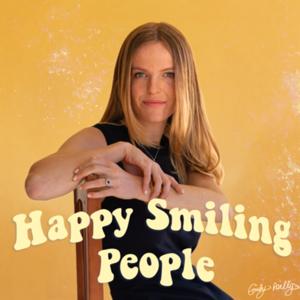


Dr. Heather Finley is a Registered Dietitian and Gut Health Specialist.
In this episode, we discuss how the landscape of gut health has changed in the past year, how to add gluten and dairy back into your diet after intolerances, what a parasite is and where they come from, how to improve your immune system in your gut, whether it is possible to permanently damage your gut health, whether you can out-supplement a poor lifestyle, the definition of stress and identifying lifestyle stressors, digestive health vs. gut health, dealing with ‘food guilt,’ controlling your self-narrative, myth-busting gut health misconceptions, how to create long-term change and establishing daily habits, and much more.
Find me online: https://linktr.ee/emilyereilly
Cozy Earth: https://cozyearth.com/ Use code HAPPYSMILINGPEOPLE for up to 20% off sitewide.
Find Heather online:
Instagram: https://www.instagram.com/drheatherfinley/
Website: https://www.drheatherfinley.co/
00:00 How has the landscape of gut health changed in the past year?
4:45 How to add gluten and dairy back into your diet
8:30 What is a parasite and where do they come from?
10:00 How to improve your immune system in your gut
13:00 Can you permanently damage your gut health?
15:00 How to treat gut issues?
18:00 You can’t out-supplement a poor lifestyle
19:30 The definition of stress – even good things are stressful
22:00 Identifying stressors
23:30 Digestive health vs. gut health
29:00 Dealing with ‘food guilt’
30:30 Controlling your self-narrative
34:00 Myth-busting gut health misconceptions
36:30 Creating long-term change and establishing daily habits
40:00 Heather’s biggest piece of advice
Keywords
gut health, probiotics, prebiotics, digestive health, immune system, lifestyle factors, stress management, dietary changes, gut microbiome, health myths
This solo episode is an exploration into the concept of the 'winter arc'; what it is, what it does, and why we should care about it.
Find me online: https://linktr.ee/emilyereilly
Cozy Earth: https://cozyearth.com/ Use code HAPPYSMILINGPEOPLE for up to 20% off site wide
Robin Nielsen is an Integrative Nutritionist who specialises in women’s health and hormone balance.
In this episode, we discuss: what it means to ‘feel old’ while you are still young; what balancing your hormones looks like; which hormones stimulate anxiety; how deleting our ‘to-do’ lists can ease our stress; how to heal from unbalanced hormones; how many meals a healthy person should have a day and why; what we should be eating to manage our cortisol; how men and women tolerate alcohol differently; how to set New Year’s resolutions and achievable goals; and much more!
Find me online: https://linktr.ee/emilyereilly
Cozy Earth: https://cozyearth.com/ Use code HAPPYSMILINGPEOPLE for up to 20% off site wide
Find Robin online:
Instagram: https://www.instagram.com/robinanielsen/?hl=en
Website: https://naturalhormonesolution.com/
The Complete Hormone Quiz: https://naturalhormonesolution.com/happysmilingpeople/
Timestamps:
00:00 what does it mean to ‘feel old’ while you are still young?
2:30 what does it mean to balance your hormones?
8:30 what hormones stimulate anxiety?
12:30 should we delete our ‘to-do’ lists?
20:00 how to heal from un balanced hormones?
28:00 how many meals should a healthy person have and why?
33:00 what should we be eating to manage our cortisol?
35:00 how do men and women tolerate alcohol differently?
38:00 New Years Resolution and setting achievable goals
43:00 building key stone habits
Keywords
hormones, health, stress, balance, wellness, nutrition, self-care, personal growth, women's health, lifestyle changes
Tricia Nelson is an emotional eating expert and the author of Heal Your Hunger.
In this episode, we discuss what emotional eating really is, whether some people are more predisposed to disordered eating, the difference between quick diet fixes and addressing the deeper root causes, the common traits of emotional eaters and how to understand and identify emotional eating patterns, why certain foods feel “comforting,” how to combat emotional eating, and the different types of hunger — and so much more.
Find me online: https://linktr.ee/emilyereilly
Find Tricia Online:
Website: https://healyourhunger.com/
Instagram: https://www.instagram.com/TriciaNelson_
00:00 what is emotional eating
8:40 are some people more predisposed to disordered eating?
13:00 quick diet fix vs examining the deeper issues
15:00 traits of emotional eaters
18:00 day to day of working as a nutritionist
22:30 understanding and identifying emotional eating
28:00 why comfort food is ‘comforting’
29:30 the different types of hunger
32:00 how to combat emotional eating
Keywords
emotional eating, disordered eating, food addiction, recovery, mental health, community support, self-discovery, coping mechanisms, comfort food, emotional well-being
Courtney Townley is a personal trainer turned life coach, passionate about helping women to thrive, especially through midlife.
In this episode, we explore Courtney’s three-decade journey in the women’s fitness industry, whether fat loss will always be a trend, and how to uncover your why to build lasting motivation and habits. We dive into changing unhealthy behaviours, dismantling the “mean girl” inner narrative, and how manifestation is grounded in science and can create real, positive results.
Courtney also shares her pivot from fitness instructor to life coach, the fastest way to erode self-trust, practical tips to feel like yourself again, what “health” really means, and how women can take better care of themselves.
Find me online: https://linktr.ee/emilyereilly
Find Courtney Online:
Grace & Grit: https://graceandgrit.com/
Instagram: https://www.instagram.com/gracegrit/?hl=en
Timestamps:
00:00 Courtney’s journey in the women’s fitness industry over the past 3 decades
05:14 will fat loss always be a trend?
08:40 working out our ‘why’ and motivation for habits
11:30 how to change unhealthy behaviours, and the ‘mean girl’ self-narrative
17:00 how manifestation is science based and create positive results
21:40 where is the line between rationalising actions and taking responsibility for our mistakes or difficult decisions
25:00 the quickest way to erode self trust
28:00 Courtney’s pivot from fitness instructor to life coach
31:00 why did Courtney choose to focus on middle age women as her target market?
36:00 tips to feel like yourself again
39:30 The Consistency Code
46:00 what does ‘health’ actually mean?
51:20 how can women take better care of themselves?
Keywords
fitness, wellness, women's health, self-care, behavior change, self-narrative, consistency, midlife, coaching, mental health
Eva Humphries is a Nutritional Therapist.
In this episode, we discuss: whether nutritional advice is overhyped, our obsession with optimisation and longevity, the rising cost of food and how much of our money we should be spending on it, the culture of office snacking and how to stay healthy at work, whether companies should prioritise employee wellbeing, how to make sustainable lifestyle changes, the best ways to approach health as we age, how appetites change as we get older, the definition of quality of life, and much more.
Find me online: https://linktr.ee/emilyereilly
Find Eva Online:
Instagram: https://www.instagram.com/wholefoodwarrior/?hl=en
Website: https://wholefoodwarrior.co.uk/
Timestamps:
00:00 Is nutrition advice blown out of proportion?
05:30 our obsession with optimisation
11:00 hyper fixation for longevity and eliminating certain foods
14:00 how much should we spend on food and why is It so expensive?
17:30 office culture - how to life a healthy lifestyle while spending so much time in an office
26:00 employee wellbeing - are companies taking care of their employees health?
35:00 the corporate side to health
42:00 sustainable behaviour changes
45:00 how should we approach our health later in life
48:00 how our appetite changes as we age
54:00 how would you define quality of life
Keywords
nutrition, wellness, health, individualized diet, corporate wellness, aging, quality of life, sustainable eating, nutrition education, food affordability
Dr. Federica Amati is the Head Nutritionist at ZOE, the nutrition science company leading the gut health revolution, and holds a PhD in Clinical Medicine Research from Imperial College London. She has a masters in Public Health and is an Association for Nutrition (AfN) Registered Nutritionist. Federica is the author of Recipes for a Better Menopause and Sunday Times Bestseller Every Body Should Know This.
In this episode, we dive into how our bodies evolve with age - from the differences between men and women to the effects of menopause on metabolism, we talk about the essential health rules to follow when we’re younger, the five food groups most people forget, and the pitfalls of supplement culture; we unpack how different generations think about diet, our emotional ties to food, why home cooking matters more than ever, what’s new in nutrition research, what Federica’s ultimate goal with her work is — and much more.
Find me online: https://linktr.ee/emilyereilly
Find Federica online:
Instagram: https://www.instagram.com/dr.fede.amati/?hl=en
Website: https://www.federicaamati.com/
Zoe Website: https://zoe.com/en-gb
Timestamps:
00:00 how do our bodies change as we age?
02:30 how do men and women’s bodies age differently?
05:00 how does the menopause impact metabolism?
10:45 the broad health rules for our diet in younger years
15:00 the 5 food groups missing from our plates
27:00 the problem with supplement culture is that
48:00 the difference in different generation’s approach to diet
58:00 the emotional attachments we carry to food
1:01:00 why we should all cook home cooked meals
1:05:00 what are the upcoming trends in science and research
01:16:00 what is Federica’s end goal with her work?
Mollie Birney is a clinical life coach and former therapist.
In this episode, we discuss what a clinical life coach is and how they differ from a therapist; whether perfectionism is just procrastination in disguise; behaviour change and how to shift the narrative of our subconscious and irrational brain; why women struggle to take compliments; why women often criticise one another; the roots and meaning of shame; how to recognise when our negative emotions become too intense; how mental overconsumption affects anxiety and our survival nervous system; why we disconnect from the present moment; what it means to experience an existential crisis; the difference between a thought and a feeling; how we begin to discover who we truly are—and much more.
Find me online: https://linktr.ee/emilyereilly
Find Mollie Online:
Instagram: https://www.instagram.com/molliebirney/
Website: https://www.molliebirney.com/
Keywords
clinical life coach, perfectionism, anxiety, self-worth, shame, existential crisis, self-discovery, mental health, emotional balance, personal growth
Timestamps:
00:00 what is a clinical life coach - how is that different to a therapist?
03:45 is perfectionism just procrastination?
07:00 behaviour change and altering the narrative of our subconscious and irrational brain
11:30 why women struggle to take compliments
16:00 why do women criticise each other
21:00 why do we feel shame and what does it mean?
24:00 how do we know when our negative feelings are too strong?
29:00 the overconsumption in our brains and how it related to anxiety and our survival nervous system
33:00 why we have disassociation with the present moment
39:45 what does it mean to have an existential crisis?
44:30 what is the difference between a thought and a feeling?
53:00 how do we find out who we are?
Noor Al-Humaidhi is an MD and Menopause Specialist
and founder of Lifestyles By Noor.
In this episode, we discuss:
What hormone health really means
The mental and emotional side effects of perimenopause
How to predict when you might go through menopause
The truth about Hormone Replacement Therapy (HRT) — and why some people choose not to take it
The roles of progesterone, estrogen, and testosterone in the body
A breakdown of each stage in the menstrual cycle and how it overlaps with perimenopause symptoms
The key differences between perimenopause and menopause
And whether it’s ever too late to start HRT
Find me online: https://linktr.ee/emilyereilly
Find Noor Online:
Instagram: https://www.instagram.com/askdrnoor/?hl=en
Lifestyles by Noor:
Website: https://www.lifestylesbynoor.com/
Instagram: https://www.instagram.com/lifestylesbynoornh/?hl=en
Timestamps:
00:00 what is hormone health?
06:00 the mental side effects to perimenopause
09:45 the difficulty with perimenopause not being tangible or defined
13:45 how to predict when you will go through menopause
15:00 how to treat women going through the menopause
18:00 the truth about HRT (Hormone Replacement Therapy)
19:45 what do progesterone, estrogen and testosterone do in our bodies
25:00 what symptoms does HRT improve in perimenopause
25:30 why do people not want to take HRT?
28:00 are there any lifestyle factors or patterns that result in more severe perimenopause and menopause symptoms?
30:00 understanding each stage in the menstrual cycle and how symptoms work in conjunction with perimenopause symptoms?
35:00 what is the difference between perimenopause and menopause?
36:00 is it ever too late to start HRT?
39:30 trends of perimenopausal and menopausal patients
41:00 why do we lose bone density as we age?
45:30 most surprising elements of the women’s health and fitness industry
47:00 do any HRT negatives have merit?
Keywords:
hormone health, women's health, menopause, mental health, hormone therapy, lifestyle factors, midlife health, progesterone, estrogen, testosterone
Juliet Starrett is a PNL2 Nutrition Coach, and is on a mission to help people move move. Best selling NYT and Sunday Times author, and Founder and CEO of The Ready State.
In this episode, we explore:
What a truly healthy approach to longevity looks like
Why so many of us feel "deskbound" — and common misconceptions about fitness
The powerful health benefits of simply spending time outdoors
How to build healthy habits (and why it’s often so hard)
The surprising decline in overall movement in modern society — even as we “exercise” more
Why step count is one of the best indicators of total daily movement
The benefits of sitting on the floor daily — plus how the Sit and Rise Test can reveal a lot about your mobility
Practical ways to incorporate mobility into your routine — and what that should actually look like
And so much more!
Find me online: https://linktr.ee/emilyereilly
Find Juliet Online:
Instagram: https://www.instagram.com/julietstarrett/?hl=en
Website: https://thereadystate.com/
Time stamps:
00:00 what is a healthy approach to longevity
08:30 why we all feel so Deskbound and the misunderstandings of fitness
18:00 why spending time outside is the best thing for your health
20:00 creating healthy habits and why its hard
22:00 the decline of total movement in society and how it has made us less healthy despite ‘exercising’ more
24:00 why step count is the best proxy for total movement
28:00 why a good posture is crucial
28:30 why everyone should spend time sitting on the floor each day & the sit and rise test
35:00 why people don’t like mobility work, and when they start to care about it
41:00 how to incorporate mobility - what to actually do
46:00 base camp practices of basic fitness
54:00 putting the fun back into health and fitness
Keywords
longevity, durability, health span, movement, mobility, nature, sedentary lifestyle, wellness, fitness, aging
From the publisher's feed

1,069 Listeners

253 Listeners

774 Listeners

9,156 Listeners
823 Listeners

133 Listeners
155 Listeners
4 Listeners
615 Listeners
1,354 Listeners
44 Listeners
118 Listeners

1,196 Listeners
606 Listeners

99 Listeners