
Sign up to save your podcasts
Or

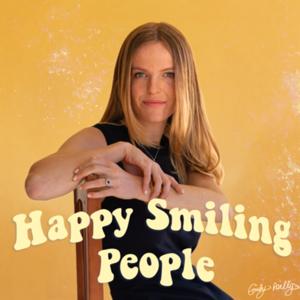


Dr Gabriela Rosa is a Harvard-trained fertility specialist, and founder of The Rosa Institute.
In this episode, we discuss why some people struggle to get pregnant, the genetic predispositions and epigenetics involved in fertility, what role health, environment, and lifestyle have in enabling conception, the impact of ageing and biological versus chronological age, the legal implications of embryo banking, myths about stress, diet, and conception, what impact the man’s health and sperm quality has on a woman’s pregnancy, and much more!
Find me online: https://linktr.ee/emilyereilly
Find Gabriela online:
Website: https://fertilitybreakthrough.com/
Instagram: https://www.instagram.com/dr.gabrielarosa/
Timestamps
00:00 Introduction and Dr. Rosa's background
04:16 Entropy, syntropy, and the impact of aging on fertility
06:36 The reality of egg production and advances in reproductive technology
08:55 Embryo banking, legal considerations, and future planning
10:55 The emotional landscape of fertility and societal expectations
12:00 Preconception health and lifestyle optimization
14:22 The importance of timing and biological age in conception
16:07 The limitations of IVF and the importance of understanding underlying health issues
17:43 Addressing insulin resistance and metabolic health in fertility
20:46 The impact of age on fertility and conception success rates
22:55 The biological clock, longevity, and family planning
25:22 Societal changes, fertility rates, and personal choices
28:43 The exponential decline of fertility after age 43
33:32 Making informed life choices and prioritizing fertility
37:34 Managing modern life stresses and fertility health
40:30 Reevaluating life priorities and fertility decisions
43:50 Focusing on results and effective lifestyle changes
44:39 Myth busting: stress, partner health, and pregnancy myths
47:44 Encouragement and advocacy for those struggling with fertility
48:54 Resources and how to connect with Dr. Rosa
keywords
fertility, pregnancy, reproductive health, aging, IVF, embryo banking, health optimization, fertility myths, emotional support
Dr. Leslie Newman is a psychologist, speaker, and author.
In this episode, we discuss: how we can feel more connected with ourselves when we stop being so busy, the impact of having a faith, the Gen Z interest in religion and seeking a deeper meaning, managing reactions and emotional resilience techniques, aligning your morning and daily habits to ground your emotions, understanding and managing our emotional reactions, the impact trust and self-awareness can have on your life, and much more!
Find me online: https://linktr.ee/emilyereilly
Find Leslie online:
Website: https://drlesliebnewman.com/
Timestamps:
00:00 Introduction to Leslie Newman
02:17 How can we feel more connected with ourselves when we stop being so busy
07:54 The impact of having a faith
10:23 The gen Z interest in religion and seeking a deeper meaning
12:44 Managing reactions and emotional resilience techniques and aligning your morning
17:40 Practicing emotional release and safe expression
22:29 Grounding techniques and connecting with the earth
27:52 Chakras, love, and the power of sound and intention
31:10 Direct knowing and intuition as pathways to guidance
36:45 The importance of creativity, play, and self-expression
51:10 Practical steps for habit building and self-trust
52:38 Encouragement and trusting your life journey
energy work, consciousness, meditation, self-awareness, spirituality, emotional resilience, habits, authenticity, grounding, healing
Karen Martel is a Certified Hormone Specialist, Transformational Nutrition Coach, and a leading voice in women's hormone health and midlife wellness.
In this episode, we discuss: the hormonal changes in women during midlife, the impact of environmental toxins on hormones, the role of stress and cortisol in ageing, the importance of hormone testing and personalised treatment, practical tools for managing menopause symptoms, the role of exercise and diet in hormonal health, how to utilise hormone replacement therapy effectively and safely, the psychological aspects of ageing and self-care, and much more!
Find me online: https://linktr.ee/emilyereilly
Find Karen online:
Website: https://karenmartel.com/
Instagram: https://www.instagram.com/karenmartelhormones/
Hormone Solution Podcast: https://podcasts.apple.com/us/podcast/the-hormone-solution-menopause-perimenopause-womens/id1438772276
Timestamps:
00:00 What tools can you use to ‘optimise’ longevity?04:30 What effect do mental strain and stress have on our health?09:30 Why do we feel like rest always has to be productive?16:00 How can you help yourself feel your best during menopause?25:00 Utilising helpful resources for women’s health27:00 Unravelling the need for productivity and tuning into our bodies34:00 Why does women’s metabolism slow down as we age?40:45 How can we create habits that help us as we age and go through menopause?47:00 The benefits of health testing and how to get one50:00 Is it ever too late?
keywords
women's health, menopause, hormones, perimenopause, aging, self-care, hormone testing, HRT, stress management, longevity
Dr Katie Hirsch is an Exercise Physiologist & Sport Nutritionist, and Assistant Professor at University of South California
In this episode, we discuss how and why women’s muscle mass declines with age and through menopause, the impact of resistance training on ageing, the role of protein intake around workouts, why sprint and interval training can be particularly effective for menopausal women, how we should use data from wearable sports technology to monitor our health, and much more!
Find me online: https://linktr.ee/emilyereilly?utm_source=linktree_profile_share<sid=cf5eccca-a7b9-44cc-b38d-e449335cf3c8
Find Katie online:
Website: https://www.katiehirschphd.com/
Instagram: https://www.instagram.com/katie.hirsch_phd/?hl=en
Timestamps:
00:00 Why do women’s muscles change with age
06:03 The Role of Nutrition in Muscle Health
12:03 Exercise Strategies for Muscle Retention
17:55 How to Optimise Your Performance Through Training Techniques
26:30 Maximising Weight Loss Through Resistance Training
30:29 The Role of Wearable Technology in Health Monitoring
41:12 Balancing Technology and Natural Body Awareness
42:20 Defining Longevity and Quality of Life
45:52 The Future of Fitness and Aging Gracefully
keywords
muscle health, aging, resistance training, longevity, metabolic health, women’s health, exercise science, wearable technology
Rhian Stephenson is a nutritional therapist, naturopath, herbalist and founder of supplement and nutrition brand, Artah.
In this episode, we discuss the impact of modern lifestyles on women's nutrition, the role of supplements in health and performance, the mental load of motherhood, Rhian’s experience with burnout and her recovery strategies, how to better understand your hormonal health and cycles, why Rhian started Artah, and much more!
Find me online: https://linktr.ee/emilyereilly
Find Rhian online:
Instagram: https://www.instagram.com/rhianstephenson/?hl=en
Website: https://artah.co/
00:00 why are so many women lacking in nutrients?
02:30 are women too busy for health?
04:30 the reality of building a business while being a new mum
12:00 recovering from burn out
14:00 starting Artah
19:00 what does feeling ‘healthy’ feel like?
20:30 what is the most frequent factor affecting women’s health
24:00 the purpose of supplements
27:30 how our bodies communicate with us - periods and warning calls
keywords
women's health, nutrition, supplements, motherhood, burnout, self-care, hormonal health, wellness, entrepreneurship
Dr Nicky Keay is a medical doctor who specialise in optimising hormone health. She is also author of “Hormones, Health and Human Potential”.
In this episode, we discuss how you can use your period as a ‘free health check’, what it means if you’re not getting a period, why estrogen is so important, the evolving scientific advice around female performance and nutrition, how the contraceptive pill affects women’s long-term health, puberty and periods, when hormones return to their pre-pregnancy state after giving birth, what stress does to your hormones, why some people can function on much less sleep than others, what GLP-1s are really doing to our bodies, the truth about nature vs. nurture, whether women’s appetites decrease as they age, the key health indicators to track, the biggest myths about women’s hormone health, and much more.
Find me online: https://linktr.ee/emilyereilly
Find Nicky online:
Instagram: https://www.instagram.com/drnickykeay/?hl=en
Website: https://nickykeayfitness.com/
00:00 periods are our ‘free health check’
3:00 what does it mean if we aren’t getting a period
7:00 why estrogen is important
9:45 is it bad for female athletes to not have a period
16:00 how has scientific advice for female performance and nutrition changed
21:00 how does the contraceptive pill affect women’s health long term
24:00 it takes 3 years for a period to become established after puberty
27:00 when do hormones return to pre-pregnancy state after giving birth
31:00 how does stress impact our hormones
38:00 why can some people function on much less sleep than others
42:00 ozempic and weightless drugs - what is it really doing to our bodies?
45:00 the truth about nature vs nurture (genetic vs environmental)
46:00 do women’s appetites decrease as they age
48:00 key health indicators to track
49:00 the biggest myth about women’s hormone health
keywords
women's health, menstrual cycle, hormones, estrogen, contraception, athletic performance, menopause, perimenopause, nutrition, stress
Jasmine Shaw is a 20 year old motorsports racing driver.
In this episode, we discuss just how physical motorsport is, the niche training of a racing driver and why they train their necks so much, whether weight matters in racing, how prejudice and sexism impact motorsport, the BTS of female motorsport and the pressure of media presence, the business side of being a professional athlete, the problem with being an F1 fan, whether motorsport has become too exclusive, whether Drive to Survive has ruined F1 and women’s motorsport trajectory, the different stages of becoming an F1 driver, Jasmine’s advice for women in sport, and much more!
Find me online: https://linktr.ee/emilyereilly
Find Jasmine online:
Instagram: https://www.instagram.com/jasmineshawracing/
00:00 is motorsports a physical sport?
2:20 the niche training of a racing driver and why they train their necks so much
5:30 does weight matter?
10:00 the prejudice and sexism in motorsport
17:00 BTS of female motorsports and media presence
20:00 the business side of being a professional athlete
25:00 the problem with being an f1 fan
28:00 is motorsport too exclusive?
31:00 has Drive To Survive ruined the sport and women’s motorsports trajectory?
36:30 the different stages to become an F1 Driver
44:00 is it better to join a sport earlier or later in life?
48:00 advice for women in sport
Jasmine Shaw is a 20 year old motorsports racing driver.
In this episode, we discuss just how physical motorsport is, the niche training of a racing driver and why they train their necks so much, whether weight matters in racing, how prejudice and sexism impact motorsport, the BTS of female motorsport and the pressure of media presence, the business side of being a professional athlete, the problem with being an F1 fan, whether motorsport has become too exclusive, whether Drive to Survive has ruined F1 and women’s motorsport trajectory, the different stages of becoming an F1 driver, Jasmine’s advice for women in sport, and much more!
Find me online: https://linktr.ee/emilyereilly
Find Jasmine online:
Instagram: https://www.instagram.com/jasmineshawracing/
00:00 is motorsports a physical sport?
2:20 the niche training of a racing driver and why they train their necks so much
5:30 does weight matter?
10:00 the prejudice and sexism in motorsport
17:00 BTS of female motorsports and media presence
20:00 the business side of being a professional athlete
25:00 the problem with being an f1 fan
28:00 is motorsport too exclusive?
31:00 has Drive To Survive ruined the sport and women’s motorsports trajectory?
36:30 the different stages to become an F1 Driver
44:00 is it better to join a sport earlier or later in life?
48:00 advice for women in sport
keywords
motorsport, female drivers, racing training, gender stereotypes, F1 Academy, career pathway, social media, sponsorship, endurance racing, motorsport community
Dr Rachel Goldman is a clinical psychologist, speaker, consultant, and author of When Life Happens. She is also Clinical Assistant Professor in the Department of Psychiatry at NYU Grossman School of Medicine.
In this episode, we discuss what stress has to do with our health, how to utilise our thoughts and why our brain is wired the way it is, modern-day emotional fighting, why some people are more competitive and ambitious than others, how different personality types work together, different types of stress, whether work-life balance exists, the stress ladder accumulation, how to use cognitive behavioural therapy to improve your life, ‘should’ statements, setting SMART goals, and much more!
Find me online: https://linktr.ee/emilyereilly
Cozy Earth: https://cozyearth.com/ Use code HAPPYSMILINGPEOPLE for up to 20% off sitewide.
Find Dr Rachel Online:
Website: https://www.drrachelnyc.com/
Instagram: https://www.instagram.com/drrachelnyc/
00:00 what has stress got to do with our health?
13:00 how to utilise our thoughts and why our brain is wired the way it is
17:00 modern day emotional fighting
20:00 why are some people more competitive and ambitious than others?
24:00 how different personality types work together
26:00 different types of stress
31:00 does work life balance exist?
36:00 the stress ladder accumulation
39:00 how to use cognitive behavioural therapy to improve your life
42:00 the ‘should’ statements
49:00 setting SMART goals
Katie Hardie is a Board Certified Holistic Nutritionist and FDN Practitioner, and founder of My PEAK 365.
In this episode, we discuss: what a long-term health and performance approach looks like; setting athlete training plans; the impact of exercise as a type of stress; what taper tantrums are and how to incorporate adequate tapering; the serious health consequences of insufficient rest; what a rest day should look like; the effect of lack of rest on the female body; a holistic approach to planning your week; the biological difference between excitement and anxiety; why being busy is addictive; the ‘gold medal syndrome’ and leading a rigidly structured life; the need to feel productive; where to start when identifying key stressors in your life; and much more!
Find me online: https://linktr.ee/emilyereilly
Cozy Earth: https://cozyearth.com/ Use code HAPPYSMILINGPEOPLE for up to 20% off sitewide.
Find Katie Online:
Instagram: https://www.instagram.com/mypeak365/
Website: https://www.mypeak365.com/
00:00 what does a long term health and performance approach look like?
02:30 athlete training periodisation
04:30 start with recovery
06:00 exercise is a type of stress
07:14 taper tantrums
8:30 are you lazy if you aren’t busy?
12:00 the serious health consequences of insufficient rest
16:45 what should a rest day look like?
18:00 lack of rest’s effect on the female body
21:00 holistic approach to planning your week
25:00 the difference between excitement and anxiety
29:00 why being busy is addictive
40:00 the ‘gold medal syndrome’ and leading a rigidly structured life
48:00 the need to feel productive
52:00 where to start when identifying key stressors in your life
From the publisher's feed

1,069 Listeners
253 Listeners
774 Listeners

9,156 Listeners
823 Listeners

133 Listeners
155 Listeners
4 Listeners
615 Listeners
1,354 Listeners
44 Listeners
118 Listeners

1,196 Listeners
606 Listeners
99 Listeners