
Sign up to save your podcasts
Or

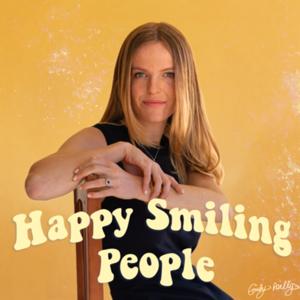


Claire Pettitt is a PHD qualified PCOS Dietitian and Nutrionist specialising in women's health, PCOS and gut health.
In this episode, we discuss:
What it means to be a compassionate PCOS dietitian
The therapeutic and empathetic role of a nutritionist — especially around weight gain and loss
Understanding disordered eating patterns and how they develop
The dangers of following nutrition advice on social media
Common myths around women’s health and fitness
How the role of a dietitian has evolved over the past 20 years
The risks of relying on AI (including ChatGPT) for medical advice
A dietitian’s perspective on longevity and the bio-hacking trend
What endometriosis is, where it comes from, and how it affects the body
A deep dive into PCOS — how it's examined and treated
Find me online: https://linktr.ee/emilyereilly
Find Claire Online:
Instagram: https://www.instagram.com/cp_nutritionrd/?hl=en
Website: https://www.clairepettitt.com/about-claire
Keywords
PCOS, nutrition, compassionate dietitian, women's health, disordered eating, body image, social media, behavior change, Mediterranean diet, endometriosis
Timestamps:
00:00 what is a compassionate PCOS dietitian - less weight centred
06:00 the therapeutic and empathetic side to a nutritionist and emotions around weight gain and loss
08:15 what does it mean to have disordered eating patterns
10:00 dangers of social media advice
14:00 common myths for women’s health and fitness
20:00 how the work of a dietician has changed over the past 20 years
26:20 the risks of chat GPT medical advice
27:30 what does behaviour change look like to pursue a healthier diet?
31:50 a dietitian’s view on longevity and bio-hacking
35:00 its not just what we eat, but how we eat
38:44 what is endometriosis and where does it come from
45:00 examining and treating PCOS
Grace Kingswell is a fertility expert mBANT specialising in fertility journeys, and IVF, and postpartum.
In this episode we discuss: what holistic health means and looks like, the benefits of breast milk, the best type of birth for your baby and why, what can cause infertility, how our bodies are not designed for artificial light, and much more.
Find me online: https://linktr.ee/emilyereilly
Follow Grace online:
Instagram: https://www.instagram.com/gracekingswell?igsh=eGl3eDU1aTVoc3Z6
Website: https://www.gracekingswell.com
00:00 What does it mean to have a holistic approach for lifestyle medicine?
06:10 how to effectively block light and use blue blocker glasses
10:30 how do our bodies adapt to the circadian rhythm - should we be sleeping more in winter?
19:00 how modern society is structured for women - working during pregnancy and managing monthly cycles
22:00 what is a fertility expert?
27:00 what are the common factors leading to infertility?
30:00 is the biological clock as important as people say for fertility?
36:00 the different types of stress in modern life and its impact
38:00 misconceptions of pregnancy and postpartum
41:00 the selfless nature required to be a mother and how mode of birth and feeding can effect a baby long term
45:00 the benefits of breastmilk
53:00 finding out relevant information from reliable sources
Keywords
holistic nutrition, lifestyle medicine, sleep health, circadian rhythms, women's health, fertility, pregnancy nutrition, breastfeeding, postpartum recovery, community support
Elinor Barker is a professional road and track cyclist, multiple Olympic medalist and World and European Champion cyclist.
In this episode we discuss: women’s professional road cycling and their maternity policy, Elinor’s training through pregnancy as a professional athlete, how she competed in the Olympics and won a silver medal while pregnant with her first child, the risk vs reward of riding your bike, how hard to train while pregnant and what signs to look out for, mental and physical frustrations on pregnancy training, how her body image and perception has developed, what her road back to racing looked like after having her first child, and much more.
My Links: https://linktr.ee/emilyereilly
Find Elinor Online:
Instagram: https://www.instagram.com/elinorbarker/?hl=en
Keywords
women's cycling, pregnancy, maternity policies, training, mental health, body image, nutrition, recovery, professional athletes, motherhood, professional cyclist, womens cycling, olympic cycling
0:00 - Trailer
0:54 - Pregnant With No Maternity Contract
5:20 - Trying To Train Whilst Pregnant
08:10 - Racing Whilst Pregnant
15:12 - Training Through Trimesters
19:30 - Online Narrative About Pregnancy
24:05 - Training For Labour?
28:50 - Sleeping & Training
31:39 - Body Image As A Pro Cyclist
35:28 - Positive & Negative Comments
38:50 - Online Content Through Pregnancy
41:07 - Nutrition Whilst Pregnant
46:29 - What Motivates Elinor?
48:40 - Advice For Active Women
Overlay credits: Skoda, Elinor Barker, Uno X Team, TNT Sports, Eurosport
Kaitlin Colucci is a Gut Health Dietitian & Yoga Teacher
In this episode we discuss: what holistic health means and looks like, our gut brain connection - leading to the link between diet and mental health, Kaitlin’s experience as an NHS dietician, holistic practices vs modern medicine, whether we overly rely on modern medication, why incorporating yoga could transform our bodies, minds and hormones, battling overconsumption, and much more!
My Links: https://linktr.ee/emilyereilly
Find Kaitlin Online:
Instagram: https://www.instagram.com/themissiondietitian/?hl=en
Website: https://www.kaitlincolucci.com/
Timestamps:
00:00 what is holistic health
03:50 understanding the gut brain connection
09:00 how gut conditions can link to mental health
16:40 Kaitlin’s experience as an NHS dietician
21:15 holistic health vs modern medicine - do we rely too much on quick fix pills
23:45 how moving bodies and incorporating yoga practice helps our holistic health
27:30 how much yoga do we need to do to benefit our health
33:00 is our culture set up to make us unhealthy?
35:00 how to support our hormones
39:00 tracking our health through wearable monitors
43:00 the world of overconsumption
Keywords
holistic health, gut health, mental health, diet, yoga, nutrition, gut-brain connection, NHS, mindfulness, fiber
Dr Piper Gibson is a Doctor of Functional Medicine, Advanced Holistic Nutrition, and a Board-Certified Doctor of Natural Medicine, and founder of Elite Gene Labs and the Tic Disorder Institute: Regenerating Health. She’s also the author of Tic Talk: Common Misconceptions, Natural Approaches, and Real Conversations About Tic Disorders.
In this episode we discuss: what holistic health is and what indicators to measure it by, whether we rely too much on modern medicine and the risks these reliance may have, propaganda of pharmaceutical companies, where to start when detoxifying your home, how our diet can increase or decrease anxiety, whether genetic dispositions or degenerative diseases are hereditary, natural supplements that can boost health, and much more.
My Links: https://linktr.ee/emilyereilly
Find Dr Piper Gibson online:
Companies: Elite Gene Labs, Tic Disorder Institute: Regenerating Health
Instagram: https://www.instagram.com/regeneratinghealth/?hl=en
0:00 understanding our digestion system
06:00 how long it takes to process food through our system
06:49 how do our bodies break down ultra processed foods vs processed foods
12:00 what is IBS
15:00 can you be cured from food intolerances?
16:50 what difference does IBS have on digestion
18:55 is IBS genetic?
22:00 how to combat IBS
24:10 why are some people born with allergies
25:30 how do lifestyle factors impact our digestion
28:50 how does our body respond to stress - why do we need the loo when we are nervous
31:00 why should we examine our poo
33:30 how can people identify IBS
36:00 a realistic approach to managing stress
39:00 simple ways to improve our digestion
42:00 is intermittent fasting beneficial for the gut?
44:50 should we structure our mealtimes in a routine?
45:00 combatting digestion myths - including IV drips
48:40 quick tips for those women looking to optimise their diet, health and digestion
Keywords
holistic health, natural medicine, genetics, mental health, diet, wellness, health education, lifestyle changes, inflammation, nutrition
Sophie Medlin is a consultant colorectal dietitian.
In this episode we discuss: just how long it takes us to digest our food from our plate to the loo, what IBS is - what causes it, if it’s genetic and whether you can be cured from it, why some people are born with allergies, how lifestyle factors impact our digestion, how our bodies and digestion respond to stress, if intermittent fasting is beneficial for women’s health, whether we should structure our mealtimes, why we should be looking at our poo more and tracking our bowel movements, and much more!
My Links: https://linktr.ee/emilyereilly
Find Sophie online:
Instagram: https://www.instagram.com/sophiedietitian/?hl=en
Website: https://www.citydietitians.co.uk/sophie-medlin
0:00 understanding our digestion system
06:00 how long it takes to process food through our system
06:49 how do our bodies break down ultra processed foods vs processed foods
12:00 what is IBS
15:00 can you be cured from food intolerances?
16:50 what difference does IBS have on digestion
18:55 is IBS genetic?
22:00 how to combat IBS
24:10 why are some people born with allergies
25:30 how do lifestyle factors impact our digestion
28:50 how does our body respond to stress - why do we need the loo when we are nervous
31:00 why should we examine our poo
33:30 how can people identify IBS
36:00 a realistic approach to managing stress
39:00 simple ways to improve our digestion
42:00 is intermittent fasting beneficial for the gut?
44:50 should we structure our mealtimes in a routine?
45:00 combatting digestion myths - including IV drips
48:40 quick tips for those women looking to optimise their diet, health and digestion
Keywords
digestion, IBS, processed foods, gut health, nutrition, stress, health tips, microbiome, food intolerances, wellness
Shakira Akabusi is a women’s fitness expert, speaker, presenter and exercise coach, specialising in pre and post natal fitness, and founder of Strong Like Mum.
In this episode we discuss: Shakira’s mission of smashing the stereotype of postnatal fitness, Shakira’s pillars of health during pregnancy, we examine the ‘bare minimum’ of recommended exercise* during pregnancy - all the way to optimising fitness during pregnancy, the ultimate core exercises to help your muscles pre-partum, whether you can train for an active labour, we go back to basics with the pelvic floor: what is it, how does it work, what happens when we don’t take care of it, and just how many pelvic floor exercises we should aim to do, we go through recovery postpartum and how to build your fitness again, the mental wellbeing side of pregnancy, and much more!
*Example based on a medically non-complicated pregnancy
Watch the episode on YouTube: https://youtu.be/J0U_sWh8uz8
My Links: https://linktr.ee/emilyereilly
Find Shakira Online:
Website: https://www.stronglikemum.com/what-we-do
Instagram: https://www.instagram.com/shakira.akabusi/?hl=en
Book: http://amazon.co.uk/Strong-Like-Mum-Method-postnatal-ebook/dp/B09F8R9D12
Timestamps:
00:00 Shakira’s mission of smashing the stereotype of postnatal fitness
03:00 where does this negative narrative come from?
08:30 pillars of health during pregnancy - sleep, nutrition, physical health and exercise, rest
11:20 bare minimum of exercise in a ‘normal’ pregnancy
13:25 ultimate core exercises
15:00 optimum exercise routine for active women during pregnancy
18:00 importance of posture in pregnancy
20:50 can you train during pregnancy to facilitate labour?
22:50 understanding the pelvic floor
26:00 how to do pelvic floor exercises
33:00 post partum fitness
40:00 the mental well-being side of pre and post partum
44:00 ways exercise helps our mental health by distraction and allowing us to process
46:30 main takeaways in Shakira’s work in women’s fitness
Keywords
postnatal fitness, motherhood, women's health, pelvic floor, exercise, stereotypes, Strong Like Mom, research, empowerment, prenatal health, pelvic floor, postpartum fitness, mental wellbeing, exercise, empowerment, Kegel exercises, women's health, fitness guidance, motherhood, physical recovery
Anna Mathur is a psychotherapist, psychoeducator and author. In this episode we discuss: where self-worth comes from, what burn out is and how it impacts our self-perception, the loneliness epidemic and why so many people are suffering from loneliness, the risks of Chat GPT therapy, the impact of the lack of boundaries in the digital world. advice to those recovering from burnout, what success looks like to Anna, and much more. My Links: https://linktr.ee/emilyereillyFind Anna Online:Instagram: https://www.instagram.com/annamathur/?hl=enWebsite: https://www.annamathur.com/Timestamps:
00:00 what is self worth and where does it come from
08:00 the wellness movement
17:00 your inner dialogue
20:00 what is burn out and how does it link with self worth 23:00 we are wasting our social energy on social media
26:30 has the demand for therapy increased because people are lonelier
27:00 the ethical challenges of chat GPT therapy
28:20 explaining why there is a loneliness epidemic - why are we so lonely?
32:00 the dangerous side to chat GPT
35:00 the freedom and lack of boundaries in the digital world 41:00 what happens when you sweep things ‘under the carpet’ 43:00 advice to people wanting a fresh start
46:30 advice for recovering from burnout
50:00 what does success look like to Anna?
Keywords
self-worth, mental health, wellness, burnout, inner dialogue, self-care, therapy, emotional health, personal growth, self-esteem, digital connection, loneliness epidemic, authentic relationships, work-life balance, redefining roles, self-worth, open dialogue, burnout recovery, personal success
Claire Johnson is a registered clinical nutritionist specialising in women’s health and PCOS.
In this episode we discuss: how to practically understand and support your hormones, ways to tailor your workouts to reduce stress, whether your genetics predetermine your health, whether you can out-exercise a bad diet, what PCOS is and ways to reduce the symptoms, whether there is point in tracking your menstrual cycle, understanding how you feel throughout your cycle, battling key misconceptions of health, and much more.
Watch on YouTube: https://youtu.be/MHdQoWtusc8
My Links: https://linktr.ee/emilyereilly
Find Claire Online:
Instagram: https://www.instagram.com/claire_womenshealthnutrition/
Timestamps:
00:00 ‘people come to me to stop feeling crap’
02:50 do our emotions reflect our inner hormone health
08:30 tailor your workouts to reduce stress
12:00 how much do genetics dictate our lives?
15:00 where to start when battling chronic conditions
17:10 can you out exercise a bad diet
21:21 how important is exercise when looking at overall health
24:20 what is PCOS
29:20 how can you cure PCOS
33:45 optimum diet for health and balancing PCOS
36:45 marketing of protein products
38:00 should we track our menstrual cycles
40:00 understanding how we feel during our cycle
47:00 being disciplined yet treating yourself with kindness
47:40 battling key misconceptions
52:10 tips for better health
Keywords
women's health, hormonal health, stress management, PCOS, lifestyle changes, nutrition, exercise, mental health, modern life, health conditions, PCOS, women's health, hormonal balance, diet, menstrual cycle, nutrition, self-care, misconceptions, holistic health, wellness
Rosie Davis-Smith has suffered with chronic insomnia for years since her second child was born.
In this episode we discuss: what chronic insomnia actually is, whether insomnia can effect anyone, main symptoms of getting little sleep - emotional, stress levels, mental, physical impacts, common misconceptions of insomnia, and tips for people struggling with poor sleep.
My Links: https://linktr.ee/emilyereilly
Watch on YouTube:
Keywords: https://youtu.be/KJPJilNmf4w
chronic insomnia, sleep deprivation, mental health, emotional well-being, coping strategies, sleep hygiene, holistic remedies, magnesium, personal journey, support systems
00:00 what is chronic insomnia and where does it come from
01:40 how our body manifests what’s inside in impacting sleep
04:15 can insomnia affect anyone?
09:00 is insomnia the re-wiring of our brain?
13:15 main symptoms of little sleep
17:15 key identifiers of chronic insomnia - emotionally, mentally, stress, physically
26:00 the turning point of improving sleep quality
27:08 common misconceptions about insomnia
28:10 patterns in other people developing insomnia
30:15 what triggers insomnia
32:20 understanding your own brain chemistry
33:40 tips for people struggling with sleep and insomnia
36:00 biggest piece of advice
From the publisher's feed

1,069 Listeners

253 Listeners
774 Listeners

9,156 Listeners
823 Listeners

133 Listeners
155 Listeners

4 Listeners
615 Listeners
1,354 Listeners
44 Listeners
118 Listeners

1,196 Listeners
606 Listeners

99 Listeners