
Sign up to save your podcasts
Or

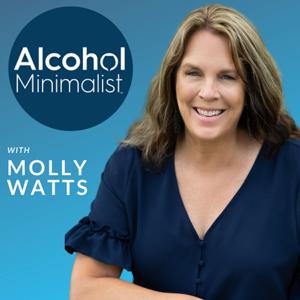

In this heartfelt and empowering conversation, Molly Watts welcomes Deb Gutierrez, a seasoned nutritional therapist and friend of the show. Deb shares her powerful story of surviving a life-threatening health crisis and how it reshaped her approach to wellness from the ground up.
Deb’s experience with endocarditis and open-heart surgery forced her to surrender control in ways she never expected. Her story offers a vivid reminder of why foundational habits—like moving your body, getting sunlight, and yes, minimizing alcohol—are critical not only for longevity but for resilience.
Together, Molly and Deb explore the importance of honoring your body, the long-term impact of nutritional and lifestyle choices, and how to stay connected to your "why" when making change.
Whether you're rethinking your relationship with alcohol or looking for inspiration to prioritize your health, this episode delivers hope, science-backed insight, and practical wisdom.
What You'll Learn:
Resources & Links:
Featured Quote:
“Minimizing alcohol is a foundational health habit—just like sleep, movement, and nutrition. These are the basics that build resilience when life throws the unexpected your way.” — Molly WattsLow risk drinking guidelines from the NIAAA:
Healthy men under 65:
No more than 4 drinks in one day and no more than 14 drinks per week.
Healthy women (all ages) and healthy men 65 and older:
No more than 3 drinks in one day and no more than 7 drinks per week.
One drink is defined as 12 ounces of beer, 5 ounces of wine, or 1.5 ounces of 80-proof liquor. So remember that a mixed drink or full glass of wine are probably more than one drink.
Abstinence from alcohol
Abstinence from alcohol is the best choice for people who take medication(s) that interact with alcohol, have health conditions that could be exacerbated by alcohol (e.g. liver disease), are pregnant or may become pregnant or have had a problem with alcohol or another substance in the past.
Benefits of “low-risk” drinking
Following these guidelines reduces the risk of health problems such as cancer, liver disease, reduced immunity, ulcers, sleep problems, complications of existing conditions, and more. It also reduces the risk of depression, social problems, and difficulties at school or work.
 View all episodes
 By Molly Watts, Mindful Drinking & Behavior Change Coach

4.8
156156 ratings
In this heartfelt and empowering conversation, Molly Watts welcomes Deb Gutierrez, a seasoned nutritional therapist and friend of the show. Deb shares her powerful story of surviving a life-threatening health crisis and how it reshaped her approach to wellness from the ground up.
Deb’s experience with endocarditis and open-heart surgery forced her to surrender control in ways she never expected. Her story offers a vivid reminder of why foundational habits—like moving your body, getting sunlight, and yes, minimizing alcohol—are critical not only for longevity but for resilience.
Together, Molly and Deb explore the importance of honoring your body, the long-term impact of nutritional and lifestyle choices, and how to stay connected to your "why" when making change.
Whether you're rethinking your relationship with alcohol or looking for inspiration to prioritize your health, this episode delivers hope, science-backed insight, and practical wisdom.
What You'll Learn:
Resources & Links:
Featured Quote:
“Minimizing alcohol is a foundational health habit—just like sleep, movement, and nutrition. These are the basics that build resilience when life throws the unexpected your way.” — Molly WattsLow risk drinking guidelines from the NIAAA:
Healthy men under 65:
No more than 4 drinks in one day and no more than 14 drinks per week.
Healthy women (all ages) and healthy men 65 and older:
No more than 3 drinks in one day and no more than 7 drinks per week.
One drink is defined as 12 ounces of beer, 5 ounces of wine, or 1.5 ounces of 80-proof liquor. So remember that a mixed drink or full glass of wine are probably more than one drink.
Abstinence from alcohol
Abstinence from alcohol is the best choice for people who take medication(s) that interact with alcohol, have health conditions that could be exacerbated by alcohol (e.g. liver disease), are pregnant or may become pregnant or have had a problem with alcohol or another substance in the past.
Benefits of “low-risk” drinking
Following these guidelines reduces the risk of health problems such as cancer, liver disease, reduced immunity, ulcers, sleep problems, complications of existing conditions, and more. It also reduces the risk of depression, social problems, and difficulties at school or work.
1,713 Listeners
1,082 Listeners

2,558 Listeners

27,775 Listeners
142 Listeners
1,372 Listeners

719 Listeners
1,245 Listeners
187 Listeners
563 Listeners
1,087 Listeners

19,524 Listeners

1,794 Listeners
472 Listeners
1,211 Listeners