Sober is Dope!

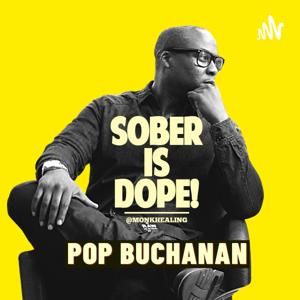
Sober is Dope!

By POP BuchananEducationSelf-Improvement
Download on the App Store

Sober is Dope! episodes

  • Overcoming Addictions by Deepak Chopra, M.D.
    Welcome to Sober is Dope Podcast with your host, POP Buchanan. This episode explores how spirituality can help with overcoming addiction. Please enjoy. Watch full video here 👉🏻 https://youtu.be/JvRmU8PmOIo
    Overcoming Addictions by Deepak Chopra, M.D.
    https://shop.chopra.com/books.html
    Most human behavior is nothing other than the avoidance of pain and the pursuit of pleasure. Whenever we experience an event, whether it’s a visit to the dentist or going on a joyride at the carnival, our consciousness registers that experience internally on a spectrum with great pain at one end and extreme pleasure at the other. Once completed, the memory of that experience is tagged to either pain or pleasure, and it continues to exist in our body-mind.
    Memory is useful because it gives us a sense of continuity. But memory is also imprisoning because it conditions us in predictable ways. The great yogi Lord Shiva said, “I use memories, but I do not allow memories to use me.” We have to use memories; otherwise we wouldn’t find our way home. When we use memories, we are creators. But when our memories use us, we become victims.
    Are you ready to step out of the prison of memory and conditioned responses into the experience of freedom? If so, then observe your addictive behaviors without judgment. Addiction is the number one disease of civilization, and it’s, directly and indirectly, related to all other diseases. Besides physical addictions, such as the addiction to food, tobacco, alcohol, and drugs, there are psychological addictions, such as the addiction to work, sex, television, shopping, appearing young, suffering, anxiety, melodrama, perfection.
    Why are we addicted to all these things? We are addicted because we are not living from our source; we have lost our connection to our soul. The use of food, alcohol, or drugs is essentially a material response to a need that is not really physical at its foundation. Drunkenness, for example, is really a forgetting of personal memory so we can experience the joy of the non-personal, the universe. What we are looking for is pure joy rather than mere sensation, or even oblivion of sensation. Self-destructive behavior is unrecognized spiritual craving. All addictions are really a search for the exultation of spirit, and this search has to do with the expansion of consciousness, the intoxication of love, which is pure consciousness.
    28 min
  • The Stigma of Relapse (Let’s Try That Again) Don’t Beat Yourself Up!
    Welcome to the Sober is Dope Podcast with your host, POP Buchanan. This episode talks about Relapse as a health issue versus a moral issue. We also ask for society to show compassion for the addict. This episode encourages the addict to not beat yourself up after relapse, and to immediacy try to get back on the wagon. If you know anyone that recently suffered a relapse please show them some love, and share this episode. Thank you, SAMHSA for the amazing clip. Thank you
    SAMHSA-Addiction as a disease
    https://youtu.be/kGwo-CMTcVs
    How to Survive Relapse by Sober is Dope
    https://anchor.fm/soberisdope/episodes/How-to-Survive-Relapse-IMPORTANT-Stages-of-Relapse--and-Techniques-to-Prevent-Relapse-e4tohi
    32 min
  • Roadmap to Recovery Pt. 2 (Triggers, The Wall, Adjustment) SAMHSA - Matrix Model
    Welcome to the Sober is Dope Podcast with your host, POP Buchanan. This episode is part of our Back to the Basics, Recovery Roadmap series. The goal of this episode is to point out the stages of recovery, and prevent relapse. Thanks SAMHSA for this amazing information.
    SAMHSA
    Client Handbook
    https://store.samhsa.gov/system/files/sma15-4154.pdf
    Recovery Road Map Videos
    SAMHSA
    Part 1 - https://youtu.be/dkAY8m-uJI0
    Part 2- https://youtu.be/bQPc8oNnrO8
    Part 3- https://youtu.be/t934V54b2DE
    Part 4- https://youtu.be/0VCTiLVEPlk
    Part 5- https://youtu.be/gUWyVkta1Bw
    Part 6- https://youtu.be/m8QXHTAJvZs
    Recovery from a substance use disorder is not a
    mysterious process. After the use of substances is
    stopped, the brain goes through a biological
    readjustment. This readjustment process is
    essentially a “healing” of the chemical changes
    that were produced in the brain by substance use.
    It is important for people in the beginning stages
    of recovery to understand why they may experience some physical and emotional difficulties. The durations of the stages listed below are a rough guide of recovery, not a schedule. The length of stages will vary from person to person. The substance used will affect the client’s progress through the stages, too. Clients who had been using methamphetamine will tend to spend more time in each stage than clients who were using cocaine or other stimulants.
    The Stages
    Withdrawal Stage (1 to 2 weeks)
    During the first days after substance use is stopped, some people experience difficult symptoms. The extent of the symptoms often is related to the amount, frequency, and type of their previous substance use.
    Early Abstinence (4 weeks; follows Withdrawal)
    For people who used stimulants, this 4-week period is called the Honeymoon. Most people feel quite good during this period and often feel “cured.” As a result, clients may want to drop out of treatment or stop attending 12-Step meetings during the Honeymoon period. Early abstinence should be used as an opportunity to establish a good foundation for recovery. If clients can direct the energy, enthusiasm, and optimism felt during this period into recovery activities, they can lay the foundation for future success.
    Protracted Abstinence (3.5 months; follows Early Abstinence)
    From 6 weeks to 5 months after clients stop using, they may experience a variety of annoying and troublesome symptoms. These symptoms—difficulties with thoughts and feelings—are caused by the continuing healing process in the brain. This period is called the Wall. It is important for clients to be aware that some of the feelings during this period are the result of changes in brain chemistry. If clients remain abstinent, the feelings will pass. The most common symptoms are depression, irritability, difficulty concentrating, low energy, and a general lack of enthusiasm. Clients also may experi- ence strong cravings during protracted abstinence. Relapse risk goes up during this period. Clients must stay focused on remaining abstinent one day at a time. Exercise helps tremendously during this period. For most clients, completing this phase in recovery is a major achievement.
    Readjustment (2 months; follows Protracted Abstinence)
    After 5 months, the brain has recovered substantially. Now, the client’s main task is developing a life that has fulfilling activities that support continued recovery. Although a difficult part of recovery is over, hard work is needed to improve the quality of life. Because cravings occur less often and feel less intense 6 months into recovery, clients may be less aware of relapse risk and put themselves in high-risk situations and increase their relapse risk.

    35 min
  • Roadmap to Recovery Pt. 1 (Withdrawal, Abstinence, Relapse Prevention) SAMHSA - The Matrix Model
    Welcome to the Sober is Dope Podcast with your host, POP Buchanan. This episode is part of our Back to the Basics, Recovery Roadmap series. The goal of this episode is to point out the stages of recovery, and prevent relapse. Thanks SAMHSA for this amazing information.
    SAMHSA
    Client Handbook
    https://store.samhsa.gov/system/files/sma15-4154.pdf
    Recovery Road Map Videos
    SAMHSA
    Part 1 - https://youtu.be/dkAY8m-uJI0
    Part 2- https://youtu.be/bQPc8oNnrO8
    Part 3- https://youtu.be/t934V54b2DE
    Part 4- https://youtu.be/0VCTiLVEPlk
    Part 5- https://youtu.be/gUWyVkta1Bw
    Part 6- https://youtu.be/m8QXHTAJvZs
    Recovery from a substance use disorder is not a
    mysterious process. After the use of substances is
    stopped, the brain goes through a biological
    readjustment. This readjustment process is
    essentially a “healing” of the chemical changes
    that were produced in the brain by substance use.
    It is important for people in the beginning stages
    of recovery to understand why they may experience some physical and emotional difficulties. The durations of the stages listed below are a rough guide of recovery, not a schedule. The length of stages will vary from person to person. The substance used will affect the client’s progress through the stages, too. Clients who had been using methamphetamine will tend to spend more time in each stage than clients who were using cocaine or other stimulants.
    The Stages
    Withdrawal Stage (1 to 2 weeks)
    During the first days after substance use is stopped, some people experience difficult symptoms. The extent of the symptoms often is related to the amount, frequency, and type of their previous substance use.
    Early Abstinence (4 weeks; follows Withdrawal)
    For people who used stimulants, this 4-week period is called the Honeymoon. Most people feel quite good during this period and often feel “cured.” As a result, clients may want to drop out of treatment or stop attending 12-Step meetings during the Honeymoon period. Early abstinence should be used as an opportunity to establish a good foundation for recovery. If clients can direct the energy, enthusiasm, and optimism felt during this period into recovery activities, they can lay the foundation for future success.
    Protracted Abstinence (3.5 months; follows Early Abstinence)
    From 6 weeks to 5 months after clients stop using, they may experience a variety of annoying and troublesome symptoms. These symptoms—difficulties with thoughts and feelings—are caused by the continuing healing process in the brain. This period is called the Wall. It is important for clients to be aware that some of the feelings during this period are the result of changes in brain chemistry. If clients remain abstinent, the feelings will pass. The most common symptoms are depression, irritability, difficulty concentrating, low energy, and a general lack of enthusiasm. Clients also may experi- ence strong cravings during protracted abstinence. Relapse risk goes up during this period. Clients must stay focused on remaining abstinent one day at a time. Exercise helps tremendously during this period. For most clients, completing this phase in recovery is a major achievement.
    Readjustment (2 months; follows Protracted Abstinence)
    After 5 months, the brain has recovered substantially. Now, the client’s main task is developing a life that has fulfilling activities that support continued recovery. Although a difficult part of recovery is over, hard work is needed to improve the quality of life. Because cravings occur less often and feel less intense 6 months into recovery, clients may be less aware of relapse risk and put themselves in high-risk situations and increase their relapse risk.
    39 min
  • Gratitude over Fear (The Highway to Happiness) Dedicated to Team CH
    Welcome to the Sober is Dope Podcast with your host, POP Buchanan. This episode is called gratitude over fear. I dedicated this episode to all the members and youth at WakeUp Carolina: Creighton's House. I am excited to be part of
    your Community. Thank you, Nancy and Nate, for the love, and warmth. I am proud of your movement. The purpose of this episode is to highlight the importance of using gratitude to help with our recovery. Gratitude can help remove anger and fear and drive creativity. Please enjoy. Please support WakeUp Carolina. For more information, please visit the website below. Thank you.
    WakeUp Carolina
    https://wakeupcarolina.org/
    27 min
  • Creighton’s House Motivation CS #22 Dedication 22 Forever Thank you, Creighton Shipman
    Welcome to the Sober is Dope Podcast with your host, POP Buchanan. This episode is dedicated to Creighton Shipman, the Shipman Family, WakeUp Carolina, and the entire Creighton’s House community.
    Creighton's death has sparked something in all of us. We will continue to share his story and legacy. Special thanks to Nanci, Lee, Wheaton, Jack, and Hollis Shipman for your courage. Creighton’s legacy lives on. This episode is a message to the youth at Creighton’s house. I dedicate this to you. Enjoy some music, prayers, and motivation. Let's celebrate our recovery and the life of Creighton. Long live Creighton. God bless everyone at WakeUp Carolina and Creighton’s House. 22Forever. Please enjoy. WakeUp Carolina - https://wakeupcarolina.org/
    48 min
  • Childhood Trauma and Abuse (Healing Childhood Trauma as an Adult)
    Welcome to the Sober is Dope Podcast with your host, POP Buchanan. This episode talks about Childhood Trauma. Childhood trauma can occur when a child witnesses or experiences overwhelming negative experiences in childhood. Many childhood experiences can overwhelm a child. This can happen in relationships e.g. abuse, neglect, violence. This is called interpersonal trauma. Children can also experience traumatic events. Here are some steps to healing.
    Healing Childhood Trauma as an Adult
    1. Trauma generates emotions, and unless we process these emotions at the time the trauma occurs, they become stuck in our mind and body. ...
    2. Why we don't always feel our feelings. ...
    3. Ground it. ...
    4. Name it. ...
    5. Feel and experience it. ...
    6. Receive its message and wisdom. ...
    7. Share it. ...
    8. Let it go.
    Ample evidence has shown that childhood trauma compromises neural structure and function, rendering an individual susceptible to later cognitive deficits and psychiatric illnesses, including schizophrenia, major depression, bipolar disorder, Posttraumatic Stress Disorder (PTSD), and substance abuse.
    Thank you Psych2Go for the informative clips, and please enjoy it.
    Psych2Go
    7 Ways Childhood Abuse Follows You
    https://youtu.be/9rkHYBJ04T4
    6 Ways to Heal From Childhood Emotional Abus
    https://youtu.be/s0t_pRYBxhE
    42 min
  • Good & Healthy with Chris Bevacqua (Science-Based Sobriety)
    Welcome to the Sober is Dope Podcast with your host, POP Buchanan. This episode is called Good and Healthy. This episode is inspired by our friend Chris Bevacqua and his journey in recovery. Chris Bevacqua is a Registered Holistic Nutritionist (RHNP) and creator of Good & Healthy Nutrition. Chris transformed his life from active addiction to being a Youth Counselor, Sober Coach, and Nutritionist. Chris has an amazing philosophy. Click here to learn more about Chris and Science-Based sobriety. 👉🏻👉🏻
    http://www.goodandhealthynutrition.com/sober-coaching.html
    Chris’s Philosophy-
    “In both my addiction and nutrition practice, I employ a Harm Reduction Approach 
    If you're unfamiliar with Harm Reduction, it simply means reducing the harm in one's life
    Essentially, this means cutting back the negatives while slowly increasing the positives  
    I understand that change takes time and that you can't rush the process 
    In Harm Reduction, this is called "meeting your client where they're at"
    This is why my programs are built around working within your comfort zone and setting you up to win 
    There's no such thing as one size fits all - everyone’s journey to great health and confidence will look different but the tools used along the way tend to be the same
    I'm here to provide you with these tools, to empower you to use them and support you along the way 
    It's true that people can recover from their addictions, from food, alcohol or otherwise  
    It takes time and effort but it can be done
    There's no need to struggle alone, reach out for help today” - Chris Bevacqua🥇
    Contact Chris
    Instagram- https://www.instagram.com/good_n_healthy/
    Twitter-https://twitter.com/chris_bevacqua
    http://www.goodandhealthynutrition.com
    Good and Healthy Online program: https://goodandhealthy.teachable.com/p/good-and-healthy-program/?preview=logged_out
    Good and Healthy Newsletter - https://forms.aweber.com/form/51/604721651.htm
    Contact Chris today for your free consultation at [email protected]
    30 min
  • Conquer Toxic Anger 🙏🏽 (How to let go of the Anger Script) Mental Health and Recovery
    Welcome to the Sober is Dope Podcast with your host, POP Buchanan. This episode talks about anger. Toxic anger can lead to mental health, health, and psychological issues. Anger management is an important part of our recovery. Please enjoy these insights, tips, and affirmations for dealing with anger. Thank you, Dr. Tracey Marks, for this amazing information. God bless.
    Dr. Tracey Marks - Affirmation Meditation
    Let Go of Anger https://youtu.be/CBGGDPc1sUE
    29 min
  • Analysis Paralysis (A Sober is Dope Update)
    Welcome to the Sober is Dope Podcast with your host, POP Buchanan. This episode talks about the importance of not overwhelming ourselves with doubt, fears, and imaginary obstacles. We urge you to look out for analysis paralysis. Analysis paralysis or paralysis by analysis is the state of over-analyzing (or over-thinking) a situation so that a decision or action is never taken, in effect paralyzing the outcome. Thank you for everyone that helped the Sober is Dope Podcast reach 24k downloads. We love you all. Please
    Enjoy.
    29 min

About Sober is Dope!

From the publisher's feed

Embark on your transformative journey from addiction to sobriety with the Sober is Dope Revolution, your ultimate Sober Empowerment HUB! Join POP Buchanan, author of the Sober is Dope Book and an…

More shows like Sober is Dope!

Recovery Elevator by Paul Churchill

Recovery Elevator

1,710 Listeners

The School of Greatness by Lewis Howes

The School of Greatness

21,047 Listeners

The Addicted Mind Podcast by Duane Osterlind, LMFT

The Addicted Mind Podcast

622 Listeners

This Naked Mind Podcast by Annie Grace

This Naked Mind Podcast

2,548 Listeners

The Diary Of A CEO with Steven Bartlett by DOAC

The Diary Of A CEO with Steven Bartlett

8,327 Listeners

Feel Better, Live More with Dr Rangan Chatterjee by Dr Rangan Chatterjee: GP & Author

Feel Better, Live More with Dr Rangan Chatterjee

3,612 Listeners

Addiction Unlimited Podcast by Angela Pugh

Addiction Unlimited Podcast

505 Listeners

On Purpose with Jay Shetty by Perfect Strangers

On Purpose with Jay Shetty

27,905 Listeners

Over The Influence: The Alcohol Free Podcast by Over The Influence

Over The Influence: The Alcohol Free Podcast

77 Listeners

A Bit of Optimism by Simon Sinek

A Bit of Optimism

2,207 Listeners

How I quit alcohol by Danni Carr

How I quit alcohol

184 Listeners

Huberman Lab by Scicomm Media

Huberman Lab

29,068 Listeners

Sober Awkward by soberawkward

Sober Awkward

364 Listeners

The Mel Robbins Podcast by Mel Robbins

The Mel Robbins Podcast

18,912 Listeners

Sober Motivation: Sharing Sobriety Stories by Brad McLeod

Sober Motivation: Sharing Sobriety Stories

617 Listeners