
Sign up to save your podcasts
Or

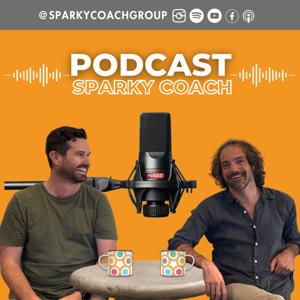


Today Cam + Joey take us through a few “Close The Month” examples of a smaller business (ie tradie + apprentice).
In this episode:
-how to review figures against the Beastimator (revenue, COGs, GP, COO, NP)
-highlighting the key patterns (workload, staffing, billable hours, invoicing on time, importance of cashflow, measuring and back costing jobs to identify where it went right or wrong)
-the importance of knowing your strengths and leaning into the these (ie service, project, commercial etc)
-understanding your target market + knowing how to best lean into it
Enjoy the podcast!
Much love x
Content Type
Interview
Primary Goal
Educational
Summary
In this episode, Cameron and Joey explore how different business models, external influences, and internal strategies impact business performance, focusing on real-world examples from various regions and sectors.
Keywords
business performance, business models, external influences, profitability, trade skills, business growth, cash flow, operational efficiency
Key Topics
Impact of location and sector on business performance
Role of market awareness and reputation
Importance of invoicing and admin processes
Strategies for focusing on profitable work
External influences and personal circumstances
Business model variations and their effects
Profit margins and cost management
Confidence building through specialization
The significance of consistent cash flow
Sound Bites
"Leaning into your environment is key to success"
"Consistency builds confidence and clarity"
"Understanding the story your numbers tell is crucial"
Chapters
00:00 Introduction to Business Models and External Influences
02:16 Regional Business Case Study: Western Australia
04:20 Diverse Sectors and Profitability
05:09 Quarterly Performance and Business Growth
09:36 Regional Business Insights: Hunter and Central Coast
12:19 Consistency and Focus in Business Strategy
17:55 Financial Results and Profit Margins
18:47 External Influences and Business Adaptation
24:37 Sydney Business Case and Admin Challenges
27:30 The Importance of Admin and Processes
29:56 Achieving Business Consistency and Confidence
Welcome Aaron Roberts from Radicool Air Conditioning + Electrical for his first ever podcast!
Radicool is based out of the trade god approved country aka the Sunshine Coast. He has a team of 15 including operations managers, service managers, project managers, admin, tradies + apprentices.
Today Robbo shares 8 lessons in 8 years as follows:
-business is harder than you think
-try not to be personally attached
-build a good team around you
-keeping it simple
-get stuff out of your head
-look after yourself
-enjoy the moment
-be nice
Enjoy the podcast!
Much love x.
Summary
Aaron Roberts, owner of Radical Air Conditioning on Queensland’s Sunshine Coast, reflects on eight lessons from eight years building his HVAC business. In conversation with host Greg Crowe, he shares practical lessons on hiring, simplifying systems, documenting business knowledge, protecting his wellbeing, staying present, and leading with kindness.
Keywords
Aaron Roberts, Radical Air Conditioning, HVAC business, trade business lessons, business owner, hiring tradespeople, job management systems, tradie wellbeing, Sunshine Coast
Key Topics
Aaron Roberts started Radical Air Conditioning after 11 years in Brisbane and an exhausting Sunshine Coast commute of at least four hours a day.
The company grew to roughly 15 or 16 people, including eight tradespeople, five apprentices, and three admin staff, focusing on HVAC and some electrical work.
Lesson 1: Business ownership is harder than it looks, and presentation and technical skill alone do not guarantee work or business ability.
Lesson 2: Avoid taking every lost quote or departing employee personally; consider their perspective and look for patterns instead.
Lesson 3: Build a team that complements the company’s strengths and weaknesses, and hire for both relevant skills and fit.
Lesson 4: Keep onboarding and processes simple; too many apps and logins can overwhelm staff and make systems less likely to be used.
Lesson 5: Get business knowledge out of the owner’s head and into the job-management system, procedures, and team workflows.
Lesson 6: Exercise and other restorative activities help Aaron manage his wellbeing and show up better as a business owner and family member.
Lessons 7 and 8: Be present with family and work, and lead with kindness, honesty, and low ego to build trust and a workplace people want to join.
Takeaways
starting and running a business is not as easy as it looks from the outside
try not to be personally attached, which is super hard to do
build a good team around you that cater for your strengths and weaknesses
keep it simple, stupid
get stuff out of your head
look after yourself as in myself, a business owner, physically and mentally
enjoying the present moment
be nice
the simpler it is, the more that it will get used
nothing's ever perfect, so continue working on yourself
Sound Bites
"get stuff out of your head"
"enjoying the present moment"
"continue to learn"
Chapters
00:00 Coaching staff, reviewing quotes, and setting up the conversation
03:45 Why Aaron started Radical Air Conditioning
06:44 Eight lessons from eight years in business
09:25 Lesson 2: Don’t take every departure or lost quote personally
14:56 Lesson 3: Build a team that complements your weaknesses
19:47 Lesson 4: Keep onboarding and systems simple
23:27 Lesson 5: Document what’s in your head
28:02 Hiring admin and valuing a friendly voice on the phone
31:06 Lesson 6: Look after your physical and mental health
37:34 Lesson 7: Stay present instead of living in the future
39:45 Lesson 8: Be nice, honest, and low-ego
44:29 Eight lessons recap and the importance of personal development
If you’re winning every job you quote, something’s wrong. In this one we get into why losing the right sales makes your business stronger.
In this episode we discuss:
Hope you enjoy the pod!
Much love x
Plenty of people will tell you how to win more sales, in this podcast we go through why you should lose some.
Summary
In this episode, Greg Crowe shares essential sales principles for business success, emphasizing the importance of losing the right sales to build a strong reputation, attract ideal clients, and ensure both parties win. Learn practical tips on how to refine your sales approach, understand your market, and prioritize long-term relationships over short-term wins.
Keywords
sales, business growth, client relationships, reputation, margins, sales tips, business strategy, client fit, branding, communication
Key Topics
The importance of both parties winning in a sale
Why not every client is a good fit
The role of reputation and trust in sales
Knowing your numbers and margins
The value of honest communication and follow-up
How to identify and prioritize ideal clients
The impact of brand presentation and professionalism
Why you should sometimes walk away from a sale
The long-term benefits of losing the wrong clients
Building a business based on integrity and trust
Chapters
00:00 Introduction: The importance of losing the right sales
02:26 Story: Choosing the right surfboard and integrity in sales
04:48 Knowing your business and market to make better sales decisions
06:14 The importance of asking the right questions during sales
07:40 Refining your sales process and understanding client needs
08:37 The significance of knowing your numbers and margins
10:04 Presenting your product with pride and evolving your customer experience
11:02 The power of professional presentation and communication
13:19 Why not every client is an ideal fit
15:10 The risks of taking on unsuitable clients
16:01 The importance of aligning with your core market
17:29 Understanding payment terms and financial risks
18:27 The pitfalls of quoting on anonymous platforms
19:15 The value of targeting ideal clients and building trust
20:42 The impact of wrong clients on your business
24:14 The benefits of focusing on ideal clients and better work
24:44 Why winning everything might mean you're the cheapest
26:32 Building brand trust and reputation over time
27:25 Sowing seeds of trust and long-term success
28:16 Conclusion: Win the client, lose a sale for better business
What you do in October + November decides if February is a flop or a success.
This “All I want for Christmas Is A Market Wage + A Business Net Profit Of 20-35%” series is about getting on the front foot for the back end of the year.
In this episode:
-how to get ready for the “busy” season ahead
-why “busy-ness” is like a rocking chair (it gives you something to do but it gets you nowhere)
-the importance of closing the week (it should be the only thing to stay not the first thing to go!!)
-being up to date on quotes, invoices + variations
-how an excellent 30-35 hours beats a good 50-60
-valuing headspace + making good decisions
May this podcast help + inspire you as you build a business that is a blessing to yourself, your family, your clients, your staff, your community, and anyone who comes in contact with it.
Much love x
Summary
Greg Crowe shares practical strategies for business owners to plan ahead, recognize patterns, and work effectively to build a sustainable and profitable business. This episode emphasizes the importance of long-term vision, efficient work habits, and maintaining control over finances.
Keywords
business planning, efficiency, long-term vision, cash flow, invoicing, client management, business growth, productivity, work-life balance, strategic planning
Key Topics
Recognizing busy patterns at year-end
The importance of long-term planning and vision
Effective work hours and productivity
Cash flow management and invoicing discipline
Client relationship and experience management
Strategic hiring and delegation
Order and process optimization in projects
Closing weekly financial and operational gaps
Self-management as a business owner
Sowing seeds for future success
Action Items
Plan your February now by recognizing demand patterns.
Normalize working 30 to 38 hours a week, not after hours.
Ensure weekly revenue exceeds weekly expenditure.
Close the week every week to get accurate data.
Identify bottlenecks in invoicing, quoting, and project management.
Delegate tasks to improve efficiency and free up time.
Focus on long-term vision and sow seeds for future success.
Sound Bites
"Your business should provide a market wage plus super."
"Stop talking negatively about your business."
"Close the week. It's the only thing that should stay."
Chapters
00:00 Introduction: Planning Ahead for Business Success
00:29 Recognizing Busy Patterns and Demand Cycles
01:25 The Power of Recognizing Business Patterns
02:20 Long-Term Vision and Building Wealth
04:05 The Cost of Overworking and Negative Talk
05:03 Starting February Planning Now
05:31 Cash Flow and Invoicing Discipline
06:01 Identifying Bottlenecks and Pain Points
07:27 Work Effectively and Efficiently
08:51 The Myth of Normalizing After Hours Work
10:00 Hiring and Client Management Strategies
12:21 Slowing Down and Planning in Busy Seasons
13:19 Maintaining Quotes and Invoicing Up to Date
15:37 Client Experience and Feedback
16:05 Invoicing, Variations, and Backlogs
17:25 Focusing on One Thing at a Time
18:25 Closing the Week and Financial Discipline
20:19 Data-Driven Decision Making
21:17 Final Thoughts: Consistency and Self-Care
Today Cam + Joey take us through how to best plan for the busy / holiday season ahead.
In this episode:
Let’s get on the front for the back end of the year!
Much love x
Summary
In this episode, Cam and Joey discuss how tradespeople can effectively plan for December and January to ensure a prosperous and stress-free holiday season. They cover key dates, staffing, holiday planning, invoicing, and maintaining cash flow, providing practical tips to start the new year strong.
Keywords
trade business, holiday planning, December January, invoicing, staffing, cash flow, business tips, end of year, new year planning
Key Topics
Takeaways
Sound Bites
Chapters
00:00
Introduction and episode overview
02:45
Understanding December's schedule and key dates
06:09
Forecasting work and managing client expectations
08:39
Planning Christmas parties and team celebrations
12:01
Setting leave dates and holiday shutdowns
14:19
On-call coverage and emergency planning over Christmas
17:17
Final workday and return date planning
18:27
Checking wholesaler hours and material availability
20:22
Managing workload and overflow work in December
24:37
Final invoicing and cash flow considerations
28:09
Customer communication and holiday notifications
29:41
Securing tools, equipment, and site assets
32:04
Vehicle and workspace organization for the new year
35:43
Awareness of public holidays and scheduling pitfalls
37:11
Preparing for a strong start in January
38:33
Closing remarks and holiday wishes
Running a business with your partner can make you or break you. Megan and her husband Lachlan have run Impact Electrical on the Central Coast NSW for 8 years. They’ve built a crew of 9 that includes an ops manager, an estimator, tradies and apprentices, and they cover Level 2, commercial, industrial, projects and service work.
Megan shares her 6 biggest lessons:
-why your partner in the business needs to be a weapon at their role
-building the right team around you (accountant, bookkeeper, coach, broker)
-recruiting staff worth keeping, and actually keeping them
-sleeping on big or emotional decisions before you make them
-having the hard conversations most owners avoid
-knowing your numbers
If you’re running a sparky business with your other half, send this one to them.
Much love,
Crowe x
Summary
In this episode, Megan shares her insights on building a successful business partnership, recruiting the right team, and managing business finances effectively. Discover practical tips for growing your electrical business and creating a positive team culture.
Keywords
business partnership, team building, recruiting, electrical business, business finances, leadership, business growth, team culture, work-life balance
Key Topics
Importance of building a good team around you
Recruitment questions and interview tips
How to retain staff and create a positive culture
Managing business finances and understanding numbers
The significance of saying no and taking time to reflect
The role of a business coach and ongoing learning
Investing in equipment and team resources
Future growth plans and expanding into level two work
Sound Bites
"It's all about roles and responsibilities."
"Small gestures create a positive culture."
"Know your numbers to grow your business."
Chapters
00:00 Introduction to Megan and her business journey
03:46 The importance of clear roles and boundaries
07:08 Choosing the right accountant and financial advisor
09:36 Selecting a business coach and ongoing support
10:36 Recruitment strategies and interview questions
12:24 Hiring your partner for the right skills
13:30 The importance of temperament and personality in team members
14:48 The significance of good onboarding and probation periods
17:20 Effective recruitment practices and avoiding common pitfalls
20:07 How to structure interview questions
22:13 Probation periods and performance reviews
27:09 Retaining staff and creating a positive work environment
28:44 The impact of small gestures and company culture
30:55 Investing in equipment and team resources
33:35 The importance of taking time before making decisions
35:19 Having difficult conversations with staff
37:34 Providing constructive feedback effectively
38:30 Knowing your numbers and financial metrics
41:18 Understanding business metrics and improving profitability
44:48 Final reflections and future plans
What you do in October + November decides if February is a flop or a success.
This “All I want for Christmas Is A Market Wage + A Business Net Profit Of 20-35%” series is about getting on the front foot for the back end of the year.
In this episode:
-how to get ready for the “busy” season ahead
-why “busy-ness” is like a rocking chair (it gives you something to do but it gets you nowhere)
-how to plan out your on site capacity for the rest of the year
-cash is king! Ensuring cash is in the bank + you are getting paid (see pod #341)
-identifying the key bottlenecks (ie supply, demand, profit) and then making a plan accordingly
May this podcast help + inspire you as you build a business that is a blessing to yourself, your family, your clients, your staff, your community, and anyone who comes in contact with it.
Much love x
Your February Starts Now - Part 2
Greg Crowe continues the series by pushing business owners to get in front of the busy season instead of being surprised by it. This episode focuses on planning capacity, protecting cash, and identifying the real bottleneck in the business before the end of the year creates pressure.He also ties the strategy back to long term reputation and profitability, reminding listeners that the decisions made now shape what the business looks like 3 to 6 months from today.
Key topics
Timestamps
00:00 - Why part two is about getting on the front foot
00:49 - Business results come from decisions made months earlier
02:46 - Recap of part one and the shift into planning mode
03:16 - Forecast on-site capacity before the year ends
05:35 - How much work is actually already on the books?
06:34 - Hiring apprentices and building around strong performers
08:00 - Stop holding onto average staff and average clients
09:27 - Why it is too early to push work into next year
10:23 - Respect annual leave and keep your team refreshed
12:35 - Use simple forecasting to see capacity problems early
13:05 - How much work can you actually say yes to?
14:30 - Cash is king and cash in bank is what matters
16:01 - Send invoices fast, but do not confuse invoicing with payment
17:24 - Forecast shutdown cash needs before Christmas hits
18:52 - Identify whether the real bottleneck is supply, demand, or profit
20:40 - The harsh reality check: current facts versus long term faith
22:02 - Close the week and month to see what is really working
23:26 - Gross profit, net profit, and why simple measurement wins
24:51 - Why businesses need to measure jobs and days properly
25:20 - The golden triage: when staff, work, and profit all line up
26:46 - Wrap up and preview of part three
Today on the podcast it’s a panel discussion (recorded at our live event this week on the Gold Coast) hosted by Cam ft Fordy (New Age Electrical), Hib (Hib Electrical) + Josey (Bremner Electrical).
All four of these guys have released admin + operations and they are here to share their insights, thoughts, success stories, horror stories, and everything in between.
At Sparky Coach we have developed what we call the “critical pathway” where it shows you what order to let what tasks go.
What’s the one task you’re still doing that someone else should own by Christmas? Feel free to reach out if you need a hand navigating!
Enjoy the pod!
Much love x
Content Type
Panel
Summary
In this episode, Greg Crowe hosts a panel with Hib, Forty, Josie, and Joe to explore the journey of delegating admin and operational tasks in business. They share insights on recognizing the need for help, hiring the right people, and stress-testing business systems through time away.
Keywords
business delegation, admin support, hiring, business growth, operational efficiency, team management, stress testing, business systems, leadership, entrepreneurship
Key Topics
Recognising the need for admin help
Hiring the right support staff
Building processes for delegation
Stress testing business systems through time away
Developing trust and team culture
Handling false starts in hiring
Setting clear roles and expectations
The impact of delegation on business growth
Learning from mistakes in delegation
The importance of ongoing training and development
Sound Bites
"You just gotta bring in and figure it out"
"You're better off employing someone better than you"
"You can't run a business without admin support"
Chapters
00:00 Introduction and Panel Overview
01:19 Snapshot of Business Structures
03:29 Recognizing the Need for Help
05:27 First Experiences with Admin Support
07:23 Timing and Readiness for Delegation
09:32 Apprehensions and Challenges in Delegation
11:44 Training and Process Development
13:05 Hiring the Right Person
16:08 False Starts and Lessons Learned
18:11 The Power of Trust and Team Culture
21:21 Building a Supportive Hiring Process
24:50 Cost and Value of Delegation
27:27 Stress Testing Business Systems
33:36 Travel as a Stress Test
36:37 Setting Expectations and Roles
40:46 Involving Staff in Business Performance
44:57 Developing Future Leaders
48:50 Overcoming Hesitations and Barriers
52:33 Closing Remarks and Final Thoughts
You are doing a good job, with good people, for good people, using good materials, for good money (on paper). Cool. None of it counts until the money hits your account.
In this episode:
-why invoicing + getting paid should be the BEST part of your week
-the fear behind late invoices + variations, and how to face it head on
-sending invoices + variations on time, every time
-talking about money on site, and in the office, before it becomes a problem
-having someone chase up overdue invoices every single week
Remember, the only way to get better about talking about money is to talk about money.
Combine talking about money with knowledge of money (ie GP, NP, %’s etc) and you will progress much faster in building a business that is a blessing to yourself, your family, your clients, your staff, your community, and anyone who comes in contact with it.
Much love x
Primary goal
Educational
Summary
In this episode, Greg Crowe explores the three key reasons why businesses often struggle to receive payments and how to overcome these obstacles. He emphasizes the importance of timely invoicing, clear communication, and aggressive follow-up on receivables to ensure cash flow and business success.
Keywords
business cash flow, invoicing, receivables, communication, business tips, payment collection, financial management, entrepreneurship, small business, Greg Crowe
Key Topics
The importance of invoicing and getting paid
Common reasons for delayed payments
How fear and disorganization affect invoicing
Strategies for timely invoicing and variations
The role of communication in payment collection
Chasing overdue receivables effectively
Using systems like Dave for business management
The mindset shift needed for better cash flow
Takeaways
Invoicing and getting paid should be the best part of your week.
Fear and disorganization are major barriers to timely payments.
Communicate clearly and regularly about invoices and variations.
Always send invoices on site or immediately after work.
Chase overdue receivables weekly and persistently.
Use systems to track and manage receivables effectively.
Understand your numbers to communicate value confidently.
Sound Bites
"Invoicing and getting paid should be the best part of your week."
"Fear and disorganization are major barriers to timely payments."
"Chase overdue receivables weekly and persistently."
Chapters
00:00 Introduction: Why Cash Flow Matters
01:53 The Root Causes of Payment Delays
03:48 Fear and Disorganization as Barriers
06:04 The Power of Timely Invoicing
07:52 Systematizing Invoicing and Admin
10:01 Communicating About Variations and Extra Costs
11:47 The Importance of Regular Follow-Up
14:00 Using Numbers to Strengthen Payment Conversations
15:56 Chasing Overdue Receivables Effectively
17:48 Case Studies and Personal Stories
19:56 Taking Control of Your Cash Flow
21:52 Final Tips and Mindset Shifts
23:45 Conclusion: Make Invoicing the Best Part of Your Week
Welcome to the “All I Want For Christmas Is A Market Wage + A Business Net Profit Of 20-35%” series!
This series is about getting on the front foot for the back end of the year, and yes it’s obvs inspired by the greatest Christmas album of all time (Mariah Carey of course).
In part 1 we go through the following including, but not limited to:
-how to get ready for the “busy” season ahead
-why “busy-ness” is like a rocking chair (it gives you something to do but it gets you nowhere)
-recognising the key bottlenecks where your business may be caught out
-setting clear standards + vision across all aspects of your company
-ensuring you always treat your ideal clients well
-getting ready for February which starts now!
May this podcast help + inspire you as you build a business that is a blessing to yourself, your family, your clients, your staff, your community, and anyone who comes in contact with it.
Much love x
Primary Goal
Educational
Summary
In this episode, Greg Crowe shares practical strategies for finishing the year strong and setting up for success in the new year. He emphasizes the importance of setting standards, treating clients well, and planning ahead to ensure profitability and reputation management.
Keywords
business growth, year-end planning, client relations, profitability, standards, team management
Key Topics
Year-end planning and preparation
Importance of setting standards and vision
Treating clients and staff well
Financial discipline and paying yourself a market wage
Building relationships for future success
Recognizing patterns and bottlenecks in business
The impact of busyness versus productivity
Strategic planning for January to March
Sound Bites
"Worrying's like a rocking horse. It gives you something to do, but it gets you nowhere."
"Busy being busy isn't a benchmark of success. It's a skid mark to avoid."
"All I want for Christmas is a market wage and a business net between 20 and 35 percent."
Chapters
00:00 Introduction: Why Year-End Planning Matters
00:27 The Common Distractions During Year-End
01:19 Understanding Christmas as a Business Deadline
01:48 Goals for a Thriving Business Next Year
02:17 Paying Yourself a Market Wage and Super
03:14 The Benefits of Treating Yourself as an Employee
04:07 Financial Discipline and Budgeting
05:06 Recognizing Business Patterns and Hotspots
06:05 The Power of Pattern Recognition in Business
07:26 Maintaining Reputation and Standards
09:23 Focusing on Your Role and Delegation
11:14 Setting Standards and Vision for Your Business
12:39 Defining Your Business's Core Values
14:22 Communicating Standards to Your Team
15:47 Treating Your Ideal Clients Well
18:30 Consistency in Client Relations
20:00 Building Long-Term Client Relationships
21:28 Starting Now for a Successful Next Year
23:21 The Importance of Quoting and Relationship Building
24:15 Final Thoughts: Focus, Standards, and Planning
From the publisher's feed

50 Listeners
303 Listeners

79 Listeners

170 Listeners

69 Listeners

4,444 Listeners

120 Listeners
325 Listeners

146 Listeners

3 Listeners

2 Listeners

19 Listeners

12 Listeners

12 Listeners

0 Listeners