
Sign up to save your podcasts
Or

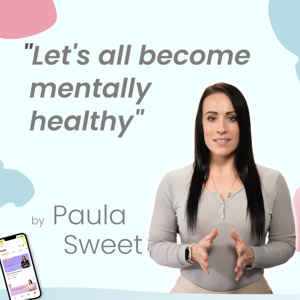


This is episode 150 of the Absolute Mind podcasts and today I am covering positive thinking.
This is a request from our Facebook audience and once again thank you for sending in your requests if you have any please do send a message with your request.
http://www.absolutemind.co.uk/freeanxietycourse
Please do bear in mind that we have created this podcast to be of some insight and some sort of assistance but by no means a way to treat conditions on their own.
If you do have any deep-rooted conditions or ailments that you'd like some assistance with on a one-to-one professional approach, then please feel free to contact either me or Michael on Facebook or directly through the website and we can arrange sessions that way or via Skype, whatever suits.
Positive Thinking
Would you class yourself an optimist or a pessimist? Do you look for the good or always see the bad?
In life, we can quickly become dragged down by our negative internal thoughts when all we seem to see or hear or experience are negatives, when we allow these thoughts to consume us it can seem very difficult to change them and we can begin to believe that, "that's just our luck" "I'm just unlucky", "bad things always happen to me". But you can change the way you look at things and the things you look at will begin to change all with a little practice and seeing the world in a new light.
How Can You Begin To Think Positive?
A few years ago I read a book called "The Secret" and this really opened my eyes to how what we think and believe is happening to us because of our "bad luck" when in fact those things are happening to us because we wait for them, we look for them sometimes without even realising we are, I've seen many people in my practice who wake up asking themselves whats going to go wrong today, or when they stump their toe they ask "what next"
How can you expect a positive outlook when you proactively look for a negative?
Have you ever tried to stop thinking that way? Have you ever just stopped yourself midway through your internal thought and tried to look for a positive in what just happened? No?
Here are a few tips I find have helped my clients to change the way they think and to start thinking more positively.
Trying to change your mindset will take time but take some steps to start doing more positive things and you will start to feel different. You weren't born negative, you've learnt this behaviour and you can learn a new way of doing things and thinking.
This is episode 149 of the Absolute Mind podcasts and today I am covering how to sleep better.
http://www.absolutemind.co.uk/freeanxietycourse
Please do bear in mind that we have created this podcast to be of some insight and some sort of assistance but by no means a way to treat conditions on their own.
If you do have any deep-rooted conditions or ailments that you'd like some assistance with on a one-to-one professional approach, then please feel free to contact either me or Michael on Facebook or directly through the website and we can arrange sessions that way or via Skype, whatever suits.
Sleep!
Bedtime should be something we all look forward to, being able to lay back forget the troubles of the day and rest, allowing our bodies to recharge, rejuvenate and let go of any stresses or strains. But when you struggle to drift off into a nice deep sleep its can have a massive impact on our everyday life.
How Does Lack Of Sleep Affect You?
Sleep deprivation can leave you brain feeling exhausted meaning it cant perform its duties as well as it would with a good night sleep. In some cases, if sleep deprivation continues for long periods it's possible you could experience hallucinations, seeing or hearing things that aren't actually there but this is an extreme case of sleep deprivation. The most common side effects people experience are:
Now, these are just a few of the symptoms that most people experience and you may not experience all of them. Sometimes lack of sleep and anxiety go hand in hand and most anxiety sufferers find that bedtime is their worst time as all of their negative internal thoughts are in full swing at this time of the day.
How Can You Start To Sleep Better?
There are many ways in which you can help yourself to sleep from taking action and changing how you do things and your routines, to natural remedies that I use in my own home to help my family sleep.
What you do affects your sleep, our lifestyles are busy, hectic, fast-paced, stressful and so on. We have so many things spinning around in our heads on a daily basis, that sometimes we feel there's just not enough hours in a day to get rid of all the burdens of life. When we cant offload we try to go to sleep with stressful thoughts, emotions all still spinning around in our head and at this time of the day there are no distractions to take our thoughts away from whats bothering us so we spend hours trying to will ourselves to sleep, getting more and more frustrated that were not yet in the land of Nod. So how can you change that?
These are some techniques I have personally used and also given to many clients to help them to sleep better which have given drastic results. If you begin to change how you do things you will start to see results.
Sleep is such a big factor in our health and our mindset so if you are struggling to sleep then try some of these techniques to hopefully allow you to start sleeping better.
This is episode 148 of the Absolute Mind podcasts and today I am covering mentally preparing for weight loss.
http://www.absolutemind.co.uk/freeanxietycourse
Please do bear in mind that we have created this podcast to be of some insight and some sort of assistance but by no means a way to treat conditions on their own.
If you do have any deep-rooted conditions or ailments that you'd like some assistance with on a one-to-one professional approach, then please feel free to contact either myself or Michael on Facebook or directly through the website and we can arrange sessions that way or via Skype, whatever suits.
Ok so mentally preparing for weight loss! I have decided to cover this topic because its something that I have struggled with in the past and having spent year after year on faddy diets and doubting myself or hating myself because I "couldn't" lose weight.
It's only now after losing weight and keeping it off and understanding more on nutrition that I can look back and see that although I thought I was ready and prepared to lose weight all those years ago in fact I wasnt! Mentally I was not prepared.
So if you have decided that 2018 is your year to lose weight then you need to get mentally prepared for it!
This time of year is when most people have a spike in their motivation levels to lose some weight, you've probably spent most of November/December enjoying food, relaxing a little and telling yourself its fine ill diet come January, Summers not that far off now and Bam January is here you thought you were ready but something just hasn't clicked internally and you're struggling to leave the starting blocks?
Now experts say that long term weight loss starts in your head, they say that having the right attitude can help you to think yourself thin. If you want to be succesful in your weight loss regime first things first you need to cut the mental fat.
How Can You Cut The Mental Fat?
Firstly look at patterns and habits in your lifestyle, what do you do that are dragging you down, getting in the way of your success?
Everyone has their own excuses in life and when its comes to improving your health most people will do swimmingly until something happens that knocks them off course things like work, family issues, relationships and so on we are a nation of emotional eaters and when something happens we comfort ourselves with food, we tell ourselves things like "oh its ok to eat unhealthy because im stressed it helps me to cope" but really? Does eating unhealthy help you to really cope?
Are you an emotional eater?
Be Patient
This is something I was never good at, I always wanted result too quickly and wanted too much!
Its part of our society now to have instant gratification with instant messages, digital cameras (no more waiting for the negatives to be done) weight loss is for most people too slow to satisfy our need for that instant gratification.
We want instant results, when in actual fact how long did it take you to gain excess weight? It wasnt over night so how can you expect to lose weight quickly? But i'm sure you have all heard the term slow and steady wins the race, slow weight loss is better. If we lose weight too quickly its generally water weight or lean tissue and not the body fat we want to lose.
Ways To Start Thinking Thin
This is episode 147 of the Absolute Mind podcasts and today I am covering how to cope with a loved ones terminal illness.
This is something that I saw on a UK TV programme last week, in which a UK celebrity is currently dealing with her mum being diagnosed with a terminal illness and how she has struggled coming to terms with it.
http://www.absolutemind.co.uk/freeanxietycourse
Please do bear in mind that we have created this podcast to be of some insight and some sort of assistance but by no means a way to treat conditions on their own.
If you do have any deep-rooted conditions or ailments that you'd like some assistance with on a one-to-one professional approach, then please feel free to contact either myself or Michael on Facebook or directly through the website and we can arrange sessions that way or via Skype, whatever suits.
When a loved one develops a serious illness it is normal for all family members to experience a feeling of deep sadness, grief or loss and if the illness is terminal it can be something we really struggle to come to terms with and find it hard to plan for the outcome.
Anticipatory Grief
When we find out a loved one has a terminal illness sometimes its normal to experience anticipatory grief meaning you begin to experience grief and feelings of loss before it actually happens. Just as with grief after death family and friends may experience an array of different emotions as you begin to adjust to this new idea of what is to come. Typical emotions you may experience could be:
Depending on the amount of time your loved one has left and the relationship you share with that person you may experience a feeling of being close and have a determination to make their last days, weeks or months count. On the other hand you may feel anxious about whats to come or focus on last resort treatments or what could you have done differently that you push away any thoughts of the inevitable.
Although some people may not experience anticipatory grief it is normal for people to experience some of these emotions and feelings.
What Can You Do?
Seek Help
The loss of anyone can be difficult and sometimes the grief can consume us making us feel there is no way out of these sad feelings we are experiencing. If you are currently going through this or have lost a loved one and are struggling then please do seek help, whether that be counselling, therapy sessions or helpful groups in your local area. Talking to somebody can be really beneficial in these cases and just simply feeling that you have somebody to turn to and your not alone can sometimes be enough to get you through this.
This is episode 146 of the Absolute Mind podcasts and today I am covering fear/phobia of driving.
This is another request from our Facebook audience so once again thank you for your continued support an requests being sent in.
http://www.absolutemind.co.uk/freeanxietycourse
Please do bear in mind that we have created this podcast to be of some insight and some sort of assistance but by no means a way to treat conditions on their own.
If you do have any deep-rooted conditions or ailments that you'd like some assistance with on a one-to-one professional approach, then please feel free to contact either myself or Michael on Facebook or directly through the website and we can arrange sessions that way or via Skype, whatever suits.
If you are experiencing anxiety or fear around driving then hopefully today's podcast can help you to start feeling more confident when driving.
What Causes Driving Anxiety/Phobias?
With any phobia or fear it's hard to be precise on what causes it, sometimes it can be an unpleasant experience which triggers the fear. Long dark journeys, being in a car accident or just seeing one these kind of things could all be triggers. Although some people find that their fear of driving can come on gradually or can come and go over a long period of time and no particular triggers are involved.
It could simply be anxiety caused by focusing on the activity gradually rising the anxiety levels around it. Now it may be useful to understand your trigger and the cause to the anxiety you feel but this isn't vital. I like to say focus on feeling right rather than focus on whats making you feel so terrible, more solution focused rather than problem focused.
How Can You Start To Feel More Confident?
With any phobia or anxiety the solution is generally always the same. Remember the term what you focus on increases and the more you focus on how terrible your anxiety levels are around driving the more you will increase those feelings.
When we have a fear we become conditioned to produce that fear response in situations that aren't dangerous at all, so to begin making a change in how you feel you need to re train "de-condition" your response to driving.
You can do this by gradually exposing yourself to the things you fear so if its night time driving gradually drive a little more each time in the night, if its motorways try driving on large roads first with somebody you feel confident and safe with, then progressively get to motorways. The more you practice this type of de-conditioning and experience those original fears without actually running away from them you eventually should become less sensitive to it.
Create yourself a plan, where are you now and where would you like to get to and when would you like to get there by?
As for all fears or phobias everyone experiences them in different levels of severity so you need to work at your own pace gradually expanding your travel bit by bit. These gradual exposures can be as small or as large as necessary but keep in mind that each step should challenge your anxiety a little bit.
Relax
Its important to be able to relax in any anxious state, so learning useful relaxation techniques can be really beneficial for you. Techniques such as diaphragmatic breathing, mindfulness and so on.
These kinds of techniques can be used a fast acting relaxation, allowing you to regain control over your thoughts quickly stopping that fear response.
As always if you feel you require more help please do speak to somebody, self help groups or 1-2-1 with a therapist or GP could all help in these cases.
This is episode 145 of the Absolute Mind podcasts and today I am covering Toxic Relationships and having the confidence to walk away.
This is another request from our Facebook audience so once again thank you for your continued support an requests being sent in.
http://www.absolutemind.co.uk/freeanxietycourse
Please do bear in mind that we have created this podcast to be of some insight and some sort of assistance but by no means a way to treat conditions on their own.
If you do have any deep-rooted conditions or ailments that you'd like some assistance with on a one-to-one professional approach, then please feel free to contact either myself or Michael on Facebook or directly through the website and we can arrange sessions that way or via Skype, whatever suits.
Now if you're reading this or listening to the podcast then there's a chance you know somebody who is or are in a toxic relationship yourself, or perhaps you're not sure if your relationship is toxic? hopefully after today you will have a better understanding of your own relationship or have the confidence to finally do something.
What is a toxic relationship?
A toxic relationship is a relationship in which behaviours carried out by the "toxic" partner are emotionally and sometimes physically damaging to their partner. Having a toxic relationship damages self esteem and can be physically and emotionally draining.
A toxic relationship is the total opposite to what we would class a healthy relationship in which you feel respect, caring, have an interest in your partners welfare and happiness a feeling of safety and security. In a toxic relationship it is generally characterised by feelings of insecurity, dominance, control by our partners and we risk our own mental and physical safety by staying in such toxic relationships.
Toxic Behaviours
There are many ways in which a relationship or person can be classed as toxic however the typical aspects of this behaviours are:
And these behaviours are pretty much on a daily basis. Typically a toxic partner to the outside world behaves in a exemplary and normal manner, its at home that these behaviours tend to show.
A toxic person behaves in the way they do essentially for one main reason which is to be in complete control and to have all power over the relationship. Power sharing does not occur in a toxic relationship. Now do bear in mind that these behaviours may not be apparent in the early stages of the relationship which is why most people in toxic relationships don't even realise they're in one until it becomes dangerous for them.
What To Do?
If you are in a toxic relationship the first thing to understand is that you cannot change your partner, and unless they see that there is a problem with the way they are behaving you will be fighting a losing battle staying with them to help or change them. However with that being said, if you are not willing yo give up or leave the way you can help your partner is to change yourself and how to respond to situations with your partner which could in turn make them decide to change their behaviours.
Now if you are at the point of no return and feel you need/must leave but are too scared or don't feel strong enough mentally then there are a few things you can do to help yourself along the way:
I have helped many people in toxic relationships who have finally decided enough is enough and with a little support from people around them and keeping occupied and strong mentally they have managed to break free from their toxic relationships.
If you are currently in a toxic relationship and need help please talk to people around you and look for that help, relationships don't need to be hard work or make you feel insecure, small, or unsure. With the right support you can do something about it.
This is episode 144 of the Absolute Mind podcasts and today I am covering New Years Resolutions
http://www.absolutemind.co.uk/freeanxietycourse
Please do bear in mind that we have created this podcast to be of some insight and some sort of assistance but by no means a way to treat conditions on their own.
If you do have any deep-rooted conditions or ailments that you'd like some assistance with on a one-to-one professional approach, then please feel free to contact either myself or Michael on Facebook or directly through the website and we can arrange sessions that way or via Skype, whatever suits.
So its that time of year.......... New Year New You? Or are you ditching the resolutions this year?
Every January the world is filled with people starting their new years resolutions whether that be losing weight, exercising more, be more active, start a new career, be more positive the list is endless when it comes to resolutions.
But why does it have to happen only in the new year? are you fed up of giving yourself a restriction on starting new things only at the new year? why not February resolutions, March resolutions and so on. Do our goals only really matter if it's a "resolution"
This year i've decided i'm not putting a label on my goals of resolutions, instead i'm going to continue being the person i want to be and continue working on new goals and aspirations that present themselves through out the year.
The amount of time we put too much pressure on ourselves of starting these resolutions in January, pronouncing to our loved ones our plans and feel like a failure if we haven't stuck to it.
If you have a goal, a target, a plan it doesn't matter when you start as long as you start some time.
Take the pressure off yourself of it being a resolution and start planning and goal setting to ensure you feel like you can complete it.
This is episode 143 of the Absolute Mind podcasts and today I am covering Misophonia
This was another request from the Facebook audience so thank you so much appointment through and allowing me to create content that will hopefully help you in some way.
http://www.absolutemind.co.uk/freeanxietycourse
Please do bear in mind that we have created this podcast to be of some insight and some sort of assistance but by no means a way to treat conditions on their own.
If you do have any deep-rooted conditions or ailments that you'd like some assistance with on a one-to-one professional approach, then please feel free to contact either myself or Michael on Facebook or directly through the website and we can arrange sessions that way or via Skype, whatever suits.
So let's get to Misophonia, what is it and how can you deal with it?
The very fact you are listening to this podcast means that you should have an awareness of what misophonia is or may have heard about it in some way.
What Is Misophonia?
The definition of misophonia is somebody who hates sounds, but not necessarily all sounds. People who suffer from misophonia have triggers and specific sounds that they find hard to deal with and are sensitive to only certain sounds. Now there are probably sounds that we all find hard such as fingernails down a chalk board, or squeaking of a balloon, but this is only a fraction of what a sufferer will experience when they hear their specific trigger sound. sufferers can experience an intense strong negative emotion towards their trigger sound and in some cases can create an urge to lash out at the thing or person creating that sound.
What Are Triggers?
There are many different trigger sounds but here are a select few that I have found:
Eating, loud chewing, burping, crunching, gulping, chewing gum, licking, throat clearing, breathing, nasal, grunting, sniffling, sneezing, raspy voices, nose whistling, wheezing, nasally voice, keyboard tapping, clocks, tv remote, pen clicking, papers rustling, feet shuffling.
This is just a select few that i have seen and heard of but there are many many more!
How Can You Overcome Misophonia?
It is said that techniques such as CBT can help with overcoming Misophonia, allowing you to react differently to trigger noises and rationalise your response more effectively. Noticing how your thoughts create intense feelings and changing those thoughts.
Hypnosis can also be a great tool to help you to overcome this issue.
Remember I am not a GP so cannot diagnose and the details in this podcast are ideas and tips that i have used with clients to help and aid them in their progress, if you are unsure or need to have any issues diagnosed please do visit your GP or talk to a professional on a 1-2-1 basis.
This is episode 142 of the Absolute Mind podcasts and today I am covering Panic Attacks and how to deal with them.
This was another request from the Facebook audience so thank you so much appointment through and allowing me to create content that will hopefully help you in some way.
http://www.absolutemind.co.uk/freeanxietycourse
Please do bear in mind that we have created this podcast to be of some insight and some sort of assistance but by no means a way to treat conditions on their own.
If you do have any deep-rooted conditions or ailments that you'd like some assistance with on a one-to-one professional approach, then please feel free to contact either myself or Michael on Facebook or directly through the website and we can arrange sessions that way or via Skype, whatever suits.
So let's get to panic attacks and how you can begin to control those attacks.
The very fact you are listening to this podcast means that you should have an awareness of what a panic attack is or may have heard about them in some way.
What Is A Panic Attack?
A panic attack is very similar to an anxiety attack, it can be described as an abrupt feeling of intense fear or discomfort that reaches a peak within a few minutes.
It can include some of the following symptoms:
Palpitations Pounding heart Accelerated heart rate Sweating Trembling Shaking Shortness of breath Feeling smothered Feeling you are about to collapse or worse.
As you can imagine this can be a very traumatic and scary experience for those who suffer. Some times these panic attacks can seem to come from nowhere. Those who suffer from panic attacks generally fear them happening again which can in turn cause a negative loop of constantly trying not to have a panic attack which can create that panic attack happening again, a bit like telling yourself not to think of a purple elephant, your brain has to firstly think of that purple elephant to imagine not thinking about it. you simply cant do a don't.
What Triggers A Panic Attack
This is something that is unique to the sufferer, however generally panic attacks and anxiety go hand in hand. Too much stress or anxiety can create that intense feeling of panic quickly escalating into a full blown attack.
Things that cause an abrupt shift in how we feel can sometimes create a panic attack such as the death of a loved one, divorce, job loss. Panic attacks can also be triggered by medical issues or physical ailments.
How Can You Stop Panic Attacks
Firstly recognising that intense feeling as a panic attack is your first step to gaining control. Understanding that although sometimes it feels like something bad is going to happen when in fact it is not. you are already making progress by just understanding these points.
Now what you can do in the midst of a panic attack to try to bring those levels down is to breathe! Diaphragmatic breathing is the technique you should be using to allow the correct levels of oxygen and carbon monoxide in your body. now this wont necessarily stop a panic attack but it can help to bring those intense feelings down to a more manageable level.
Next is to focus on your surroundings and not whats going on inside, focus on sights, sounds smells, you'll be surprised how quickly you can take your focus off those horrible feelings once you start to notice around you.
Another useful tip is to try to notice any patterns or triggers that cause your panic attacks, once you know these patterns or triggers you can feel more empowered and in control to avoid them or to change things that cause them.
Remember I am not a GP so cannot diagnose and the details in this podcast are ideas and tips that i have used with clients to help and aid them in their progress, if you are unsure or need to have any issues diagnosed please do visit your GP or talk to a professional on a 1-2-1 basis.
This is episode 141 of the Absolute Mind podcasts and today I am covering Mindfulness and the benefits of using it.
This was another request from the Facebook audience so thank you so much appointment through and allowing me to create content that will hopefully help you in some way.
http://www.absolutemind.co.uk/freeanxietycourse
Please do bear in mind that we have created this podcast to be of some insight and some sort of assistance but by no means a way to treat conditions on their own.
If you do have any deep-rooted conditions or ailments that you'd like some assistance with on a one-to-one professional approach, then please feel free to contact either myself or Michael on Facebook or directly through the website and we can arrange sessions that way or via Skype, whatever suits.
So let's get to mindfulness and how you could benefit from using it in your every day life.
The very fact you are listening to this podcast means that you should have an awareness of what mindfulness is or may have heard about it in some way.
What Is Mindfulness?
Well, Mindfulness is a mental state achieved by focusing your awareness on the present, being in the moment and embracing every day. Being able to calmly acknowledge and accept your feelings thoughts and emotions during this awareness.
It's the basic human ability to be fully present aware of where you are what you're doing without getting overwhelmed about whats going on around you.
What Can Mindfulness Do For You?
Being able to be mindful and present can help in many ways, it can relax and open your mind to new things, things that we let slip by every day because we are too worried or anxious about situations that don't need that much energy or focus on.
It can bring you to a state of zen almost allowing you to clear your mind and become more open to rationalise those internal thoughts. Releasing feelings of stress, worry, anxiety and many more troublesome feelings.
Mindfulness can not only help with your mental well being scientists have also found a link between mindfulness and physical health being improved too such as
How To Do Mindfulness
Just remember if you are new to this just go with the flow and enjoy what mindfulness can give you.
Remember I am not a GP so cannot diagnose and the details in this podcast are ideas and tips that i have used with clients to help and aid them in their progress, if you are unsure or need to have any issues diagnosed please do visit your GP or talk to a professional on a 1-2-1 basis.
From the publisher's feed

740 Listeners

1,118 Listeners
2,370 Listeners

89 Listeners

2,232 Listeners
250 Listeners

772 Listeners
1,054 Listeners

112 Listeners

19,163 Listeners

1,615 Listeners
201 Listeners

153 Listeners

72 Listeners

50 Listeners