
Sign up to save your podcasts
Or


“Trauma does not reside in the bad event. Trauma is what becomes embedded in your body in the wake of a bad event when there’s no one there to comfort you.”
What if you've been viewing trauma all wrong? And what if you don't think you've experienced trauma but you actually have? My guest this week is renowned trauma therapist Adam Young, and we're having a powerful conversation on not only trauma but our origin stories—specifically our family-of-origin stories. Adam explains why the wounds we minimize—the moments we brush off as “not that bad”—often carry the deepest impact. Because, as he explains, the real harm isn’t the event itself but what happened after: the absence of comfort, attunement, engagement, and care. That’s what embeds in our bodies and shapes the ways we cope. And often, that coping becomes unhealthy when we don't name what has happened and talk about it.
Adam unpacks how trauma lives in the body, why triggers are often physiological rather than emotional, and how our relational histories shape the addictions we later develop. He also explains why dysregulation isn’t a character flaw but a survival response, and why compassion toward your younger self may be the most mature step you can take.
This episode is an invitation to look beneath the behaviors you want to change and explore the stories that shaped them. Healing begins by honoring your wounds and telling the truth about where you come from.
We Explore:
— Why trauma is not the event but the absence of an empathetic witness afterward
— The connection between chronic dysregulation and addiction
— How the body keeps responding to stories long after the mind forgets
— The role of triggers and why they’re physiological
— Why kindness changes the heart more effectively than shame
— What children need to develop securely—and what happens when those needs aren’t met
— How unresolved family-of-origin stories form our adult coping strategies
— Why honoring your wounds is an act of courage, not self-pity
— Practical next steps for engaging your story with curiosity instead of contempt
Website: https://adamyoungcounseling.com
Podcast: The Place We Find Ourselves
Book: Make Sense of Your Story
Follow Jon: @jonseidl
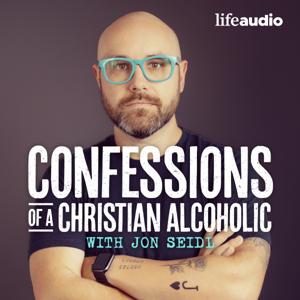
Order Jon's new book, Confessions of a Christian Alcoholic.
Get daily motivation: www.theveritasdaily.com
Support the Show: https://www.jonseidl.com/
Discover more Christian podcasts at lifeaudio.com and inquire about advertising opportunities at lifeaudio.com/contact-us.
 View all episodes
 By Jon Seidl
5
1919 ratings
“Trauma does not reside in the bad event. Trauma is what becomes embedded in your body in the wake of a bad event when there’s no one there to comfort you.”
What if you've been viewing trauma all wrong? And what if you don't think you've experienced trauma but you actually have? My guest this week is renowned trauma therapist Adam Young, and we're having a powerful conversation on not only trauma but our origin stories—specifically our family-of-origin stories. Adam explains why the wounds we minimize—the moments we brush off as “not that bad”—often carry the deepest impact. Because, as he explains, the real harm isn’t the event itself but what happened after: the absence of comfort, attunement, engagement, and care. That’s what embeds in our bodies and shapes the ways we cope. And often, that coping becomes unhealthy when we don't name what has happened and talk about it.
Adam unpacks how trauma lives in the body, why triggers are often physiological rather than emotional, and how our relational histories shape the addictions we later develop. He also explains why dysregulation isn’t a character flaw but a survival response, and why compassion toward your younger self may be the most mature step you can take.
This episode is an invitation to look beneath the behaviors you want to change and explore the stories that shaped them. Healing begins by honoring your wounds and telling the truth about where you come from.
We Explore:
— Why trauma is not the event but the absence of an empathetic witness afterward
— The connection between chronic dysregulation and addiction
— How the body keeps responding to stories long after the mind forgets
— The role of triggers and why they’re physiological
— Why kindness changes the heart more effectively than shame
— What children need to develop securely—and what happens when those needs aren’t met
— How unresolved family-of-origin stories form our adult coping strategies
— Why honoring your wounds is an act of courage, not self-pity
— Practical next steps for engaging your story with curiosity instead of contempt
Website: https://adamyoungcounseling.com
Podcast: The Place We Find Ourselves
Book: Make Sense of Your Story
Follow Jon: @jonseidl
Order Jon's new book, Confessions of a Christian Alcoholic.
Get daily motivation: www.theveritasdaily.com
Support the Show: https://www.jonseidl.com/
Discover more Christian podcasts at lifeaudio.com and inquire about advertising opportunities at lifeaudio.com/contact-us.
446 Listeners

10,431 Listeners
505 Listeners
609 Listeners
902 Listeners
1,464 Listeners
471 Listeners
648 Listeners
1,065 Listeners
3,207 Listeners
2,022 Listeners
140 Listeners
175 Listeners
256 Listeners

6,634 Listeners
197 Listeners
1,261 Listeners
490 Listeners

40 Listeners
369 Listeners
450 Listeners
167 Listeners

128 Listeners

56 Listeners

64 Listeners

31 Listeners
847 Listeners
1,992 Listeners
21 Listeners
26 Listeners
3,099 Listeners
27 Listeners
7 Listeners
2 Listeners

15 Listeners