
Sign up to save your podcasts
Or

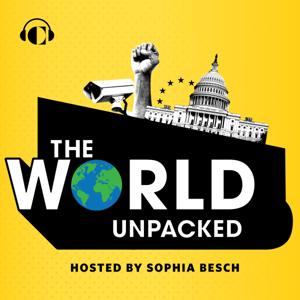

Why is meaningful change in U.S. foreign policy is so difficult to achieve? This question is especially relevant with the U.S. presidential election just weeks away now, and analysts and policy makers all over the world are discussing how a Trump or Harris presidency might shift American foreign policy in the years to come.
But how likely is it that we will see meaningful change at all? Historically, it has been incredibly challenging for presidential administrations to break away from entrenched foreign policy paths —even when the need for change seems obvious. Presidencies often start with a declaration of pivots and major strategic reorientation, these then get ground down by powerful bureaucracy, political pressures and human tendency to preserve the status quo. When change does happen, leaders often pay a high political price for it. Take, for instance, the example of the withdrawal from Afghanistan. In the end, it took two decades and much internal pushback before President Biden was able to officially make this happen - even though the decision had long had significant public support.
In this week's episode, Sophia Besch sits down with Christopher Chivvis and Stephen Wertheim to discuss their research that dissects how strategic foreign policy change does happen despite pressures to maintain the status quo—and what it would take for the next American president to enact such a change.
Notes:
 View all episodes
 By Carnegie Endowment for International Peace

4.4
7676 ratings
Why is meaningful change in U.S. foreign policy is so difficult to achieve? This question is especially relevant with the U.S. presidential election just weeks away now, and analysts and policy makers all over the world are discussing how a Trump or Harris presidency might shift American foreign policy in the years to come.
But how likely is it that we will see meaningful change at all? Historically, it has been incredibly challenging for presidential administrations to break away from entrenched foreign policy paths —even when the need for change seems obvious. Presidencies often start with a declaration of pivots and major strategic reorientation, these then get ground down by powerful bureaucracy, political pressures and human tendency to preserve the status quo. When change does happen, leaders often pay a high political price for it. Take, for instance, the example of the withdrawal from Afghanistan. In the end, it took two decades and much internal pushback before President Biden was able to officially make this happen - even though the decision had long had significant public support.
In this week's episode, Sophia Besch sits down with Christopher Chivvis and Stephen Wertheim to discuss their research that dissects how strategic foreign policy change does happen despite pressures to maintain the status quo—and what it would take for the next American president to enact such a change.
Notes:

3,447 Listeners

617 Listeners

1,065 Listeners

6,304 Listeners
724 Listeners

837 Listeners

428 Listeners

2,592 Listeners

81 Listeners

14 Listeners
153 Listeners
399 Listeners
143 Listeners
26 Listeners

10 Listeners

366 Listeners

503 Listeners
496 Listeners

2 Listeners

2 Listeners