
Sign up to save your podcasts
Or

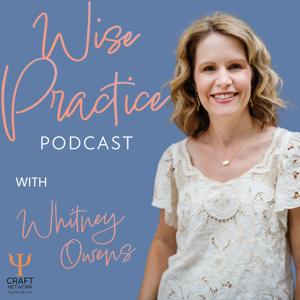


Navigating Toxic Relationships: Lessons from 2023
In this episode of the Wise Practice Podcast, Whitney Owens shares her experiences with toxic relationships and offers insight on how to navigate such situations, emphasizing the importance of self-compassion, acceptance, and healthy boundaries. She argues that despite the pain these relationships cause, they can serve as opportunities for growth, help therapists better understand their clients, and teach us how to express love in the face of adversity, mirroring Christ's love and forgiveness. Owens advocates for an optimistic perspective on toxic relationships, viewing them as learning experiences that can improve personal development and strengthen faith. "Learn to love greater by how you love unhealthy people...that is who we are in this world."
Get the full show notes here
00:04 Introduction to Building a Thriving Private Practice 01:27 Welcome to the Wise Practice Podcast 01:54 Addressing Toxic Relationships 02:27 The Importance of Good Relationships 06:08 The State of the Church and Toxic Relationships 08:34 Understanding Toxic Relationships 11:28 Navigating Toxic Relationships 16:18 The Role of Faith in Dealing with Toxic Relationships 22:05 Learning from Toxic Relationships 25:25 Conclusion: Embracing the Journey
Show SponsorAlma - Your private practice support system
Learn More about Whitney Owens Consulting
Connect with Whitney Ownes on Instagram
Connect with Whitney Ownes on Facebook
Check the podcasts on the PsychCraft Network: PsychCraftnetwork.com
Podcast Production and Show Notes by Course Creation Studio.
Building a private practice can be a challenging endeavor. From attracting your niche clients to managing the business side of things, there are many factors to consider. As a therapist, you also have the added responsibility of delivering great quality care. In this blog post, we explore the leadership lessons learned in the context of a private practice. Drawing from personal experiences and reflections, we delve into the deeper aspects of leadership that impact your practice and personal growth.
Loneliness: A Paradox of LeadershipOne of the surprising aspects of leadership is the loneliness that often accompanies it. While leaders are often admired and sought after, they can feel isolated in their journey. They may experience the paradox of being surrounded by people and yet not feeling truly known. As a leader, it is essential to cultivate deep relationships and find support systems that can provide a sense of understanding and connection.
Pain and Growth: The Burden of LeadershipLeadership comes with its share of pain and challenges. As a leader, you carry the weight of your community and practice on your shoulders. The responsibility to care for clients, support your team, and navigate difficult situations can be emotionally taxing. However, it is through these experiences that you grow and develop as a leader. Embracing the pain and leaning into it allows you to gain insights, honing your ability to lead effectively.
Intercession: Praying for Your CommunityLeadership goes beyond the practical aspects of managing a practice. As a leader, you become an intercessor for your community. This means praying for those under your care, offering support, and carrying their burdens. Intercession is a constant presence in your life as a leader, guiding you to serve others selflessly and seek the best for those entrusted to your care.
Humility: A Cornerstone of LeadershipMaintaining humility is crucial for effective leadership. It involves recognizing your limitations, depending on others, and being open to feedback. Surrounding yourself with a supportive team and fostering authentic relationships allows you to lead with humility. Embracing vulnerability and putting the needs of your community before your own ego creates an atmosphere of trust and collaboration.
Faith and Risk: Stepping Out in ConfidenceLeadership requires faith and an openness to taking risks. Each step you take as a leader involves an element of trust in yourself and in a higher power. Stepping out in faith means embracing uncertainty and trusting that the path will unfold as it should. By relinquishing control and aligning with something greater than yourself, you create space for growth, innovation, and unexpected opportunities.
Conclusion:As you navigate the challenges and rewards of private practice, remember that leadership is not just about administrative tasks or client care. It encompasses the deeper aspects of human connection, growth, and spiritual development. Embracing the loneliness, pain, intercession, humility, and faith inherent in leadership will allow you to discover profound insights, transform as a leader, and make a lasting impact in your practice and community.
Show SponsorAlma - Your private practice support system
Learn More about Whitney Owens Consulting
Connect with Whitney Ownes on Instagram
Connect with Whitney Ownes on Facebook
Check the podcasts on the PsychCraft Network: PsychCraftnetwork.com
Podcast Production and Show Notes by Course Creation Studio
In today's society, scaling is often seen as the ultimate measure of success. We are encouraged to constantly grow, expand, and do more. However, when it comes to private practice, scaling should not be seen as a one-size-fits-all solution. It is important to evaluate whether scaling is truly necessary and aligns with your goals and values.
Understanding Scale:Before diving into the decision-making process, let's define what we mean by "scaling" in the context of private practice. Scaling involves growing your practice in terms of client volume, staffing, and revenue, usually accompanied by increased operational complexity. While it can offer benefits such as enhanced financial stability and the ability to serve a larger population, scaling also comes with its own set of challenges.
The Pitfalls of Blind Scaling:Blindly pursuing scalability without considering the underlying motivations and potential consequences can lead to several pitfalls. One common pitfall is losing sight of the true purpose of your practice. Focusing solely on growth can cause you to neglect the quality of care you provide and the relationships you build with your clients. It is crucial to ensure that scaling aligns with your values and allows you to continue delivering excellent care.
Taking a Step Back: Self-Reflection and Evaluation:Before making any decisions about scaling, taking a step back to evaluate your current situation is essential. Start by reflecting on your motivations for growth. Are you scaling because it truly aligns with your goals, or are you allowing external pressures to drive your decisions? Identifying the driving forces behind your desire to scale will help you make more informed choices.
Next, assess the feasibility of scaling in your specific context. Consider factors such as market demand, competition, financial resources, and the availability of qualified staff. It is crucial to have a realistic understanding of the potential challenges and risks associated with scaling.
Finding Your Scale:Scaling does not always have to mean significant growth. Sometimes, focusing on a smaller scale can have a more profound impact. It is essential to identify the level of growth that aligns with your goals and allows you to continue providing exceptional care to your clients. This might involve optimizing your current operations, improving systems and processes, or expanding strategically in specific areas.
Building a Sustainable Practice:Rather than solely focusing on scaling, investing time in building a sustainable practice is equally important. This includes nurturing your professional development, fostering strong client relationships, and ensuring excellent quality of care. By prioritizing these aspects, you can create a solid foundation for long-term success.
Conclusion:Deciding whether to scale your private practice is a deeply personal and contextual choice. While scaling can offer numerous benefits, it is crucial to weigh your motivations, goals, and the potential consequences. Remember that growth should never come at the expense of the quality of care you provide. Instead, focus on finding a balance that allows you to build a thriving practice while staying true to your values and purpose. At Alma, we are here to support you on your journey and provide the tools and resources needed to help you succeed.
Show SponsorAlma - Your private practice support system
Learn More about Whitney Owens Consulting
Connect with Whitney Ownes on Instagram
Connect with Whitney Ownes on Facebook
Check the podcasts on the PsychCraft Network: PsychCraftnetwork.com
Podcast Production and Show Notes by Course Creation Studio.
In this episode of the Wise Practice Podcast, Whitney Owens is joined by Brent Stutzman, the owner of Brand Your Practice, a media company aimed at helping therapists become smarter practice owners. Brent shares his priceless knowledge about the critical metrics to track in your practice and discusses the three essential dashboards every group practice owner needs to monitor.
Dashboards and Metrics, oh my!You don't need to be afraid of the terms dashboards and metrics.
A "metric" is defined as a set of data that is collected, tracked and assessed to ensure the success of certain business operations. Metrics serve as an evaluation tool for examining and apprising various aspects of a business, such as marketing endeavors, financial status, and overall operational performance.
A "dashboard", on the other hand, is essentially a tool that summarizes and displays these metrics concisely, making it easier for business owners to visually comprehend the data, gauge their business performance, and make informed decisions in real-time. Dashboards can encompass different business aspects such as marketing, finances, and operations.
The reason practice owners need to maintain various types of dashboards (marketing, financial, and operations) is that they offer valuable insights into the functionality, efficiency, and profitability of a practice. Dashboards help maintain transparency, ensuring accountability, spotting potential issues early, and crafting strategic plans based on well-reported and analyzed data. They also provide peace of mind by presenting a comprehensive picture of the practice's health, thereby aiding in better decision-making.
The Marketing DashboardThe Marketing Dashboard is crucial for tracking and understanding the influx of clients to a practice. As Brent Stutzman outlined in the episode, it provides critical information such as how many new client leads or appointments are being made, where they are in the pipeline of becoming a client, and the overall conversion rate. The marketing dashboard is a crucial tool for managing your brand's visibility and performance, especially for group practices. It should include key metrics such as the number of new client leads or appointment requests, where these leads are in the pipeline to becoming a client, and the conversion rate which includes people who have turned from prospects into paying clients. It can also track secondary details like the origin of these leads (word of mouth, Google, Psychology Today, etc). If you have an intake team, this dashboard can also monitor which team member is making the most appointments or if there are team members who are struggling. The marketing dashboard offers real-time vital insights, helping practice owners make informed decisions about where to invest their time and resources.
The Financial DashboardThe financial dashboard is crucial for eliminating financial blind spots within your practice. It comprises primary metrics including revenue, costs, profit, and cash flow and helps to assess how much the practice brings in, what it costs to run the practice, how much profit is made post-expenses, and the amount of cash going in and out of the business over a period of time. It helps practice owners make important decisions as they're able to gauge the financial health of their business through these metrics. Secondary metrics that can be considered in a financial dashboard include profit margin, profit per clinician, and revenue per clinician. This dashboard can be reviewed monthly but if you're a larger practice, you might consider checking this weekly. An ideal tool for maintaining a financial dashboard is an accounting software such as QuickBooks.
The Operational DashboardThe operational dashboard is vital for measuring and monitoring the practical functioning of a business or practice. This type of dashboard combines important metrics from all aspects of operations such as scheduling, payment, and client notes, providing a comprehensive snapshot of the practice's performance. It's particularly useful for tracking clinician productivity like appointment scheduling, client attendance, outstanding balances, and more. Also, an operational dashboard can incorporate secondary metrics like the number of new client appointments and client turnover, making it a central reference point for reviewing and improving business processes. The ability to track these metrics enhances accountability, ensures service efficiency, and supports data-driven decision-making.
In this episode of the Wise Practice Podcast, Whitney Owens is joined by Brent Stutzman, the owner of Brand Your Practice, a media company aimed at helping therapists become smarter practice owners. Brent shares his priceless knowledge about the critical metrics to track in your practice and discusses the three essential dashboards every group practice owner needs to monitor.
Show SponsorAlma - Your private practice support system
Executive Dashboard: BrandYourPractice.com/dashboard
TheraSaaS.com → Intake CRM just for therapists to capture, qualify, and close more clients.
FREE Ultimate Guide to marketing your private practice & checklist
FREE Course: How to Convert Calls Into Clients in 7 Days
FREE Course: How to Grow a Private Pay Practice → 8-part PRIVATE PODCAST series on how to grow a private pay practice.
Brent on LinkedIn
Brand Your Practice on YouTube
Connect with Whitney Ownes on Instagram
Check the podcasts on the PsychCraft Network: PsychCraftnetwork.com
Podcast Production and Show Notes by Course Creation Studio.
In this episode, host Whitney Owens and therapist Carrie Haynes Haynes discuss the challenges and benefits of building a private healthcare practice. They delve into the practical aspect of managing paperwork, credentialing, and insurance procedures, while also emphasizing the importance of delivering excellent care to clients. A key focus of the conversation is the power of group therapy, especially in creating supportive communities. Carrie shares her guidance on how to run groups effectively, emphasizing the importance of consistency and persistence. They also discuss the structure of payment for these groups, touching on both insurance and private payment situations. Additionally, Haynes shares about the 'Circle Work'- a psycho-spiritual group work practice that she organizes twice a year.
In this episode of the Wise Practice podcast, the host interviews Carrie Haynes, an expert in group therapy. The discussion revolves around the challenges and myths associated with group therapy in private practice, the benefits of group therapy, and how to effectively integrate it into a practice.
Key Points Discussed:Client Hesitancy Toward Group Therapy: The conversation touches on why clients might be hesitant to participate in group therapy, including concerns about confidentiality and not wanting to share or hear other people's problems.
Therapist Beliefs Impacting Group Participation: Research suggests that the number one reason clients don't participate in groups is due to the beliefs of clinicians and staff about group therapy.
Education and Experience in Group Therapy: Both the host and Carrie discuss their educational experiences with group therapy and how it has influenced their practices.
Myths About Group Therapy: Carrie addresses common myths about group therapy, such as the belief that clients do not want group therapy and the importance of educating clients about its benefits.
Pricing for Group Sessions: The episode covers how to price group sessions, with suggestions to look at the local market rates or consider charging half the individual session rate.
Persistence with Clients: Carrie emphasizes the need for persistence when suggesting group therapy to clients, advocating for a long-term approach, and not being deterred by initial hesitation.
Insurance and Group Therapy: The discussion includes how insurance can be used for group therapy, how to make group sessions lucrative, and the benefits for both clients and therapists.
Visit Whitney Owens' website for networking and marketing resources.
Consider the benefits of group therapy and how to communicate them to clients.
Look into local market rates to set appropriate pricing for group sessions.
Be persistent and educate clients about the value of group therapy.
Explore insurance options for group therapy to make it a viable part of your practice.
Alma - Your private practice support system
Art of Groups on Facebook
Art of Groups Web Page: Carrie has 2 spots available in my November Cohort for Group Practice Owners who want to add groups to their practice, and 3 spots left in my November Circle Facilitators Retreat.
Connect with Whitney Ownes on Instagram
Check the podcasts on the PsychCraft Network: PsychCraftnetwork.com
Podcast Production and Show Notes by Course Creation Studio.
In this episode of the Wise Practice podcast, host Whitney Owens interviews financial expert Carla Titus about understanding cash flow in your business. Carla shares her expertise as a fractional CFO and financial consultant, helping business owners grow their profits and manage their finances. They discuss the importance of cash flow, the challenges it presents, and how to improve cash flow in your practice. Let's dive into the show notes:
What is Cash Flow?So when people say cash flow, what does that even mean? Carla Titus explains that cash flow refers to the money that is coming into and going out of your business. It is the movement of cash in and out of your bank account, which is crucial for the financial health of your practice. Cash flow is different from profitability, as you can have a profitable business but still struggle with cash flow if you have outstanding invoices or delayed payments. Carla emphasizes the importance of understanding the timing of cash coming into your bank account and when it is leaving. This is especially crucial for practice owners who may experience delayed payments from clients or have bills due before receiving payment. Without proper cash flow management, practice owners can find themselves in a cash crunch, where they struggle to pay their bills or make payroll on time. In order to effectively manage cash flow, Carla recommends focusing on revenue-generating activities to ensure a steady inflow of cash into your practice. This means prioritizing billable services and actively following up on outstanding invoices.
By monitoring and forecasting your cash flow, you can anticipate any potential cash shortages or issues and take proactive steps to address them. Understanding cash flow and actively managing it is essential for the financial stability and growth of your practice. It allows you to make informed decisions about business investments, expenses, and staffing, ensuring that you have enough cash on hand to cover your obligations and support the growth of your practice.
Common Cash Flow Problems for Practice OwnersCash flow problems highlight the importance of implementing effective systems for receivable management, maintaining good banking relationships, aligning commitments with revenue, tracking cash runway, and optimizing payment processes. By addressing these issues, practice owners can better manage their cash flow and ensure the financial stability of their businesses. Common issues practice owners face include:
Lack of Receivable Follow-up: Many practices struggle with a poor process for following up on receivables, resulting in delayed or declined payments. Implementing a robust system for tracking and collecting payments can help improve cash flow.
Banking Issues: Practice owners may face challenges when banks put holds on their accounts, which can disrupt cash flow and hinder their ability to meet financial obligations. Having a secondary bank account or building relationships with multiple banks can provide flexibility in such situations.
Overcommitment and Cash Crunch: Some practice owners make commitments that surpass their actual revenue-generating capacity. Hiring ahead or expanding without sufficient cash flow can lead to payroll and operational challenges. It is essential to align commitments with revenue potential and plan for sustainable growth.
Declining or Unreliable Payments: Private pay practices, even without insurance, may face cash flow problems when clients' payments decline or are not saved for future transactions. This can lead to challenges in meeting payroll and other financial obligations.
Failure to Monitor Cash Runway: Cash flow issues can arise when practice owners don't have a clear understanding of their cash runway - the period between now and when funds may run out. Without proper monitoring, they may face unexpected cash deficits and struggle to find timely solutions.
Strategies may vary depending on your specific practice and circumstances. It is always recommended to seek professional advice from a fractional CFO or financial expert to tailor these strategies to your business needs.
Increase Revenue: Focus on growing the top-line revenue by finding ways to bring in more money to your practice. This can include adding new services, revisiting your fee schedule, or exploring opportunities to generate additional income.
Audit Expenses: Review your business expenses and determine if you are getting the maximum benefit from each expenditure. Look for areas where costs can be reduced or eliminated, such as overlapping technology or unnecessary subscriptions.
Plan and Forecast: Develop a 13-week cash flow plan to proactively monitor and manage your cash flow. This includes projecting revenue, tracking capacity, and assessing any potential red flags in cash flow. By planning ahead, you can make informed decisions and take necessary actions to mitigate cash flow challenges.
Build Cash Runway: Establish a cash reserve or cushion to provide a safety net for unexpected events or cash flow fluctuations. This can help ensure that you have enough funds to meet payroll and other financial obligations during periods of uncertainty.
Evaluate Business Model: Assess your business model to ensure it aligns with your goals and objectives. Consider if there are areas where you can streamline operations or implement more efficient processes to improve cash flow.
Alma - Your private practice support system
Wealth & Worth Within - Connect with Carl Titus
Facebook: @wealthworthwithin
Instagram: @wealthworthwithin
LinkedIn: @wealthworthwithin
TikTok: @wealthworthwithin
Wealth & Worth WIthin Projection Services
Connect with Whitney Ownes on Instagram
Check the podcasts on the PsychCraft Network: PsychCraftnetwork.com
Podcast Production and Show Notes by Course Creation Studio
Join Whitney Owens, a distinguished therapist and faith-based practice consultant, as she guides us through the Wise Practice Community—a sanctuary for therapists seeking to align their business with their faith. Whitney's passion for community and growth is the cornerstone of this episode, where she shares the myriad of ways to engage with her and the community she's nurtured.
Engage with Whitney: Free Resources and Social MediaWhitney begins by inviting listeners to partake in the free offerings available. "I give tips... like hiring is like dating," Whitney shares, encouraging listeners to follow her on social media for regular insights. With handles on Instagram and Facebook, Whitney Owens Consulting has become a beacon for free, valuable advice and a hub for community interaction.
Deepen Your Involvement: Membership Community and Circle PlatformFor those seeking a closer touchpoint, Whitney introduces the Wise Practice membership community. "It's a low-cost way to get a touchpoint with other faith-based practice centers and with me," she explains. The community, hosted on the Circle platform, offers spaces for wins, announcements, and exclusive deals and discounts. Whitney emphasizes the value of this platform, "It's a plethora of information... from SEO to making faith-based decisions in your practice."
The Summit: A Pinnacle of Connection and GrowthWhitney passionately talks about the annual Wise Practice Summit, a gathering that embodies the community's spirit. "Once a year, we are going to get together and have a summit... and it's going to get more beautiful and more wonderful every year," she states. With limited tickets, Whitney encourages prompt action to ensure participation in this transformative event.
Mastermind Groups: Targeted Growth and NetworkingFor a more intensive experience, Whitney suggests joining a mastermind group. "It's a group of 6 to 8 practice owners... working on certain goals," she describes. These groups provide a focused environment for tackling specific aspects of practice growth, from marketing to systems and processes.
Stay Informed: Email List and Speaker OpportunitiesWhitney urges listeners to join her email list for updates on speaker applications and sponsorship opportunities. "Make sure you're on my email list," she advises, ensuring listeners stay informed about the latest opportunities to learn and contribute.
Summary: A Tapestry of Faith and BusinessIn closing, Whitney Owens reaffirms the Wise Practice Community's mission to weave together faith and business into a cohesive, supportive network. "It's like this beautiful web that we put together, as faith-based practice centers," Whitney reflects. This episode is a testament to the power of community and the shared journey of growth, learning, and faith in the world of therapy and counseling.
Show SponsorAlma - Your private practice support system
Doors to the Wise Practice Membership Community are open Nov. 6-8th. Click here to join!
Grab your ticket to the Wise Practice Summit and get $100 off - Click here to get your tickets!
Connect with Whitney Ownes on Instagram
Check the podcasts on the PsychCraft Network: PsychCraftnetwork.com
Podcast Production and Show Notes by Course Creation Studio
In this enlightening episode of the "Wise Practice Podcast," Whitney Owens, a seasoned therapist and faith-based practice consultant, sits down with the dynamic duo, Colleen and Shaun Wenner. With Colleen boasting 29 years of marriage experience and both bringing a unique blend of wisdom and confidence, they discuss the journey of their counseling world partnership and the growth of their practice, New Heights Counseling.
The Essence of Small Groups in Practice"Small groups... provide a platform for sharing ideas and not feeling isolated," Colleen emphasizes. These groups have become a cornerstone in the community, offering therapists a sounding board and ensuring they don't tread the challenging waters of practice alone. Shaun adds, "Once you are plugged into a group... you don't have to do it alone." This sentiment resonates with many in the field, highlighting the importance of community and shared experiences.
The Struggles of Hiring a Clinical DirectorColleen and Shaun Wenner have grappled with several challenges in their quest to hire a clinical director for their practice. They've been deliberating over the idea, with Colleen expressing that while she has a general sense of what she desires in a clinical director, she's uncertain about the full scope of what the role could encompass. They aim for an ideal candidate who can manage a full-time caseload while also overseeing supervision. Financial considerations also weigh heavily on their minds, as they want to ensure that the compensation package they offer aligns with the candidate's expectations and experience. Shaun underscores the importance of identifying the right character traits and personality for the role. Additionally, Colleen has reservations about the hiring model, debating between a W2 employee and a contractor, and the implications each might have on commitment and integration into their practice's ethos. Their past hiring efforts have often yielded candidates with limited experience, further complicating their search for the perfect fit.
Roles and Responsibilities: Behind the Scenes at New Heights CounselingDiving deeper into the operations of New Heights Counseling, Colleen, the clinical director, shares her passion for training and ensuring therapists maintain a healthy work-life balance. On the other hand, Shaun, wearing multiple hats, manages social media, finance, and HR. Their combined efforts have seen the practice flourish, with a team of seven therapists and three administrators. "I'm pretty consumed... reading everybody's notes," Colleen admits, highlighting the demanding nature of her role.
Tips for Hiring a Clinical DirectorThis episode sheds light on the importance of community, both within a practice and in the broader therapist community. Whitney, Colleen, and Shaun provide valuable insights into the challenges and rewards of running a faith-based practice. Their experiences and tips serve as a beacon for other therapists navigating the integration of faith and psychology in their businesses. As Whitney aptly puts it, "Do what only you can do. Let somebody else do everything else." This episode is a must-listen for those looking to grow their practice while staying true to their faith-based values.
Learning ActivityRegister for - How to Double Your Practice in One Year Wbinar Nov 6, 2023, 01:00 PM in Eastern Time Zone
Learn about more events from Whitney Owens at the Events Page
Alma - Your private practice support system
Wise Practice Community Membership: Doors open for the Wise Practice Membership Community November 6th - 8th
Whitney Ownes on Instagram
Check the podcasts on the PsychCraft Network: PsychCraftnetwork.com
New Heights Counseling
New Heights Counseling on Facebook
New Heights Counseling on Twitter
New Heights Counseling on LinkedIn
New Heights Counseling on Pinterest
New Heights Counseling on Instagram
Podcast Production and Show Notes by Course Creation Studio
In this episode of the "Wise Practice Podcast," host Whitney Owens, a seasoned therapist and faith-based practice consultant, engages in a candid conversation with Bryan Purcell. Bryan, at the early stages of his practice, delves into the emotional rollercoaster of starting a practice and the challenges of marketing it effectively.
The Emotional Journey of Starting a Practice:Bryan Purcell shares his raw and relatable experiences in the initial weeks of running his practice. "The emotional experience has been very human. There are moments... where I feel completely hopeful and filled with faith... and then there are days where I feel anxiety and maybe even a little panic," Bryan reveals. This section resonates with many in the counseling field, highlighting the highs and lows of embarking on a new professional journey.
Effective Marketing and Tracking Referrals:Whitney emphasizes the paramount importance of tracking where referrals originate. "Whatever you do, you're tracking it... Sadly, a lot of people put their efforts into things that aren't working," she advises. Bryanacknowledges the value of this approach, mentioning his use of a tracking sheet from the wise practice community page. This segment offers invaluable insights into the significance of understanding and optimizing marketing strategies based on tangible results.
Building and Nurturing Professional Relationships:One of the episode's standout moments is the discussion on the power of appreciation in nurturing professional relationships. Whitney suggests, "If somebody sends you a referral, thank them for the referral... It just shows that you took that extra effort." This gesture, as simple as it may seem, can be a game-changer in fostering long-term professional connections.
Tips for Integrating Faith and Business:For those at the intersection of faith and psychology, Bryan's appreciation of the faith-based perspective in the wise practice community is a beacon of encouragement. Whitney underscores the importance of faith-based practice owners finding their tribe and support system. She passionately states, "I also really want faith-based practice owners to be able to incorporate faith and to meet one another and find that community."
Advice from the Episode To Build Your PracticeTrack Referrals: Whitney emphasizes the importance of tracking where referrals are coming from. This helps in understanding which marketing efforts are working and which aren't.
Ask for Feedback: When people contact Bryan, especially through platforms like Psychology Today, Whitney suggests asking them what specifically about his profile spoke to them. This can provide insights into what's resonating with potential clients.
Follow-Up and Show Appreciation: Whitney advises sending thank you notes or messages to those who refer clients, even if the client doesn't end up working with Bryan. This nurtures relationships and increases the likelihood of future referrals.
Clarify Your Niche: When receiving referrals, especially from family or friends, it's essential to clarify the types of clients you enjoy working with. This ensures that future referrals are more aligned with your specialty.
Networking: Whitney suggests setting a goal for networking, such as having a meeting or a phone call with one potential referral source per week. This consistent effort can lead to long-term growth.
Invest in Your Business and Personal Growth: Whitney emphasizes the importance of taking time every week to invest in growing your business and personal development. This could include attending therapy, business consulting, or participating in community meetings.
SEO (Search Engine Optimization): Whitney recommends investing time in understanding and implementing SEO for Bryan's website. She suggests taking courses on SEO and consistently working on the website to improve its visibility on search engines.
Consistency: Whether it's podcasting, updating the website, or any other marketing effort, Whitney highlights the importance of being consistent. Over time, consistent efforts can lead to exponential growth.
This episode of the "Wise Practice Podcast" serves as a treasure trove of insights for those navigating the challenges of starting and marketing a faith-based practice. From the emotional intricacies of embarking on a new venture to the practicalities of effective marketing and the power of gratitude in professional relationships, Whitney Owens and Bryan Purcell provide a roadmap for integrating faith and business seamlessly.
Learning ActivityRegister for - How to Double Your Practice in One Year Wbinar Nov 6, 2023, 01:00 PM in Eastern Time Zone
Alma - Your private practice support system
Wildwood Creative - Let us help you bring your unique story to life in a way that is authentic, compelling, and unforgettable.
Bryan Purcell Counseling
Wise Practice Summit
Whitney Ownes on Instagram
Check the podcasts on the PsychCraft Network: PsychCraftnetwork.com
Podcast Production and Show Notes by Course Creation Studio
In today's episode, we delve deep into one of the most pressing challenges faced by therapy practices: hiring and effectively integrating new therapists. As practices grow and evolve, ensuring a steady influx of skilled therapists becomes paramount. Yet, the journey from identifying potential hires to ensuring they have a full caseload is riddled with complexities. Join Whitney Owens as she offers invaluable insights and practical advice to Heidi Schnakenberg, navigating the intricate maze of hiring and filling caseloads. Whether you're a seasoned practice owner or just starting out, this episode promises to shed light on the intricacies of expanding your team and ensuring success for both your practice and your therapists.
The Challenges of Insurance in Practice:Navigating the world of insurance can be daunting. From the tediousness of benefits checks to the demands of insurance companies, practitioners often find themselves grappling with late payments and sometimes even earning less than they deserve. However, platforms like Alma aim to simplify this process. With Alma, practitioners can get credentialed within 45 days, access enhanced reimbursement rates, and ensure timely payments. As Whitney highlights, "Once you've joined Alma's program, you can see clients in your state of licensure, regardless of where you're working from."
The Evolution of Hiring in Practice:Hiring remains a pivotal topic within group practice ownership. Whitney shares her insights on the transition from solo to group practice ownership, emphasizing the need for clarity in defining the mission. Through live consulting with Heidi, a friend and fellow practitioner, the episode sheds light on the hiring process and the challenges of filling therapists' caseloads.
The Role of Faith in Hiring:Faith-based practices bring a unique perspective to the hiring process. Whitney reflects on the scarcity of faith-based practice podcasts and underscores the importance of faith in shaping the mission of a practice. As she aptly puts it, "It's important when you're thinking about hiring to hire people that can cultivate the culture and mission that you're creating in your practice."
The hiring process is multifaceted, with considerations ranging from insurance intricacies to the role of faith in shaping a practice's mission. As practitioners navigate this journey, it's crucial to remain anchored in their mission and values, ensuring that every hire aligns with the envisioned culture and ethos of the practice.
The Hiring Challenge for TherapistsHiring the right therapist is a challenge many group practice owners face. Heidi shares her experiences, saying, "I feel like when I have a person who has openings, then the referrals aren't coming." Whitney offers valuable advice, emphasizing the importance of feedback: "I love how you're following up with people and asking them why they didn't want to work at your practice."
Hiring Advice for TherapistsFeedback from Potential Hires: Whitney appreciates Heidi's approach of following up with potential hires to understand why they chose not to work at her practice. This feedback can be invaluable for making necessary changes. Whitney mentions, "I love how you're following up with people and asking them why they didn't want to work at your practice."
Benefits for Employees: Whitney acknowledges the importance of offering benefits to employees. While it might be challenging for Heidi's practice size to offer benefits now, it's something to consider for the future.
Increasing Current Therapist Hours: Whitney suggests considering asking current therapists, like Rebecca, to work more hours if they are willing and if there's a demand. This can be a temporary solution while looking for the right hires.
Client Acquisition through SEO: Whitney emphasizes the importance of Search Engine Optimization (SEO) for acquiring clients. She mentions that her practice gets over 50% of its referrals through Google. She advises Heidi to ensure she has a well-designed website and to focus on SEO as it's a long-term investment that keeps giving returns.
Google My Business and Reviews: Whitney stresses the importance of having a Google My Business account and accumulating reviews. She suggests Heidi to get reviews from family, friends, and colleagues (but not clients) to boost her practice's online reputation. Whitney says, "Google my business. Do you have that for your business? ... Get reviews. Heidi, it would be easy."
Insurance Panels: Whitney suggests considering adding another insurance panel that's well-known in Heidi's area to attract more clients. She mentions, "One thing you could consider, because you already have all the systems in, or the processes in place for taking insurance, is adding another panel that's well known in your area.
Community Engagement: Whitney emphasizes the importance of engaging with the community, such as offering training sessions, speaking at schools or churches, and cultivating relationships with local entities like school counselors.
Balancing Referrals and Hiring: Whitney acknowledges the challenge of balancing client referrals with hiring new therapists. She mentions the difficulty in predicting the number of clients a new hire might get and how this uncertainty can deter potential hires.
This episode provides a treasure trove of insights for therapists looking to navigate the challenges of insurance, client referrals, and hiring. As Heidi reflects on her journey, she says, "I did the whole SEO thing. So I'm hoping it just takes some time." Whether you're a solo practitioner or running a group practice, the wisdom shared by Whitney and Heidi is sure to resonate and inspire.
Show SponsorAlma - Your private practice support system
Mentaya - Use the code "Wise" for a free month. As a therapy client, we help you understand your out-of-network benefits and take care of superbills/insurance claims to get you on average, 70% of your money back on therapy.
Solace Counseling
Social Media Handles
Solace Counseling on Facebook
Solacelpc on Instagram
Wise Practice Summit
Whitney Ownes on Instagram
Check the podcasts on the PsychCraft Network: PsychCraftnetwork.com
Podcast Production and Show Notes by Course Creation Studio
From the publisher's feed

38,996 Listeners

4,376 Listeners

4,578 Listeners
335 Listeners

10,443 Listeners

274 Listeners

48 Listeners
32 Listeners

40 Listeners

49 Listeners

902 Listeners
82 Listeners

93 Listeners

91 Listeners