
Sign up to save your podcasts
Or

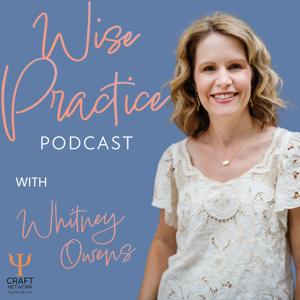


In this episode of The Wise Practice Podcast, host Whitney Owens interviews Russell Jones, a psychotherapist who has been practicing since 1996 and recently wrote a book called "Spirit in Session." Jones also helps present the Association for Clinical Pastoral Education's Spiritual Integration in Psychotherapy (SIP) curriculum. Owens and Jones discuss the intersection of spirituality and therapy, and how to use one's therapy practice as a spiritual practice. Dr. Russell Siler Jones is the author of Spirit in Session: Working with Your Client's Spirituality (and Your Own) in Psychotherapy (Templeton Press, 2019) and of ACPE's SIP curriculum. He has practiced psychotherapy in Asheville, NC, since 1996 and directed the Residency in Psychotherapy and Spirituality for CareNet/Atrium Health Wake Forest Baptist since 2008. He and his wife Jeanine are parents of two adult children.
The Importance of Spirituality in TherapyJones notes that spirituality is an important aspect of the therapeutic process, as it "is a part of our makeup as human beings." He states that "all people have some sense of spirituality," and that therapists should integrate this aspect into their practice. Owens agrees, stating that "it's important that we honor the spiritual aspect of our client's lives," as it can provide valuable insight into their mental health.
Jones also emphasizes the importance of self-awareness and spirituality for therapists. He believes that "we have to be in touch with our own spirituality" in order to effectively integrate spirituality into our practice. Owens adds that this self-awareness can help therapists identify and overcome biases they may have towards certain clients.
Using Your Practice as a Spiritual PracticeJones argues that therapists can use their practice as a spiritual practice by focusing on the present moment and connecting with their clients on a deeper level. He believes that therapists can achieve this by using mindfulness techniques, such as deep breathing and meditation. By doing this, therapists can become more attuned to their clients' needs and emotions, and create a more meaningful therapeutic experience. "Where is God moving in this person's life? How are they connecting with god?"
Owens adds that therapists should also focus on creating a safe and welcoming environment for their clients. This can include using welcoming language, offering tissues or water, and avoiding judgmental statements. Jones agrees, stating that creating a safe space is essential to building a strong therapeutic relationship.
Balancing Work and Personal Life"Your spiritual life is happening all the time." Jones and Owens also discuss the challenges of balancing work and personal life, especially for therapists who are also parents. Jones shares his experience of starting a practice with his wife and renting an office space together to balance work and parenting. He believes that finding a "sweet mix" between professional and personal life is essential to creating a fulfilling career and family life.
Owens adds that self-care is essential for therapists, especially those who are parents. She suggests that therapists prioritize self-care by scheduling time for hobbies, exercise, and other activities that bring them joy.
Connecting with God's Spirit in TherapyWhitney Owens and Russell Jones describe how their work is a conduit for God's Spirit. Whitney explains that therapy is about "working out our differences" and experiencing "love, healing, and compassion" with clients. Russell notes that when the spirit blows through someone's life, they may be hit hard by their conscience, leading to creative, courageous, or compassionate changes.
Russell and Whitney highlight the importance of being aware of the spirit's movement in therapy. They discuss how it is easy to have one's own agenda and try to push a treatment method or idea. Instead, they recommend being cognizant of where the spirit is moving and joining in it.
Russell talks about the importance of connecting with the wind of the spirit. He notes that it is like putting one's wings in a position to ride the currents of wind instead of trying to flap one's own way into something. Whitney notes that sometimes she has tried to push an idea that she knew in her gut was not where she was supposed to go. She recommends being open to the spirit's leading.
Following the Nudges of SpiritJones explains how his book came to be after a spiritual experience in nature. He shares that it is essential to learn to say yes to the nudges of spirit, even if it leads to mistakes. "Learning to say yes, even if the Yes you say turns out to be a mistake, there's grace to cover that too," says Jones. He encourages listeners to follow their nudges from spirit, even if it means doing something they do not want to do.
Finding the Spirit in the MundaneJones describes how therapy can become a spiritual practice by finding the spirit in the mundane moments of life. He shares how it is essential to be present in the moment, to listen deeply, and to honor the stories of others. "Therapy is a spiritual practice when we are really attentive to the person in front of us, and we are honoring them, and we are being present to the mystery of their lives," says Jones. By finding the spirit in everyday moments, therapy becomes a way of connecting to the divine.
Embracing the Mystery of LifeJones explains how therapy can become a spiritual practice by embracing the mystery of life. He shares how therapy is not about having all the answers but being present to the questions. "I think that if we can hold questions and the mystery of life with curiosity and not anxiety, then we can be available to whatever comes in the therapy room," says Jones. By embracing the mystery of life, therapists can create a space for healing and transformation.
Practicing Spirituality in TherapyWhitney and Russell end the podcast with tips on how to practice spirituality in therapy. They recommend being open to inspiration from people and being corrected and shaped by others. They also advise being grateful and practicing gratitude as a way of connecting with the wind of the spirit.
Quotes and TipsBe aware of the spirit's movement and join in it instead of having your own agenda.
Connect with the wind of the spirit by being open to inspiration from people, being corrected and shaped by others, and practicing gratitude.
Be mindful of where the spirit is moving and how you can support your clients in that movement.
Be open to change and be willing to let go of ideas that do not align with the spirit's movement.
"Consider letting your therapy practice be a spiritual practice."
"A spiritual practice is anything we do with the intention of growing ourselves or allowing ourselves to be grown spiritually."
"Treating our therapy practice as a spiritual practice means coming to the therapy hour as a time, not just for our clients to grow and change, but for us to do that too."
"I'm encouraging you to receive this as one of the gifts of your job to let your practice be a practice."
Find out more about Rusell Siler Jones
Whitney Owens on Instagram
Wise Practice Facebook Community Group
Visit Whitney Owens Consulting
Register for the Wise Practice Summit
In this episode of the Wise Practice podcast, Whitney Owens sits down with Laura Long, licensed marriage and family therapist, clinical supervisor, and business coach at yourbadasstherapypractice.com. Laura's off-the-cuff coaching style, sense of humor, and ability to keep it real has helped therapists become better business owners and grow their practices without losing their minds. In this episode, Whitney and Laura discuss how to unleash your inner badass and build a thriving practice.
Overcoming fear and unleashing your inner badassLaura's approach to coaching is all about helping therapists overcome their fears and unleash their inner badass. She believes that building a successful practice should be fun, not stressful. According to Laura, one of the biggest challenges therapists face is their own fear. They are afraid of putting themselves out there, of being judged, and of failing. Laura encourages therapists to embrace their fears and use them as a motivator. She says, "When you feel that fear, that's when you know you're on the right track."
Laura also emphasizes the importance of being authentic and true to yourself. She says, "You have to figure out what feels good to you, what feels right, what feels authentic. And then you have to go after that. Because if you're not being authentic, people can smell it a mile away."
The power of in-person retreats and conferencesIn-person retreats and conferences can be a game-changer for therapists looking to grow their practices and build relationships with their peers. Laura believes that smaller, more intimate conferences are the way to go. She says, "What I realized in going to those huge conferences with thousands of people there, I felt sort of like a number. I didn't actually take advantage of the networking opportunities. When I started going to these smaller conferences led by our own peers and colleagues, I found out I can still get my CCEs and form these amazing connections with people. That was a total game changer and I'm never going back."
In-person retreats are another great way to connect with other therapists and build relationships. Laura says, "The power of in-person retreats is that you get to really know people on a deeper level. You get to spend time with them, you get to see them in different environments, you get to really bond with them. And those relationships can go so far, not only professionally, but personally."
Marketing and customer service for therapistsLaura's approach to marketing and customer service is all about challenging the status quo. She believes that therapists need to stop following the same tired old marketing strategies and start doing things differently. One of the ways she suggests doing this is by creating a strong brand identity. She says, "Your brand is the way you show up in the world. It's what people think of when they think of you. And it's what sets you apart from everybody else."
Another way to stand out from the crowd is to provide exceptional customer service. Laura believes that therapists need to focus on building relationships with their clients and going above and beyond to meet their needs. She says, "It's not just about providing therapy. It's about providing an experience. It's about making your clients feel heard and seen and valued."
How to Create an Amazing Psychology Today Profile that Attracts Your Ideal ClientWhen it comes to creating a Psychology Today profile, there are a few key things to keep in mind. In a conversation between Whitney and Laura, Laura shares her three-step process for making a great profile that will help you stand out to potential clients.
Use a Quality HeadshotThe first thing that people notice when they are on Psychology Today looking for a counselor is the profile picture. As Laura notes, "I don't think it's based so much on what you look like. I think it's more about the quality of the image you use." Therefore, it's important to have a clear, professional-looking headshot that accurately represents you and your brand. A blurry selfie in your car with the seat belt on is "not a good look." How do you want to show up in the therapy room? Make sure the background is appropriate, dress professionally, and ensure the image is of high quality. This will help clients see you as a professional and feel more comfortable booking an appointment with you.
Craft an Attention-Grabbing OpeningWhen potential clients are scrolling through profiles, they're likely to pay attention to the first one to two sentences of your profile. As Laura says, "What you say in those first two sentences is going to make the difference between me clicking on your profile or clicking on the person underneath you." Therefore, it's important to use your prime real estate wisely. Instead of using generic phrases like "life is hard," think about who your target audience is and craft a message that speaks to them specifically. Use language that will draw them in and make them feel seen.
Show Your PersonalityFinally, it's important to let your personality and uniqueness shine through in your profile. The last paragraph might be a good time for the faith-based therapist to highlight their integration style. As Laura notes, "People want to work with someone they feel they know, like, and trust." Don't be afraid to inject some of your own personality and style into your profile. Share a bit about yourself and your approach to therapy. This will help potential clients feel more comfortable and confident in booking an appointment with you.
Links and ResourcesYour Badass Therapy Practice
FREE, 4-part video e-course on crafting a Psychology Today profile that effortlessly converts prospects into clients
Whitney Owens on Instagram
Wise Practice Facebook Community Group
Visit Whitney Owens Consulting
Email your questions to Whitney
In this podcast episode, Whitney Ownes and Kelly Lynch discuss the importance of self-care and how it can help individuals get unstuck in their personal and professional lives. Kelly introduces the POWER acronym as a way to get unstuck, which stands for Pause, Observe and Organize, Work the problem, Express the Impact, and Recovery. She also explains the 5 B's of self-care - Brain, Body, Bonds, Beliefs, and Behaviors - as a system for teaching self-care in a memorable way. Throughout the episode, Kelly provides practical advice and examples for implementing these concepts in daily life.
Read More and get Links on the Webpage.
The Wise Practice Podcast recently featured Julie Ayers, an expert on using Profit First for private practices, in a conversation with Whitney Owens, a group practice owner, and faith-based practice consultant. They discussed how Christian therapists can use Profit First to grow their businesses while still maintaining their faith. The podcast also highlighted the services of Private Practice Elevation, a company that helps practice owners attract more ideal clients through custom website design and SEO services.
What is Profit First for Therapists?Julie explained the Profit First system, a cash flow management tool that essentially reverses the accounting equation. The equation is now income minus profit equals expenses, which helps to be intentional about having a profitable practice. Whitney shared her positive experience with Great Oak Accounting and the Profit First system, and they dived into what Profit First is and how it can benefit private practice owners. They also touched on how Christian therapists can incorporate this system into their practices.
Using Profit First for Therapists is a Mindset ShiftJulie stated using Profit First for Therapists is partly a mindset shift and it is possible to carve out profit from the very beginning. Making small incremental changes is more impactful than making big shifts that feel almost impossible, and it's important to remember that one step, whether it's one more dollar in profit or two, is crucial.
"It's not going from a thousand dollars to $500 in spending, that is such a big shift that it feels almost impossible. It's really easy to give up, but when you're just making those small incremental changes, like let's go to $990, 980, and slowly kind of chip away at it, it's so much easier to maintain." — Julie Herres A Profitable Therapist Means a Business that is Open and Available to Help the CommunityThe conversation emphasized the importance of profit for businesses in the mental health industry, as well as the guilt and stigma around making money in the mental health industry. The hosts explained that profit is necessary to take care of oneself, reward hard work, and further the impact of one's practice. They also discussed the need for therapists to address their own relationship with money to show up with integrity for their clients. The conversation emphasized the importance of letting go of guilt around making money and managing finances well in order to sustain the practice and provide quality care.
"Profit is not a dirty word. Profit is simply the reward for serving people well." — Julie Herres The Benefit of Having a Profitable BusinessIn a Profit First Therapy Office, the business takes care of the owner. The conversation also discussed the importance of business owners taking care of themselves in order to be better therapists and bosses. The conversation then shifted to the use of profit first for business owners, which involves earmarking funds for an owner's pay account, tax account, and profit account. The profit account can be used to reward the business owner with something fun or extravagant, which can contribute to their overall happiness and well-being.
The speakers shared personal stories about the importance of enjoying life and taking time for oneself, which can ultimately make one a better therapist. They also discussed customizing accounts within the Profit First system based on individual needs, such as creating accounts for travel expenses or rent. By having specific accounts for different expenses, individuals can better manage their finances and make decisions based on the balance in each account.
Profit First for Therapist Book ReleaseA highlight of the episode is the upcoming release of the book Profit First for Therapists on May 2nd, and the ongoing pre-sale bonuses available for the readers. The discussion also highlighted an interactive tool available on Profitfirstotherapist.com that helps calculate the size of the business needed based on personal needs and expected revenue. The tool provides information on the number of sessions and clinicians required for the business.
"Profit is not a bad thing. Profit is a sign that we're doing good work." — Julie HerresThe conversation concluded with the speakers discussing the ease of setting up Profit First accounts and how quick and easy it is to do transfers. The book Profit First for Therapists was highlighted as having something for every therapist at any stage of their practice, including a chapter on scaling and compensating employees.
Overall, the conversation emphasized the importance of managing finances well in order to sustain a practice and provide quality care. The hosts encouraged Christian therapists to incorporate the Profit First system into their practices and let go of guilt around making money. They also highlighted the importance of taking care of oneself as a business owner in order to be a better therapist and serve clients well.
Links and ResourcesFree interactive tool to reverse engineer you practice
Private Practice Elevation - Elevate your web page
Green Oak Accounting
Profit First for Therapists
Julie Herres on Instagram
Green Oak Accounting on Facebook
Wise Practice Facebook Community Group
Whitney Owens on Instagram
Visit Whitney Owens Consulting
Email your questions to Whitney
Show notes and podcast production by James Marland
In this episode of the Wise Practice Podcast, host Whitney Owens interviewed David Frank, a financial planner who specializes in working with therapists. During the discussion, they covered various topics related to wealth, financial planning, and the intersection of faith-based counseling and wealth. Frank shared his expertise on managing profit and loss statements, personal budgeting, student loan debt, and retirement investing.
A little Background on FrankAlthough Frank enjoys reading about tax code and spreadsheets, he also has a deep understanding of philosophy, including the teachings of Pema Chodron, a Buddhist monk and first ordained member of a certain tradition in North America. Frank emphasized the importance of a faith-based mindset when dealing with money, as money is a charged and emotional topic in society. He urged listeners to approach their financial resources with awareness and intentionality and to cultivate a money practice to align spending and earning with how one wants to live their life.
Is it ok for a therapist to be wealthy?The conversation explored the concept of wealth and its negative connotations. Frank argued that wealth should be perceived positively as it enables individuals to show up and do good things in their personal and professional lives. However, people are not trained to think about money and often avoid the topic due to conflicts and taboos surrounding it. Frank encouraged people to be honest about their emotions and to clarify their financial goals to align with their desired lifestyle.
The importance of therapists looking at their own money despite advising clients to do the same was also discussed. The speakers recommended setting aside time for an ongoing and consistent money practice, which involves looking at the finances of the private practice and understanding them. They also emphasized the importance of profit and wealth in reinvesting to grow the business and help more people.
The Challange for a Therapist as a Small Business OwnerThe conversation continued with a discussion on the challenges of being a small business owner and the importance of mindset. The speakers suggested setting aside at least 30 minutes every week to understand and expose oneself to the finances of the private practice. They also highlighted the importance of getting comfortable with difficult emotions such as anxiety and overwhelm when engaging with finances. The speakers suggested focusing on various aspects of the business such as bookkeeping, budgeting, and income generation.
The importance of being clear about how time is being spent when earning money and the importance of setting rates appropriately to avoid doing oneself a disservice were also discussed. The speakers provided tips for growing wealth, such as being smart about using different retirement and investment accounts available to business owners and starting to save for retirement early, even if it's just a small amount.
Therapists need to develop healthy financial habitsThe show emphasized the need to start small when developing healthy financial habits, such as contributing small amounts to an emergency savings fund and retirement account. They also cautioned against stashing all extra cash into a retirement account and emphasized the importance of balancing saving for retirement with having accessible funds for unexpected expenses.
Throughout the conversation, the importance of taking action and not letting money intimidate oneself was emphasized. The speakers encouraged listeners to experiment with managing their finances and to reach out for support when needed. They also shared information about Turning Point, a financial planning firm designed exclusively for licensed mental health care professionals, which provides free resources on financial planning.
In summary, the conversation covered various aspects of wealth and financial planning, with an emphasis on cultivating a money practice and approaching finances with awareness and intentionality. The importance of mindset, setting rates appropriately, and balancing retirement savings with accessible funds for unexpected expenses were also discussed. The speakers encouraged listeners to start small and experiment with managing their finances, as well as to seek support when needed. They also shared information about Turning Point, a financial planning firm designed for licensed mental health care professionals.
Links and resourcesConnect with David on Linkedin
Turning Point
Turning Point Resources
Whitney Owens on Instagram
Wise Practice Facebook Community Group
Visit Whitney Owens Consulting
Email your questions to Whitney
In this episode of the Wise Practice Podcast, Whitney Owens interviews Joshua Brummel, co-founder of Therapy Flow, about the dos and don'ts of paid marketing advertising in counseling practices. Joshua shares his journey of transitioning from the corporate marketing and sales space to working with cash-pay counselors, and how Therapy Flow came to be. He also explains the concept of paid advertising and its evolution from traditional newspaper ads to digital platforms. Here are the main takeaways from the podcast:
1. The Importance of Niche SelectionJoshua highlights the importance of selecting a niche when building a counseling practice. Choosing an industry or population to specialize in can help build a solid business foundation and provide expertise in that area. He says, "You know, counselors talk all about all the time, like choosing a niche or choosing an industry to build a really good business around. And we decided to go all in on counselors with Therapy Flow specifically, you know, a number of years ago, so that way we could best serve our population, become even deeper experts on what we do."
Action Step: Consider selecting a niche or industry to build your counseling practice around, as it can help build a solid business foundation and provide expertise in that area.
Paid advertising is a way of promoting your business to a larger audience by paying for ads on digital platforms like Google or Facebook. Joshua explains how this works: "There are a couple large platforms out there that have risen to the surface as the best place to pay for your slots. That's kind of what I'm talking about. So there are lots of ways to pay for your advertising. But for this, we're gonna focus on the ones that have shown themselves to be the most profitable or the most competent on getting your digital ads or your digital goods, so to speak, in front of users at a mass level." Typically, Google and Facebook ads are effective platforms for reaching clients for therapy practices.
Action Step: Research digital platforms like Google or Facebook and learn how paid advertising works, so you can determine if it's a viable option for your counseling practice.
When it comes to paid advertising, there are certain things you should do and others you should avoid. Joshua shares some dos and don'ts to keep in mind:
Do's:
Do define your target audience clearly.
Do use specific and relevant keywords.
Do include a clear call-to-action (CTA).
Do test and experiment with different ad formats and messaging.
Do track your results and adjust your strategy accordingly.
Don'ts:
Don't use generic or vague language in your ads.
Don't neglect your landing page or website experience.
Don't overspend or bid too high on keywords.
Don't use false or misleading claims in your ads.
Don't neglect the importance of building and maintaining your online presence beyond paid advertising.
Overall, paid advertising can be a powerful tool for counseling practices to reach a wider audience and grow their businesses. By selecting a niche, understanding how paid advertising works, and following best practices, counselors can create effective marketing strategies that help them achieve their business goals.
Links and ResourcesMy Therapy Flow
My Therapy Flow Instagram: @therapyflow
My Therapy Flow YouTube: @therapyflow
My Therapy Flow Facebook: @therapyflow
Wise Practice Facebook Community Group
Whitney Owens on Instagram
Visit Whitney Owens Consulting
Email your questions to Whitney
Show notes and podcast production by James Marland
In this episode of Wise Practice, Whitney Owens and Jane Carter discuss the concept of mindset and its impact on therapy practice owners. You don't have to drink the bad Kool-Aid.
Running a Therapy Office will Bring up FearsCarter emphasizes that starting and running a business will bring up all your fears, stories, assumptions about yourself, shame, and other related issues. Therefore, business owners must work on their mindset and figure out how to manage these problems. Carter suggests that business owners should see their practices as a place to grow, work through their issues, fulfill their potential, and discover their purpose. The advice is that having a positive mindset is crucial for success, but it's important to be aware of negative mindsets that can lead to unhealthy patterns or behaviors, such as drinking the "bad" Kool-Aid.
Business Challenges Refine UsCarter and Owens believe that God uses the challenges and obstacles of running a business to refine us and make us new. Business owners can see their struggles and triumphs as a chance to grow and shape who they are. "There is nothing like starting and running a business to make all your stuff come up." However, Carter warns that it's also possible to become more entrenched in old ways of thinking or even go down some unfortunate paths in business.
Use Self-Reflection and Self-Awareness in Managing MindsetThe episode emphasizes the importance of self-reflection and awareness in managing mindset. Carter suggests that practice owners should reflect on who they want to be in their business and in life. "When my stuff comes up, can I see that as a gift from God?" Business owners must understand that their mindset shapes their decisions and actions. Therefore, they should seek help, build supportive relationships, and surround themselves with individuals who share similar goals and values.
In conclusion, the episode highlights that mindset plays a significant role in the success of therapy practice owners. It's crucial to reflect on oneself, manage negative thoughts and feelings, and focus on personal and business growth. "If you go in with your eyes open, knowing...this is one arena where God could impact who I am and where I could grow in the ways I wanna grow." By doing so, practice owners can build a thriving and fulfilling practice that aligns with their goals and values.
Links and ResourcesSimplifies SEO Consulting Global Marketing Experience Cruise, July 2023
Jane Carter's Web Page
Jane Carter on Facebook
Jane Carter on Instagram: @janecartercoaching
Wise Practice Facebook Community Group
Whitney Owens on Instagram
Visit Whitney Owens Consulting
Email your questions to Whitney
The Wise Practice Podcast features guest speaker Gordon Brewer, an LMFT and owner of the Practice of Therapy Podcast and the PsychCraft Network. Brewer talks about the benefits of podcasting for businesses and private practice owners. He says that podcasting is more personal and intimate than reading blogs or articles, which makes it easier to connect with the audience. Brewer shares his inspiration behind creating PsychCraft Network, which aims to connect and support private practice owners through podcasts. He believes that podcasting can quickly establish one as an expert in their field, leading to better opportunities for growth and visibility. The podcast also discusses the benefits of using podcast editing and production services like PsychCraft.
Leverage podcasting to connect with your audiencePodcasting has become increasingly popular over the years, and many businesses and individuals are leveraging this platform to connect with their audience, build their brands, and grow their networks. A benefit of having a podcast is that it can be used to promote your practice. Gordon, who has a consulting business and a podcast shares that podcasting grew his business and helped him become known and build trust with his listeners.
Psychraft and the benefits of having a podcastGordon started by sharing about his company, PsychCraft Network, which is an online platform that provides resources and tools for creatives. He also mentioned that he has a podcast for his consulting business, and he uses it to connect with his audience and share valuable insights. Gordon explained that having a podcast allows him to reach a wider audience and build relationships with his listeners. It also gives him a platform to share his expertise and insights, which can help establish him as an authority in his field.
Connection and community building through podcastingGordon highlighted that one of the main benefits of having a podcast is the opportunity to build connections and create a community around your brand or business. He shared that he has seen this firsthand with his own podcast, as listeners have reached out to him and expressed their gratitude for the value he has provided through his content. Gordon also mentioned that having a podcast can help to humanize your brand and make it more relatable to your audience.
Leveraging the podcast to promote your practiceAnother benefit of having a podcast is the opportunity to promote your practice and attract new clients or customers. Gordon shared that he has seen many people leverage their podcasts to promote their business by including calls to action at the end of each episode or by featuring guests who are relevant to their niche. He also emphasized the importance of providing value to your audience and building trust before promoting your products or services.
Tips for starting a podcastFor those who are just getting started with podcasting, Gordon offered some advice. He emphasized the importance of being consistent with your content and having a clear understanding of your audience and niche. He also recommended investing in quality equipment and seeking feedback from your listeners to improve your content. Having a topic you feel passionate about is also key. When you start you might not have a large audience and your passion will carry you through those times.
Creating content and monetizing your podcastWhen it comes to creating content for your podcast, Gordon shared that it's important to have a mix of evergreen and timely content, as well as to stay up-to-date with trends and current events. As for monetizing your podcast, he recommended exploring options such as sponsorships, affiliate marketing, and creating premium content for your listeners.
Conclusion: The power of podcastingIn conclusion, podcasting can be a powerful tool for promoting your practice, building connections, and establishing yourself as an authority in your field. By providing value to your audience, staying consistent with your content, and leveraging the opportunities that podcasting offers, you can create a successful and impactful podcast that helps you achieve your business goals.
Links and ResourcesSimplified SEO Global Marketing Experience Cruise, Jul 2023
PsyChraft Network Home
The Practice of Therapy
Private Practice Resources
Gordon on Instagram: @tpotpodcast
Gordon on Facebook
Wise Practice Facebook Community Group
Whitney Owens on Instagram
Visit Whitney Owens Consulting
Email your questions to Whitney
Kelly Higdon is a licensed marriage and family therapist and the co-founder of ZynnyMe, a company that helps therapists grow their private practices. In a recent podcast episode, Higdon discussed the issue of burnout among therapists and shared some tips and advice on how to avoid it.
The Importance of Self-CareHigdon emphasized the importance of self-care as a way to prevent burnout. "Is there room for your own therapy, your own healing modalities, your own consultation, those kinds of things of like who is taking care of you in your business?" She noted that many therapists neglect their own self-care in favor of taking care of others. However, self-care is essential for therapists to maintain their well-being and avoid burnout. Higdon recommended finding someone who is supporting you in your business and reaching out to them regularly. There is a community aspect to self-care.
Remember to "Set Boundaries""Where are your boundaries? What have you been starting with, and are you holding to them?" Setting boundaries is critical for therapists to prevent burnout. Higdon suggested that therapists set clear boundaries around their work hours and communicate them clearly to their clients. Following through on your commitments is an excellent way to prevent resentment and burnout "And then when people cancel and you don't enforce and you don't follow through on your commitments, Resentment. It starts and then it moves into agitation. Then it moves into anger and frustration, and then that gets that shows up in the therapeutic relationship."Other ways to set boundaries include not taking calls or emails outside of work hours, taking breaks between sessions, and setting limits on the number of clients they see each day.
Therapists often fall into the trap of martyrdom. While they take of everyone else their own needs are trampled. Higdon also stressed the importance of keeping your boundaries with clients and staff as a way to prevent burnout. She noted that many therapists struggle with boundaries, often feeling responsible for their everyone's well-being. However, Higdon emphasized that living this way is not healthy and builds up anger and resentment. When working with clients setting expectations around communication, appointment scheduling, and payment. It can also involve setting limits on the amount of time spent in the session or the number of sessions offered. With employees, it means attracting the people who buy into your vision and mission and having honest conversations with them about what you can and can't do.
"Be Honest and Authentic"Being authentic is a way to protect yourself from burnout. "…getting really clear about who you feel passionate about working with, knowing that you can change the messaging and who you wanna work with." If you get excited about what you do this shows up in the session. Higdon also emphasized the importance of honesty and authenticity in setting boundaries with clients. She advised therapists to be transparent about their own limitations and boundaries, as well as to communicate their concerns and expectations clearly. This can help to establish a sense of trust and respect between therapist and client, which can ultimately help to prevent burnout.
Links and resourcesWise Practice Facebook Community Group
Whitney Owens on Instagram
Visit Whitney Owens Consulting
Email your questions to Whitney
Zynnyme Website
Starting a Counseling Practice Success Stories podcast
Kelly on Facebook
Kelly on Instagram
Kelly on YouTube
Free Private Practice Library
Running a successful business requires more than just a good idea or a product. Entrepreneurs and business owners must also master the art of managing systems and processes to ensure their operations run smoothly and efficiently. In a recent podcast episode, therapists and business consultants Kasey Compton and Whitney Owens share their insights on this critical topic, along with answering common questions on a range of business topics.
The Importance of Systems and Processes:Compton and Owens emphasize the importance of having systems and processes in place to ensure a business runs smoothly. They discuss the various benefits of having well-defined systems and processes, including increased efficiency, reduced errors, and improved customer satisfaction. Compton shares some of her strategies for implementing systems and processes effectively, such as involving employees in the process and creating clear guidelines.
Hiring and Delegation:During the Q&A segment, Owens and Compton answer questions about hiring and delegation. They discuss the importance of hiring the right people and delegating tasks effectively. "Don't hire out of fear, and don't hire out of desperation." Compton emphasizes the need to hire individuals who share the company's values and culture, and who possess the necessary skills and experience. "At a foundational level, your values have to match." Owens shares his approach to delegation, which involves identifying the right tasks to delegate, setting clear expectations, and providing the necessary support and resources.
Managing Finances:Compton and Owens also provide valuable insights on managing finances. They discuss the importance of budgeting and cash flow management, and offer tips on how to avoid common financial mistakes. Compton emphasizes the need to have a clear understanding of a company's financials, and to use data and analytics to make informed decisions. Owens stresses the importance of having a financial plan in place, and the need to review and adjust it regularly.
Dealing with Difficult Employees:Owens and Compton also address a question on how to deal with difficult employees. They discuss the importance of setting clear expectations and communicating effectively with employees. Compton suggests using positive reinforcement and coaching to help employees improve their performance, while Owens stresses the need to document any performance issues and follow the company's disciplinary procedures.
Doing more does not always get you more. Conclusion:In conclusion, systems and processes are critical to running a successful business. By implementing effective systems and processes, entrepreneurs and business owners can increase efficiency, reduce errors, and improve customer satisfaction. Additionally, hiring the right people, delegating tasks effectively, managing finances, and dealing with difficult employees are all essential components of running a successful business. By following the advice and insights provided by business experts like Kasey Compton and Whitney Owens, entrepreneurs and business owners can build strong and sustainable businesses that thrive in today's competitive market.
Resources and LinksMeet You In Kentucky 2023
Mindsight Partners
Facebook and Instagram - @hiKaseyCompton
Wise Practice Facebook Community Group
Whitney Owens on Instagram
Visit Whitney Owens Consulting
Email your questions to Whitney
Podcast Produced and Show Notes Written By James Marland
From the publisher's feed

39,008 Listeners

4,377 Listeners

4,578 Listeners
335 Listeners

10,442 Listeners

274 Listeners

48 Listeners
32 Listeners
40 Listeners

49 Listeners

901 Listeners
82 Listeners

93 Listeners

91 Listeners