
Sign up to save your podcasts
Or

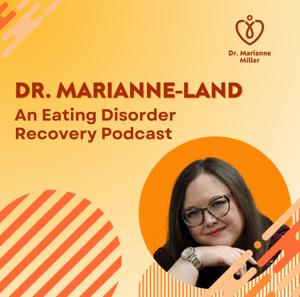


If you have PCOS and feel constantly hungry, deal with strong food cravings, or struggle with binge eating, you are not imagining it. PCOS can directly affect hunger, cravings, and eating patterns through insulin resistance and hormone imbalance. In this episode, Dr. Marianne explains the real link between PCOS and eating disorders so you can understand what is happening in your body without blame.
PCOS, or polycystic ovary syndrome, is an endocrine and metabolic condition that affects hormones, blood sugar regulation, and appetite. While often labeled as a reproductive issue, PCOS also plays a major role in hunger, food cravings, and disordered eating patterns.
Insulin resistance is common in PCOS and can disrupt blood sugar stability. This can lead to increased hunger, intense food cravings, and energy swings throughout the day. These PCOS symptoms are biological and can strongly influence eating behavior, including binge eating.
The connection between PCOS and eating disorders develops when increased biological hunger meets pressure to restrict food. Restriction can intensify cravings, increase food focus, and contribute to binge eating and disordered eating cycles. This is not a failure of willpower. It is the interaction between hormone imbalance, insulin resistance, and external messaging about food.
Neurodivergent individuals may experience additional challenges with eating, including sensory sensitivities, executive functioning differences, and changes in hunger awareness. When combined with PCOS, these factors can make eating feel more complex and require more flexible, individualized support.
Restricting food can increase hunger and amplify PCOS-related food cravings. This can lead to stronger urges to eat and cycles of binge eating. Supporting consistent nourishment can help stabilize energy, reduce extremes, and support eating disorder recovery.
Recovery from eating disorders with PCOS requires working with your body, not against it. This includes consistent eating, supporting blood sugar regulation, using low-lift meals, and honoring sensory needs. These approaches can support both hormone balance and a more regulated relationship with food.
PCOS is often accompanied by body changes and exposure to weight stigma, which can increase distress and drive attempts to control food. Understanding the emotional and social layers of PCOS and eating disorders is an important part of healing.
If you are living with PCOS, insulin resistance, food cravings, or binge eating, your experience is valid. Your body is responding to real biological processes. Support is possible without restriction, shame, or rigid food rules.
Polycystic Ovary Syndrome (PCOS) and Nutrition With Eden Davis, RDN, LDN on Apple & Spotify.
Healing Binge Eating Disorder: One Woman’s Journey Toward Body Trust & Food Freedom With Dr. Michelle Tubman, M.D. @wayzahealth on Apple & Spotify.
Chronic Binge Eating Disorder: Why It Persists & What Real Recovery Looks Like on Apple & Spotify.
If you are struggling with binge eating, disordered eating, or PCOS-related food challenges, Dr. Marianne’s binge eating recovery membership offers a non-restrictive, neurodivergent-affirming approach. Learn practical tools to support hunger, reduce food urges, and build a more sustainable relationship with food. Check out more about Dr. Marianne on her website, drmariannemiller.com.
What if what gets labeled as “picky eating” is actually a complex, sensory-based eating disorder shaped by neurodivergence, culture, and access to resources?
In this episode, I’m joined by Dr. Panicha McGuire, a licensed therapist and founder of Living Lotus Therapy, who shares her lived experience with ARFID alongside her clinical work with neurodivergent clients. Together, we explore how ARFID shows up in autistic and ADHD individuals, why it is so often misunderstood or missed, and what it actually feels like to navigate eating in a highly sensitive nervous system.
This conversation moves beyond surface-level discussions of food and gets into the real, lived reality of sensory overwhelm, executive functioning challenges, and the intersection of identity, culture, and access.
Avoidant Restrictive Food Intake Disorder (ARFID) is frequently overlooked, especially in autistic and ADHD individuals whose eating patterns are dismissed as personality traits or phases. In this episode, we unpack how ARFID can go unrecognized for years, particularly when someone appears to be functioning well in other areas of life.
Dr. Panicha shares how her own experiences were minimized growing up, shaped by assumptions about compliance, academic success, and cultural stereotypes. We talk about how masking, perfectionism, and being labeled easy or well-behaved can hide significant eating struggles beneath the surface.
For many neurodivergent people, eating is not neutral. It is a full-body sensory experience that can quickly become overwhelming.
We explore what sensory sensitivity looks like with ARFID, including texture aversions, taste intensity, smell sensitivity, and how one unexpected bite can shut down appetite. Dr. Panicha describes how her nervous system responds to food and how stress amplifies these responses, making eating even more difficult.
This is where the concept of sensory survival comes in. Eating becomes less about preference and more about finding ways to get through the experience with the least amount of distress. That might look like relying on specific textures, repeating the same foods, or needing very particular preparation methods.
Eating also involves planning, decision-making, preparation, and energy.
We discuss how ADHD and autism intersect with ARFID through executive functioning challenges. Tasks like grocery shopping, meal planning, or deciding what to eat can feel overwhelming, especially after a long day when cognitive and sensory capacity is already low.
Dr. Panicha also shares how environmental factors like noise, lighting, and crowded spaces can interfere with eating, highlighting how the experience of food extends far beyond what is on the plate.
One of the most important parts of this conversation is the role of intersectionality in ARFID.
Dr. Panicha shares her experience growing up as a Thai American child in a low-income household, where food was tied to culture, survival, and respect. Limited access to food choices, combined with cultural expectations, made it difficult for her sensory needs to be understood or supported.
We also talk about how many ARFID resources assume access and flexibility, which is not the reality for many individuals and families. This creates additional barriers and highlights the need for more culturally responsive and accessible approaches to care.
As an adult, Dr. Panicha has developed tools that support her in navigating ARFID, including identifying sensory preferences like crunchy textures, spicy foods, and umami flavors.
We discuss how safe foods evolve, how repetition can be supportive, and how expanding food options often happens through understanding sensory needs rather than forcing change. This includes modifying foods, using strong flavors to support appetite, and planning ahead for meals in unfamiliar environments.
ARFID affects more than eating. It shapes relationships, social experiences, and self-esteem.
We explore how navigating meals with others can bring up anxiety, shame, or the need to mask. From school lunches to restaurants to travel, eating in social settings often requires significant planning and energy.
Dr. Panicha shares how she prepares by researching menus, choosing environments that feel manageable, and communicating her needs with trusted people. We also discuss how lack of accommodation in public spaces can create additional barriers.
A common question is whether ARFID improves.
Dr. Panicha offers a nuanced answer. ARFID can shift over time. It can ease with increased self-understanding, access to resources, and supportive environments. It can also intensify during periods of stress or life transitions.
This conversation emphasizes that progress is not linear and that support must be flexible, individualized, and grounded in compassion.
On our personal neurodivergent stories: Apple & Spotify
On neurodiversity, selective eating, & ARFID: Apple & Spotify
On colonization, eating, & body image: Apple & Spotify
On autism and ADHD in queer individuals: Apple & Spotify.
You can learn more from Dr. Panicha McGuire and her work in neuroaffirming care.
Follow her on Instagram and TikTok at @drpanichamcguire for insights on ARFID, autism, ADHD, and sensory experiences. You can also visit her website at livinglotustherapy.com and sign up for her newsletter, which offers thoughtful, encouraging, and deeply supportive reflections on neurodivergence and mental health.
If you are navigating ARFID, binge eating, or eating struggles within the context of neurodivergence, you are not alone. I offer eating disorder therapy and coaching with a neurodivergent-affirming, liberation-focused approach.
You can learn more about working with me and explore resources on my website. Check out my awesome self-paced, virtual ARFID course HERE!
What does it mean when your safe foods suddenly stop working? If you live with ARFID (Avoidant Restrictive Food Intake Disorder), this experience can feel confusing, scary, and isolating. A food that felt reliable can suddenly feel impossible, leaving you wondering if your eating challenges are getting worse or if you are doing something wrong.
In this episode of Dr. Marianne-Land, Dr. Marianne explores why this happens and offers a compassionate, neurodivergent-affirming framework for understanding ARFID plateaus, safe food loss, and burnout. Rather than framing this as a setback, this conversation reframes it as a shift in nervous system capacity, where stress, sensory load, and life context all influence how food feels from day to day. Through a relatable case example, you will hear how safe foods can change during periods of increased demand and how support, not pressure, can help restore flexibility over time.
Avoidant Restrictive Food Intake Disorder (ARFID) is an eating disorder characterized by limited food intake linked to sensory sensitivities, fear of aversive consequences, or low interest in eating. Safe foods often become essential because they provide predictability and reduce sensory overwhelm. In this episode, Dr. Marianne explains how safe foods function as a form of nervous system support rather than simply preference, and why relying on them is both adaptive and necessary for many people.
Many people with ARFID experience periods where even their most reliable foods become harder to eat. This episode introduces the concept of ARFID burnout, where the cumulative effort of eating, decision making, and sensory processing leads to exhaustion. When the nervous system is overwhelmed, tolerance for even familiar foods can decrease. Dr. Marianne explores how stress, illness, fatigue, and life transitions can all narrow capacity and make eating feel more difficult, even when nothing about the food itself has changed.
Eating with ARFID often requires ongoing problem solving, which can create significant mental load. This episode highlights how decision fatigue plays a role in eating challenges, especially when every meal requires evaluating options, anticipating sensory experiences, and managing uncertainty. Reducing the number of decisions required around food can help create more stability and make eating feel more accessible.
If your safe foods are not working the way they used to, this episode offers practical and compassionate ways to respond without increasing pressure. Dr. Marianne discusses how supporting the nervous system, rather than forcing food, can help rebuild capacity over time. The episode explores ways to create a more flexible structure around eating, including expanding the range of low-effort meals, reducing cognitive load, and adjusting expectations so that eating feels more doable in the moment. The focus is on creating sustainability rather than perfection.
In this episode, Dr. Marianne emphasizes that ARFID recovery is not linear. Shifts in food tolerance are not signs of failure, but reflections of changing capacity. Learning how to respond with flexibility, curiosity, and support can help create a more sustainable relationship with food over time, especially during periods when things feel harder.
ARFID Explained: What It Feels Like, Why It’s Misunderstood, & What Helps on Apple & Spotify.
Why Sensory-Attuned Care Matters More Than Exposure in ARFID Treatment on Apple & Spotify.
Complexities of Treating ARFID: How a Neurodivergent-Affirming, Sensory-Attuned Approach Works on Apple & Spotify.
If you are looking for deeper support, Dr. Marianne offers a virtual, self-paced ARFID and selective eating course designed to help you better understand your eating patterns through a neurodivergent-affirming and trauma-informed lens. The course includes practical tools to support sensory needs, reduce overwhelm, and build a more sustainable approach to eating.
Learn more at drmariannemiller.com
If eating feels stressful, overwhelming, or even scary, you are not alone. Fear of food is incredibly common, especially for people navigating eating disorder recovery or trying to unlearn years of diet culture messaging. What often gets labeled as “lack of willpower” is actually something much deeper. It is learned fear.
In this episode, Dr. Marianne explores how fear of food develops, why it feels so real in the body, and how diet culture conditions people to distrust their own eating instincts. This conversation moves beyond surface-level advice and gets into the psychological and nervous system layers of food anxiety.
Diet culture teaches people to categorize food into rigid binaries such as “good” and “bad,” while also tying eating behaviors to morality and self-worth. Over time, this creates internalized food rules that can feel impossible to break. These rules often lead to anxiety, restriction, and a growing sense that eating must be controlled at all times.
Dr. Marianne explains how these patterns develop gradually and why they are often reinforced by praise, healthcare messaging, and social norms. What begins as an attempt to feel in control can slowly turn into fear of specific foods, fear of eating freely, and fear of losing control.
Fear of food is a central experience in many eating disorders, including anorexia, bulimia, binge eating disorder, and ARFID. Even when someone intellectually understands that food is not dangerous, their nervous system may still react with anxiety.
This episode breaks down why that happens and how long-term restriction strengthens food fear over time. Dr. Marianne shares how the brain begins to associate certain foods with danger and why reintroducing those foods can feel so overwhelming.
For neurodivergent individuals, including those with ADHD and autism, food anxiety can be layered with sensory sensitivities, executive functioning challenges, and differences in hunger awareness. Diet culture often ignores these realities, which can make eating feel even more complicated.
Dr. Marianne discusses why a neurodivergent-affirming approach to eating disorder recovery is essential and how honoring sensory needs and autonomy can reduce fear and increase safety around food.
Healing fear of food is not about forcing yourself to “just eat” or pushing through anxiety. It is about gradually helping the nervous system learn that eating is safe again.
Dr. Marianne introduces the concept of microdosing uncertainty as a way to take small, manageable steps toward flexibility with food. She also explores how questioning food rules, creating supportive eating environments, and working with the nervous system can help reduce food anxiety over time.
Recovery is not about perfect eating. It is about building a relationship with food that is less governed by fear and more grounded in trust.
If you feel afraid of food, it does not mean you are failing. It means you have learned to associate eating with danger in a culture that constantly reinforces those fears.
This episode offers a compassionate and practical framework for understanding food anxiety and beginning the process of healing.
SkinnyTok & Anorexia: How Harmful Trends Thrive Despite TikTok’s Ban with Jen Tomei @askjenup on Apple and Spotify.
ARFID, PDA, and Autonomy: Why Pressure Makes Eating Harder on Apple & Spotify.
When PDA Drives ARFID: Understanding Food Refusal, Control, & Safety on Apple & Spotify.
If you are struggling with fear of food, eating disorder recovery, or food anxiety, you can work with Dr. Marianne through therapy or coaching. Services are available in California, Texas, Washington, D.C., and globally.
You can also explore Dr. Marianne’s self-paced course on ARFID and selective eating, which includes neurodivergent-affirming, sensory-supportive approaches to rebuilding trust with food.
Learn more at drmariannemiller.com
What if the eating challenges you have struggled with were never just about food? In this deeply validating and expansive conversation, Dr. Marianne sits down with Margo White, CPN, to explore the intersection of autism, ADHD, and eating disorders through a neurodivergent-affirming lens. Margo shares her lived experience of being late-identified as autistic and ADHD, and how years of unmet needs, sensory overwhelm, and trauma shaped her relationship with food, her body, and herself. This episode gently reframes eating disorders not as isolated problems, but as meaningful adaptations that develop in response to a nervous system trying to survive.
Autism and ADHD are closely connected with eating disorders, yet this relationship is often misunderstood or overlooked in traditional treatment models. Margo shares how her neurodivergent brain shaped her early experiences, including sensory sensitivities, difficulty feeling connected, and a persistent sense of not fitting in. Without the language or support to understand these experiences, food became a place of predictability, comfort, and regulation. This conversation expands the narrative around anorexia and other eating disorders by exploring how they can emerge from unmet needs, overwhelm, and the need for safety, rather than solely from body image concerns.
Receiving a late diagnosis of autism and ADHD can be a profound shift. Margo describes this as a “lightbulb moment,” where years of confusion and self-blame suddenly made sense. Patterns that once felt like personal failures became understandable responses to a neurodivergent brain navigating a world that was not built for it. This reframe is often a critical piece of healing. When people understand their brain, they can begin to meet their needs more directly, which can significantly change their relationship with food and reduce reliance on eating disorder behaviors.
A core part of this conversation focuses on sensory needs and how they shape eating. Many autistic and ADHD individuals experience strong preferences around texture, temperature, predictability, and even the utensils they use. Margo and Dr. Marianne explore how these preferences are often mislabeled as disordered when they are actually reflections of a neurodivergent nervous system.
They discuss how something as simple as using a specific spoon or eating foods in a certain order can be rooted in sensory comfort rather than pathology. The conversation also highlights the overlap between ARFID and neurodivergence, and how nervous system regulation can expand flexibility with food over time. Rather than forcing exposure or compliance, a neurodivergent-affirming approach centers safety, choice, and collaboration.
Margo shares openly about her experience with anorexia and how it developed within the context of bullying, low self-worth, and unmet emotional needs. Food and restriction became ways to create structure and a sense of control when everything else felt overwhelming and unpredictable.
This part of the episode reframes eating disorders as protective strategies. While harmful, they often emerge to help someone cope with distress, regulate emotions, or navigate an environment that feels unsafe. Understanding this function can shift how we approach recovery, moving away from blame and toward compassion.
Recovery, especially for neurodivergent people, is not about forcing oneself into rigid food rules or expectations. Margo shares how her healing involved learning about her brain, honoring her sensory needs, and creating environments that felt safe enough for her nervous system to relax.
Instead of trying to eliminate comfort eating or achieve perfection with food, she learned to build flexibility and trust. Recovery became less about control and more about responsiveness, allowing her to eat in ways that supported her body while respecting her sensory experiences. This approach offers a powerful alternative to traditional models that can unintentionally increase shame or overwhelm.
A deeply important part of recovery is navigating body changes. Margo speaks candidly about gaining weight in recovery and how this brought up past trauma from being bullied in a larger body. These experiences did not disappear simply because her behaviors changed. Instead, they required ongoing processing and support.
This section explores how weight stigma shapes both eating disorders and recovery, and how individuals can begin to build safety and acceptance in their bodies over time. Margo also speaks about reclaiming the word “fat” as neutral, separating it from the harm that society has attached to it.
Margo also shares about her upcoming parent course designed to support families navigating ARFID in children and teens. Grounded in a neurodivergent-affirming and trauma-informed approach, the course focuses on reducing pressure, increasing safety, and rebuilding connection around food.
The course addresses how ARFID intersects with other experiences such as PDA, OCD, trauma, and burnout, and offers practical ways for caregivers to create predictable, supportive environments. Rather than focusing on compliance, the emphasis is on collaboration, understanding, and meeting the child where they are.
One of the most powerful themes in this episode is the shift from survival to flexibility. Margo reflects on how her relationship with food has changed, including moments where she can now eat in environments that once felt overwhelming or unsafe. These shifts are not about forcing change, but about building enough safety and support that new possibilities become accessible.
Recovery does not mean thoughts never return. It means having the awareness and tools to respond differently, with more compassion and less fear.
You can connect with Margo on Instagram at @margo_wholebodynutrition and learn more about her work at wholebodynutrition.com.au, where she shares resources and support for neurodivergent individuals and families navigating eating challenges.
“Stuck” Isn’t Lazy: Inertia in ADHD, Autism, & Eating Disorder Recovery With Stacie Fanelli, LCSW on Apple & Spotify.
Autism & Eating Challenges: Understanding Sensory Needs, Routines, & Safety on Apple & Spotify.
Eating Disorders & ADHD: Neurodivergent-Affirming Recovery With Taylor Ashley, RP @taylorashleytherapy on Apple & Spotify.
Dr. Marianne offers eating disorder therapy, coaching, and consultation for individuals navigating binge eating disorder, ARFID, anorexia, and bulimia. Her work is neurodivergent-affirming, trauma-informed, and rooted in autonomy and collaboration.
Services are available in California, Texas, Washington, D.C., and globally. To learn more or get started, visit drmariannemiller.com.
Most people still believe eating disorders only begin in adolescence or early adulthood. But restrictive eating can develop later in life, and midlife can be a particularly vulnerable time. Changes in the body, new health conditions, medications, major life transitions, and cultural pressure around aging can all shape someone’s relationship with food.
In this episode of Dr. Marianne-Land, Dr. Marianne explores why restrictive eating in midlife is more common than many people realize and why it often goes unnoticed. She discusses how bodies change as we mature, how medications and medical diagnoses can alter appetite and body composition, and why restrictive eating may be socially accepted or even praised in older adults. This conversation also looks at the emotional and cultural factors that can make midlife a turning point in someone’s relationship with food.
If eating has become more rigid, stressful, or rule-driven later in life, you are not alone. Eating disorders after 40 are real, and recovery is possible.
Restrictive eating in midlife often develops gradually. Someone may begin skipping meals, cutting out food groups, or eating less in response to body changes, stress, or health concerns. What begins as small adjustments can slowly become more rigid and anxiety-driven.
Dr. Marianne explains how restrictive eating patterns in midlife can sometimes be mistaken for healthy lifestyle changes. Because restriction is often praised in adults, it can be difficult for people to recognize when eating has become disordered.
Eating disorders after 40 are more common than many people realize. Research and clinical experience show that late-onset eating disorders can develop during midlife due to life transitions, hormonal changes, chronic stress, or new medical conditions.
In this episode, Dr. Marianne discusses why people who develop eating disorders later in life often feel confused or isolated. Because eating disorders are so frequently associated with youth, many adults struggle to understand what they are experiencing.
Bodies naturally change as we age. Hormones shift, metabolism evolves, and body composition often changes during midlife. Perimenopause, menopause, sleep changes, stress, and shifting activity levels can all influence appetite and energy levels.
Dr. Marianne explores how body changes in midlife can create distress or uncertainty for many people, especially in a culture that pressures individuals to maintain the same body size throughout adulthood. These experiences can lead some people to try to manage body changes through restrictive eating.
Midlife is also a time when many people begin navigating new health diagnoses or medications. Certain medications can change appetite, digestion, metabolism, or body composition. Medical conversations about weight or health markers can also increase attention on food and eating behaviors.
Dr. Marianne discusses how health conditions and medications can unintentionally contribute to restrictive eating patterns when people feel pressure to control body changes or manage symptoms through food restriction.
Restrictive eating in older adults often goes unnoticed because it may be socially encouraged. Eating less, avoiding certain foods, or losing weight is frequently framed as discipline or commitment to health.
Dr. Marianne explains how diet culture and weight stigma can reinforce restrictive eating behaviors, making it harder for people to recognize when their relationship with food has become rigid or distressing.
Recovery from restrictive eating is possible at any stage of life. Midlife can even bring strengths to the recovery process, including deeper self-awareness, life experience, and a clearer sense of personal values.
In this episode, Dr. Marianne discusses how recovery can include building a more compassionate relationship with the body, recognizing that bodies naturally change over time, and challenging cultural messages that equate worth with body size or control over food.
Anorexia & Bulimia After 40: Understanding Midlife Recovery & Change on Apple & Spotify.
The Hidden Pain of Midlife Anorexia: Why Coping Breaks Down & What Heals on Apple & Spotify.
Why Is Anorexia Showing Up Again in Midlife? You're Not Imagining It on Apple & Spotify.
Midlife Bulimia Recovery: Coping With the Internal Chaos on Apple & Spotify.
Welcome to the Jungle: Eating Disorders in Midlife & Our Personal Recovery Stories with Amy Ornelas, RD on Apple & Spotify.
Dr. Marianne Miller is a licensed marriage and family therapist specializing in eating disorder recovery. She supports people navigating restrictive eating, binge eating disorder, ARFID, and complex relationships with food.
Dr. Marianne provides therapy services in California, Texas, and Washington, D.C., and offers coaching and educational resources available globally. She also offers self-paced virtual courses, including her course on ARFID and selective eating, which explores neurodivergent-affirming approaches to supporting a sustainable relationship with food.
You can learn more about working with Dr. Marianne through her website, drmariannemiller.com.
Many people in eating disorder recovery eventually wonder how their early environment may have shaped their relationship with food. Questions about family dynamics and eating disorders often come up in therapy, especially when someone is trying to understand why certain patterns around food, body image, and control feel so deeply ingrained.
Eating disorders such as anorexia, bulimia, binge eating disorder, and ARFID do not develop from a single cause. Research shows that eating disorders emerge through a complex combination of biological vulnerability, personality traits, neurodivergence, trauma, life stress, and cultural pressures. Family dynamics are only one piece of this puzzle, but they can strongly influence how children learn to relate to food, bodies, emotions, and control.
In this episode of the Dr. Marianne-Land Podcast, Dr. Marianne Miller, eating disorder therapist, explores how family relationships, childhood experiences, and early emotional environments can shape patterns of disordered eating that continue into adulthood.
Children learn about food and bodies long before they are able to critically question the messages around them. Family dynamics often influence beliefs about body size, self-worth, and emotional expression.
In some families, diet culture and body criticism are normalized through comments about weight, food choices, or appearance. In others, emotions may be discouraged or minimized, leaving children to cope with distress on their own. These experiences can contribute to the development of disordered eating behaviors such as restriction, binge eating, or cycles of control around food.
Family environments can also shape how children understand achievement, perfectionism, and control. When approval is linked to discipline or performance, some individuals learn to use food and body control as a way to gain safety, validation, or stability.
These patterns do not mean families intentionally create eating disorders. Often caregivers are doing their best while navigating the same cultural pressures around weight, food, and health that affect all of us.
In the episode, Dr. Marianne shares a clinical case example illustrating how family dynamics can influence eating disorder development over time.
A client grew up in a household where discipline, achievement, and self-control were highly valued. Food was discussed frequently in terms of “good” and “bad,” and comments about body size were common among relatives. As the client entered adolescence and experienced normal body changes, these messages began to feel increasingly intense.
Restricting food initially created a sense of control and calm during a time of pressure and uncertainty. Over time, those behaviors gradually developed into an eating disorder.
This example highlights an important truth. Eating disorders often develop as coping strategies, particularly when someone is trying to manage overwhelming emotions, social pressure, or a sense of instability.
Family dynamics do not exist in isolation. They are shaped by larger cultural forces such as diet culture, anti-fat bias, racism, and ableism. These systems influence how bodies are discussed, how health is interpreted, and how children learn to evaluate themselves.
For example, children in larger bodies may receive more scrutiny around food. Neurodivergent children may experience pressure to control eating behaviors or mask sensory needs. Cultural messages about worth, discipline, and appearance often filter directly into family conversations about food and bodies.
Understanding these intersections can help people recognize that their relationship with food developed within a much larger social context.
Exploring family dynamics in eating disorder recovery is not about blame. Instead, it offers insight into how early experiences shaped coping strategies.
Many people discover that their eating disorder once served a function. It may have helped them regulate emotions, manage uncertainty, or create a sense of control in difficult situations. Recognizing that function can help people develop new coping tools that support long-term eating disorder recovery.
Healing often includes building more compassionate relationships with food, learning new emotional regulation skills, and establishing boundaries around conversations about weight, dieting, and body criticism when necessary.
Recovery is possible, even when eating patterns feel deeply rooted in early experiences.
How Childhood Trauma Shapes Eating Disorders & Body Shame (Content Caution) on Apple & Spotify.
Childhood Trauma & Eating Disorders on Apple & Spotify.
The Connection Between Unresolved Trauma & Long-Lasting Eating Disorders (Content Caution) on Apple & Spotify.
Dr. Marianne Miller is a Licensed Marriage and Family Therapist specializing in eating disorder therapy, including treatment for anorexia, bulimia, binge eating disorder, and ARFID. Her work integrates neurodivergent-affirming care, trauma-informed therapy, and liberation-focused approaches to support sustainable recovery.
Therapy, consultation, and coaching services are available for individuals in California, Texas, Washington, D.C., and globally.
Learn more at drmariannemiller.com.
If this episode resonated with you, consider subscribing to the Dr. Marianne-Land Podcast on Apple Podcasts or Spotify and sharing this episode with someone who may benefit from learning more about family dynamics and eating disorders.
What happens when traditional recovery messaging does not fit someone’s lived reality? For many people living with long-term eating disorders, the expectation of full recovery can feel overwhelming, unrealistic, or even invalidating. In these situations, harm reduction for eating disorders offers another path forward, one that centers dignity, autonomy, safety, and compassion.
In this episode of the Dr. Marianne-Land Podcast, Dr. Marianne speaks with Johanna Scoglio, M.Ed., M.B.A., founder of Dragonfly’s Dream, a nonprofit rooted in lived experience and dedicated to supporting people with long-term eating disorders through harm reduction, peer support, and mind-body healing.
Johanna brings both professional expertise and personal insight to this conversation. Together, she and Dr. Marianne explore how harm reduction approaches can support individuals who have been living with eating disorders for many years and may feel overlooked by traditional treatment models. This episode offers a thoughtful and compassionate discussion about chronic eating disorders, community care, and new ways of thinking about healing.
Harm reduction is an approach that focuses on reducing suffering and increasing safety, rather than insisting on a single definition of recovery. In the context of long-term eating disorders or chronic eating disorders, harm reduction acknowledges that healing is complex and that people deserve support even if their symptoms do not disappear entirely.
Johanna explains that harm reduction is not about giving up on healing. Instead, it is about meeting people where they are and supporting meaningful improvements in quality of life. For many individuals living with persistent eating disorders, this may mean reducing medical risk, building sustainable coping strategies, improving emotional well-being, and creating environments where eating and nourishment feel safer.
Rather than framing recovery as all-or-nothing, harm reduction allows space for nuance, flexibility, and compassion.
A key focus of Johanna’s work is peer support for eating disorders. Many people living with long-term eating disorders report feeling isolated or misunderstood, especially when their experiences fall outside standard recovery narratives. Peer support can create powerful spaces where individuals feel seen, understood, and less alone.
Johanna shares how peer-led communities offer validation and connection. When people speak openly with others who have lived through similar experiences, shame often begins to soften. Peer support can also provide practical strategies, encouragement, and hope that healing is still possible, even when the journey looks different than expected.
For many individuals, peer support becomes a vital complement to therapy, medical care, or other forms of treatment. It reminds people that they are not alone and that their experiences matter.
This episode also explores how the eating disorder field can broaden its understanding of recovery. Traditional treatment models often emphasize full symptom elimination as the only successful outcome. While full recovery is possible for many people, others may experience a more complicated path.
Johanna and Dr. Marianne discuss how harm reduction frameworks allow clinicians, families, and communities to support individuals without judgment. Instead of labeling someone as failing recovery, harm reduction acknowledges the realities of persistent eating disorders and prioritizes safety, dignity, and compassionate care.
By shifting the focus toward quality of life, connection, and incremental change, harm reduction can help people build more sustainable relationships with food, their bodies, and their communities.
Johanna Scoglio, M.Ed., M.B.A., is the founder of Dragonfly’s Dream, a nonprofit organization dedicated to supporting individuals living with long-term eating disorders. Her work centers on harm reduction, peer support, and mind-body healing, with the goal of creating spaces where people can access compassionate and realistic support.
Through advocacy, education, and community building, Johanna is helping expand the conversation around chronic eating disorders, recovery pathways, and inclusive care.
Johanna recently published a book:
When the Water Still Holds Me: Letters Through the Tides of a Long-Term Eating Disorder
You can learn more about it and purchase it HERE.
Here is her website: https://shimmeringseaglass.com/
Understanding Harm Reduction: Why "Full Recovery" May Not Be the Goal for Lifelong Eating Disorders on Apple and Spotify.
Why Eating Still Breaks Down for Neurodivergent People With Long-Term Eating Disorders on Apple and Spotify.
Orthorexia, Quasi-Recovery, & Lifelong Eating Disorder Struggles with Dr. Lara Zibarras @drlarazib on Apple & Spotify.
Navigating a Long-Term Eating Disorder on Apple & Spotify.
If you or someone you care about is navigating a long-term eating disorder, this episode offers an important reminder that healing does not have to follow a single path. Harm reduction, peer support, and compassionate care can create meaningful change and help people build lives that feel more supported and hopeful.
If you are looking for support with eating disorders such as ARFID, binge eating disorder, anorexia, or bulimia, Dr. Marianne Miller offers compassionate, neurodivergent-affirming care that recognizes how sensory needs, trauma, and complex life experiences can shape relationships with food. Dr. Marianne is a licensed eating disorder therapist who provides therapy for clients in California, Texas, and Washington, D.C., as well as coaching for people around the world. She specializes in working with adults navigating ARFID, binge eating disorder, and long-term eating disorders. To learn more about therapy, coaching, or Dr. Marianne’s self-paced ARFID and selective eating course, visit drmariannemiller.com.
Eating disorder recovery can feel frightening for reasons that go far deeper than food, weight, or body image. One of the most powerful drivers of eating disorder behaviors is fear of uncertainty. When recovery removes rigid rules and predictable routines, the nervous system can interpret that loss of certainty as danger.
In this episode, Dr. Marianne explores how fear of uncertainty operates underneath many eating disorder behaviors and why letting go of control can feel destabilizing. She explains the psychology of intolerance of uncertainty and how eating disorders such as anorexia, bulimia, binge eating disorder, and ARFID can develop as attempts to create predictability in an overwhelming world.
Many people with eating disorders experience what psychologists call intolerance of uncertainty. This means the brain interprets ambiguity and unpredictability as unsafe. Instead of thinking “I don’t know what will happen but I can cope,” the nervous system may assume that something bad will happen if there is not a clear plan or outcome.
Eating disorder behaviors can temporarily reduce this distress. Restrictive eating, binge eating, purging, body checking, and rigid food rules can create the illusion of certainty. These patterns often lower anxiety in the short term, which reinforces the cycle and makes recovery feel more intimidating.
Dr. Marianne explains how this dynamic shows up in eating disorder recovery and why the loss of rigid control can trigger powerful anxiety responses.
For many listeners, fear of uncertainty is intensified by neurodivergence, trauma history, or systemic stress. Changes in routine, fluctuating internal cues, sensory differences, and executive functioning challenges can all make unpredictability feel overwhelming.
Dr. Marianne discusses how autism, ADHD, and other neurodivergent experiences can interact with eating disorders and recovery. She also highlights how weight stigma, ableism, racism, and other systemic pressures can make uncertainty in eating disorder recovery feel even riskier.
Understanding these contexts helps shift the conversation from shame to compassion.
A key concept introduced in this episode is microdosing uncertainty. Instead of forcing dramatic change, recovery can involve practicing small, manageable exposures to unpredictability.
Dr. Marianne explains how gradually introducing small shifts in eating patterns, routines, or body-related behaviors can help retrain the nervous system. These repeated experiences allow the brain to learn that uncertainty does not automatically lead to catastrophe.
Microdosing uncertainty can help expand the window of tolerance and make eating disorder recovery feel more sustainable.
This episode also explores five practical skills that can help people tolerate uncertainty in eating disorder recovery.
Dr. Marianne discusses the importance of practicing small exposures to uncertainty, accurately naming nervous system reactions, creating compassionate structure that reduces overwhelm, regulating anxiety through body-based techniques, and cultivating contextual self-compassion.
These skills help widen emotional capacity so recovery does not feel like stepping into chaos. Instead, listeners can gradually build confidence in their ability to navigate unpredictability.
An Open Letter to the Body: Listening to the Part That Fears Getting Better on Apple and Spotify.
Eating Disorders as Safety Systems: Why Letting Go Can Trigger Fear on Apple and Spotify.
If Recovery Feels Unsafe Right Now: A Guided Moment for Eating Disorder Recovery Fear on Apple and Spotify.
Eating disorders often promise certainty, but they narrow life in the process. Recovery may introduce unpredictability, yet it also expands possibilities for nourishment, flexibility, connection, and autonomy.
Dr. Marianne emphasizes that recovery is not about eliminating uncertainty. The goal is to build the capacity to live meaningfully alongside it.
If this episode resonates with you and you are looking for additional support, you can visit Dr. Marianne’s website to learn more about therapy and self-paced recovery courses.
Dr. Marianne is a Licensed Marriage and Family Therapist specializing in eating disorders, including ARFID, binge eating disorder, anorexia, and bulimia. She offers therapy services in California, Texas, and Washington DC and provides virtual courses for people seeking flexible recovery resources.
You can learn more about therapy and courses at drmariannemiller.com.
If eating disorder recovery has made your stomach feel worse instead of better, you are not alone. Many people experience bloating, constipation, reflux, stomach pain, and fullness during recovery. These symptoms can feel frightening and discouraging, especially when they show up after you start nourishing your body more consistently.
In this solo episode, Dr. Marianne Miller, LMFT, explains why gastrointestinal symptoms are common during eating disorder recovery and why they do not mean recovery is failing. You will learn how restriction affects the digestive system, why symptoms sometimes intensify during early recovery, and what helps the gut heal over time. Dr. Miller also shares practical strategies for coping with GI discomfort while continuing recovery.
This episode offers compassionate guidance for navigating one of the most misunderstood parts of eating disorder healing.
Many people are surprised when digestive symptoms worsen after they begin eating more consistently. Bloating, constipation, reflux, nausea, and stomach pain can make recovery feel confusing or even frightening.
In this episode, Dr. Marianne Miller explains how restrictive eating, purging, inconsistent nourishment, and limited food variety affect the gastrointestinal system. When the body does not receive enough energy, digestion slows in order to conserve resources. Motility decreases, stomach emptying may become delayed, and the muscles of the digestive tract lose strength over time.
When nourishment increases during recovery, the digestive system must relearn how to function. This recalibration process can temporarily intensify symptoms. While uncomfortable, these changes are often part of the gut rebuilding normal digestive rhythms.
People in eating disorder recovery frequently report symptoms such as bloating, constipation, reflux, abdominal discomfort, nausea, and early fullness. These symptoms may appear during early refeeding or after increasing meal consistency.
Dr. Miller discusses how slowed gastrointestinal motility, microbiome changes, and nervous system activation contribute to these experiences. She also explains why bloating can feel especially distressing in a culture that places intense pressure on stomach appearance and body size.
Understanding the physiology behind these symptoms can help reduce fear and prevent the eating disorder from using GI discomfort as justification for returning to restriction.
One of the most important messages of this episode is that the digestive system is highly adaptable. With consistent nourishment, hydration, and medical support when needed, the gastrointestinal tract can recover significant function.
Over time, stomach emptying can improve, bowel patterns can normalize, and abdominal discomfort can decrease. The gut lining regenerates, digestive enzymes adjust, and the microbiome can become more balanced.
Recovery does not always follow a straight line, but healing is possible when the body receives consistent energy and care.
This episode also explores practical ways to cope with digestive discomfort while continuing eating disorder recovery.
Dr. Miller discusses the role of mechanical eating in helping retrain digestive rhythms and why regular meals often support gastrointestinal healing. Sensory supports can also help regulate the nervous system, including wearing loose clothing, using a heating pad on the abdomen after meals, and creating calming eating environments.
Hydration can support bowel function, and gentle abdominal massage may help stimulate motility. For some individuals, medical providers may recommend medications or short term treatments to reduce symptoms such as constipation, reflux, or delayed gastric emptying.
Dr. Miller emphasizes that any movement during eating disorder recovery must be cleared by a medical provider first. If a physician has determined that movement is safe, gentle activities such as short walks or stretching may sometimes support digestion. Medical clearance is essential before incorporating movement into recovery.
Because digestive symptoms can overlap with other medical conditions, collaboration with an eating disorder informed medical provider is important. Physicians can help assess symptoms, rule out other causes, and recommend appropriate treatments when needed.
Medications or medical supports may be helpful for constipation, reflux, nausea, or delayed gastric emptying. Seeking medical care for GI symptoms does not mean recovery is failing. It means symptoms are being treated compassionately and responsibly.
Dr. Miller also highlights how systemic bias can affect how digestive symptoms are treated. People in larger bodies may have GI concerns dismissed as weight related rather than recognized as recovery related. People of color may experience undertreatment of pain. Neurodivergent individuals may experience sensory distress that is misunderstood or minimized.
Acknowledging these realities helps contextualize why some people struggle to receive appropriate care and why compassionate, informed providers are so important.
GI distress during eating disorder recovery can feel discouraging, especially when symptoms appear after you begin nourishing your body more consistently. But digestive discomfort does not mean recovery is harming you.
In many cases, it means the digestive system is relearning how to function.
With time, consistent nourishment, appropriate medical support, and nervous system regulation, many people see meaningful improvement in digestive symptoms. Your body is not failing you. It is adjusting and healing.
Dr. Marianne Miller, LMFT, is a fat eating disorder therapist who specializes in binge eating disorder, ARFID, and complex eating disorder recovery. She works with clients in California, Texas, Washington DC, and internationally through virtual therapy and coaching.
If you are looking for eating disorder therapy that integrates physiology, neurodivergent affirming care, and liberation informed approaches, you can learn more about working with Dr. Miller at her website drmariannemiller.com.
She also offers self-paced courses and resources designed to support sustainable eating disorder recovery.
From the publisher's feed
Ranked by our users in the last 21 days

914 Listeners
3,060 Listeners

706 Listeners
47 Listeners
107 Listeners

11,387 Listeners

41,379 Listeners

5,852 Listeners

10,550 Listeners

19,148 Listeners
23 Listeners

145 Listeners

2,933 Listeners

12,489 Listeners