
Sign up to save your podcasts
Or

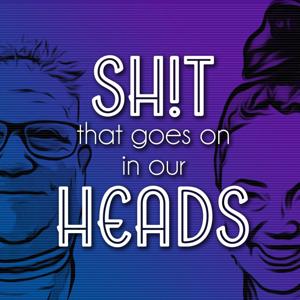


What happens when a medication prescribed to help you becomes the beginning of a life-changing health battle? In this powerful episode of Sh!t That Goes On In Our Heads, G-Rex and Dirty Skittles sit down with D E Foster to uncover the hidden realities of benzodiazepine withdrawal, chronic anxiety, and living with Benzodiazepine-Induced Neurological Dysfunction (BIND). From 12 years on Klonopin to becoming a voice for patients navigating withdrawal, D shares a story of resilience, medical advocacy, and learning that healing doesn't always follow a straight line.
D shares the heartbreaking loss of two close friends to suicide while discussing the emotional and physical challenges some people experience during prolonged benzodiazepine withdrawal.
If you or someone you know is experiencing a mental health crisis in the United States, call or text 988 or visit:
For crisis resources outside the United States:
Important Medication Safety Reminder: Benzodiazepine withdrawal can be medically dangerous, particularly when medication is stopped abruptly. Do not stop or change a prescribed medication without working with a qualified healthcare professional. This episode shares lived experiences and educational information, not individualized medical advice.
That's exactly what happened to D E Foster.
In this eye-opening conversation, G-Rex and Dirty Skittles welcome D, an author, podcaster, medical researcher, and patient advocate who has dedicated more than a decade to helping people understand benzodiazepine dependence and withdrawal.
Originally prescribed Klonopin for chronic stomach distress, D spent 12 years taking the medication without being warned about the potential complications of long-term use. When he eventually learned about those risks, he began an 18-month taper. His final dose was August 20, 2014, but his journey was far from over.
D opens up about living with Benzodiazepine-Induced Neurological Dysfunction (BIND), including cognitive challenges, physical symptoms, and the emotional toll of losing his career and independence. He also explains the critical difference between physical dependence and addiction, why individualized medical guidance matters, and how his lived experience helped shape benzodiazepine research and clinical guidelines.
But this conversation isn't just about medication.
It's about what happens when life doesn't return to normal, and you have to figure out what normal looks like now.
From meditation and mindfulness to his wife's unwavering support, D shares the coping tools, relationships, and sense of purpose that have helped him navigate his toughest moments.
He also gets real about people-pleasing, setting boundaries, and stepping away from advocacy work to protect his own well-being.
Because sometimes the strongest thing you can do isn't push harder. It's recognizing when you need to take care of yourself.
Keywords: D E Foster, benzodiazepine withdrawal, Klonopin withdrawal, benzodiazepine dependence, BIND, Benzodiazepine-Induced Neurological Dysfunction, protracted withdrawal, chronic anxiety, benzodiazepine tapering, anxiety medication, mental health advocacy, medication withdrawal support, long-term healing, mindfulness for anxiety, self-compassion
As co-founder and co-chair of the Benzodiazepine Action Work Group, D has contributed to medical education, peer-support training, and research initiatives, including helping develop the American Society of Addiction Medicine's 2025 benzodiazepine tapering guidelines. He also founded Uneven Life, a community organization that supports people affected by BIND, and continues sharing his knowledge while prioritizing his own health.
Connect with D E Foster:
Subscribe for more inspiring stories. Rate and review us on your favorite podcast platform, or visit our Website:
#MentalHealthPodcast #MentalHealthAwareness #Grex #DirtySkittles #Podmatch #DEFoster #BenzodiazepineWithdrawal #BenzoAwareness #KlonopinWithdrawal #BINDRecovery #ChronicAnxiety #AnxietyManagement #MentalHealthAdvocacy #MedicationAwareness #ProtractedWithdrawal #BenzoTapering #MindfulnessForAnxiety #SelfCompassion #PatientAdvocacy #LongTermHealing
***************************************************************************
If You Need Support, Reach Out
If you or someone you know is facing mental health challenges, please don’t hesitate to reach out to a crisis hotline in your area. Remember, it’s OK not to be OK—talking to someone can make all the difference.
Stay Connected with G-Rex and Dirty Skittles
Audio Editing by NJz Audio
Hosted by Simplecast, an AdsWizz company. See pcm.adswizz.com for information about our collection and use of personal data for advertising.
Who gets to define who you are? Your diagnosis, your past, or someone else's expectations? In this hilariously honest and deeply meaningful episode, G-Rex and Dirty Skittles sit down with Alexis, a special education teacher, mental health advocate, and founder of Permission to Define, to talk about living with Dissociative Identity Disorder (DID), challenging mental health stereotypes, finding the right therapist, setting boundaries, and taking back the power to define yourself.
If you or someone you know is experiencing a mental health crisis in the United States, call or text 988 or visit:
For crisis resources outside the United States:
In this powerful, funny, and unapologetically honest episode, Alexis joins G-Rex and Dirty Skittles to talk about living with Dissociative Identity Disorder (DID), challenging mental health stigma, and refusing to let anyone else define who you are.
Diagnosed with DID at 26, Alexis opens up about navigating nearly two decades of therapy, confronting misconceptions about her diagnosis, and building a trusted team of three therapists she affectionately calls her "Justice League." From equine-assisted therapy to exploring EMDR, she shares why finding the right mental health support matters and why healing sometimes requires questioning the language and expectations surrounding it.
Alexis also shares the remarkable career change that took her from a successful, six-figure environmental consulting career to teaching high school special education. For her, success is no longer measured by money or professional recognition. It's watching a struggling student find the confidence to walk into class or discover a strength nobody else noticed.
Things get especially real when Alexis discusses having her diagnosis used against her by someone she trusted professionally. That painful experience reinforced one of her most important lessons: Disclosure is not access. Sharing your story doesn't give someone permission to weaponize it.
Through laughter, vulnerability, and plenty of colorful language, Alexis reminds us that lived experience matters, boundaries are essential, and only you get to decide what your diagnosis or your life means.
Because sometimes the most powerful thing you can do for your mental health is stop trying to fit someone else's definition of normal.
Keywords: Alexis Kur, Permission to Define, Dissociative Identity Disorder, DID awareness, living with DID, mental health stigma, mental health advocacy, trauma therapy, EMDR therapy, equine-assisted therapy, therapy relationships, mental health boundaries, self-advocacy, redefining success, lived experience
After 15 years in environmental consulting, Alexis traded a six-figure salary for something far more meaningful: helping teenagers recognize their strengths, build confidence, and believe in themselves. Now, working with high school students who receive special education services for emotional impairments, she brings compassion, authenticity, and her lived experience into the classroom.
Diagnosed with Dissociative Identity Disorder (DID) at 26, Alexis has spent nearly two decades navigating therapy, confronting mental health stereotypes, and discovering what it means to live authentically. Through Permission to Define, she champions the value of lived experience, challenges limiting language, and encourages others to take ownership of how they define themselves.
With sharp humor, unapologetic honesty, and a refreshing willingness to question the status quo, Alexis reminds us that a diagnosis is information, not an identity, and that everyone deserves the freedom to tell their own story.
Connect with Alexis:
Subscribe for more inspiring stories. Rate and review us on your favorite podcast platform, or visit our Website:
#MentalHealthPodcast #MentalHealthAwareness #Grex #DirtySkittles #Podmatch #Alexis #PermissionToDefine #DissociativeIdentityDisorder #DIDAwareness #MentalHealthStigma #MentalHealthAdvocacy #TraumaHealing #TherapyJourney #MentalHealthBoundaries #SelfAdvocacy #LivedExperienceMatters #RedefiningSuccess #AuthenticLiving #SpecialEducation #YouAreNotYourDiagnosis
***************************************************************************
If You Need Support, Reach Out
If you or someone you know is facing mental health challenges, please don’t hesitate to reach out to a crisis hotline in your area. Remember, it’s OK not to be OK—talking to someone can make all the difference.
Stay Connected with G-Rex and Dirty Skittles
Audio Editing by NJz Audio
Hosted by Simplecast, an AdsWizz company. See pcm.adswizz.com for information about our collection and use of personal data for advertising.
What happens when chronic pain doesn’t only change the person hurting — it changes the marriage, the money, the business, the caregiver, and everybody’s identity? In Part 2, G-Rex and Dirty Skittles continue their conversation with Amy and Avery Nubson about caregiver burnout, asking for help, surviving the darkest chapters of a relationship, rebuilding independence, letting go of shame, and creating a life that looks nothing like the one they originally planned.
If you or someone you know is experiencing a mental health crisis in the United States, call or text 988 or visit:
For crisis resources outside the United States:
Amy gets brutally honest with G-Rex and Dirty Skittles about the period when she felt like a car accident had stolen her husband, best friend, business partner, and financial security all at once. Their clients disappeared. Medical bills landed on credit cards. She became Avery’s caregiver while trying to keep their lives afloat — and eventually reached a point where she knew something had to change.
Avery shares the other side: the shame of needing help, the frustration of invisible disability, difficult treatment decisions, setbacks that sent his mental health spiraling, and the exhausting process of learning to advocate for himself. Together, they explain how pain journals helped reveal progress that was otherwise almost impossible to see.
But this episode isn’t only about surviving. It’s about becoming.
Amy found independence and her voice. Avery returned to art, creativity, illustration, and board-game design. They learned to travel differently, spend time apart without fear, ask for help, tell the truth about what they were experiencing, and stop measuring their lives against someone else’s timeline.
Twelve years after the accident, Avery says something remarkable: he feels like he is coming back better.
Keywords: caregiver burnout, chronic pain recovery, caregiver mental health, self-advocacy, men’s mental health, invisible disability, relationship resilience, asking for help, medical trauma, chronic illness marriage, emotional healing, storytelling and shame, self-discovery, pain journaling, finding your voice
Together, Amy and Avery offer two sides of the same story: the person living with pain and the person loving, supporting, and sometimes struggling beside them.
Website:
Amy Nubson on LinkedIn:
Avery Nubson on LinkedIn:
Avery’s Games:
Subscribe for more inspiring stories. Rate and review us on your favorite podcast platform, or visit our Website:
#MentalHealthPodcast #MentalHealthAwareness #Grex #DirtySkittles #Podmatch #CaregiverBurnout #CaregiverSupport #ChronicPain #MensMentalHealth #InvisibleDisability #PatientAdvocacy #RelationshipResilience #AskingForHelp #FindingYourVoice #SelfDiscovery #TraumaRecovery #EmotionalHealing #ChronicIllness #StorytellingHeals #MentalHealthRecovery
***************************************************************************
If You Need Support, Reach Out
If you or someone you know is facing mental health challenges, please don’t hesitate to reach out to a crisis hotline in your area. Remember, it’s OK not to be OK—talking to someone can make all the difference.
Stay Connected with G-Rex and Dirty Skittles
Audio Editing by NJz Audio
Hosted by Simplecast, an AdsWizz company. See pcm.adswizz.com for information about our collection and use of personal data for advertising.
One car accident changed everything for Amy and Avery Nubson — their health, their marriage, their business, and the future they thought they had planned. In Part 1, G-Rex and Dirty Skittles sit down with Amy and Avery for a raw conversation about invisible injuries, chronic pain, PTSD, medical trauma, and what happens when you know something is wrong but getting someone to listen becomes a battle of its own.
If you or someone you know is experiencing a mental health crisis in the United States, call or text 988 or visit:
For crisis resources outside the United States:
After Avery was hit from behind while stopped at a red light in 2014, he walked away without broken bones or obvious external injuries. But what followed was anything but minor: debilitating pain, PTSD, panic attacks, flashbacks, bladder and pelvic health complications, sleep problems, mobility limitations, and eventually a traumatic brain injury diagnosis that took years to uncover.
In Part 1 of this deeply honest conversation, Avery tells G-Rex and Dirty Skittles what it was like to have his body become unfamiliar territory while repeatedly hearing that tests looked normal or providers didn’t know what came next. He opens up about male pelvic floor therapy, the shame surrounding intimate health problems, opioid withdrawal after insurance coverage changed, EMDR, implanted medical devices, and the exhausting reality of having to continuously advocate for care.
Amy shares the other side of that journey: watching the person you love disappear beneath pain, trying to understand symptoms nobody prepared you for, and learning how to support someone through a recovery that doesn’t follow a clean timeline.
This isn’t a story about magically “getting better.” It’s about persistence, invisible disability, medical self-advocacy, and finding hope in inches, not miles.
Keywords: chronic pain, PTSD recovery, medical trauma, invisible disability, traumatic brain injury, EMDR therapy, men’s mental health, pelvic floor therapy, chronic illness, pain management, healthcare advocacy, anxiety after car accidents, caregiver support, mental health recovery, patient advocacy
Website:
Amy Nubson on LinkedIn:
Avery Nubson on LinkedIn:
Avery’s Games:
Subscribe for more inspiring stories. Rate and review us on your favorite podcast platform, or visit our Website:
#MentalHealthPodcast #MentalHealthAwareness #Grex #DirtySkittles #Podmatch #ChronicPain #PTSDRecovery #MensMentalHealth #InvisibleDisability #MedicalTrauma #PelvicFloorTherapy #PatientAdvocacy #ChronicPainAwareness #EMDRTherapy #TraumaRecovery #HealthcareAdvocacy #PainManagement #CaregiverSupport #InvisibleIllness #MentalHealthRecovery
***************************************************************************
If You Need Support, Reach Out
If you or someone you know is facing mental health challenges, please don’t hesitate to reach out to a crisis hotline in your area. Remember, it’s OK not to be OK—talking to someone can make all the difference.
Stay Connected with G-Rex and Dirty Skittles
Audio Editing by NJz Audio
Hosted by Simplecast, an AdsWizz company. See pcm.adswizz.com for information about our collection and use of personal data for advertising.
Season 20 continues with Part 2 of our conversation with Tiphany Kane, where finding your voice becomes more than personal growth. Tiphany joins G-Rex and Dirty Skittles to share what happened when she had to fight to be heard while living with dangerously uncontrolled hypertension and repeatedly being told anxiety was the problem.
You keep fighting to be heard.
In Part 2 of our Season 20 opener, Tiphany Kane takes G-Rex and Dirty Skittles deeper into the medical journey that turned her hard-won voice into one of her most important tools.
Tiphany was dealing with dangerously uncontrolled hypertension alongside lifelong congenital organ abnormalities. After one medical appointment left her sobbing before she could even make it to her car, she found a clinical trial through UCI Health for people with resistant hypertension.
Two days after an appointment where she felt completely dismissed, she walked into a room where people listened.
Tiphany was accepted into the clinical trial and eventually underwent renal denervation. Months later, she says her blood pressure was controlled with medication, and she had something back that she’d desperately missed: quality of life.
But those years came with consequences. Tiphany discusses lasting damage involving her eyes, kidneys, and heart.
This conversation isn’t about pretending every doctor is terrible or that anxiety can’t affect the body. It’s about recognizing that mental and physical health can exist in the same damn body at the same time.
Having anxiety doesn’t make every physical symptom anxiety.
Tiphany’s story is a powerful reminder to ask questions, document what you’re experiencing, bring support when you need it, and keep advocating for yourself when something doesn’t feel right.
Keywords: Tiphany Kane, medical gaslighting, women’s health, patient advocacy, self-advocacy, anxiety stigma, chronic illness, resistant hypertension, healthcare trauma, trusting your body, women’s mental health, medical dismissal, emotional resilience, finding your voice, patient empowerment
Subscribe for more inspiring stories. Rate and review us on your favorite podcast platform, or visit our Website:
#MentalHealthPodcast #MentalHealthAwareness #Grex #DirtySkittles #Podmatch #Season20 #TiphanyKane #MedicalGaslighting #WomensHealth #PatientAdvocacy #SelfAdvocacy #ChronicIllness #HealthcareTrauma #AnxietyAwareness #TrustYourBody #WomensMentalHealth #FindingYourVoice #HypertensionAwareness #HealthcareAdvocacy #InvisibleIllness #EmotionalWellness
***************************************************************************
If You Need Support, Reach Out
If you or someone you know is facing mental health challenges, please don’t hesitate to reach out to a crisis hotline in your area. Remember, it’s OK not to be OK—talking to someone can make all the difference.
Stay Connected with G-Rex and Dirty Skittles
Audio Editing by NJz Audio
Hosted by Simplecast, an AdsWizz company. See pcm.adswizz.com for information about our collection and use of personal data for advertising.
Season 20 starts with one hell of a story. In Part 1 of this two-part opener, Tiphany Kane joins G-Rex and Dirty Skittles to talk about leaving a restrictive religious environment at 19, losing family and community, carrying the wounds of rejection, and eventually realizing she didn’t need anyone’s permission to use her voice.
But getting out was only the beginning.
In this Season 20 opener, Tiphany talks with G-Rex and Dirty Skittles about being disfellowshipped and suddenly losing contact with family members, childhood friends, and the community she had always known. She describes becoming an “instant orphan” and how that kind of rejection doesn’t magically disappear, even after decades.
Those old wounds still show up. Sometimes rejection brings up a protective wall. Other times, it wakes up the little girl who wonders why people don’t fight for her. Tiphany has learned to recognize those stories without letting them run the whole damn show.
She also opens up about people-pleasing, divorce, rebuilding her life, leaving a 20-year career she loved, and being told professionally that she was “too passionate.”
That moment became another crossroads: keep making herself smaller or figure out who she was without everyone else’s rules.
Then she found podcasting.
For the first time, Tiphany could say what she wanted to say without asking permission. And once she found that voice, there was no putting it back in the box.
Keywords: Tiphany Kane, religious trauma, finding your voice, rejection, people-pleasing, emotional healing, divorce recovery, reinvention, abandonment wounds, women’s mental health, self-worth, resilience, starting over, trauma recovery, podcasting
Subscribe for more inspiring stories. Rate and review us on your favorite podcast platform, or visit our Website:
#MentalHealthPodcast #MentalHealthAwareness #Grex #DirtySkittles #Podmatch #Season20 #TiphanyKane #ReligiousTrauma #FindingYourVoice #PeoplePleasing #EmotionalHealing #TraumaRecovery #Reinvention #StartingOver #SelfWorth #WomensMentalHealth #AbandonmentWounds #HealingJourney #DivorceRecovery #Resilience #Podcasting
***************************************************************************
If You Need Support, Reach Out
If you or someone you know is facing mental health challenges, please don’t hesitate to reach out to a crisis hotline in your area. Remember, it’s OK not to be OK—talking to someone can make all the difference.
Stay Connected with G-Rex and Dirty Skittles
Audio Editing by NJz Audio
Hosted by Simplecast, an AdsWizz company. See pcm.adswizz.com for information about our collection and use of personal data for advertising.
Season 19 gave us a front-row seat to grief, resilience, reinvention, boundaries, healing, and some seriously honest conversations. In this season finale, we look back at every guest who sat down with us, the moments that stayed with us after the microphones turned off, and how much we have both changed along the way.
Sh!t That Goes On In Our Heads is a 2024 People’s Choice Podcast Award Winner (Best Health), 2024 Women in Podcasting Award Winner (Best Mental Health Podcast), 2026 Podcast Tonight Award Winner (Best Mental Health Podcast), and 2026 NYC Podcast Award Audience Choice Winner (Best Hosts), with over 4.5 million downloads and listened to in over 160 countries.
We’d love to hear your thoughts! Leave us written or voice feedback here:
https://castfeedback.com/67521f0bde0b101c7b10442a
“I want to leave behind doubt and sadness and bring with me determination and hope and love.” — Dirty Skittles
This episode includes conversations about grief, suicide loss, sexual assault, addiction, depression, trauma, and other difficult mental health experiences.
If you or someone you know is struggling or in crisis, call or text 988 in the United States to connect with the Suicide & Crisis Lifeline:
https://988lifeline.org/
For international crisis support:
https://findahelpline.com/
We honestly cannot believe we are wrapping up Season 19.
When we started Sh!t That Goes On In Our Heads, we knew we wanted honest conversations about mental health. We didn't realize how much those conversations would change us, too.
This season brought us stories about burnout, grief, perfectionism, binge eating, difficult relationships, workplace stress, suicide loss, trauma, resilience, identity, and what it really means to reinvent yourself. Every guest brought something different into the room, but somehow each conversation left us looking at our own lives a little differently.
In this finale, we go back through every guest from Season 19 and talk about what stuck with us.
We reflect on boundaries, self-doubt, fear of failure, therapy, creativity, friendship, and the weird little things that help us stay grounded when life gets messy. We talk about learning to protect our peace, walking away from drama, giving ourselves permission to change, and understanding that trying something hard does not mean we failed just because the outcome looked different than expected.
And yes, we also talk about fishing, fantasy romance, laughing at wildly inappropriate things, and why sometimes the best mental health support is having that one person who understands exactly how your brain works.
The biggest takeaway from Season 19 is this: our stories matter, but they don't have to become our entire identity.
Season 19 is ending, and we are leaving self-doubt behind.
Keywords: mental health podcast, emotional wellness, resilience, self-doubt, boundaries, burnout recovery, grief, trauma healing, perfectionism, anxiety, personal growth, therapy, self-care, reinvention, mental health awareness
Season 19 gave us some unforgettable conversations, and every guest left us with something that stuck.
Subscribe, Rate, and Review!
Subscribe for more inspiring stories. Rate and review us on your favorite podcast platform, or visit our Website:
https://goesoninourheads.net/add-your-podcast-reviews
#MentalHealthPodcast #MentalHealthAwareness #Grex #DirtySkittles #Podmatch #Season19 #MentalHealthJourney #EmotionalWellness #Resilience #HealingJourney #PersonalGrowth #HealthyBoundaries #BurnoutRecovery #GriefSupport #TraumaHealing #SelfDoubt #TherapyWorks #FindingJoy #MentalHealthCommunity #Reinvention
***************************************************************************
If You Need Support, Reach Out
If you or someone you know is facing mental health challenges, please don’t hesitate to reach out to a crisis hotline in your area. Remember, it’s OK not to be OK—talking to someone can make all the difference.
Stay Connected with G-Rex and Dirty Skittles
Audio Editing by NJz Audio
Hosted by Simplecast, an AdsWizz company. See pcm.adswizz.com for information about our collection and use of personal data for advertising.
What happens after you survive something that should have killed you? In Part 2, G-Rex and Dirty Skittles continue their conversation with John Carter about waking from a coma, living with permanent injuries, maintaining long-term sobriety, choosing forgiveness, staying grateful, and turning a brutal past into a life of purpose.
If you or someone you know is in crisis or needs immediate emotional support in the United States, call or text 988 or visit:
For crisis resources outside the U.S.:
John describes the vivid dream he experienced while unconscious after being shot in the head. In the dream, he was repeatedly challenged to swim a race he could not win until an unknown older man appeared, coached him, and refused to let him quit. John eventually won the race—and woke up. To him, that mysterious coach represented a higher power delivering a message that would follow him for the rest of his life: keep going.
The conversation explores the long road of physical recovery, John’s decision not to carry hatred toward the man who shot him, and why he sees accountability differently after surviving the consequences of his own choices.
John also talks about maintaining sobriety by refusing to forget how bad addiction became. Today, storytelling, speaking at recovery centers, mentoring younger people, training clients, supporting Mobility Danes of New England, and being present for his children and grandchildren all help keep him connected to his purpose.
He is candid about one challenge that remains difficult: accepting changes in his mobility. But instead of pretending those feelings don't exist, John keeps returning to gratitude.
His message is beautifully simple: never give up, accept help when it comes, and remember that you may be stronger than adversity has allowed you to believe.
Keywords: John Carter, trauma recovery, long-term sobriety, addiction recovery, forgiveness, gratitude, resilience, mental health recovery, overcoming adversity, purpose after trauma, disability awareness, personal growth, second chances, recovery motivation, never give up
His first book, Triggered to Change, documents a life he describes as having contained “a hundred lives”—and the second chances that made his current one possible.
Subscribe for more inspiring stories. Rate and review us on your favorite podcast platform, or visit our Website:
#MentalHealthPodcast #MentalHealthAwareness #Grex #DirtySkittles #Podmatch #TraumaRecovery #SobrietyJourney #AddictionRecovery #NeverGiveUp #Forgiveness #GratitudePractice #PurposeAfterTrauma #SecondChances #Resilience #RecoveryIsPossible #DisabilityAwareness #PersonalGrowth #RecoveryMotivation #TriggeredToChange #JohnCarter
***************************************************************************
If You Need Support, Reach Out
If you or someone you know is facing mental health challenges, please don’t hesitate to reach out to a crisis hotline in your area. Remember, it’s OK not to be OK—talking to someone can make all the difference.
Stay Connected with G-Rex and Dirty Skittles
Audio Editing by NJz Audio
Hosted by Simplecast, an AdsWizz company. See pcm.adswizz.com for information about our collection and use of personal data for advertising.
At 22, John Carter survived a point-blank gunshot to the back of the head—but surviving the bullet was only the beginning. G-Rex and Dirty Skittles sit down with John for Part 1 of an unbelievable conversation about organized crime, depression, addiction, prison, sobriety, physical recovery, and the people who helped him fight his way back.
If you or someone you know is in crisis or needs immediate emotional support in the United States, call or text 988 or visit:
For crisis resources outside the U.S.:
In Part 1, John joins G-Rex and Dirty Skittles to talk about the moments that changed the direction of his life. After his arrest, he found himself sitting in a police department parking lot at more than 300 pounds, using a wheelchair, broke, addicted, and out of options. A trip to detox—and a woman named Deb who showed him what recovery could look like—became the beginning of something different.
John also shares how a 10-year prison sentence ultimately became part of his second chance. Inside, three men who had known his father refused to let him stay in his wheelchair. They brought him to the prison gym, trained with him, and helped him rebuild his body until he eventually walked out of prison.
The conversation also explores grief, the loss of John’s brothers to addiction, the importance of asking for help, and the unexpected purpose he found through personal training and service dogs.
John’s story isn’t about pretending trauma was a gift. It’s about what can happen when you keep getting back up.
Keywords: John Carter, addiction recovery, mental health recovery, sobriety, trauma recovery, depression, prison rehabilitation, resilience, second chances, organized crime survivor, personal transformation, service dogs, recovery community, fitness and mental health, overcoming adversity
His memoir, Triggered to Change, shares his journey from organized crime and addiction to recovery, purpose, and second chances.
Subscribe for more inspiring stories. Rate and review us on your favorite podcast platform, or visit our Website:
#MentalHealthPodcast #MentalHealthAwareness #Grex #DirtySkittles #Podmatch #AddictionRecovery #SobrietyJourney #TraumaRecovery #SecondChances #RecoveryIsPossible #OvercomingAdversity #Resilience #PrisonRehabilitation #DepressionRecovery #ServiceDogs #FitnessAndMentalHealth #RecoveryCommunity #NeverGiveUp #TriggeredToChange #JohnCarter
***************************************************************************
If You Need Support, Reach Out
If you or someone you know is facing mental health challenges, please don’t hesitate to reach out to a crisis hotline in your area. Remember, it’s OK not to be OK—talking to someone can make all the difference.
Stay Connected with G-Rex and Dirty Skittles
Audio Editing by NJz Audio
Hosted by Simplecast, an AdsWizz company. See pcm.adswizz.com for information about our collection and use of personal data for advertising.
What happens when years of depression, anxiety, bullying, and feeling like an outsider finally meet a microphone? G-Rex and Dirty Skittles sit down with Noah May to talk about surviving some of his darkest moments, finding connection when he needed it most, and discovering that using his voice through podcasting could become part of his healing.
In this deeply personal conversation, Noah joins G-Rex and Dirty Skittles to talk about growing up without his biological father, learning the painful circumstances surrounding his conception, being bullied by classmates, and wondering whether he was ever good enough. He also opens up about starting therapy, struggling to be completely honest during those early sessions, and later realizing that healing sometimes requires finding the right outlet — not just following someone else’s version of what recovery should look like.
For Noah, one of those outlets became podcasting.
After graduating from Auburn University with a journalism degree, Noah faced another familiar fear: What if all that work had been for nothing? Instead of giving up, he leaned harder into creating. Today, he hosts three podcasts — Lethal Venom, Music Talks, and Southern Reads — and uses his platform to tell the truth, connect with people, and create the kind of space he once needed himself.
Noah’s story reminds us that life rarely follows the damn plan. Sometimes healing looks like therapy. Sometimes it looks like friendship. Sometimes it looks like music, books, or sitting behind a microphone and finally saying the things you’ve carried for years.
Keywords: Noah May, depression, anxiety, suicidal thoughts, mental health recovery, podcasting and mental health, bullying recovery, loneliness, finding your voice, emotional healing, therapy, young adult mental health, mental health advocacy, overcoming adversity, healing through storytelling
Website: https://www.noahspodcasts.com/
Lethal Venom:
Music Talks:
Southern Reads:
Remember to subscribe for more inspiring stories. Rate and review us on your favorite podcast platform, or visit our Website:
#MentalHealthPodcast #MentalHealthAwareness #Grex #DirtySkittles #Podmatch #DepressionAwareness #AnxietyAwareness #SuicidePrevention #MentalHealthRecovery #HealingJourney #PodcastingForHealing #FindingYourVoice #YoungAdultMentalHealth #BullyingRecovery #EmotionalWellness #MentalHealthAdvocate #HealingThroughStorytelling #YouAreNotAlone #OvercomingAdversity #NoahMay
***************************************************************************
If You Need Support, Reach Out
If you or someone you know is facing mental health challenges, please don’t hesitate to reach out to a crisis hotline in your area. Remember, it’s OK not to be OK—talking to someone can make all the difference.
Stay Connected with G-Rex and Dirty Skittles
Audio Editing by NJz Audio
Hosted by Simplecast, an AdsWizz company. See pcm.adswizz.com for information about our collection and use of personal data for advertising.
From the publisher's feed

2,590 Listeners

820 Listeners

3,314 Listeners
1,898 Listeners
2,018 Listeners

114 Listeners

27,998 Listeners

782 Listeners
711 Listeners

1,390 Listeners

19,126 Listeners

2,623 Listeners

146 Listeners
88 Listeners
118 Listeners