
Sign up to save your podcasts
Or

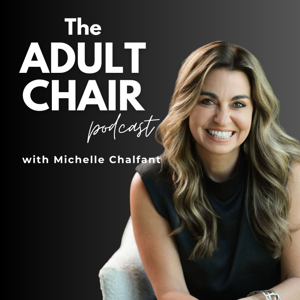


Based on Podcast App listening data
In my 25 years of private practice, the #1 issue I worked on with clients was feeling their emotions.
Whether someone was anxious, reactive and raging or numb to the world, the question they were all asking was, "What the heck do I do with these emotions?"
I've been there too. And it breaks my heart, because experiencing emotions is one of the gifts of being human.
But the good news is that all of us can reclaim this part of ourselves and learn to feel our emotions. And when we do, it unlocks all kinds of possibilities in life!
In this episode, I'm breaking down why it's so important that we learn to feel our emotions and some practical ways to do that. I'm also addressing some of the common fears and discomfort around feeling emotions (like, "What if I get stuck in this emotion?") and helping you understand why this is your birthright – and how it can improve your relationships, your intuition and your life!
Listen to discover:
Why it's so important to feel your emotions
Why most humans struggle with this
Four practical ways to feel your emotions
How to connect with your inner child
How to overcome blocks in feeling emotions
No one is born without emotions, but along the way, we learn to suppress them – and in turn, disconnect from who we really are.
Feeling emotions is the key to connecting back to yourself and one of the foundational pillars of being a healthy adult. I hope this episode helps guide you back to this essential part of you.
"We'd have a completely different world if we were all able to tune into what our emotions are." - Michelle Chalfant
"We become whole humans when we feel our emotions." - Michelle Chalfant
"We're all born to feel emotions." - Michelle Chalfant
"When we feel our emotions, it is a gateway into our intuition. We have enhanced intuition when we are in tune with and know what we are feeling emotionally." - Michelle Chalfant
"Instead of asking yourself, 'What do I think?" ask yourself, "What do I feel?'" - Michelle Chalfant
"Empathy is when we're able to tune into another person and feel what they're feeling. It's a beautiful skill to have." - Michelle Chalfant
"Connecting with the inner child is simply activating an energy." - Michelle Chalfant
"There's so much power in feeling our emotions." - Michelle Chalfant
LINKS & RESOURCES
Free Inner Child Resource
https://theadultchair.com/innerchild
MORE ADULT CHAIR
The Adult Chair® Website
https://theadultchair.com
The Adult Chair® Events
https://theadultchair.com/events/
The Adult Chair® Coaching Certification
https://theadultchair.com/certification
STAY CONNECTED
Instagram: https://www.instagram.com/themichellechalfant
Facebook: https://www.facebook.com/TheMichelleChalfant/
The Adult Chair® Facebook Group: https://www.facebook.com/groups/theadultchair/
YouTube: https://www.youtube.com/c/Michellechalfant
You landed the dream gig, got the promotion, submitted your book for publishing, had an amazing first date.
So, why do you feel so insecure, unsure and even unworthy?
Hello, imposter syndrome!
Imposter syndrome, or feeling like a fraud, is something that everyone struggles with from time to time — yep, even those super successful people you look up to.
It's that feeling that you don't really deserve the recognition or opportunities you've earned or you worry you're not really good enough for them. It often sounds like, "If they only knew…"
Imposter syndrome can pop up when something good happens in our life or it can hold us back from ever going after our dreams.
In this episode, I'm breaking down exactly what imposter syndrome is, where it comes from and the concrete steps you can take to work through it and overcome it!
Listen to discover:
What imposter syndrome is
Where it comes from
Practical steps to stop feeling like a fraud or an imposter
Feeling like a fraud is part of the human experience. But because this feeling causes us shame, we hide it and then end up thinking we're the only ones. It's time we talk about it openly — and talk about what you can do so it doesn't hold you back any longer!
I hope the steps in this episode are steps you can turn to anytime you feel imposter syndrome creep up.
"If you feel this way, don't feel like you're the only one." - Michelle Chalfant
"It's the feeling that you're a fraud, that you don't deserve compliments, praise or success that you rightfully earned." - Michelle Chalfant
"When we have imposter syndrome, we feel like our success happened by chance or by luck." - Michelle Chalfant
"It's like we're carrying around this big, dark secret that we want no one to know about." - Michelle Chalfant
"It's critical to have self-worth. This is one of the ways that we work ourselves out of feeling like a fraud or an imposter." - Michelle Chalfant
"When we can become witness to it, we give ourselves another perspective." - Michelle Chalfant
"Don't let your rouge thoughts run your life." - Michelle Chalfant
"When we change our thoughts into positive, conscious thoughts about who we are, it feels better." - Michelle Chalfant
"What we're not great at doing is accepting and owning our accomplishments." - Michelle Chalfant
"These are your accomplishments. They're yours. Claim them. Be proud of them." - Michelle Chalfant
"Self-worth is key to changing your mindset about being a fraud." - Michelle Chalfant
"Self-worth is all about value." - Michelle Chalfant
"Imposter syndrome is much more common than you would think." - Michelle Chalfant
LINKS & RESOURCES
Green Chef
https://www.greenchef.com/adult60
Use code ADULT60 for 60% off + free shipping
The Adult Chair® Private Facebook Group
https://www.facebook.com/groups/theadultchair/
MORE ADULT CHAIR
The Adult Chair® Website
https://theadultchair.com
The Adult Chair® Events
https://theadultchair.com/events/
The Adult Chair® Coaching Certification
https://theadultchair.com/certification
STAY CONNECTED
Instagram: https://www.instagram.com/themichellechalfant
Facebook: https://www.facebook.com/TheMichelleChalfant/ \
The Adult Chair® Facebook Group: https://www.facebook.com/groups/theadultchair/
YouTube: https://www.youtube.com/c/Michellechalfant
Cheers. Salud. Skol.
Wherever you are in the world, it seems like alcohol punctuates every celebration.
But have we stopped to ask if alcohol is really good for us? Or have we paused to get curious about why we drink – and when it moves from genuine enjoyment to unhealthy numbing out?
Recently, I've noticed more people having conversations about sobriety, from giving up drinking entirely to swapping a few cocktails for mocktails, and I thought it was time we talked about alcohol through the lens of The Adult Chair®.
In this episode, I'm chatting with Laura McKowen, who has written extensively about getting sober and runs a global sobriety support community. She openly and vulnerably shares her story of using alcohol to numb her emotions, why and how she got sober and what her life looks like now.
We talked about how our culture normalizes excessive drinking, all the emotions that come up when getting sober and ways to tell if you might have an unhealthy relationship with alcohol. If you're at all "sober curious," you're going to love hearing her perspective!
Listen to discover:
Laura's story of getting sober and why she chose to stop drinking
How drinking culture normalizes excessive drinking
Busting health myths about alcohol
The connection between alcohol and anxiety
How Laura's life got better when she got sober
The way we use alcohol to numb our emotions
How to develop a healthier relationship with alcohol, whether you choose to cut it out completely or enjoy it in moderation
Like everything in The Adult Chair, we aren't talking in terms of "do" or "don't" or "good" or "bad," but about bringing consciousness into the decisions we make.
My goal for this show is not to tell you to stop drinking, but to encourage you to take a closer look at when you drink, why you drink and how you drink so you can truly live life to the fullest: present, awake and alive!
"I knew I liked to drink a little too much. I loved it a little too much." - Laura McKowen
[When offered a drink after a bad day] "I don't want a glass of wine. I would like to come talk to you about my emotions though." - Michelle Chalfant
"We end up recreating our life in a way that decenters alcohol...my life is still my life." - Laura McKowen
"When you are drinking even a little more than you want to, it keeps you from facing the truth." - Laura McKowen
"Alcohol provides a really great shield to just sort of skim across the top of life." - Laura McKowen
"I was in a lot of emotional pain. I know that's exactly why I reached for alcohol." - Michelle Chalfant
"We don't get away with not feeling things. It goes somewhere." - Laura McKowen
"Shame disconnects us from our humanity and the humanity in other people." - Laura McKowen
"The not drinking wasn't the cure....it was actually connecting with other people in a meaningful way and healing in relationship with people that allowed me to heal." - Laura McKowen
LINKS & RESOURCES
Laura McKowen Website
https://www.lauramckowen.com/
Laura McKowen Instagram
https://www.instagram.com/laura_mckowen/
"Push Off From Here" (Laura McKowen Book)
https://www.lauramckowen.com/books
The Self-Worth Meditation Bundle
https://theadultchair.com/worthy
MORE ADULT CHAIR
The Adult Chair® Website
https://theadultchair.com
The Adult Chair® Events
https://theadultchair.com/events/
The Adult Chair® Coaching Certification
https://theadultchair.com/certification
STAY CONNECTED
Instagram: https://www.instagram.com/themichellechalfant
Facebook: https://www.facebook.com/TheMichelleChalfant/
The Adult Chair® Facebook Group: https://www.facebook.com/groups/theadultchair/
YouTube: https://www.youtube.com/c/Michellechalfant
There are so many different aspects of being an emotionally healthy adult. We're complex, connected beings, and our bodies, our minds, our emotions, our spiritual lives…they all play a role in how we feel every day.
It all matters!
One of the areas we don't talk about enough is our hormones. Hormones impact SO many of our bodily and mental functions, and we've been kept in the dark about them for too long! Everyone deserves to understand this part of themselves!
In this episode, I talk to hormone health educator Candace Burch to help us understand all things hormones…and wow, is she a WEALTH of information!
We talk about how hormones impact our lives from our teenage years all the way through menopause, the symptoms of hormonal imbalances and all the related topics when it comes to hormones: birth control, fertility, anxiety, acne, PCOS, stress and SO much more.
You will walk away with a much better understanding of the role of each hormone in your body and the empowered choices you have when it comes to balancing your hormones.
Listen to discover:
This show focuses on female hormones since they are so complex, but I hope it is helpful for all of us to recognize that our internal chemistry and the cyclical nature of our bodies are not to be ignored.
When we learn to work with our bodies, trust our intuitions and get support when we're feeling out of balance, we can take more ownership of our health through every stage of life.
"Painful periods are not normal." - Candace Burch
"So many women are not aware of the symptoms or they become their symptoms." - Candace Burch
"The whole concept of hormone imbalance is relatively new." - Candace Burch
"Ovulation disruption is one of the big reasons people become hormonally imbalanced." - Candace Burch
"When you talk about health or hormonal health in any case, it's always about nutrient dense proteins, good nutrition." - Candace Burch
"That's key: keeping blood sugar stable." - Candace Burch
"There's this inevitable road to hormones shifting, but they shouldn't be shifting like a roller coaster." - Candace Burch
"I think a lot of people don't even know how to relax anymore." - Candace Burch
"The adrenals are key to everything really." - Candace Burch
"There are not a lot of studies with intermittent fasting with women." - Michelle Chalfant
"Progesterone is the great balancing hormone." - Candace Burch
"Estrogen has so many functions. We need it." - Candace Burch
"I'm a fan of hormone replenishment when testing takes place first, in measured doses." - Candace Burch
"High cortisol at night is really problematic." - Candace Burch
"I think most PCOS is very much linked to insulin resistance and an imbalance of blood sugar." - Candace Burch
"Anyone that has PCOS doesn't need to feel helpless and hopeless." - Candace Burch
"I think women have to trust their intuition." - Candace Burch
LINKS & RESOURCES
Candace Burch Website
https://www.yourhormonebalance.com/
Your Hormone Balance Instagram
https://www.instagram.com/yourhormonebalance
The Self-Worth Meditation Bundle
https://theadultchair.com/worthy
Build Your Own Rebalancing Package
https://www.yourhormonebalance.com/b-y-o-rebalancing-package?ref=48199-The-Adult-Chair-Podcast
Use code ADULTCHAIR50 for $50 off
MORE ADULT CHAIR
The Adult Chair® Website
https://theadultchair.com
The Adult Chair® Events
https://theadultchair.com/events/
The Adult Chair® Coaching Certification
https://theadultchair.com/certification
STAY CONNECTED
Instagram: https://www.instagram.com/themichellechalfant
Facebook: https://www.facebook.com/TheMichelleChalfant/
The Adult Chair® Facebook Group: https://www.facebook.com/groups/theadultchair/
YouTube: https://www.youtube.com/c/Michellechalfant
You see their name pop up on your phone, and you immediately notice yourself feeling stressed. It's that friend who always seems to be in crisis, who always calls to gossip or vent.
We all know that person…many of us ARE that person.
It's called drama addiction, and there's a part in all of us that is drawn towards chaos and stress.
Sometimes this shows up in big, dramatic ways, and other times, it's subtler, like our need to always be busy, doom scroll through the news or argue with someone on social media.
My brilliant guest today, Dr. Scott Lyons, is a trauma expert who has studied what is really going on in the brain and body when we're addicted to drama. He breaks down what trauma does in our body, why addiction forms in response and what exactly is happening in our nervous system when we seek out stress, busyness and drama.
Dr. Lyons also helps us navigate situations where others are pulling us into their drama (including news and social media), explaining why we do this, how it affects our nervous systems and the boundaries we can put in place to protect ourselves.
This episode is full of major "aha" moments that will help you better understand trauma and how stress affects you, whether you are addicted to drama or know someone who is.
Listen to discover:
We all unconsciously do the things that make us feel safe, accepted, loved and alive. If we grew up in a chaotic or dysregulating environment, drama feels safe to us, and that's why we seek it out.
Understanding your nervous system and how your experiences have shaped it is so empowering and will greatly increase your compassion for yourself and others. This show is a must listen!
"We all know someone addicted to drama." - Dr. Scott Lyons
"The first part of a stress response is a release of endorphins, is a release of pain relief…So, we become attached, dependent on wanting hits of things that give us essentially that constant stream of pain relief." - Dr. Scott Lyons
"In our nervous systems, our exaggerated responses are justified if we're addicted to drama." - Dr. Scott Lyons
"Self-regulation is the ability to know how much energy, attention and emotion to utilize in our system to properly adapt to a stimulus." - Dr. Scott Lyons
"An addiction to drama looks different on the outside than what it feels like on the inside." - Dr. Scott Lyons
"I've noticed with people in my life that are chronically busy, when there's a space of downtime, boom, it's filled right away." - Michelle Chalfant
"That tornado of chaos that we all know so well, that we've either created ourselves or been pulled into, that is a sad cry for a sense of connection." - Dr. Scott Lyons
"I would think as soon as the internet was created that [drama addiction] became a bigger addiction for most people." - Michelle Chalfant
"The ways in which media, and social media specifically, operate have replicated the conditions of an addiction to drama, but on an endemic scale." - Dr. Scott Lyons
"We live in a stress economy." - Dr. Scott Lyons
"Negative information — fear, anger, sadness — will be more capturing of our attention than positive news…We are more likely in watching the news to believe bad things will happen to us." - Dr. Scott Lyons
"The most contagious state is a stress state." - Dr. Scott Lyons
"We want the drama." - Michelle Chalfant
"I did so much nervous system work with myself for so many years, and I'm finally in this place of much more balance…now I protect myself from drama." - Michelle Chalfant
"That is the curative to an addiction, and it is belonging. And when we belong to ourselves, we can start to lower the drawbridge and feel intimacy, the safety for intimacy and belonging to other people." - Dr. Scott Lyons
LINKS & RESOURCES
Dr. Scott Lyons Website
https://www.drscottlyons.com/
Dr. Scott Lyons Instagram
https://www.instagram.com/drscottlyons/
"The Gently Used Human" (Dr. Scott Lyons Podcast)
https://podcasts.apple.com/us/podcast/the-gently-used-human-with-dr-scott-lyons/id1685789759
"Addicted to Drama" (Dr. Scott Lyons Book)
https://www.amazon.com/Addicted-Drama-Healing-Dependency-Yourself/dp/0306925834
The Adult Chair® Private Facebook Group
https://www.facebook.com/groups/theadultchair/
MORE ADULT CHAIR
The Adult Chair® Website
https://theadultchair.com
The Adult Chair Events
https://theadultchair.com/events/
The Adult Chair® Coaching Certification
https://theadultchair.com/certification
STAY CONNECTED
Instagram: https://www.instagram.com/themichellechalfant
Facebook: https://www.facebook.com/TheMichelleChalfant/
The Adult Chair® Facebook Group: https://www.facebook.com/groups/theadultchair/
YouTube: https://www.youtube.com/c/Michellechalfant
Trigger Warning: This episode discusses topics such as exercise, relationship with food and body image. Though the intent is to promote a conscious and healthy mindset around these topics, please use caution in listening if you have a history of an eating disorder or body image disorder.
Summer is here…and with it, thousands of messages about diets, weight loss and fitness.
There is so much pressure from society to look a certain way, and these messages can be so harmful to our mental and emotional health.
At the same time, movement and nourishment are vital parts of both physical and mental health, and many people have positive fitness goals for themselves: being able to participate in a sport they love, having more energy to play with their kids or staying active as they get older.
We need a more conscious approach to the conversation around fitness and nutrition – one where we learn to tune out the voices of our society and tune into ourselves instead: our why, what we really want and what we uniquely need to be healthy.
Brian Keane is a personal trainer who helps his clients approach fitness from a more holistic perspective, bringing mindset, motivation and emotional well-being into the fitness journey.
He realized that clients would come to him saying they wanted their bodies to look a certain way, but what they really wanted was to feel a certain way: secure, confident, peaceful.
Now as part of his training, he helps people identify their why, connect to their emotions, evaluate their relationship with food and exercise and look at the whole picture of well-being – sleep, stress, connection, etc.
In this episode, Brian breaks down his holistic approach to fitness, walking us through how to navigate diet claims, find inner strength while remaining self-compassionate, tap into the power of motivation and make small, lasting changes in any area of life.
Listen to discover:
What exactly a holistic approach to fitness is
How to tell the difference between physical hunger and emotional hunger
Sorting through diet culture and the millions of claims about the "best" way to eat
Building mental toughness while staying self-compassionate
How to find motivation
Why trying to make too many changes over time is counterproductive
Our bodies are part of the self, and all parts of us are interconnected. Our emotional health impacts how we treat ourselves physically, and how we care for ourselves physically impacts our emotional well-being.
The key is to find a balanced approach to fitness that incorporates the whole self. Whether you're someone who can't wait to get to the gym, someone who wants to start exercising more or someone learning to treat your body more kindly, it's all about tuning out the noise, the pressure and the cookie cutter images of beauty and doing what works for YOU!
"I help [clients] rewire their relationship with food and rewire their relationship with fitness so that they can take that holistic approach so that it's serving their life and not taking from it." - Brian Keane
"Everything that happens to us happens to us for a reason. What's meant for you won't pass you as long as you listen." - Brian Keane
"In their mind, they think that if they look this specific way, it will remove this feeling that they have." - Brian Keane
"When you take a holistic approach to fitness, all those other areas of your life can improve." - Brian Keane
"It's always an internal job." - Michelle Chalfant
"So many of us, we use food to numb out our emotions." - Michelle Chalfant
"With food being 'good' and 'bad,' that's more a projection that we as humans are putting on the food." - Brian Keane
"Your body knows what it wants you to eat." - Michelle Chalfant
"It's all about balance." - Michelle Chalfant
"Motivation is just a state change." - Brian Keane
"Everything is difficult when you try to change it first. But...if you persevere and you're consistent with it and you make it a daily habit, eventually it becomes your new normal, and then it becomes easy." - Brian Keane
"Too many changes too soon is a recipe for failure." - Brian Keane
"The small things done consistently well lead to extraordinary results over time." - Brian Keane
"I don't like that word, 'diet,' but I do like having this goal of just being healthy." - Michelle Chalfant
LINKS & RESOURCES
Brian Keane Website
https://briankeanefitness.com/
"The Fitness Mindset" (Brian Keane book)
https://briankeanefitness.com/fitness-mindset/
"Rewire Your Mindset" (Brian Keane book)
https://briankeanefitness.com/rewire-your-mindset/
Crisis Text Line for Eating Disorders
https://www.crisistextline.org/topics/eating-disorders/#what-is-an-eating-disorder-1
The Adult Chair® Private Facebook Group
https://www.facebook.com/groups/theadultchair/
MORE ADULT CHAIR
The Adult Chair® Website
https://theadultchair.com
The Adult Chair Events
https://theadultchair.com/events/
The Adult Chair® Coaching Certification
https://theadultchair.com/certification
STAY CONNECTED
Instagram: https://www.instagram.com/themichellechalfant
Facebook: https://www.facebook.com/TheMichelleChalfant/
The Adult Chair® Facebook Group: https://www.facebook.com/groups/theadultchair/
YouTube: https://www.youtube.com/c/Michellechalfant
There's someone in your life you love, but the relationship just isn't working.
Despite your best efforts to communicate and try to work things out, nothing is changing. This person seems totally uninterested in listening to you or working on the relationship.
You've hit a wall, and the relationship feels stuck.
This can be so maddening, frustrating, disappointing and painful! You wouldn't be trying to make it work if you didn't care for this person, but you can't make them change…and you're hurting in the meantime.
I hear from listeners all the time who find themselves in this situation, with a romantic partner, a friend, a family member or a colleague. They want to know: How do you approach this with an Adult Chair perspective…not just for the relationship, but for yourself?
In this episode, I'm giving you five steps to take when you feel stuck or at an impasse with someone in your life. These are all things YOU have the power to do, no matter the other person's response, and they will help you find new clarity, perspective and ideas for navigating this situation.
Listen to discover:
A higher perspective on why relationships come and go
Five steps to working through a relationship dead end or stalemate
The power of acceptance and letting go
How to control what you can and release what you can't
How to take care of yourself no matter what happens in the relationship
Relationships can be beautiful, hard and everything in between.
It's ok – and even expected – that certain people will come and go throughout our lives. Perhaps you've learned what you're meant to learn and it's time to let go, or perhaps there's something for your soul to learn by working through this difficult process together.
Whether you want to keep fighting for a relationship or you know it's time to end it, the steps in this episode will help you stay in your Adult Chair, control what you can, let go of what you can't and take care of YOU, so you can live with peace and hope no matter what happens with the relationship.
"Have you considered that the reason that you're with this person…is because you needed to learn, grow, transform or find something about yourself?" - Michelle Chalfant
"Acceptance and liking are two very different things." - Michelle Chalfant
"When you're able to accept somebody for who they are, there's almost like a release that happens. There's a detachment that happens." - Michelle Chalfant
"People are not going to change until they're ready and willing to change." - Michelle Chalfant
"Just because the relationship needs to be shifted, it doesn't mean it has to end." - Michelle Chalfant
"We cannot go around our pain. We go through our pain, and we are stronger on the other side." - Michelle Chalfant
"Emotions are meant to be experienced, felt and processed, or metabolized, through the body and the energy field. And if we don't build a story around what we're feeling…those emotions move through us." - Michelle Chalfant
"Boundaries are not confrontational." - Michelle Chalfant
"To let go is to truly detach from [the] outcome, and we let go of our expectations as well." - Michelle Chalfant
"It's beautiful when we are able to look at our lives and ask, 'What do I need?'" - Michelle Chalfant
"Relationships can be beautiful, but they can also be really hard…and they can also be somewhere in the middle." - Michelle Chalfant
MORE ADULT CHAIR
The Adult Chair® Website
https://theadultchair.com
The Adult Chair Events
https://theadultchair.com/events/
The Adult Chair® Coaching Certification
https://theadultchair.com/certification
STAY CONNECTED
Instagram: https://www.instagram.com/themichellechalfant
Facebook: https://www.facebook.com/TheMichelleChalfant/
The Adult Chair® Facebook Group: https://www.facebook.com/groups/theadultchair/
YouTube: https://www.youtube.com/c/Michellechalfant
"I'm such a horrible person."
"I can't believe I did that…I'm so stupid."
"I'm not good enough."
Do these types of thoughts sound familiar? If so, you're not alone.
As humans, we can be so mean to ourselves. We make a mistake and beat ourselves up for hours. We look in the mirror and are met with a barrage of negative self-talk. Sometimes these thoughts come at us relentlessly, like a flood.
But these thoughts are not the truth about who we are. They come from an inner part or voice inside of us that is actually trying to keep us safe.
And when we have the tools to work with these parts of self, we can stop these critical and ruminating thoughts in their tracks – and transform so many of the struggles that come with them, like depression, low self-worth and overwhelm.
In this episode, I'm sharing the story of a friend who came to me for help with critical thoughts that she couldn't shake. I walk you step-by-step through the parts work method I used with her and the process she went through that stopped those thoughts almost instantly.
Then, I explain why parts work is so powerful, how it works in our unconscious mind and exactly how you can use it to work with your own critical parts – or any other part of yourself for that matter!
Listen to discover:
How to stop ruminating and negative self-talk in its tracks
The process I used with a friend to help her quiet her critical, ruminating thoughts
My own experience using parts work to transform a ruminating thought I was having
How to use parts work to transform any part of yourself
A step-by-step parts work process you can use anytime, anywhere
The amazing thing about parts work is that you don't have to spend years working with a part or even be in a coaching or therapy session to do this work. My friend's transformation happened during a casual conversation we had after work. And as I share in this episode, I use parts work when I'm out for a walk or in the middle of the day. This is an empowering tool we ALL need in our toolbox!
At the heart of parts work is giving ourselves what we needed but didn't get when we were young. As a healthy adult, you now get to be that strong, caring adult for your younger self – and when you do, you will be amazed at the deep inner healing that takes place.
"I started doing parts work when I was 30 years old, and I changed my life." - Michelle Chalfant
"Not everybody's visual, so please don't think there's something wrong if you [don't visualize a part]." - Michelle Chalfant
"I always thank these parts because they are doing such a good job at keeping me safe." - Michelle Chalfant
"This is what I love about the unconscious mind…they pull things out of left field." - Michelle Chalfant
"When you are hearing these voices in your head, the ruminating thoughts, the beating up on self…start asking yourself this question: 'Who is saying that?'" - Michelle Chalfant
"I really think you are going to be amazed at the different parts of yourself that you will start to discover." - Michelle Chalfant
"This is how we really experience more of who we are, and this is the journey we are on in order to rediscover and live from our true self." - Michelle Chalfant
LINKS & RESOURCES
Share Your Love: Review The Adult Chair® Podcast
https://podcasts.apple.com/us/podcast/the-adult-chair/id941317634
The Adult Chair® Private Facebook Group
https://www.facebook.com/groups/theadultchair/
MORE ADULT CHAIR
The Adult Chair® Website
https://theadultchair.com
The Adult Chair Events
https://theadultchair.com/events/
The Adult Chair® Coaching Certification
https://theadultchair.com/certification
STAY CONNECTED
Instagram: https://www.instagram.com/themichellechalfant
Facebook: https://www.facebook.com/TheMichelleChalfant/
The Adult Chair® Facebook Group: https://www.facebook.com/groups/theadultchair/
YouTube: https://www.youtube.com/c/Michellechalfant
As humans, we all have needs. From the time we're babies, when we literally need someone to feed us and take care of us, to adults who need connection, safety and belonging, our wants and needs are part of our inner world and part of ourselves.
But somewhere along the way we start to feel ashamed of these needs, believing we're "too much" or "weak" or too "needy." But I believe being able to acknowledge and ask for what we need is actually a superpower!
My guest today, Mara Glatzel, is a coach who helps people stop self-abandoning and start taking ownership of their needs. She digs into the many different dynamics of what it means to be a human who has needs and how we can better take care of ourselves as we navigate this world.
We talk about the most common human needs, why we tend to judge and suppress our own needs and how it's when we suppress them that our needs come out sideways (as anger, resentment, unrealistic expectations or disconnecting from self).
Mara shares how to build a practice of connecting with self to check in with your needs on a regular basis, how to reclaim your sense of self if you've lost it and how to start validating and taking care of your needs…the true definition of self-care.
Listen to discover:
Why having needs isn't weakness
The two most common reasons people struggle with their needs
Some of the most common human needs
The difference between having needs and being "needy"
What real self-care looks like
When and how to check in with self to learn what you need
What "self-partnership" is and how you can take responsibility for your needs
The Child Chair (or inner child) is where we are connected to our true needs – physical, emotional and spiritual.
As healthy adults, we know how to advocate for our needs by using the power of choice and boundaries to protect ourselves, as well as asking for what we need while honoring others' boundaries.
I hope this episode helps you start owning your needs as a strength, so instead of shaming ourselves for having needs, we can become people who support ourselves and others in healthy ways.
"The reality is that our needs are a fact and not a flaw." - Mara Glatzel
"A need is whatever it is that you require in order to exist and survive." - Mara Glatzel
"I think we need training to tap into ourselves so we can identify what our needs are." - Michelle Chalfant
"So many of us are working so hard to belong to the world around us at the cost of belonging to ourselves." - Mara Glatzel
"Taking responsibility for your own needs is an essential part of self-leadership." - Mara Glatzel
"The self-care that we often see and that we're often sold is prescriptive in nature...I have a lot of clients who come to me burnt out on self-care." - Mara Glatzel
"When you take a moment and slow down and really tune in and ask yourself, 'What do I need?'...it changes things." - Michelle Chalfant
"It's a beautiful form of self-care to just check in with self." - Michelle Chalfant
"If we don't check in, then we might be living our lives on autopilot in so many ways." - Mara Glatzel
"I think anything other than a full-throated acceptance of your needs is self-abandonment." - Mara Glatzel
"To learn how to be our best advocate and ask for what we need is powerful." - Michelle Chalfant
LINKS & RESOURCES
Mara Glatzel Website
https://www.maraglatzel.com/
"Needy" (Mara Glatzel Book)
https://www.maraglatzel.com/book/
Mara Glatzel Instagram
https://www.instagram.com/maraglatzel/
Free Inner Child Resource
https://theadultchair.com/innerchild
MORE ADULT CHAIR
The Adult Chair® Website
https://theadultchair.com
The Adult Chair Events
https://theadultchair.com/events/
The Adult Chair® Coaching Certification
https://theadultchair.com/certification
STAY CONNECTED
Instagram: https://www.instagram.com/themichellechalfant
Facebook: https://www.facebook.com/TheMichelleChalfant/
The Adult Chair® Facebook Group: https://www.facebook.com/groups/theadultchair/
YouTube: https://www.youtube.com/c/Michellechalfant
Watch any rom-com or fairy tale and they'd have you believe relationships are as simple as meeting someone and falling in love. But is love really all it takes to have a healthy relationship?
Though we often think of relationships as a matter of the heart, the truth is there's a whole world of chemistry happening in your body and brain that has more impact on your relationship than you realize, such as:
What partner you pick
How you bond and attach
What you perceive as threat in a relationship
How you respond to stress
The way your mind stores memories
How you view your partner
And ultimately whether your connection grows or dissolves over time
Dr. Stan Tatkin, who looks at relationships through a biological and psychological lens, is back on the podcast this week talking about the relationship essentials that lead to not just long-lasting relationships but happy relationships.
He breaks down what's really going on under the surface in different relationship situations (like conflict or betrayal), the critical role our threat response plays in building or damaging connection and how to consciously create more secure functioning based on principles like fairness, justice and mutuality.
Listen to discover:
The two things that cause relationships to dissolve
How our stress and threat response systems impact our relationships
Why our brains "automate" and how to stop taking your partner for granted
The difference between attachment and love
The importance of "quick repair" in a relationship
How to build more secure functioning in your partnership
The dangers of loneliness and isolation
We must have safety in order to have connection. Dr. Tatkin says the goal is to learn how to remove interpersonal stress and feelings of threat in relationships, which lead to not just relationship health but mental, emotional and physical health for everyone in and around the relationship.
The next time you meet a new love interest or the next time you and your beloved are having a conversation, don't just ask how you feel about the situation – also pay attention to how your nervous system is reacting and what your body is telling you. This awareness is key to picking the right partner, creating more emotional safety and building more life-giving, long-term partnerships.
"[One reason relationships fail is] the manner in which all of us will interact when one or both of us is under stress. And this has to do with threat...where our brain changes and we start to, on some level, believe that the other person is not an ally." - Dr. Stan Tatkin
"Everything is about relationships and how we navigate our way in those relationships." - Michelle Chalfant
"Learning about ourselves is intertwined with learning about another person." - Dr. Stan Tatkin
"The only remedy to automation...is presence and attention. We have to build things in that ensure we're in love or in respect." - Dr. Stan Tatkin
"When we are in an argument with our beloved, it's so important to give them something while we are in process." - Michelle Chalfant
"Quick repair actually saves us downstream...the smart thing to do is to fix things now so that we don't end up spending all of our time in the junkyard, not living life but sorting out everything we did wrong." - Dr. Stan Tatkin
"The main problem with most issues around affairs, cheating is the lying...the biggest damage is the reveal of information that, if I had known, would have changed everything for me." - Dr. Stan Tatkin
"Everybody has a different way of determining what is happy for them." - Dr. Stan Tatkin
"It goes back to open, honest, raw communication, no matter what kind of relationship you're in." - Michelle Chalfant
"This whole thing about, 'I can't quit you,' isn't a rational drive, but it is powerful as hell." - Dr. Stan Tatkin
"The secret to longevity, happiness, mental health, physical health is the presence of at least one secure functioning relationship in your life." - Dr. Stan Tatkin
"I think we need to start taking some risks of just inviting people over for dinner or out to coffee or go to lunch...start taking that risk and be brave and start connecting more. We need in-person connection." - Michelle Chalfant
LINKS & RESOURCES
Dr. Stan Tatkin Website
https://www.thepactinstitute.com/
"In Each Other's Care" (Dr. Stan Tatkin Book)
https://www.amazon.com/Each-Others-Care-Relationship-Conflicts-ebook/dp/B0B19FWBXL
Episode #328: Understanding And Improving Your Relationship With Dr. Stan Tatkin
https://theadultchair.com/podcasts/328/
Find an Adult Chair® Coach
https://theadultchair.com/coach
Share Your Love: Review The Adult Chair® Podcast
https://podcasts.apple.com/us/podcast/the-adult-chair/id941317634
Headspace
Try it free for 30 days
https://www.headspace.com/adult30
MORE ADULT CHAIR
The Adult Chair® Website
https://theadultchair.com
The Adult Chair Events
https://theadultchair.com/events/
The Adult Chair® Coaching Certification
https://theadultchair.com/certification
STAY CONNECTED
Instagram: https://www.instagram.com/themichellechalfant
Facebook: https://www.facebook.com/TheMichelleChalfant/
The Adult Chair® Facebook Group: https://www.facebook.com/groups/theadultchair/
YouTube: https://www.youtube.com/c/Michellechalfant
From the publisher's feed
Ranked by our users in the last 21 days

2,581 Listeners
681 Listeners
1,623 Listeners
1,410 Listeners

2,513 Listeners
1,383 Listeners

606 Listeners
4,715 Listeners
279 Listeners

365 Listeners

1,848 Listeners

6,095 Listeners
1,054 Listeners

339 Listeners

83 Listeners