
Sign up to save your podcasts
Or



Based on Podcast App listening data
Most “energy” products are just caffeine in disguise — a short-term loan with a brutal crash. In this Deep Dive, we go beyond stimulation and into real cellular energy by decoding a three-compound “energy code” found inside BioElixir MIND: Ergothioneine (EGT), Panax ginseng, and Rhodiola rosea.
You’ll learn why EGT is called a “longevity vitamin” (and how it outperforms major antioxidants in lab testing), how the body uses a dedicated transporter (OCTN1) to deliver it into high-risk tissues like the eyes and brain, and why EGT’s stability matters in the real world. Then we shift to Panax ginseng and its surprising links to telomere length and a more youthful NAD⁺/NADH ratio, plus human-reported improvements in sleep, fatigue, cognition, and sexual health. Finally, we break down Rhodiola as a true adaptogen — less “stimulant,” more thermostat — supporting stress resilience, mood, and focus while keeping the cardiovascular system steady.
If you’re tired of “wash the windshield” advice, this is the episode that talks about fixing the engine.
(Educational content only, not medical advice.)
-
Articles Discussed in Episode:
Ergothioneine: Evaluation of a Novel Antioxidant for Targeting Ocular Oxidative Stress
Panax ginseng Meyer supplementation and potential associations with telomere length and NAD+/NADH ratio in middle-aged adults: An exploratory study
Phenolic Compounds of Rhodiola rosea L. as the Potential Alternative Therapy in the Treatment of Chronic Diseases
-
Key Quotes From Dr. Mike:
“Most ‘energy’ isn’t energy — it’s borrowing from tomorrow.”
“EGT isn’t just strong in a test tube — your body built a VIP entrance specifically to pull it into cells.”
“EGT doesn’t just clean up oxidative stress — it helps prevent new damage from forming.”
“Ginseng didn’t just change how people felt — it moved biomarkers tied to biological aging.”
“Rhodiola isn’t a gas pedal. It’s cruise control.”
“Shield, repair, resilience — that’s the real energy code.”
-
Key points
Caffeine ≠ energy: it’s “borrowing energy from tomorrow” with interest.
The “Energy Trinity”: EGT (shield) + Panax ginseng (restore) + Rhodiola (resilience).
EGT’s standout potency: extreme free-radical scavenging in standardized assays vs common antioxidants.
EGT targets the worst offenders: especially hydroxyl radicals and hypochlorous acid.
Metal chelation matters: EGT binds free iron/copper to reduce radical formation (prevention, not just cleanup).
Bioavailability solved: the body has a dedicated EGT transporter (OCTN1)—a built-in “VIP door.”
High-value delivery zones: OCTN1 is highly expressed in the retina/cornea and brain.
Real penetration evidence: ocular model shows EGT reaching the back of the eye quickly after topical use.
EGT is unusually stable: retains potency under heat/humidity—rare for antioxidants.
Ginseng & aging markers: associated with telomere elongation and improved NAD⁺/NADH ratio in humans.
Rhodiola = thermostat: improves stress resilience and mental stamina without the jittery stimulant profile.
Timing matters: Rhodiola is best earlier in the day to avoid sleep disruption.
-
Episode timeline
0:19–1:40 – Why modern “energy” is mostly caffeine + maintenance-level advice
1:40–3:45 – The thesis: 3 molecules that unlock cellular energy (and how they map to BioElixir MIND)
4:18–17:35 – Ergothioneine (EGT): potency, what it targets, metal chelation, OCTN1 “VIP transporter,” ocular penetration, and stability
17:38–26:15 – Panax ginseng: telomeres, NAD⁺/NADH ratio, and reported improvements (sleep, fatigue, cognition, sexual health)
26:22–32:20 – Rhodiola rosea: adaptogen definition, stress resilience, neurotransmitter support, calm-focus effect, best timing
32:57–end – The synthesis: EGT = shield, ginseng = restoration, rhodiola = resilience
-
⚡ BioElixir MIND: Shield • Restore • Resilience ⚡
Dr. Mike's #1 recommendations:
Deuterium depleted water: Litewater (code: DRMIKE)
-
Stay up-to-date on social media:
Dr. Mike Belkowski:
BioLight:
Website
YouTube
In this Energy Code Deep Dive, Dr. Mike Belkowski and co-host Don Bailey unpack a 2025 review in Mitochondrion that challenges one of biology’s most entrenched rules: the idea that mitochondrial DNA is inherited only from the mother.
For decades, paternal mitochondria were considered disposable “damaged goods” — actively destroyed by the egg through highly conserved cellular cleanup systems. But this episode explores mounting evidence that the rule may be more flexible than we thought, especially under crisis conditions.
The hosts break down:
why biology usually enforces maternal-only mitochondrial inheritance,
how paternal mitochondria are normally eliminated,
the controversy over “paternal leakage” and human case reports,
why NUMTs (nuclear mitochondrial DNA fossils) created years of scientific confusion,
and the breakthrough 2024 fruit fly study that provided functional proof of paternal mitochondrial rescue.
Their central takeaway is a powerful new idea: paternal mitochondrial inheritance may not be random leakage at all — it may be a built-in evolutionary fail-safe, a cellular “spare tire” activated only when the mother’s mitochondria fail.
This episode reframes biology not as a system of rigid laws, but as a dynamic intelligence built for survival.
(Educational content only, not medical advice.)
-
Article Discussed in Episode:
Research progress on paternal mitochondrial inheritance: An overview
-
Key Quotes From Dr. Mike:
“This idea of maternal inheritance has been treated like an absolute law.”
“The old rule was simple: dad gives nuclear DNA, mom gives the mitochondria. This paper says the story may be more flexible than that.”
“The cell doesn’t reject paternal mitochondria just because they’re from dad — it rejects them because mixing mitochondrial code can create chaos.”
“The ‘spare tire’ theory is simple: a damaged backup is still better than no energy at all.”
“The cell may be willing to break its own inheritance rules if that’s what it takes to keep ATP flowing and keep life alive.”
-
Key points
The episode challenges a core biology rule: mtDNA may not be strictly maternal in all cases.
A 2025 review suggests paternal mtDNA inheritance can occur in crisis conditions.
This matters for disease diagnosis, evolution, and metabolic biology.
Maternal-only inheritance helps avoid heteroplasmy (conflicting mitochondrial DNA populations).
Eggs dominate mtDNA by numbers (huge mtDNA load vs. very few in sperm).
Sperm mitochondria are essential for motility but often arrive oxidatively stressed (“damaged goods”).
Cells actively destroy paternal mitochondria using robust cleanup pathways (autophagy, ubiquitination, etc.).
Rare “paternal leakage” signals were seen for years but often dismissed as anomalies.
A 2002 human case showed paternal mtDNA can persist and contribute to disease.
The 2018 Luo study reignited the field by reporting biparental inheritance in multiple families.
NUMTs complicated the debate because they can mimic mtDNA in standard sequencing.
A 2024 fruit fly study provided functional proof of paternal mitochondrial rescue.
The key breakthrough: offspring survived despite failed maternal mitochondria, implying functional paternal mitochondria.
This supports a “Spare Tire Theory” — paternal mitochondria may act as an emergency backup.
The cell may accept heteroplasmy risk to avoid total energy failure.
Surviving offspring showed restored mitochondrial function (including Complex I activity).
The signaling mechanism is still unknown (how the egg decides to spare paternal mitochondria).
This could reshape mitochondrial disease treatment by activating a natural rescue pathway.
The idea is to trigger an existing backup system, not invent a new one.
Big takeaway: biology may be full of hidden “backup plans” that activate under stress.
-
Episode timeline
1:20–3:12 — Why it matters: impacts mitochondrial disease, evolution, and metabolic biology.
3:12–5:03 — Standard dogma: mtDNA is maternal to avoid heteroplasmy; egg vs. sperm mtDNA numbers.
5:03–6:30 — Why sperm still carry mitochondria: needed for motility, but often oxidatively damaged.
6:30–8:55 — “Demolition crew” mechanisms: how cells destroy paternal mitochondria (autophagy, ubiquitination, etc.).
8:55–10:31 — Early anomalies: paternal leakage and the 2002 human case of paternal mtDNA persistence.
10:31–13:21 — 2018 Luo study + controversy: biparental inheritance claim vs. NUMT sequencing confounders.
13:21–15:33 — 2024 fruit fly breakthrough: functional proof paternal mitochondria can rescue offspring.
15:33–17:34 — “Spare Tire Theory”: paternal mitochondria as an emergency backup when maternal mitochondria fail.
17:34–18:21 — Open question: how the egg senses failure and pauses paternal mtDNA destruction.
18:21–20:19 — Clinical implications: possible future mitochondrial disease therapies via rescue-pathway activation.
20:19–21:43 — Big-picture synthesis: biology is adaptive, not rigid; paternal mtDNA may be a lifesaving fail-safe.
-
Dr. Mike's #1 recommendations:
Deuterium depleted water: Litewater (code: DRMIKE)
-
Stay up-to-date on social media:
Dr. Mike Belkowski:
BioLight:
Website
YouTube
In this Energy Code Deep Dive, Dr. Mike Belkowski and co-host Don Bailey unpack a striking 2025 paper by Liu and colleagues on gastrointestinal cancers (especially gastric and colorectal tumors) and why we may be looking in the wrong place for answers.
Instead of focusing only on DNA mutations, this episode explores the mitochondria as the cell’s decision-makers; the organelles that help determine whether a cell grows, rests, or dies. The hosts break down the paper’s framework of mitochondrial quality control (MQC) into three core pillars: biogenesis (make), dynamics (shape), and mitophagy(break/recycle).
They explain how tumors hijack these systems to fuel growth, metastasis, and drug resistance — and how therapies may work by disrupting the cancer cell’s energy code, not just damaging DNA. The conversation also covers PGC-1α, fission/fusion proteins, mitophagy under hypoxia, chemo resistance, and a fascinating (and very weird) malaria-related finding that reinforces the core concept.
The big takeaway: cancer may be less about a broken blueprint and more about a corrupted energy system.
(Educational content only, not medical advice.)
-
Article Discussed in Episode:
The role of mitochondrial biogenesis, mitochondrial dynamics and mitophagy in gastrointestinal tumors
-
Key Quotes From Dr. Mike:
“There is no one-size-fits-all energy code.”
“Cancer isn’t just a genetic accident, it’s a fundamental corruption of how the cell handles energy.”
“The shape of the mitochondria literally determines how well chemotherapy works.”
“Cancer operates in a Goldilocks zone.”
“Proton beam therapy… also works by hacking the energy code.”
-
Key points
-
Episode timeline
0:00–1:02 — Opening: the GI cancer burden and the central premise
The episode opens with global GI cancer incidence/death numbers and introduces the 2025 Liu paper’s challenge to DNA-only cancer thinking.
1:02–2:16 — Mitochondria as decision makers
The hosts reframe mitochondria as active regulators of cell fate (growth, dormancy, death), not just batteries.
2:16–3:13 — Mitochondrial Quality Control (MQC): the 3 pillars
They introduce the “factory” analogy and the three MQC pillars:
(“Make, shape, and break.”)
3:13–6:45 — Pillar 1: Biogenesis and the PGC-1α Goldilocks zone
6:45–10:50 — Pillar 2: Dynamics (fission/fusion) and metastasis/drug resistance
10:50–14:00 — Pillar 3: Mitophagy and tumor survival under stress
14:00–17:42 — Therapeutic implications: resistance + natural compounds + metformin
17:42–18:53 — Personalization warning: no universal energy code
18:53–19:58 — Closing thought: the ancient mitochondrial survival program
-
Dr. Mike's #1 recommendations:
Deuterium depleted water: Litewater (code: DRMIKE)
-
Stay up-to-date on social media:
Dr. Mike Belkowski:
BioLight:
Website
YouTube
In this Energy Code Deep Dive, Dr. Mike Belkowski and Don Bailey unpack a powerful new model of aging: it’s not just “wear and tear” — it’s a communication breakdown between two core systems in the cell: telomeres (the clock) and mitochondria (the engine).
Based on a recent review in the International Journal of Molecular Sciences, this episode explores how these two longevity pillars are deeply linked through oxidative stress, telomerase (TERT), and the p53 pathway. The hosts explain how damaged telomeres can shut down mitochondrial biogenesis, how dysfunctional mitochondria accelerate telomere erosion, and why this feedback loop drives cellular senescence, immune aging, and tissue decline.
They also dive into the “TERT commuting” phenomenon (telomerase moving into mitochondria), the role of ROS in damaging guanine-rich telomeres, the rise of “zombie cells,” extracellular citrate as a possible future aging biomarker, and the biggest twist of all: why sperm cells seem to bend the rules of aging — and how cancer hijacks the same system.
This is a big-picture episode about aging, metabolism, and longevity strategy: if you want to protect your DNA, you have to protect your mitochondria.
(Educational content only, not medical advice.)
-
Article Discussed in Episode:
Exploring the Link Between Telomeres and Mitochondria: Mechanisms and Implications in Different Cell Types
-
Key Quotes From Dr. Mike:
“Aging isn’t just parts breaking down in isolation. It’s a communication breakdown.”
“The clock breaks the engine, and the engine breaks the clock.”
“TERT isn’t just for making you live longer by lengthening telomeres… it’s trying to keep the power on too.”
“Biology prioritizes safety over repair.”
“If you wanna protect your DNA, your telomeres — you have to protect your mitochondria.”
-
Key points
-
Episode timeline
0:19–1:28 — Intro: aging as a communication breakdown
The hosts challenge the “wear and tear” model of aging and introduce a new framework: aging as a cellular communication failure.
1:28–2:52 — The core thesis of the paper
They introduce the review’s central idea: telomeres and mitochondria are not separate aging systems — they are deeply linked.
2:52–4:23 — Character setup: the clock and the engine
4:23–6:53 — TERT localization: telomerase in mitochondria
A major insight: TERT (telomerase reverse transcriptase) can relocate to mitochondria and help protect mitochondrial DNA under mild stress.
6:53–10:32 — The aging axis: how the clock breaks the engine
10:32–12:43 — The reverse attack: how the engine breaks the clock
12:53–14:15 — Real-world consequence: immune aging (T cells)
The hosts explain immunosenescence through the telomere–mitochondria loop, especially in energy-demanding T cells.
14:23–15:19 — Skin aging and fibroblasts
UV-induced oxidative stress, impaired metabolism, and accelerated telomere shortening in fibroblasts tie the mechanism to visible aging.
15:19–16:18 — PBM / red light therapy connection
They connect photobiomodulation to mitochondrial support and oxidative stress reduction, framing it as systemic support for telomere protection.
16:24–18:45 — Senescent metabolism and extracellular citrate
18:58–22:17 — The sperm paradox
22:22–24:13 — Cancer as an energy-code hacker
24:24–25:36 — Big-picture takeaway
25:45–26:49 — Provocative closing thought
-
Dr. Mike's #1 recommendations:
Deuterium depleted water: Litewater (code: DRMIKE)
-
Stay up-to-date on social media:
Dr. Mike Belkowski:
BioLight:
Website
YouTube
In this Energy Code Deep Dive, Dr. Mike Belkowski and Don Bailey challenge one of the biggest assumptions in reproductive health: that age-related infertility is only about “running out of time.” Instead, they explore a bold idea from a 2024 case series—what if the deeper issue is running out of cellular energy?
This episode unpacks a study on multi-wavelength red and near-infrared photobiomodulation (PBM) used in women ages 40–43 with difficult fertility histories, including failed IVF cycles and miscarriages. The hosts explain why the egg cell is the most mitochondria-dense cell in the body, how mitochondrial decline affects egg quality and chromosomal accuracy, and how PBM may help by boosting ATP production, improving blood flow, reducing inflammation, and supporting the reproductive environment.
They also break down the surprisingly systemic treatment protocol (abdomen, lower back, neck, lymph, gut), why multi-wavelength light matters for tissue depth, and the three case outcomes that make this paper so compelling: 3 women treated, 3 live births.
The big takeaway: fertility may not just be a hormonal “software” issue, it may be a mitochondrial hardware and energy issue.
(Educational content only, not medical advice.)
-
Article Discussed in Episode:
The Efficacy of Multiwavelength Red and Near-Infrared Transdermal Photobiomodulation Light Therapy in Enhancing Female Fertility Outcomes and Improving Reproductive Health: A Prospective Case Series with 9-Month Follow-Up
-
Key Quotes From Dr. Mike:
“What if the problem isn’t that women are running out of time? What if the problem is simply that they’re running out of energy?”
“If you could fix that energy problem, you might just be able to rewrite the entire code on fertility.”
“The human oocyte contains more mitochondria than any other cell in the body.”
“You are literally recharging the biological battery of the egg.”
“If you only used red light, you’d be treating the skin, but totally missing the engine room.”
“Perhaps the future of fertility… is simply about turning on the light.”
-
Key points
-
Episode timeline
0:19–1:14 — Intro and paradigm shift setup
The hosts challenge the “biological clock” narrative and introduce the idea that infertility may be more about energy than time.
1:14–2:19 — Paper overview and study focus
Introduction to the 2024 PBM fertility paper and the core question: can light improve outcomes in women with prior IVF failure/miscarriage?
2:19–3:22 — Why this patient group matters
They highlight that the study focused on women 40–43, a group often considered poor prognosis, and preview the 3-for-3 live birth outcome.
3:22–6:33 — The mitochondria–fertility connection
Deep dive into why egg cells require so much energy, mitochondrial decline with age, and how ATP shortages may lead to chromosomal errors (aneuploidy).
6:33–8:33 — How PBM may help biologically
8:38–11:28 — The protocol: where they applied the light
Breakdown of treatment areas:
Includes discussion of vagus nerve and stress/reproductive state switching.
11:28–13:01 — Why multi-wavelength light matters
Explanation of 660 nm + 810/850/940 nm, penetration depth, and why one wavelength alone is insufficient for a systemic fertility protocol.
13:04–14:38 — Case 1: recurrent pregnancy loss → euploid embryos + live birth
A 41-year-old with a difficult history produces euploid embryos after PBM and delivers at age 42.
14:39–16:27 — Case 2: 4 failed IVF cycles → successful day-3 transfer
Higher-frequency PBM during stimulation appears to improve the uterine environment and support earlier embryo transfer success.
16:31–18:33 — Case 3: IVF setbacks → natural conception after PBM
A dramatic case where IVF setbacks are followed by a PBM protocol for natural conception, resulting in pregnancy.
18:39–20:17 — Safety discussion and protocol changes during pregnancy
How treatment was modified in early pregnancy (no abdominal treatment), plus discussion of penetration depth and maternal support.
20:18–22:32 — Big-picture interpretation: hardware vs software
The hosts summarize the 3 cases and argue fertility care often ignores the “hardware” (mitochondria, blood flow, energy).
22:32–23:45 — Closing reflections and final takeaway
PBM is framed as a non-invasive, drug-free way to energize the body and potentially support fertility by addressing root cellular energy issues.
24:00–24:14 — Outro / review request
Podcast close and call to follow/review.
-
Dr. Mike's #1 recommendations:
Deuterium depleted water: Litewater (code: DRMIKE)
-
Stay up-to-date on social media:
Dr. Mike Belkowski:
BioLight:
Website
YouTube
Chronic pain affects an enormous portion of the population and for decades, the default answers have been drugs, sedation, or invasive procedures. In this Energy Code Deep Dive, Dr. Mike Belkowski and Don Bailey unpack a 2026 systematic review (Ferreira et al.) that analyzed 14 randomized controlled trials on photobiomodulation (PBM) for chronic pain conditions, including fibromyalgia, neuropathy, TMJ/TMD, and post-COVID pain.
They break down the “energy code” behind PBM: how red and near-infrared light can stimulate mitochondria to produce more ATP, lower inflammatory cytokines (like IL-1β, IL-6, and TNF-α), and modulate pain signaling in both peripheral nerves and the central nervous system. The episode also covers why PBM is not “just shining a flashlight,” why dosing and wavelength precision matter, and why this field may represent a shift from the chemical age of medicineto the energy age.
Most importantly, they discuss the clinical implications: meaningful symptom relief, improved function and quality of life, and a remarkably strong safety profile—with 13 of 14 trials reporting zero adverse events.
(Educational content only, not medical advice.)
-
Article Discussed in Episode:
Photobiomodulation in chronic pain: a systematic review of randomized clinical trials
-
Key Quotes From Dr. Mike:
“What if the answer (to chronic pain) wasn’t chemical at all? What if the answer was actually energetic?”
“You’re making the world less hostile to their bodies.” (re: fibromyalgia pain threshold)
“We’re talking about repairing the wiring, not just muting the signal.”
“PBM doesn’t just numb the pain… it is returning the tissue to a functional state.”
“We are moving from the chemical age to the energy age.”
-
Key points
Chronic pain is a massive global problem
The episode frames chronic pain as a major public health crisis, affecting a huge percentage of adults worldwide.
PBM is not “flashlight therapy”
This is a precise medical/biological intervention using specific wavelengths and dosing parameters—not generic red light.
The episode centers on a 2026 systematic review
Ferreira et al. analyzed 14 randomized controlled trials (2015–2025), making this one of the strongest summaries of recent PBM pain research.
PBM works through a 3-pronged mechanism
Mitochondrial boost (more ATP / “recharging the battery”)
Inflammation reduction (lower IL-1β, IL-6, TNF-α, prostaglandins)
Neural modulation (reduced pain fiber excitability + neurotransmitter shifts)
Wavelength and power density are everything
The biological “key” usually falls in the 660–905 nm range, with correct irradiance needed to trigger a mitochondrial response.
Fibromyalgia results were especially encouraging
The review highlighted rigorous trials (including triple-blinded designs) showing reduced tender points, lower pain, and improved pain threshold.
Whole-body PBM may improve quality of life
In addition to symptom reduction, some studies showed improvements in health-related quality of life, which matters deeply in chronic pain.
Neuropathy outcomes were clinically meaningful
Chemotherapy-induced neuropathy: notable response rates and reduced neuropathy scores
Diabetic neuropathy: significant pain reductions using LED-based protocols
PBM may help post-COVID pain syndromes
The review included data on post-COVID orofacial pain and tension headaches, with reductions in pain scores and improvements in sleep/enjoyment of life.
TMJ/TMD results suggest PBM is best as part of a plan
PBM helped in some studies, but manual therapy sometimes performed similarly—supporting a multi-modalapproach.
Safety is one of PBM’s strongest advantages
13 out of 14 trials reported zero adverse events; the only noted effects were mild/transient warmth or tingling.
The big limitation: protocol heterogeneity
Different wavelengths, doses, and treatment durations make standardization difficult—this is the “wild west” problem.
PBM may restore function, not just reduce pain
The review found improvements in walking, working ability, sleep, and daily functioning—not just lower pain scores.
The larger theme: a shift to energy medicine
The episode closes on the idea that medicine may be moving from a “chemical age” to an “energy age.”
-
Episode timeline
0:19–1:28 — Intro: chronic pain as a global crisis
Don and Dr. Mike frame the scale of chronic pain and introduce the central question: can light treat pain?
1:28–2:40 — The review they’re unpacking (Ferreira, 2026)
Overview of the systematic review in Frontiers in Integrative Neuroscience and its 14 RCTs.
2:40–3:34 — Skeptic question: “Is this just a flashlight?”
They address the common misconception and define PBM as a real scientific modality.
3:34–6:59 — How PBM works: the 3-pronged mechanism
Mitochondrial ATP boost
Inflammation reduction
Neural modulation
Includes why 660–905 nm and irradiance matter.
7:00–9:16 — Fibromyalgia: one of the toughest pain conditions
Discussion of key fibromyalgia studies, including a triple-blinded RCT and whole-body PBM results.
9:16–11:25 — Neuropathy: chemo-induced and diabetic nerve pain
Evidence for PBM helping neuropathy symptoms and possibly supporting nerve repair/myelin health.
11:26–12:27 — Post-COVID pain and headaches
Review of 2024 post-COVID orofacial pain/tension headache study; sleep and quality-of-life improvements noted.
12:27–13:44 — TMJ/TMD: nuanced but promising
PBM helps, but manual therapy also matters; best used as part of a multi-modal strategy.
13:44–15:19 — Safety profile: the standout strength
13/14 studies reported zero adverse events; only mild temporary warmth/tingling in one trial.
15:19–17:10 — The “wild west” problem: protocol heterogeneity
Different wavelengths, doses, and treatment lengths make standardization challenging, but also explain variable outcomes.
17:10–18:23 — Function over pain scores
PBM improves more than pain intensity—sleep, work, walking, and daily function improve too.
18:23–19:42 — Big-picture summary
Ferreira review supports PBM as a safe, promising, effective chronic pain tool with real biological effects.
19:42–20:40 — Closing thought: from chemical medicine to energy medicine
Dr. Mike’s thesis on the “energy age” and what standardized PBM could mean for the future of chronic pain care.
20:40–21:28 — Outro / call to action
Encouragement to explore the research and consider light-based options for pain.
-
Dr. Mike's #1 recommendations:
Deuterium depleted water: Litewater (code: DRMIKE)
-
Stay up-to-date on social media:
Dr. Mike Belkowski:
BioLight:
Website
YouTube
What if your thyroid gland isn’t just a chemical factory—but a light-sensing organ with the hardware to “see”? In this Energy Code Deep Dive, we unpack a jaw-dropping paper: “Wearable Photobiomodulation Halts Thyroid Cancer Growth by Leveraging Thyroid Photosensitivity.” The study suggests papillary thyroid carcinoma cells express opsins(photoreceptor proteins like those in the retina)—specifically a short-wavelength opsin tuned for blue light. Researchers ran a “wavelength war” (red vs green vs blue) and found 465 nm blue light uniquely halted cancer growth, first by cell-cycle arrest and then—inside living animals—by triggering apoptosis (cell self-destruction). Even wilder: they engineered a battery-free, NFC-powered wearable that delivered a precise dose over weeks, suppressing tumors while leaving thyroid hormone function intact. This episode reframes light as an instruction set—and asks the bigger question: are we “light malnourished” in a world spent indoors?
(Educational content only, not medical advice.)
-
Article Discussed in Episode:
Wearable photobiomodulation halts thyroid cancer growth by leveraging thyroid photosensitivity
-
Key Quotes From Dr. Mike:
“They discovered the thyroid itself is a non-visual photoreceptive organ.”
“The thyroid has a built-in antenna for blue light.”
“We’ve been ignoring the optical anatomy of the human body.”
“Light is an instruction set for the world inside of us.”
“Maybe our internal organs are literally starving for the right kind of light.”
-
Key points
The thyroid may be photoreceptive: thyroid cancer cells were found to contain opsins, the same class of light-sensing proteins used for vision.
OPN1SW shows up in thyroid cancer: a short-wavelength opsin suggests the tissue is tuned to blue lightsignaling.
PBMT ≠ PDT: photodynamic therapy requires injected dyes; photobiomodulation uses intrinsic biology—no photosensitizer needed.
A “wavelength war” identified the winner: red (650 nm) and green (520 nm) did nothing; blue (465 nm) significantly inhibited proliferation.
Mechanism in vitro: cell-cycle arrest: blue light trapped cells in G0/G1, increasing P21 (brake) and decreasing CDK4 (gas pedal).
Dose matters: effects were dose-dependent, with an optimal 24-hour cycle delivering 172.8 J—“light is a drug.”
Blue light penetration challenge addressed: in 3D tumor spheroids, the blue light still reduced tumor volume over 7 days.
Real-world delivery required engineering: a thin wireless wearable patch powered by NFC (tap-to-pay tech) delivered therapy without a battery.
In vivo effect: apoptosis: in mice, tumors didn’t just pause—they underwent programmed cell death.
Why dish vs body differs: possible “endogenous photosensitizers” generated by metabolism and/or immune involvement in living systems.
Safety profile stood out: thyroid hormones (T3/T4) remained stable; no weight loss; no liver/kidney toxicity markers.
Paradigm shift: suggests a future of organ-preserving, non-invasive metabolic/energetic medicine—and expands the idea that organs may be energy “antennas.”
-
Episode timeline
0:19–1:16 — Hook: organs that can “see”
The thyroid as a light-sensing organ; intro to the study and why it matters.
1:16–3:16 — Thyroid cancer + why current treatment is brutal
Papillary thyroid carcinoma prevalence; “good cancer” myth; thyroidectomy/radioiodine tradeoff and lifelong hormone dependence.
3:16–4:08 — PDT vs PBMT
Why this isn’t lasers or dye-based photodynamic therapy; PBMT uses intrinsic cellular “hardware.”
4:08–5:29 — The smoking gun: opsins in thyroid cancer
Non-visual photoreception; opsins in thyroid tissue; OPN1SW implies blue-light sensitivity.
5:29–7:33 — The ‘wavelength war’ + mechanism
650 red / 520 green / 465 blue; blue inhibits proliferation via G0/G1 arrest; P21 up, CDK4 down.
7:33–8:23 — Dose precision: Arndt–Schulz law
Light as a dose-dependent medicine; optimal 172.8 J over a 24-hour cycle.
8:23–9:17 — The penetration skeptic test
3D tumor spheroids; tumor volume shrinks over 7 days—blue can work in 3D at correct intensity.
9:17–10:27 — Wearable engineering solution
Battery-free, flexible, wireless blue LED patch; NFC-powered; biocompatible coating.
10:27–12:05 — In vivo results: from “pause” to “kill”
21-day mouse study: tumors suppressed; apoptosis in living system; endogenous photosensitizers and/or immune assist hypothesis.
12:05–13:22 — The safety miracle
No collateral damage; T3/T4 stable; no systemic toxicity markers.
13:22–14:28 — Big implications
Non-invasive organ-preserving cancer therapy; opens question of other light-sensitive organs.
14:28–15:24 — Recap: 3 key takeaways
Body as light receiver; specificity of 465 nm + dose; wearables make it practical now.
15:24–16:26 — Final thought: “light malnourished”
If thyroid expects solar blue-light signals, what does indoor life do to biology?
-
Dr. Mike's #1 recommendations:
Deuterium depleted water: Litewater (code: DRMIKE)
-
Stay up-to-date on social media:
Dr. Mike Belkowski:
BioLight:
Website
YouTube
Most people think mitochondria are just tiny “powerhouses.” In this deep dive, Dr. Mike Belkowski breaks that outdated meme wide open by portraying mitochondria as a dynamic, shape-shifting power grid that talks to your nucleus, runs cellular quality control, and can even transfer between cells like an organelle transplant. Using a major 2025 review on mitochondrial diseases and therapeutic advances as the roadmap, we unpack the real mechanics of energy production (the “hydroelectric dam” of oxidative phosphorylation), why mitochondrial DNA is uniquely vulnerable, how dysfunctional mitochondria can trigger chronic inflammation, and why tools like exercise and light aren’t wellness trends — they’re direct inputs into your energy hardware. Then we go full sci-fi (but real): gene therapy, “three-parent babies,” precision editing of mitochondrial mutations, and the emerging possibility of mitochondrial transfer as a future regenerative therapy.
(Educational content only, not medical advice.)
-
Article Discussed in Episode:
Mitochondrial diseases: from molecular mechanisms to therapeutic advances
-
Key Quotes From Dr. Mike:
“That powerhouse meme is so outdated—it’s like calling a supercomputer a calculator.”
“Mitochondria are a constantly moving, dynamic network… like a mobile power grid.”
“You breathe so oxygen can be the trash can for electrons at the end of the line.”
“Fusion is a rescue mission. Fission is quarantine.”
“You can swallow all the anti-inflammatory supplements you want—but if the pipe is still burst, you’re just mopping the floor.”
-
Key points
Mitochondria are dynamic networks, not static beans—they fuse, split, move, and deliver energy where it’s needed.
They’re “alien” in origin: mitochondria evolved from bacteria that formed a symbiotic relationship with early cells.
You run on two genetic systems: nuclear DNA + mitochondrial DNA (mtDNA), and mtDNA is far more exposed to damage.
mtDNA is vulnerable by design—it lacks histone “armor” and sits next to the ROS-producing “furnace.”
Mitochondria require constant nuclear support: mtDNA encodes a tiny fraction of needed proteins; most are built in the nucleus and imported via the TOM/TIM “mailroom.”
Mitochondria talk back via mitochondrial-derived peptides (ex: MOTS-c) that can influence gene expression.
Energy production is mechanical: electron transport pumps protons to build a gradient that drives ATP synthaselike a turbine.
Supercomplexes improve efficiency and reduce “dropped electrons” (free radicals).
Quality control is built-in: fusion rescues; fission isolates damage; PINK1/Parkin flags failing mitochondria for mitophagy; MDVs prune small defects.
Mitochondria can trigger inflammation: severe damage can spill mtDNA and activate immune alarm pathways—fueling chronic “inflammaging.”
Disease depends on heteroplasmy: you can carry mutations and remain healthy until a threshold of “bad copies” is reached in high-energy tissues.
Light is a mitochondrial input: red/NIR can support energy machinery, while high-energy blue light can be a stressor—especially in vulnerable tissues.
Repair is becoming real: bypass drugs, peptides that stabilize membranes, lifestyle upgrades (exercise → PGC-1α), and frontier therapies like gene transfer and mtDNA editing.
-
Episode timeline
0:00–0:38 — Opening + mission
The Energy Code premise: decode mitochondria to build “limitless vitality.”
0:38–2:20 — The myth: mitochondria aren’t just powerhouses
Why the “kidney bean” model is obsolete—and what the 2025 review changes.
2:20–4:47 — Origin story: the ‘alien’ inside you
Endosymbiosis + why mitochondria have their own DNA.
5:00–7:18 — mtDNA: the fragile code behind aging
No histone protection, proximity to ROS, high mutation rate, maternal inheritance.
7:32–9:11 — Nuclear ↔ mitochondrial logistics
Why mitochondria need 1000+ proteins; TOM/TIM import system and “zip codes.”
9:22–10:21 — Messages from the power plant
Mitochondrial-derived peptides (ex: MOTS-c) as whole-body metabolic regulators.
10:25–14:16 — The operating system: OXPHOS explained
Hydroelectric dam analogy, ETC complexes, ATP synthase turbine, oxygen as terminal acceptor; supercomplexes reduce free radicals.
14:27–17:36 — Quality control: fusion, fission, mitophagy, MDVs
Rescue vs quarantine; PINK1/Parkin “condemned sign”; targeted pruning.
17:48–18:58 — The sci-fi reality: mitochondria transfer between cells
Tunneling nanotubes, rescue donations, and garbage handoffs.
19:00–24:35 — Mitochondrial diseases + heteroplasmy threshold
Why symptoms hit high-energy tissues first; examples: LHON, MELAS, Barth syndrome; cardiolipin as “glue” for supercomplexes.
24:41–27:19 — ROS + the inflammation connection
ROS as signaling vs chronic overload; mtDNA leakage, immune alarms, inflammaging.
27:33–33:40 — Hacking the code: therapies now + next
Bypass strategies (idebenone), structural stabilizers (elamipretide), exercise → PGC-1α (biogenesis + mitophagy), allotopic expression, mitochondrial replacement therapy, mito-targeted nucleases, and base editing.
33:46–36:21 — Final synthesis + provocative future
Energy is a physical system that can be repaired; light as a daily mitochondrial input; future “mitochondrial transfusions”; close + CTA.
-
Dr. Mike's #1 recommendations:
Deuterium depleted water: Litewater (code: DRMIKE)
-
Stay up-to-date on social media:
Dr. Mike Belkowski:
BioLight:
Website
YouTube
Tooth sensitivity isn’t a minor annoyance, it’s that electric jolt from a popsicle or coffee that can ruin your day. For decades, the standard fix has been chemical pastes and fluoride varnishes that temporarily seal exposed dentin. But this deep dive breaks down a pilot study asking a different question: what if the best solution isn’t something you smear on your teeth… but something you shine on them?
We unpack a home-use photobiomodulation (PBM) toothbrush protocol using 660nm red light, designed to stimulate cellular energy and healing pathways. Instead of only “boarding up the broken window” (sealing tubules from the outside), PBM may trigger secondary dentin formation that helps the tooth rebuild and close tubules from the inside out, while also calming nerve signaling, boosting local endorphins, and reducing gum inflammation.
The headline result: at one month, home-use PBM delivered pain relief comparable to clinic fluoride varnish, and the combination approach produced the biggest win—taking severe sensitivity down to nearly zero.
(Educational content only, not medical advice.)
-
Article Discussed in Episode:
The Protective Effect of Ellagic Acid and Its Metabolites Against Organ Injuries: A Mitochondrial Perspective
-
Key Quotes From Dr. Mike:
“The solution might not be something you smear on your teeth… but something you shine on them.”
“660 nanometers (red light) is the sweet spot for healing.”
“It’s not masking the pain — it’s inducing repair...The tooth is actually healing itself… closing its own doors.”
“The light is telling the house to rebuild the wall from the inside.”
“A clinical-grade relief without the clinic.”
-
Key points
Tooth sensitivity often comes from gum recession exposing dentin, not enamel.
Dentin contains dentinal tubules (tiny channels) that connect to the tooth’s nerve-rich pulp.
Cold/heat triggers fluid movement in tubules → instant nerve activation (“live wire” pain).
Standard treatments (potassium nitrate toothpaste, fluoride varnish) aim to block tubules chemically—often temporarily.
PBM is different: dose + wavelength matter (“biology is a lock; you need the right key”).
This study used 660nm red light—chosen for tissue penetration and mitochondrial stimulation (ATP support).
PBM’s proposed triple mechanism:
Secondary dentin production (structural repair from inside out)
Neural modulation + endorphins (calmer pain transmission)
Reduced gum inflammation (healthier oral environment)
Study design: 30 patients, split into 3 groups: varnish-only, PBM toothbrush-only, and combination.
Results (VAS pain scores) after ~1 month:
Varnish: ~8.2 → 2.1
PBM toothbrush: ~7.9 → 2.4
Combo: ~8.3 → 0.8
Unexpected added benefit: PBM group saw a plaque index reduction (possible bacteriostatic effects + less inflamed pockets).
Safety: no side effects reported in the study.
Convenience matters: PBM fits into brushing — zero behavior change vs multiple clinic appointments.
Bigger implication: moving from “maintenance” to regeneration in everyday oral care.
-
Episode timeline
0:19 – 1:20 — Hook: the “electric jolt” of sensitivity; chemicals vs the idea of light
1:20 – 2:34 — Skepticism + framing: PBM toothbrush study; 660nm parameters; home-counter therapy
2:40 – 4:36 — The anatomy of “ouch”: gum recession → exposed dentin → tubules → fluid shift → nerve zap; varnish as temporary seal
4:43 – 5:53 — Study design: 30 patients, 3 groups (varnish / PBM brush / combo) and protocols
5:58 – 6:52 — Why wavelength matters: “lock and key,” 660nm as therapeutic target (ATP/mitochondria)
6:53 – 8:15 — Mechanisms: secondary dentin, neural modulation + endorphins, reduced inflammation (repair vs masking)
8:22 – 10:41 — Results: VAS tests (probe + air blast); varnish ≈ PBM; combo best (down to 0.8); synergy explanation
10:44 – 11:45 — Plaque finding: plaque index improved in PBM group; ecosystem/inflammation angle
11:50 – 13:06 — Safety + convenience: no side effects; “massive hassle” vs “just brush”
13:17 – 14:41 — Autonomy + regeneration framing: toothbrush as “medical device”; PBM beyond sensitivity
14:56 – 16:14 — Closing philosophy: decline isn’t inevitable; “sometimes all it takes is a little bit of light”; broader body implications
-
Dr. Mike's #1 recommendations:
Deuterium depleted water: Litewater (code: DRMIKE)
-
Stay up-to-date on social media:
Dr. Mike Belkowski:
BioLight:
Website
YouTube
In this Energy Code Deep Dive, we go back to the foundation: why you feel energized and resilient—or wrecked and inflamed—often comes down to mitochondrial function.
Using a comprehensive review on ellagic acid, we unpack the mitochondria’s central dilemma: they’re power plants that produce ATP… but they also produce reactive oxygen species (ROS)—their own “exhaust.” When ROS outpaces your internal cleanup systems, mitochondria enter a vicious cycle (“ROS-induced ROS release”), fragment, lose membrane potential, and can trigger apoptosis via cytochrome c—an early domino in organ stress and failure.
Then comes the twist: ellagic acid from pomegranates, berries, and walnuts is poorly bioavailable—until your gut microbiome upgrades it into urolithins (A–D). Those urolithins act as both antioxidants and signaling molecules that flip key defense and longevity switches (NRF2, SIRT1/SIRT3), while activating mitophagy—the cell’s “quality control” that removes broken mitochondria and helps rebuild healthy ones.
Finally, we go organ-by-organ through what the review suggests in models: mitochondrial protection in the liver(acetaminophen, methotrexate), kidneys (gentamicin), heart (doxorubicin, diabetic cardiomyopathy), and brain(Parkinson’s rotenone model, Alzheimer’s clearance systems)—and end with a sobering insight: antibiotics may both damage mitochondria and wipe out the very bacteria you need to make urolithins.
(Educational content only, not medical advice.)
-
Article Discussed in Episode:
The Protective Effect of Ellagic Acid and Its Metabolites Against Organ Injuries: A Mitochondrial Perspective
-
Key Quotes From Dr. Mike:
“When you peel back all the layers of health and longevity… you end up at the mitochondria.”
“Gut health is mitochondrial health.”
“The mitochondria basically pull the pin on a grenade and tell the cell to self-destruct.”
“You aren’t the one processing (ellagic acid [Urolithin A])—your bacteria are.”
“Mitophagy is a quality-control team—it takes out the trash.”
“By wiping out gut diversity, we might be locking ourselves out of our own energy code.”
-
Key points
The “energy code” starts at the mitochondria: not just energy production, but cell survival decisions.
Mitochondria create ATP via the electron transport chain, but it “leaks,” generating ROS/free radicals.
When ROS overwhelms cleanup capacity, a vicious cycle begins: ROS-induced ROS release.
Damaged mitochondria swell, fragment, lose membrane potential, and can release cytochrome c → apoptosis.
Ellagic acid is found in pomegranates, berries, walnuts; but has poor bioavailability on its own.
The microbiome is the real refinery: gut bacteria convert ellagic acid into urolithins (A–D) that are highly bioavailable.
The episode’s core reframing: “You aren’t what you eat—you’re what your bacteria do with what you eat.”
Urolithins do more than “antioxidant mop-up”: they act as signaling molecules that activate NRF2 (endogenous defenses).
Urolithins also activate SIRT1/SIRT3, which are longevity-linked efficiency and stress-resilience pathways.
The star mechanism: mitophagy (removing broken mitochondria) + mitochondrial renewal/biogenesis (“fleet maintenance”).
The review’s models suggest protective effects across organs under chemical/drug stress (liver, kidney, heart, brain).
Antibiotics create a double hit: mitochondrial stress + microbiome depletion → locking you out of the urolithin pathway.
Practical takeaway: mitochondrial health is a systems problem—diet + microbiome + stress/toxin exposure.
-
Episode timeline
0:00 – 0:33 — Framing: ditch fads; go microscopic; why you feel “conquer the world” vs “hit by a truck”
0:33 – 1:33 — Mitochondria as “masters of destiny”; intro to ellagic acid as a potential guardian
1:46 – 4:12 — The problem: mitochondrial “exhaust” (ROS), leakage, ROS-induced ROS release, swelling/fragmentation, membrane potential collapse, cytochrome c → apoptosis
4:19 – 5:03 — Where ellagic acid is found + the catch: hydrophobic → poor bioavailability
5:08 – 6:13 — The twist: microbiome as chemical refinery → urolithins A–D; “you are what your bacteria do”
6:19 – 8:49 — What urolithins do: antioxidant + signaling (NRF2), sirtuins (SIRT1/SIRT3), mitophagy + renewal
9:00 – 10:07 — Liver protection models: acetaminophen/Tylenol; methotrexate; preserving ATP and blocking cytochrome c leak
10:09 – 10:46 — Kidney protection model: gentamicin nephrotoxicity; maintaining membrane potential
10:49 – 12:08 — Heart protection: doxorubicin “red devil,” mitochondrial fission/fragmentation; diabetic cardiomyopathy via NRF2
12:14 – 13:33 — Brain: crosses BBB; Parkinson’s rotenone model (complex I); Alzheimer’s waste clearance/lysosomes
13:47 – 14:33 — Zoom out: “universal body armor” + microbiome partnership; feeding the “garden” (prebiotics/fiber)
14:45 – 15:41 — Double-edged sword of antibiotics: mitochondrial damage + microbiome wipeout; closing takeaway
15:43 – 15:59 — Wrap + call to action: “everything you do is a signal — send the right ones”
-
Dr. Mike's #1 recommendations:
Deuterium depleted water: Litewater (code: DRMIKE)
-
Stay up-to-date on social media:
Dr. Mike Belkowski:
BioLight:
Website
YouTube
From the publisher's feed
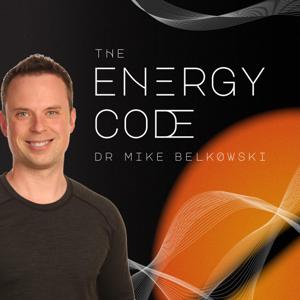
The Energy Code is your blueprint for unlocking limitless vitality at the cellular level. Hosted by Dr. Mike Belkowski, this podcast dives deep into the science of your mitochondria—the true…

765 Listeners
370 Listeners
7,185 Listeners

4,982 Listeners
718 Listeners
1,697 Listeners
4,870 Listeners
3,418 Listeners
9,148 Listeners

129 Listeners
1,089 Listeners
1,777 Listeners
846 Listeners
507 Listeners
296 Listeners