
Sign up to save your podcasts
Or

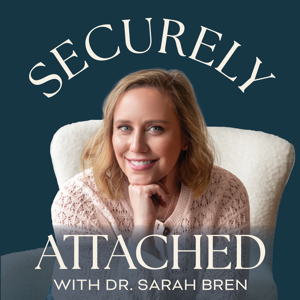


Based on Podcast App listening data
Beyond the Sessions is answering YOUR parenting questions! In this episode, Dr. Rebecca Hershberg, Dr. Emily Upshur, and I talk about...
It's okay to set boundaries without needing to justify why you are setting them.
How to communicate your boundaries to a friend or neighbor (with a sample script you can use!) to honor your needs without burning a bridge.
Effective communication strategies and suggested responses for setting restrictions on allowing one of the neighborhood kids to come over uninvited - and how you can respond if your friends or neighbors pushes back.
What if your neighbor sees that you let other kids come over unsupervised?
A reminder that both the mom setting the boundary and the mom receiving it could benefit from hearing.
ADDITIONAL PODCAST EPISODES YOU MAY LIKE:
🎧 Listen to my podcast episode about fostering deep and meaningful relationships with Dr. Rick Hanson
🎧 Listen to my podcast episode about setting boundaries with family members
🎧 Listen to my podcast episode about parental dysregulation with Dr. Amber Thornton
WE WANT TO HEAR FROM YOU:
Go to https://drsarahbren.com/question to send us a question or a topic you want to hear us answer on Securely Attached - Beyond the Sessions!
Jennie Monness is joining me this week to break down the difference between developmentally normal (and healthy!) anxiety and signs that your child may need additional support—and how you can adjust your parenting approach to effectively support both.
Together we explore:
Why our instinct to remove discomfort may actually make anxiety worse—and what to do instead.
How to support children with separation anxiety, and the surprising stressors that often go unnoticed during transitions.
Utilizing strategies to help your child feel more grounded, like routines, visual schedules, and previewing.
The difference between information gathering and reassurance seeking behaviors in children - and how knowing this difference can impact which parenting tool you use to best support them.
Dr. Sarah's simple "anxiety formula" that helps you know exactly where to focus your support.
How to get to the root of your child's fear, when it isn't so obvious to decode and identify for parents.
Play therapy techniques and somatic work you can use to explore the fears that are hard for your child to talk about or that they are avoiding outside of playful environments.
Whether your child is anxious about school drop-off, starting something new, or just seems to struggle with big feelings, this conversation will help you feel more empowered to support them—without needing to rescue them from every hard emotion.
LEARN MORE ABOUT MY GUEST:
https://www.jenniemonness.com/
https://www.unionsquareplay.com/
https://charmspring.com/
FOLLOW US ON SOCIAL MEDIA:
📱 @jenniemonness
📱 @drsarahbren
ADDITIONAL REFERENCES AND RESOURCES:
Beam : Breathwork + Meditation App
Hatch Restore 3 light
MORE PODCAST EPISODES YOU MAY LIKE:
🎧 3. The Wonders of Play: More Than Just a Way to Pass the Time with Jennie Monness
🎧 82. Tips for traveling with babies toddlers and children what every parent needs to hear before their family vacation begins with Jennie Monness
🎧 105. How RIE can evolve into lifelong respectful parenting: Growing your parenting approach as your child grows with Janet Lansbury
🎧 202. Regulation, reward systems, and rest: Rewiring the way our kids interact with screens with Alé Duarte
🎧 72. Supportive parenting for anxious childhood emotions space how a new treatment for childhood anxiety and OCD is revolutionizing care with Dr. Eli Lebowitz
Beyond the Sessions is answering YOUR parenting questions! In this episode, Dr. Rebecca Hershberg and I talk about...
What to do when your toddler spirals from silly to overstimulated in seconds.
Unpacking the difference between dysregulation and high arousal—and why this distinction matters.
Strategies parents can use to share joyful, silly and playful moment with your sensitive child without overwhelming them.
If you stop being so silly and fun, is that over-accommodating and bowing down too much to your child without teaching them that they need to handle this?
When these stimulation meltdowns happen, what you can do to recover.
How you can build your child's tolerance for the silliness while modulating the intensity to help you.
How a playful response can also help move you out of a shame response.
Is there a different strategy to use if this high arousal overwhelm comes from a more fun and silly moment versus you losing your cool and yelling?
REFERENCES AND RELATED RESOURCES:
👉🏻 Click HERE for my workshop, Be the Calm in Your Child's Storm: How to Keep Your Cool When Your Child Loses Theirs, to get the exact therapeutic interventions I use with my patients that can change the way your brain and body interprets your child's dysregulation to help you stay cool in the heat of the moment.
ADDITIONAL PODCAST EPISODES YOU MAY LIKE:
🎧 Listen to my podcast episode about managing dysregulated from positive emotions
🎧 Listen to my podcast episode about parental dysregulation with Dr. Amber Thornton
🎧 Listen to my podcast episode about what to do when you lose your cool with Dr. Cindy Hovington
WE WANT TO HEAR FROM YOU:
Go to https://drsarahbren.com/question to send us a question or a topic you want to hear us answer on Securely Attached - Beyond the Sessions!
What if the way we talk about birth is shaping the way we experience it—before it even begins? Joining me to unpack this is journalist, professor, and author of Invisible Labor: The Untold Story of the Cesarean Section, Rachel Somerstein.
Together we explore:
The hidden biases and ingrained language that shape how we view birth—why terms like "failure to progress" reinforce harmful narratives.
Why flexibility is a powerful tool in birth and parenting—and why we so often slip into rigidity when we feel anxious or out of control.
The societal pressure to "do birth right" and how it impacts a birthing person's experience.
The troubling reality of whose life we prioritize in birth and what that says about our values in America.
Why do some births lead to trauma while others don't? What the research reveals about the difference.
The importance of preparing for a c-section—even if it's not part of your birth plan—so that you feel safe and supported if it happens.
Simple but impactful shifts that could make c-sections a more positive experience.
With 1 in 3 births resulting in a c-section, this is a conversation every birthing person deserves to hear. Tune in for a thought-provoking deep dive into the realities of modern birth and what we can do to reclaim agency in the process.
LEARN MORE ABOUT MY GUEST:
👉🏻 https://www.rachelsomerstein.com/
📚 Invisible Labor: The Untold Story of the Cesarean Section and the Disturbing State of Maternal Medical Care
FOLLOW US ON SOCIAL:
📱 IG: @rachelesomerstein & LinkedIn: Rachel Somerstein
📱 IG: @drsarahbren
ADDITIONAL REFERENCES AND RESOURCES:
👉🏻 Click HERE to download my free interactive workbook, My Mental HealthPostpartum Checklist, that will help you create a personalized mental health support system for yourself allowing you to feel more confident and relaxed, knowing you have a plan for whatever your unique postpartum experience may be.
CHECK OUT ADDITIONAL PODCAST EPISODES YOU MAY LIKE:
🎧 240. Processing birth trauma: How to make sense of, heal, and move forward after a difficult birthing experience with Dr. Sterling
🎧 282. Beyond the 6-week checkup: A realistic look at postpartum and early parenthood with Dr. Jessica Vernon
🎧 35. Rethinking the birth plan: How to create a plan with your OB/GYN that supports resilience and reduces anxiety during and after pregnancy with Dr. Shieva Ghofrany
Beyond the Sessions is answering YOUR parenting questions! In this episode Dr. Emily Upshur and I talk about...
What is the difference between sharing and taking turns from a developmental standpoint?
When the validation of your child's feelings doesn't seem to work well–what to do instead.
Why there actually is a form of grief as a part of the taking turns experience and a mindset shift you can use to feel compassion for that feeling (even if it feels completely ridiculous to you from an adult perspective!)
Territoriality versus play challenges - unpacking the different skillsets needed for different types of turn-taking experiences.
Games you can play to practice the skills required for taking turns.
A reminder to parents that while this can feel high stakes, that intensity may inadvertently add to the dysregulation your child feels and cause them to dig their heels in more.
REFERENCES AND RELATED RESOURCES:
👉🏻 Want more games specifically designed for fostering emotion regulation? Go to drsarahbren.com/games to get my free guide packed with games you can play with kids of all ages!
ADDITIONAL PODCAST EPISODES YOU MAY LIKE:
🎧 Listen to my podcast episode about getting kids to start sharing
🎧 Listen to my podcast episode about getting your toddler to do things they don't want to do
🎧 Listen to my podcast episode about parenting a sensitve, "spicy" or highly emotional child
WE WANT TO HEAR FROM YOU:
Go to https://drsarahbren.com/question to send us a question or a topic you want to hear us answer on Securely Attached - Beyond the Sessions!
In this episode, psychologist and author of The Crucial Years Dr. Sheryl Ziegler joins me to shine a light on the unique needs and challenges of raising 6-12 year olds - a period often overlooked in parenting conversations, despite being a period of massive emotional, social, and biological development.
Together we explore:
Why puberty is starting younger than ever, what's driving this trend, and how stress and environment play a critical role.
How to tell when your child's "teenage" behaviors (like slamming doors or talking back) are developmentally normal versus when they may be signaling something more.
How to foster self-esteem and emotional regulation using Erik Erikson's psychosocial stages as a framework.
What "industriousness" versus "inferiority" means for kids—and why understanding this distinction matters so much for healthy development.
How parenting styles are being shaped by the internet, social norms, and cultural messaging—and how to stay grounded in what your individual child needs.
Why the pandemic had a unique impact on kids in this age range and how that continues to show up in surprising ways.
Actionable strategies for parents of middle-year kids, including emotional attunement, helping them name and understand nuanced feelings, and how to have brave conversations about tough topics.
With humor, warmth, and deep clinical insight, Dr. Ziegler offers a compassionate reminder that while the middle years may fly under the radar, they are foundational—and your presence during this time matters more than you think.
LEARN MORE ABOUT MY GUEST:
👉🏻 https://drsherylziegler.com/
📚 The Crucial Years: The Essential Guide to Mental Health and Modern Puberty in Middle Childhood (Ages 6-12)
📚 Mommy Burnout: How to Reclaim Your Life and Raise Healthier Children in the Process
🎧 Dr. Sheryl's PodCouch
FOLLOW US ON SOCIAL:
📱 @drsherylziegler
📱 @drsarahbren
ADDITIONAL REFERENCES AND RESOURCES:
👉🏻 May 2021 : Declaration of a National Emergency in Child and Adolescent Mental Health
👉🏻 Erik Erikson's Stages of Development
👉🏻 The Step-Father Effect
CHECK OUT ADDITIONAL PODCAST EPISODES YOU MAY LIKE:
🎧 263. BTS: How do I respond to my daughter's "mean girl" behaviors? Is she a bully?
🎧 How to handle peer rejection in early adolescence with Dr. Emily Upshur
🎧 238. Temperament, personality, and parenting: What you do (and don't) have control over as a parent with Dr. Koraly Pérez-Edgar
Beyond the Sessions is answering YOUR parenting questions! In this episode, Dr. Rebecca Hershberg, Dr. Emily Upshur, and I talk about...
Not all school refusal looks the same. Learn how to recognize the different types and when it's time to seek extra support.
Understanding the science of anxiety and how these feelings can actually create physical symptoms like tummy aches or headaches.
Strategies for getting to the root cause of what may be causing your child's school refusal so you can address the actual source of the problem.
What is "contagion anxiety" and how can this spread through classrooms and schools?
When and how to have reflective conversations with your child that will help you form a clearer understanding of what is bothering them - with sample questions you can use to get you started.
How to build your child's distress tolerance and resiliency at a manageable rate, so they are able to cross this hurdle without fully shutting down.
A quick primer on SPACE (Supportive Parenting for Anxious Childhood Emotions) and how this is a helpful approach for navigating your child's anxiety.
REFERENCES AND RELATED RESOURCES:
📚 Breaking Free of Child Anxiety and OCD: A Scientifically Proven Program for Parents by Eli R. Lebowitz, PhD
👉🏻 Click here to lean more about support options at Upshur Bren Psychology Group and to schedule a free 30-minute consultation call to learn more about the available resources for your unique needs.
ADDITIONAL PODCAST EPISODES YOU MAY LIKE:
🎧 Listen to my podcast episode about school refusal and anxiety with Dr. Erica Miller
🎧 Listen to my podcast episode about challenging perfectionism and academic pressures
🎧 Listen to my podcast episode about Supportive Parenting for Anxious Childhood Emotions (SPACE)Dr. Eli Lebowitz
WE WANT TO HEAR FROM YOU:
Go to https://drsarahbren.com/question to send us a question or a topic you want to hear us answer on Securely Attached - Beyond the Sessions!
What if understanding how your child thinks and learns could completely change the way you support them—and help them thrive in the process? Dr. Yael Rothman and Dr. Katia Fredriksen of Neuropsych Moms are joining me this week to demystify neuropsychological evaluations and empower parents with the tools to better understand and advocate for their children.
The surprising ways neuropsych testing can help unlock your child's potential (hint: it's not just about diagnoses).
Why leaning into your child's strengths matters—and how to do that without tipping into toxic positivity.
The conversation around diagnosis that so many parents fear—and why not talking about it might actually be more harmful.
The 3 questions to ask yourself to help you determine if you should get your child a neuropsych evaluation and what you can expect from the process once you've made the decision to move forward.
Is there an ideal age for children to receive a neuropsych evaluation?
The importance of connecting all your child's doctors and mental health providers and why so many parents don't know this is an option.
Clearing up some of the most common myths and fears surrounding a diagnosis like ADHD and autism.
Before you have a conversation with your child about their diagnosis, what parents should do first.
Whether you're wondering if a neuropsych evaluation is right for your child or you're looking for guidance after a diagnosis, tune in now to feel more confident and informed.
LEARN MORE ABOUT MY GUESTS:
https://www.neuropsychmoms.com/
https://stixrud.com/staff/katia-fredriksen/
https://www.rothmanpediatricneuropsychology.com/
READ THEIR BOOKS:
📚 Different Thinkers: ADHD
📚 Different Thinkers: Autism
FOLLOW US ON SOCIAL:
📱 @neuropsychmoms
📱 @drsarahbren
ADDITIONAL REFERENCES AND RESOURCES:
👉🏻 Private Insurers Must Now Cover Dyslexia Testing in New York
👉🏻 The Brain Building Books
👉🏻 If you're interested in exploring whether your child could benefit from a Neuropsychological Evaluation, CLICK HERE to learn about what we offer at Upshur Bren Psychology Group or SCHEDULE A FREE CALL to learn more about the available resources for your unique needs.
CHECK OUT ADDITIONAL PODCAST EPISODES YOU MAY LIKE:
🎧 Treating autism with a strength based approach with Dr. Lynn Kern Koegel
🎧 How to modify traditional sleep strategies for kids with neurodiverse brains with Dr. Funke Afolabi-Brown
🎧 ADHD and attachment security with Dr. Norrine Russell
Beyond the Sessions is answering YOUR parenting questions! In this episode, Dr. Rebecca Hershberg and I talk about...
Simple, effective emotion regulation strategies that actually work for 6-year-olds when disappointment over losing takes over—and how to use them in a way that feels supportive, not controlling.
When to step in and what to say—a breakdown of the best parenting approaches before, during, and after a game to help your child manage big feelings in the moment (and build skills for the future).
The secret to teaching good sportsmanship outside of game time—why some of the most powerful lessons happen when no one's keeping score.
How the exact same words you say to your child can be either validating and invading - and what makes the difference so you can avoid the latter.
How to keep things fun while still building resilience—because not every moment needs to be a teaching moment (and knowing when to step back is just as important).
Unpacking the root drive of competitiveness in children so you know how to best channel this toward healthy and socially acceptable behaviors.
ADDITIONAL PODCAST EPISODES YOU MAY LIKE:
🎧 Listen to my podcast episode about how positive emotions can dysregulate kids too
🎧 Listen to my podcast episode about understanding our child's sensory sensitivities with Alyssa Blask Campbell
🎧 Listen to my podcast episode about temperament, personality, and parenting with Dr. Koraly Pérez-Edgar
🎧 Listen to my podcast episode about raising emotionally intelligent sons with Ruth Whippman
WE WANT TO HEAR FROM YOU:
Go to https://drsarahbren.com/question to send us a question or a topic you want to hear us answer on Securely Attached - Beyond the Sessions!
When your child has a chronic illness, it doesn't just impact their physical health—it can touch every corner of their life and yours. But the signs that something deeper is going on aren't always as obvious as you'd think. In this episode, clinical psychologist Dr. Kate Herts and I dive into the emotional, behavioral, and practical complexities of parenting a child with a chronic illness—from the confusing early symptoms to the long road toward diagnosis, and everything in between.
Together we explore:
- The surprising ways chronic illness can show up in children—sometimes with symptoms that seem completely unrelated.
- It is understandable for parents of chronically ill children to become overly protective. We'll offer you strategies you can use to challenge this fear-based response so your child doesn't internalize messages that they can't do things independently
- What to do when your child is the one limiting themselves—and how to know when to step in.
- Navigating sibling dynamics, school absences, financial challenges, and some of the most common challenges that families with children with chronic illness face.
- What most of us get wrong when we try to prepare for an uncertain future—and how to shift into the here and now.
- How to balance supporting your medical child's needs with fostering independence, confidence, and resilience.
Drawing from both her professional expertise and her own experience growing up with a chronic illness, Dr. Herts offers compassionate, actionable guidance for parents navigating this journey.
LEARN MORE ABOUT DR. KATE:
https://healthpsychny.com
CHECK OUT ADDITIONAL PODCAST EPISODES YOU MAY LIKE:
🎧 260. Neurodiverse brains and sleep: How to modify traditional sleep strategies with Dr. Funke Afolabi-Brown
🎧 213. Q&A: What's the best way to talk about my child's diagnosis with her and her sibling?
🎧 43. School refusal and anxiety: What parents can do to support their children with Dr. Erica Miller
🎧 72. Supportive Parenting for Anxious Childhood Emotions (SPACE): How a new treatment for childhood anxiety and OCD is revolutionizing care with Dr. Eli Lebowitz
From the publisher's feed

3,636 Listeners

2,516 Listeners
984 Listeners

14,905 Listeners
2,318 Listeners

2,207 Listeners

1,902 Listeners

471 Listeners

84 Listeners

4,532 Listeners

41,343 Listeners

18,912 Listeners

5,528 Listeners

334 Listeners

166 Listeners