
Sign up to save your podcasts
Or

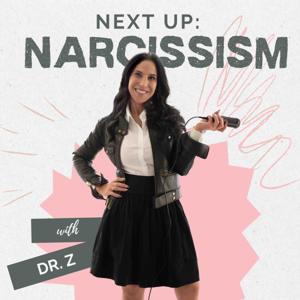


“The liability is not yours to own; it’s the narcissist’s. Let it smother them, not you.”
Dr. Jaime Zuckerman takes a closer look at what life looks like when a narcissistic ex still finds ways to create chaos, even after the relationship has ended. How does one protect their peace and their children’s well-being when post-separation abuse seems designed to undermine it? From stirring up conflict with their children’s teachers and coaches to resurfacing hidden debts, the narcissistic ex can remain a powerful disruptor. Dr. Z shares practical insights for those navigating these situations, including how to set boundaries, how to communicate openly with children, and how to address character smear campaigns without giving the narcissist the attention they crave.
This episode is both empowering and validating, reminding listeners that while they may not be able control the narcissist’s behavior, they can control their own responses. Dr. Z’s guidance offers a path to reclaiming stability, peace, and resilience amidst ongoing challenges with a narcissistic ex.
Quotes
Links
Connect with Dr. Z:
https://www.zgrouptherapy.com/
https://www.instagram.com/dr.z_psychologist/
https://www.tiktok.com/@dr.z_psychologist
Shop my new Mindfully Messy hoodie here: http://www.drjaimezuckerman.com/apparel
Get my FREE breathing exercise here: http://www.drjaimezuckerman.com/newsletter
Register for my virtual workshops here: http://www.drjaimezuckerman.com/workshops
Order my workbooks! http://www.drjaimezuckerman.com/books
Podcast production and show notes provided by HiveCast.fm
“People are so quick to label somebody antisocial or narcissistic. Just because you disagree with someone, or they lied to you, or they treated you really poorly, or they were manipulative, doesn’t mean they have narcissistic personality disorder. But they can certainly have traits,” says Dr. Lina Haji, a licensed clinical and forensic psychologist and licensed mental health counselor.
Dr. Haji joins Dr. Z in this episode to talk about the nuances of personality disorders, particularly the differences between narcissistic personality disorder and antisocial personality disorder. How can one tell the difference between a narcissist and someone who is antisocial? And why does it matter? They explore the overlap—like lack of empathy and accountability—while also making it clear that while not all narcissists engage in criminal behavior, even though their actions can still be deeply harmful.
This episode also touches on one of the most frustrating issues for both professionals and clients: misdiagnosis. Dr. Haji explains why narcissistic personality disorder is so often mistaken for bipolar disorder, and how that mix-up can lead to the wrong treatment. Are mood swings the same as bipolar disorder? Dr. Haji points out that no, they’re not, and that recognizing the differences is key to addressing unhealthy patterns of behavior.
Listeners will gain a clearer understanding of these complex personality disorders. More importantly, they’ll feel empowered to recognize toxic behavior, regardless of formal diagnosis. This episode is a must-listen for anyone looking to make sense of the personality dynamics in their relationships and take control of their own emotional well-being.
Quotes
Links
Connect with Dr. Lina Haji:
https://www.instagram.com/rise_psychological_services/
Watch World’s Most Evil Prisoners: https://www.amazon.com/gp/video/detail/0GIXJX2M9XISMHB7LR9DI9STS9/ref=share_ios_season
Connect with Dr. Z:
https://www.zgrouptherapy.com/
https://www.instagram.com/dr.z_psychologist/
https://www.tiktok.com/@dr.z_psychologist
Shop my new Mindfully Messy hoodie here: http://www.drjaimezuckerman.com/apparel
Get my FREE breathing exercise here: http://www.drjaimezuckerman.com/newsletter
Check out my on-demand workshops here: http://www.drjaimezuckerman.com/workshops
Order my workbooks! http://www.drjaimezuckerman.com/books
Podcast production and show notes provided by HiveCast.fm
“The narcissist will never be able to fix their corrupt disorder. It is a rigid disorder,” says Vanessa Reiser, a licensed clinical social worker and author who specializes in narcissistic and cult abuse. She joins Dr. Z to talk about the striking similarities between narcissistic relationships and cult dynamics, focusing on how coercive control plays a role in both.
Drawing from her own life experiences and professional background, Vanessa shares insights from her book “Narcissistic Abuse: A Therapist’s Guide to Identifying, Escaping, and Healing from Toxic and Manipulative People.” She breaks down how narcissists deploy tactics like gaslighting, isolating their victims, and enlisting enablers (often called “flying monkeys”) to keep control. But how does this connect to cult-like dynamics? Vanessa explains that these methods work by stripping away a person’s identity that will trap them in a mental prison that’s just as damaging as the control seen in actual cults.
This episode reminds listeners of the resilience required to break free from these toxic environments and the importance of building supportive relationships that will help individuals reclaim their identities. Vanessa’s insights offer valuable tools and strategies for overcoming these challenges that encourage listeners to seek help and validation as they move toward healing and self-empowerment.
Quotes
Links
Connect with Vanessa Reiser:
https://www.facebook.com/vanessa.pugliese
https://www.instagram.com/vanessareiserlcsw/
https://x.com/vanessareisersw
https://www.youtube.com/channel/UCrYVROGoPdYqsEFkr2XYC9A
https://amzn.to/3XPf9ad
Connect with Dr. Z:
https://www.drjaimezuckerman.com/
https://www.zgrouptherapy.com/
https://www.instagram.com/dr.z_psychologist/
https://www.tiktok.com/@dr.z_psychologist
Shop my new Mindfully Messy hoodie here: http://www.drjaimezuckerman.com/apparel
Get my FREE breathing exercise here: http://www.drjaimezuckerman.com/newsletter
Register for my virtual workshops here: http://www.drjaimezuckerman.com/workshops
Order my workbooks! http://www.drjaimezuckerman.com/books
Podcast production and show notes provided by HiveCast.fm
“I really want to change the culture and the way we treat and value ourselves in the equation. I truly believe our stories have the power to change culture,” says Dr. Jessi Gold, reflecting on her book, “How Do You Feel? One Doctor’s Search for Humanity in Medicine.” In this episode, she joins Dr. Z to talk about the mental health struggles facing healthcare professionals, especially the high rates of burnout and the stigma attached to seeking help.
Dr. Gold sheds light on how medicine’s culture often equates overwork with competence, which is a mindset that has only worsened during the COVID-19 pandemic. What will happen when we start recognizing burnout for what it truly is? Dr. Gold stresses the importance of open conversations about mental health and the need to break the silence that keeps so many healthcare providers from getting the support they deserve.
Dr. Gold shares practical tips for managing mental health, like building strong support systems and practicing self-compassion. But more than that, Dr. Gold also stresses the need for a cultural shift—one where the well-being of healthcare providers is just as valued as the care they offer patients. What would medicine look like if we made that shift? Dr. Gold and Dr. Z’s hope is that by confronting these systemic challenges, real, lasting change will take root within the medical community.
Quotes
Links
Connect with Dr. Jessi Gold:
https://www.simonandschuster.com/books/How-Do-You-Feel/Jessi-Gold/9781982199777
Website: https://www.drjessigold.com/
https://www.instagram.com/drjessigold/
https://www.tiktok.com/@drjessigold?lang=en
https://www.drjaimezuckerman.com/
https://www.zgrouptherapy.com/
https://www.instagram.com/dr.z_psychologist/
https://www.tiktok.com/@dr.z_psychologist
Get my FREE breathing exercise here: http://www.drjaimezuckerman.com/newsletter
Register for my virtual workshops here: http://www.drjaimezuckerman.com/workshops
Order my workbooks! http://www.drjaimezuckerman.com/books
Podcast production and show notes provided by HiveCast.fm
“Toxic family systems are run like a cult,” says Dr. Sherrie Campbell, a licensed clinical psychologist specializing in family estrangement and toxic relationships. She joins Dr. Z this week to talk about the lasting damage narcissistic family members can inflict—not just on the immediate family but also on extended relatives and friends. Sharing insights from her own experience with toxic parenting, Dr. Campbell explains the roles of the golden child and the scapegoat, pointing out the often overlooked pressure on the golden child as well as the emotional burden carried by the scapegoat.
Dr. Campbell also addresses the stigma surrounding family estrangement and how guilt and shame often follow the decision to cut ties with toxic relatives. This episode touches on the emotional uncertainty that comes with estrangement and shows the importance of self-acceptance and rewriting one’s personal story to move from victimhood into empowerment.
Tune into this episode as Dr. Campbell and Dr. Z share practical tips for healing and navigating these complex relationships, leaving listeners with the hope that a more authentic, fulfilling life is possible beyond the toxic family dynamics.
Quotes
Links
Connect with Dr. Sherrie Campbell:
www.facebook.com/sherriecamobellphd
https://www.instagram.com/dr.sherrie/
https://www.tiktok.com/@dr.sherrie
Dr. Sherrie's Tedx Talk: https://youtu.be/deyHwDkG7oc?si=CkgnoNZ05dBS6y4G
Sherapy Sessions podcast: https://podcasts.apple.com/ph/podcast/sherapy-sessions-cutting-toxic-family-ties/id1591691842
Adult Survivors of Emotionally Abusive Parents: How to Heal, Cultivate Emotional Resilience, and Build the Life and Love You Deserve: https://amzn.to/3XEnfCD
https://www.drjaimezuckerman.com/
https://www.zgrouptherapy.com/
https://www.instagram.com/dr.z_psychologist/
https://www.tiktok.com/@dr.z_psychologist
Shop my new Mindfully Messy hoodie here: http://www.drjaimezuckerman.com/apparel
Get my FREE breathing exercise here: http://www.drjaimezuckerman.com/newsletter
Register for my virtual workshops here: http://www.drjaimezuckerman.com/workshops
Order my workbooks! http://www.drjaimezuckerman.com/books
“This is for everyone. Everyone needs to learn how to identify the reg flags within the family court system and how to navigate this process, particularly in custody cases when you have very little support behind you,” begins Dr. Z. Joining her this week are Dr. Christine Marie Cocchiola, known as Dr. C, a coercive control educator and researcher, and Amy Polacko, an award-winning journalist and divorce coach. Both women, having survived domestic abuse, have turned their personal pain into a mission for change. Their newly released book, “Framed: Women in the Family Court Underworld,” shines a spotlight on the damaging impact of coercive control and systemic injustices women face in family court.
Dr. C and Amy share their deeply personal stories that emphasize how their experiences—and those of many other women—demand attention, action, and change. They pull back the curtain on a court system that too often fails to protect women, allowing abusers to continue their control and manipulation tactics through legal and financial strategies.
Beyond their individual stories, Dr. C and Amy tackle the broader issue of post-separation abuse and the emotional, psychological, and financial weight it carries for survivors. They question how society views romantic relationships, pushing for more awareness around coercive control and promoting healthier relationship dynamics for the future. This episode is both a validation for survivors and a rallying cry—how can we come together to support survivors and demand meaningful changes in the family court system?
Quotes
Links
Framed: Women in the Family Court Underworld Book:
https://narcfreepress.com/
https://amzn.to/3Tl95EW
Please leave a review here: https://www.goodreads.com/book/show/216871358-framed?from_search=true&from_srp=true&qid=uOOkkfQF8y&rank=1
Connect with Dr. Christine Marie Cocchiola:
https://www.instagram.com/dr.cocchiola_coercivecontrol/
Connect with Amy Polacko:
https://www.instagram.com/freedomwarriortribe/
Mindfully Messy hoodies now available!
https://www.drjaimezuckerman.com/store/p/mindfully-messy-hoodie
https://www.drjaimezuckerman.com/
https://www.zgrouptherapy.com/
https://www.instagram.com/dr.z_psychologist/
https://www.tiktok.com/@dr.z_psychologist
Get my FREE breathing exercise here: http://www.drjaimezuckerman.com/newsletter
Register for my virtual workshops here: http://www.drjaimezuckerman.com/workshops
Order my workbooks! http://www.drjaimezuckerman.com/books
“The decision to go no contact with a parent is a last resort. It is a last resort of self-protection against years of manipulation and abuse,” says Dr. Z. She explains how going no contact means cutting off all forms of communication—calls, texts, and social media—and is a decision that is typically made only after enduring long-term emotional pain. It’s a decision never made lightly, as it often comes with feelings of tremendous guilt, grief, and loss.
In this episode, Dr. Z sheds light on the societal pressures that make it difficult for people to understand why someone would sever ties with a parent. She emphasizes that it’s not the adult child’s responsibility to fix a relationship with a narcissistic parent, particularly when that parent refuses to take accountability.
Dr. Z also touches on the importance of behavioral consistency when going no contact, warning that inconsistent boundaries can actually increase the chaos. She outlines the manipulative tactics that narcissistic parents might use to regain control, such as guilt trips or recruiting other family members to pressure the person back into communication. Breaking no contact, she warns, usually offers only a temporary relief before the abusive behavior resurfaces.
Dr. Z offers reassurance to those children who have made the difficult decision to go no contact. She reminds listeners that protecting their mental health is a courageous, yet difficult, step. Seeking peace and clarity is essential, and they are not alone in this journey.
Quotes
Links
https://www.drjaimezuckerman.com/
https://www.zgrouptherapy.com/
https://www.instagram.com/dr.z_psychologist/
https://www.tiktok.com/@dr.z_psychologist
Get my FREE breathing exercise here: http://www.drjaimezuckerman.com/newsletter
Register for my virtual workshops here: http://www.drjaimezuckerman.com/workshops
Order my workbooks! http://www.drjaimezuckerman.com/books
Podcast production and show notes provided by HiveCast.fm
“When we talk about narcissistic abuse, we understand that this form of abuse is very nuanced and hard to identify as an outsider,” says Dr. Z. This episode dives into the emotional and complex challenge of supporting someone in a narcissistic abusive relationship, as Dr. Z unpacks the intricate dynamics at play.
Narcissists often start with a phase known as “love bombing,” which can make it hard for friends and family to spot the red flags early on. This initial charm gradually gives way to isolation and control, leaving the person feeling confused and trapped in the relationship.
Dr. Z sheds light on the subtle tactics narcissists use to distance their partners from their support networks and systematically dismantle their sense of self. For those watching from the outside, it can be incredibly frustrating and heartbreaking, often leaving them wondering, “How can I help without pushing them further away?”
Instead of confronting your loved one, which could inadvertently strengthen the narcissist’s hold, Dr. Z recommends offering steady, unconditional support. She highlights the importance of being a consistent presence, creating a safe space for them to return to when they’re ready to break free. Through practical advice and empathetic guidance, Dr. Z emphasizes that patience and persistence are essential in helping your loved one eventually escape their abusive relationship.
Quotes
Links
https://www.drjaimezuckerman.com/
https://www.zgrouptherapy.com/
https://www.instagram.com/dr.z_psychologist/
https://www.tiktok.com/@dr.z_psychologist
Get my FREE breathing exercise here: http://www.drjaimezuckerman.com/newsletter
Register for my virtual workshops here: http://www.drjaimezuckerman.com/workshops
Order my workbooks! http://www.drjaimezuckerman.com/books
Podcast production and show notes provided by HiveCast.fm
“If you and your partner are experiencing friction, consider whether there are things going on in your lives—whether it’s a few really big chronic issues, a lot of little constant acute issues, or a mix of both—that could be contributing to this,” advises Liz Earnshaw, a licensed marriage and family therapist, certified Gottman therapist, and founder of A Better Life Therapy.
In this episode, Dr. Z shifts the focus from narcissistic relationships to the everyday stressors that impact healthy partnerships. Joined by Liz, known for her popular Instagram account “@Liz Listens” and her books “I Want This to Work” and “Till Stress Do Us Part,” they delve into how external pressures can fuel relational friction.
What are the stressors in your life that might be affecting your relationship? Liz encourages couples to identify and list these stressors, a simple yet effective practice that can lead to greater empathy and cooperation. She also discusses different partner types—such as avoidant or indifferent—and shares concrete strategies for improving communication and setting healthy boundaries within your relationships.
Liz introduces a structured approach to managing stress, helping couples distinguish between what they can shed, prevent, or adapt to. By aligning actions with core values and addressing how conflict avoidance with others can impact the relationship, she provides a roadmap for couples looking to strengthen their bond. These insights offer a practical guide for anyone aiming to build a resilient partnership rooted in clear communication, empathy, and intentional choices.
Quotes
Links
Connect with Liz Earnshaw:
elizabethearnshaw.com
https://www.instagram.com/lizlistens/
Til Stress Do Us Part book: https://amzn.to/4dSHpPP
I Want this to Work book: https://amzn.to/3X3JXnw
Connect with Dr. Jaime Zuckerman:
https://www.drjaimezuckerman.com/
https://www.zgrouptherapy.com/
https://www.instagram.com/dr.z_psychologist/
https://www.tiktok.com/@dr.z_psychologist
Get my FREE breathing exercise here: http://www.drjaimezuckerman.com/newsletter
Register for my virtual workshops here: http://www.drjaimezuckerman.com/workshops
Order my workbooks! http://www.drjaimezuckerman.com/books
Podcast production and show notes provided by HiveCast.fm
“A lot of people don’t realize that there’s narcissistic abuse occurring in friendships because we don’t really think of it in that context,” says Dr. Z. When we talk about narcissistic abuse, it’s usually in the context of intimate or family relationships. This week, Dr. Z highlights an often-overlooked reality: it can happen in friendships too, and it can be just as insidious and psychologically damaging.
Dr. Z reveals that just like within intimate relationships, narcissistic friendships also begin with love bombing efforts. These may include excessive attention and adoration, gifts, and constant communication very early in the friendship. This helps to craft the illusion of the perfect friendship. Initially, you may feel as though this person is your twin soul. You can’t fathom how you ever existed without them up till now. However, over time, the love bombing ceases and they begin to engage in manipulative and passive aggressive behaviors. For example, they may undermine your success, not offer support when it’s most needed, or try to one-up you. A narcissistic friend will dominate conversations, often unloading their issues onto you without offering any real support in return.
Another red flag Dr. Z points out is the use of silent treatments. This can leave you feeling confused and anxious, wondering for days what you did wrong. Narcissistic friends will consume your time, drain your energy, and possibly even your finances. It is their goal to isolate you from your existing friends and family so that you become increasingly dependent on the friendship. Dr. Z also touches on how narcissistic friends demand you meet their emotional, physical, or financial needs. And when you don’t comply? Expect guilt trips, gaslighting, silent treatments, and character bashing.
This episode isn’t just about recognizing these abusive patterns; it’s also about finding a way out. Dr. Z shares practical advice on setting small, manageable boundaries and slowly reconnecting with your other relationships and interests.
Escaping a narcissistic friendship is tough, but as Dr. Z reassures, it’s absolutely possible. The key is to focus on your well-being and remember that the narcissistic abuse you endured is never your fault. .
Quotes
Links:
Get my FREE breathing exercise here http://www.drjaimezuckerman.com/newsletter
Register for my virtual workshops http://www.drjaimezuckerman.com/workshops
Books:
Find Your Calm http://www,drjaimezuckerman.com/books
Find Good Habit http://www,drjaimezuckerman.com/books
Connect with Dr. Jaime Zuckerman:
https://www.drjaimezuckerman.com/
https://www.zgrouptherapy.com/
https://www.instagram.com/dr.z_psychologist/
https://www.tiktok.com/@dr.z_psychologist
Podcast production and show notes provided by HiveCast.fm
From the publisher's feed
1,408 Listeners
852 Listeners
758 Listeners

219 Listeners
513 Listeners
139 Listeners
39 Listeners
280 Listeners
688 Listeners
1,735 Listeners

19,271 Listeners
292 Listeners
550 Listeners

84 Listeners

210 Listeners