
Sign up to save your podcasts
Or

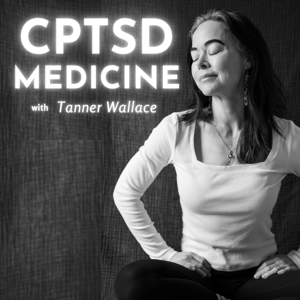


What is relational healing and why is it important?
Relational healing is a profound process that focuses on restoring health and connection, particularly for individuals who have experienced childhood abuse, neglect, or relational trauma. Tanner's perspective on relational healing emphasizes the significance of having clear conceptual definitions to facilitate a shared understanding and deeper exploration of this complex topic. Her background and experiences underscore the idea that revitalizing connections is essential for overcoming past traumas. Tanner believes that facing attachment injuries with commitment and effort is key to breaking cycles of trauma, ultimately empowering individuals to build the fulfilling lives they desire.
Key TakeAways
- Relational healing is vital in revitalizing connections and enhancing overall well-being.
- Children need secure attachments to provide stability and support during unpredictable events in childhood.
- Attachment restoration is crucial in healing from past psychological abuse and childhood trauma.
- Transitioning from an anxious attachment style to a secure attachment style involves personal growth and relational healing.
- One-on-one discovery sessions can jumpstart or enhance an individual's relational healing journey.
- Establishing trust, honesty, and understanding in relationships is crucial for trauma survivors to develop a secure attachment.
- Prioritizing individual healing and self-attachment is crucial before making decisions about the future of a relationship.
Actionable Insights
- Understand the boundary parameters and shorthand communication of relational healing
- Participate in meaningful recovery from childhood abuse and neglect through shared vocabulary
- Repair attachment injuries and restore the ability to trust and seek support from others
- Invest time and effort with a committed relational partner to establish security
- Involve partners in therapy sessions to foster trust and understanding
- Address past relational traumas and prioritize open communication in relationships
- Prioritize individual healing and self-attachment before making relationship decisions
What role does self-love play in healing past traumas and attachment wounds?
Victor Granville, known as the Real Love Strategist, is a leading figure in the transformative process of healing through self-love. He champions the idea that genuine healing emerges from fostering a deep and authentic love for oneself, which in turn equips individuals with the capacity to share love with others. Granville advocates for the daily practice of self-love, urging people to rewire their mindsets to transcend conditional or counterfeit versions of love, thereby nurturing a fuller and richer experience. His perspective aligns with the notion of reconnecting with something greater than ourselves, facilitating profound self-acceptance and emotional wellness for countless individuals.
Key TakeAways
- Self-love is crucial in healing past traumas and attachment wounds.
- Prioritizing self-compassion over self-judgment is essential for emotional healing.
- Accessing a spiritual component can aid in healing attachment wounds and nurturing self-love.
- Acting from a place of wisdom, love, and connection is important in overcoming limited programming.
- Loving oneself without agendas and accessing unconditional love within is crucial for healing.
- Adopting one's inner child through writing an adoption letter can lead to self-discovery and healing.
- Choosing the intention to learn about self-love and love towards others can lead to a more fulfilling life.
Actionable Insights
- Acknowledge the impact of past experiences on present emotions and behaviors
- Work internally to address fears and false beliefs
- Prioritize self-love and heal attachment wounds through inner bonding
- Be the first responder to your feelings, address core pain, and choose compassion over self-judgment
- Access a spiritual component for love, compassion, and kindness to heal attachment wounds
- Learn to love oneself without agendas and access unconditional love within
- Treat oneself as one would a real child in challenging situations to nurture and care for the inner child within
What is the Window of Tolerance and how does it affect emotional processing?
The trauma recovery journey is a multifaceted process that requires understanding and patience, often involving healing relationships and rebuilding trust. Tanner offers a perspective that underscores the complexity of this journey by emphasizing the importance of understanding one's own Window of Tolerance, a concept which highlights how emotional triggers can lead to cognitive challenges. Her background in advocating for relational healing and self-compassion shapes his belief that involving safe individuals in the recovery process can help replace self-destructive behaviors with secure, trusting attachments. Tanner's insights illuminate the need for self-awareness and the power of reaching out for support, while also encouraging individuals to be gentle with themselves as they break free from past cycles and foster a sense of peace.
Key TakeAways
- Rebuilding relationships with partners and practicing self-trust exercises are important in trauma recovery
- All individuals have a window of tolerance for processing intense emotions, cognition deteriorates when outside of this window
- Using tools like an emotion wheel can help individuals delve into emotional experiences and recognize triggers for self-harm
- Seeking comfort from safe individuals is crucial in replacing self-harming behaviors and building secure attachments
- Engaging in reparenting practices can help restore one's core sense of self obscured by past traumas through relational healing
Actionable Insights
- Practice self-trust exercises like journaling to become more open to intense emotions
- Equip interactional partners to help individuals return to their window of tolerance during emotional overwhelm
- Involve trusted individuals like partners or therapists in emotional processes to foster relational healing
- Seek comfort from safe individuals to replace self-harming behaviors and build secure attachments
- Engage in reparenting practices to restore core sense of self and establish secure attachments
What is somatic-based trauma therapy?
Caroline Pegram is a dedicated somatic-based trauma therapist who collaborates with a psychiatrist and a supportive team to enhance her therapeutic practice. Drawing from her personal experience with treatments like ketamine therapy and EMDR, Caroline offers a unique perspective on trauma healing by integrating psychodynamic principles with body-focused techniques. She emphasizes the importance of agency and choice in the healing process, advocating for a bottom-up approach that utilizes bodily sensations to address deep-rooted patterns and traumas. Caroline is passionate about supporting survivors of complex trauma, particularly in addiction treatment settings, and believes in celebrating healing milestones while fostering empathy and self-compassion to break cycles of shame and self-rejection.
Key TakeAways
- Caroline Pegram integrates psychodynamic approaches with somatic-based techniques to help survivors heal.
- Bottom-up healing approach in therapy focuses on accessing parts held by the brain through body sensations.
- Self-disgust developed as a survival strategy can lead to intense shame and self-rejection in trauma survivors.
- Understanding protective parts and approaching self-harming behaviors with empathy is crucial for healing.
- Caroline Pegram emphasizes acceptance of dark emotions as a normal part of life to move towards healing and hope.
- Transitioning to body-focused therapies like acupuncture and ketamine therapy can support holistic healing and trauma recovery.
- Rebuilding trust and seeking relational wellness can be challenging due to past relational wounds, but prioritizing self-care is essential for potential healing.
Actionable Insights
- Emphasize the significance of a bottom-up healing approach in therapy
- Acknowledge and understand self-disgust as a survival strategy in trauma survivors
- Approach self-harming behaviors with empathy and self-compassion
- Support the acceptance of dark emotions without judgment
- Explore body-focused therapies for healing and trauma recovery
- Acknowledge trust issues and invest time in personal healing practices
- Prioritize self-care and reflection for potential relational healing
What is the difference between self-discovery and self-healing?
Complex trauma recovery is a profound journey that dives into the depths of emotional, psychological, and spiritual healing, especially for individuals overcoming the scars of childhood abuse and neglect. Tanner sheds light on this intricate process by outlining the distinction between surface-level self-healing and the deeper work required for true recovery. Drawing from her insights, Tanner emphasizes that while self-healing frameworks can be empowering, they often fall short when addressing the deep-rooted belief systems and maladaptive coping mechanisms formed during traumatic experiences. Her perspective is shaped by the understanding that authentic healing demands a comprehensive exploration of one's internal world, engaging in relational healing and self-discovery to foster genuine transformation. Moreover, Tanner advocates for a more nuanced approach to trauma recovery, one that goes beyond conventional medical models to validate and address the unique experiences of individuals on this challenging path.
Key TakeAways
- Self-healing frameworks focus on empowerment and intuition in the healing process.
- Healing from complex trauma requires understanding one's inner world, coaching, reorienting, and re-parenting different parts of the internal system.
- Engaging in a compassionate dialogue with internal parts can lead to restoring equilibrium and coping mechanisms.
- Recognizing and guiding internal protective parts towards a healthier existence is crucial for self-awareness and acceptance.
- Childhood trauma can lead to the development of belief systems regarding love, connection, and physical perfection, influencing maladaptive coping mechanisms.
Actionable Insights
- Focus on empowerment and intuition in the healing process
- Engage in a compassionate dialogue with internal parts for healing
- Recognize and guide protective internal parts towards healthier existence
- Understand the impact of childhood trauma on belief systems
- Address maladaptive coping mechanisms developed from trauma
What is the role of Protective Parts in trauma recovery?
Trauma-based imposter syndrome is an intricate phenomenon where self-disgust and long-standing beliefs from past trauma lead individuals to doubt their abilities and worth, keeping them confined in a cycle of suffering. Tanner's perspective highlights that this form of imposter syndrome is distinct from its mainstream counterpart, as it is deeply rooted in unresolved trauma and self-disgust that have persisted for decades. Drawing from personal experiences of internal exploration, Tanner has come to understand the necessity of separating from Protective Parts—those defense mechanisms that shield the true self—to access a state of courage, compassion, calmness, and curiosity. This breakthrough in differentiating from extreme protector parts has been pivotal for Tanner, facilitating a path toward healing and the restoration of internal attachments.
Key TakeAways
- Internal Attachment Restoration is crucial for trauma recovery and emotional freedom.
- Addressing extreme protector parts can help reduce emotional overwhelm and restore internal attachment.
- Childhood trauma affects brain development and neural networks, impacting thought processing.
- Restoring trust in healing relational violations is key to relational healing and mental well-being.
- Differentiating between guilt and shame, as well as addressing imposter syndrome, can aid in challenging self-disgust beliefs.
Actionable Insights
- Differentiate between guilt and shame to address self-disgust beliefs
- Focus on protector parts to understand and heal internally
- Restore trust in healing relational violations and childhood abuse
- Address imposter syndrome by challenging self-disgust beliefs
- Work on internal attachment to access healing capacities and inner wisdom
Tanner has rebranded this podcast from "Marriage is Hard" to "Relational Healing," reflecting a profound shift towards exploring the intricacies of healing and recovery through relationships. This new focus emphasizes trauma recovery and the restoration of attachments, catering especially to individuals who have endured childhood trauma. Tanner views relational healing as a transformative approach to overcoming trauma, a perspective deeply rooted in both her research and personal experiences. By highlighting the mechanisms of healing rather than the pain itself, she aims to empower listeners to reclaim their innate goodness and break free from intergenerational trauma cycles. Through this rebranding, Tanner aspires to create a guiding light for listeners, offering essential insights and fostering emotional freedom on their path to recovery.
Key TakeAways
- Relational healing focuses on healing and possibility, providing a pathway towards emotional freedom and transformative confidence.
- Childhood trauma often leads to relational violations, making it challenging to form secure attachments and feel connected.
- Stages of relational healing include mapping inner worlds, experimenting with vulnerability, and internalizing safety.
- True Self is emphasized as the center for balance, harmony, and transformative qualities in relational healing.
- Proactive and reactive protectors in our internal system aim to shield vulnerable parts from emotional pain.
- Restoring attachment between self and protective or injured parts is crucial in internal attachment restoration.
- Relational healing is defined as recovering a sense of safety and security in intimate relationships, breaking intergenerational trauma cycles.
Actionable Insights
- Focus on exploring components of relational healing in-depth
- Restore a sense of safety and trust in intimate relationships with oneself and others
- Experiment with vulnerability and internalize safety as stages of relational healing
- Address both external and internal layers of attachment for comprehensive healing
- Track progress and use data collection tools for monitoring
- Recover a sense of safety and security in intimate relationships through true self concept
- Restore attachment between self and protective or injured parts for internal attachment restoration
Why is emotional safety important in a relationship?
Harmony and Tanner focus on the importance of identifying and understanding negative cycles in relationships, attributing these patterns to past experiences and learned coping mechanisms that may have once helped individuals feel safe. Couples counseling is advocated as a means to help partners recognize and address these destructive behaviors, facilitating re-parenting and skill-building to meet each other's needs in healthier ways. Fighting in marriage, when approached constructively, can be a tool for self-discovery and relationship improvement, though it is crucial to repair conflicts and avoid toxic patterns identified by John Gottman's "Four Horsemen" — criticism, defensiveness, stonewalling, and contempt. Harmony Sullivan highlights the influence of insecure attachment styles on individuals' emotional responses, often rooted in childhood experiences, and stresses the importance of emotional safety and vulnerability for healing and building secure attachments. By recognizing bodily sensations and emotional triggers, and encouraging open communication about vulnerabilities and needs, couples can foster trust, empathy, and deeper connections, ultimately enhancing their relationship dynamics.
Key TakeAways
- Recognizing negative cycles in relationships is crucial for developing healthier dynamics.
- Understanding the impact of past experiences on current behaviors in marriages is essential for growth.
- Identifying and addressing toxic behaviors like criticism, defensiveness, stonewalling, and contempt is crucial for a lasting relationship.
- Recognizing the importance of emotional safety in relationships for vulnerability and healing.
- Exploring the internal cycle and bodily sensations associated with insecure attachments in relationships is significant for healing.
- Communication challenges in relationships can arise from indirect methods of signaling panic or overwhelm.
- Emotional processing in relationships leads to a deeper understanding of vulnerabilities and needs, fostering healing and connection.
Actionable Insights
- Recognize negative cycles in relationships and address underlying issues for a healthier dynamic
- Engage in fights in long-term partnerships for self-discovery and improvement, while repairing conflicts is crucial
- Identify and address the 'Four Horsemen of the Apocalypse' behaviors in relationships to maintain a healthy marriage
- Understand toxic behaviors stem from past experiences and adopt re-parenting or skill-building for healthier coping mechanisms
- Acknowledge bodily sensations and insecure attachments in relationships to heal and communicate needs effectively
- Focus on emotional safety by sharing vulnerabilities and providing reassurance to improve communication of needs
- Navigate communication challenges by sharing vulnerabilities directly to avoid misunderstandings and conflicts
How can compassion towards oneself and others contribute to the process of recovery and personal growth?
Linda Meredith is a dedicated certified trauma recovery coach, renowned for her transformative approach to mental health and wellness. Drawing from her personal battles with postnatal depression and cognitive breakdown, she advocates for incremental healing and the retraining of the brain, emphasizing that traditional mental health professionals often lack adequate training in trauma recognition and care. Meredith believes that those who have experienced trauma firsthand possess a unique calling to guide others on their healing journeys, underscoring the need for trauma-informed approaches that address unresolved childhood pain and the generational impact of trauma. Through her work, she aims to inspire individuals to embrace self-compassion and empathy as they break free from past burdens, fostering resilience and joy for themselves and future generations.
Key TakeAways
- Taking small steps towards healing and retraining the brain is crucial in recovery from postnatal depression and cognitive breakdown.
- Introspection and seeking spiritual elements play a significant role in the healing journey and personal growth.
- Reflecting inwardly, dealing with anger, and being honest with oneself are essential for resolving conflicts and promoting healing.
- Seeking professional help, being accountable in relationships, and engaging in community support are key aspects of trauma recovery.
- The lack of trauma training in traditional psychology education emphasizes the need for additional training for working with trauma survivors.
- Cultivating compassion towards oneself and others is important in the process of recovery and personal growth.
- Trauma recovery coaching, understanding generational trauma, and promoting joy for a healthier future are central themes in Linda Meredith's work.
Actionable Insights
- Focus on incremental progress and determination for healing
- Practice introspection and seek spiritual elements in the healing journey
- Reflect inwardly to resolve conflicts and emotions
- Seek professional help and be accountable for behavior in relationships
- Advocate for increased trauma training and awareness in psychology education
- Cultivate compassion for self and others in the recovery process
- Utilize trauma recovery coaching for overcoming challenges and healing generational trauma
Hello love ❤️
We found each other.
This podcast has such a tender place in my heart. When I hit record back in the late spring, early summer of 2020, I had no idea the journey that would unfold in front of me. This podcast is essentially an audio diary of my own evolution and growth over the months I have hosted it.
Along the way, there have been high moments and low moments of healing in the public eye, lessons and celebrations for creating potent containers for transformation, and breakthroughs in my and my clients’ CPTSD recovery so profound I cannot even put them into words.
Through all of this, the mission is clear: “Create a precise map for permanent CPTSD healing.”
And so, I continue walking, and it just keeps getting better and better in my world.
If you want to know me more intimately, come join me on IG @heldbytanner and @cptsdmedicine or on Facebook @heldbytanner.
If you would like to receive an email each time I am selling a healing container or coaching experience, you can opt-in to my “Shop With Tanner” email list here:
https://www.heldbytanner.com/heldbytanner-opt-in
Sending you love…so much love. Recovery from CPTSD is no joke. AND you absolutely CAN do it (more quickly than you might imagine at this very moment.)
From the publisher's feed
1,407 Listeners

2,510 Listeners

5,139 Listeners

4,716 Listeners
429 Listeners

27,988 Listeners
280 Listeners

366 Listeners

1,852 Listeners

1,421 Listeners

1,057 Listeners

1,399 Listeners

341 Listeners
219 Listeners

221 Listeners