
Sign up to save your podcasts
Or

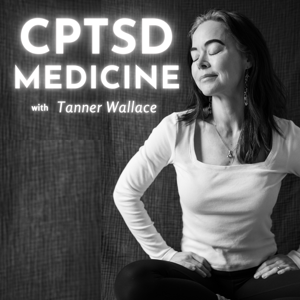


How do I know my value?
Standard boundary setting advice does not work when you are living inside a trauma ecosystem with unresolved CPTSD. The people pleasing you have been judged for is not a flaw in your character. It is a survival strategy shaped by early experiences where safety required appeasing, caretaking, or shrinking yourself.
In this episode, I guide you toward uncovering the trauma-based narratives that keep you questioning your worth, and how to begin embodying your True Self without sacrificing yourself in every relationship.
These shifts are essential for anyone healing from CPTSD, because knowing your value requires a stable internal attachment, not external approval.
When You're Ready
CPTSD Resolution 101 Weekend Workshop Three days, seven people, live on Zoom. You'll leave with a clear, personalized map for your CPTSD Resolution. Offered twice a year in February and September. https://cptsdmedicine.com/weekendworkshop
Happily Ever After — The All-Inclusive CPTSD Resolution Experience Six months of close-proximity training with me. Application required. https://cptsdmedicine.com/services
About Dr. Tanner Wallace
Tanner Wallace, PhD and Level 3 IFS Practitioner, is the founder of CPTSD Medicine and the author of the CPTSD Medicine Healing Protocol, a proprietary applied mental health training curriculum that teaches HouseHolder CycleBreakers to resolve complex relational trauma at the root. A former tenured professor of health and human development, she left academia to build the services she could not find as a childhood trauma survivor diagnosed with Borderline Personality Disorder: a structured six-month container that trains humans to become their own best intervention scientists. Inside her signature container, Happily Ever After, she works with a small number of students to resolve, not manage, their CPTSD.
About the Podcast
_*]:min-w-0 gap-3">Heal First, Then Pick Your Life Partner is for high-functioning adults with complex trauma who are tired of repeating painful relationship patterns. If you perform well professionally but struggle intensely in your closest relationships, this podcast helps you see why.
_*]:min-w-0 gap-3">Each episode takes an ordinary moment of adult life — attending a family wedding, going through old photographs, ending a relationship, writing a holiday card, having a hard conversation with someone you love — and shows you what's actually happening underneath it through the lens of complex trauma. You'll hear my take on the lived experience of CPTSD, drawn from five years of building a proprietary trauma resolution curriculum and from my own work as a survivor who no longer qualifies for the diagnoses I once did.
_*]:min-w-0 gap-3">This is diagnostic, declarative, and unlike anything else in the CPTSD space. Hosted by Dr. Tanner Wallace, PhD, founder of CPTSD Medicine.
Can't stop fighting in your relationship? → Follow the Fight Smarter Field Guide — a self-guided learning experience to understand your conflict patterns and practice responses that lead to repair, not regret. https://cptsdmedicine.com/the-fight-smarter-field-guide
In a relationship, but wondering if you should leave? → Begin the Red Flag Learning Path to recognize trauma-driven patterns and rebuild your inner compass toward love that doesn't hurt. https://cptsdmedicine.com/red-flag-checklist
Just been broken up with and need answers to feel sane again? → Explore the "Why Is This Happening to Me?" Study for clarity, validation, and grounded relief after heartbreak. https://cptsdmedicine.com/why-is-this-happening
Thinking your career is hurting your love life? → Start the Overachiever's Audit Study — a 10-minute self-reflection to see where achievement has become protection and how it may be blocking intimacy. https://cptsdmedicine.com/overachievers-audit
If you are navigating Complex PTSD, relationships can feel exhausting, scary, or impossibly hard. Attachment anxiety and fear of abandonment can overwhelm even the most self-aware humans — even therapists — and leave you wondering if love will ever feel safe.
In this episode, I explain why CPTSD creates such intense panic in love and what you can actually do to shift the cycle. You will learn the critical difference between circumstantial power (living on external validation) and personal power (the internal security you have been craving).
I will share openly from my own journey and guide you toward reconnecting with the joy, ease, and freedom your trauma has hidden from you.
In this episode you’ll learn: ✦ How attachment anxiety shows up in relationships and therapy (and why it is not your fault) ✦ The difference between external validation and internal stability ✦ Techniques for self-reparenting during emotional triggers ✦ How to begin creating healthier relationship dynamics today
CPTSD Medicine Self Study
In a relationship, but wondering if you should leave? → Begin the Red Flag Learning Path to recognize trauma-driven patterns and rebuild your inner compass toward love that doesn’t hurt.
Just been broken up with and need answers to feel sane again? → Explore the “Why Is This Happening to Me?” Study for clarity, validation, and grounded relief after heartbreak.
Thinking your career is hurting your love life? → Start the Overachiever’s Audit Study — a 10-minute self-reflection to see where achievement has become protection and how it may be blocking intimacy.
Continue your Self Study at cptsdmedicine.com/selfstudy
Each Learning Path begins with the questions that keep you up at night and reveals the truths most therapies never name.
Move from possession by trauma energies to life led by Self Energy. Work With Tanner
Enrollment is open for Happily Ever After, the six-month CPTSD Resolution and trauma recovery experience for high-functioning professionals. If this episode resonates and you’re ready to heal your CPTSD at the root, learn more about Happily Ever After. About Dr. Tanner Wallace
Dr. Tanner Wallace, PhD and IFS Level 3 Practitioner, is the creator of CPTSD Medicine, a research-grounded and spiritually integrated framework that helps high-achieving professionals resolve CPTSD at the root. Her non-pharmaceutical method unburdens trauma energies, amplifies Self Energy, and teaches Self Leadership so humans can move from survival to sovereignty. About the CPTSD Medicine Podcast
Hosted by Dr. Tanner Wallace, the CPTSD Medicine Podcast explores CPTSD healing and trauma recovery without medication. Learn why unresolved CPTSD impacts love, work, and self-trust, and study a structured path toward secure attachment, emotional safety, and lasting love. Designed for successful professionals ready for real CPTSD resolution at the root.
It is confusing and exhausting when someone feels genuinely supportive one moment and completely distant the next. For many survivors of CPTSD, this dynamic is especially destabilizing because it mirrors the inconsistency and unpredictability of early attachment experiences.
Here is the powerful truth: "emotionally unavailable" may not fully capture what is happening. Many partners can appear emotionally present when conditions are favorable, but withdraw the moment vulnerability or feedback threatens their carefully maintained self-image. This can activate older CPTSD patterns of self-blame, overfunctioning, or urgent repair.
When You're Ready
CPTSD Resolution 101 Weekend Workshop Three days, seven people, live on Zoom. You'll leave with a clear, personalized map for your CPTSD Resolution. Offered twice a year in February and September. https://cptsdmedicine.com/weekendworkshop
Happily Ever After — The All-Inclusive CPTSD Resolution Experience Six months of close-proximity training with me. Application required. https://cptsdmedicine.com/services
About Dr. Tanner Wallace
Tanner Wallace, PhD and Level 3 IFS Practitioner, is the founder of CPTSD Medicine and the author of the CPTSD Medicine Healing Protocol, a proprietary applied mental health training curriculum that teaches HouseHolder CycleBreakers to resolve complex relational trauma at the root. A former tenured professor of health and human development, she left academia to build the services she could not find as a childhood trauma survivor diagnosed with Borderline Personality Disorder: a structured six-month container that trains humans to become their own best intervention scientists. Inside her signature container, Happily Ever After, she works with a small number of students to resolve, not manage, their CPTSD.
About the Podcast
_*]:min-w-0 gap-3">Heal First, Then Pick Your Life Partner is for high-functioning adults with complex trauma who are tired of repeating painful relationship patterns. If you perform well professionally but struggle intensely in your closest relationships, this podcast helps you see why.
_*]:min-w-0 gap-3">Each episode takes an ordinary moment of adult life — attending a family wedding, going through old photographs, ending a relationship, writing a holiday card, having a hard conversation with someone you love — and shows you what's actually happening underneath it through the lens of complex trauma. You'll hear my take on the lived experience of CPTSD, drawn from five years of building a proprietary trauma resolution curriculum and from my own work as a survivor who no longer qualifies for the diagnoses I once did.
_*]:min-w-0 gap-3">This is diagnostic, declarative, and unlike anything else in the CPTSD space. Hosted by Dr. Tanner Wallace, PhD, founder of CPTSD Medicine.
Can't stop fighting in your relationship? → Follow the Fight Smarter Field Guide — a self-guided learning experience to understand your conflict patterns and practice responses that lead to repair, not regret. https://cptsdmedicine.com/the-fight-smarter-field-guide
In a relationship, but wondering if you should leave? → Begin the Red Flag Learning Path to recognize trauma-driven patterns and rebuild your inner compass toward love that doesn't hurt. https://cptsdmedicine.com/red-flag-checklist
Just been broken up with and need answers to feel sane again? → Explore the "Why Is This Happening to Me?" Study for clarity, validation, and grounded relief after heartbreak. https://cptsdmedicine.com/why-is-this-happening
Thinking your career is hurting your love life? → Start the Overachiever's Audit Study — a 10-minute self-reflection to see where achievement has become protection and how it may be blocking intimacy. https://cptsdmedicine.com/overachievers-audit
What does it take to honor your truth, even when it means saying goodbye? In this heartfelt conclusion to Season 13, I make a special announcement regarding the podcast and reflect on the transformative power of truth and alignment in healing work. I delve into the evolution of the CPTSD Medicine Healing Protocol, its culmination as a published manual, and the community’s incredible role in shaping this journey. Hear about the importance of energetic investment, the challenges of leadership, and the exciting vision I have for 2025. Join us to celebrate this milestone, embrace a new chapter, and discover how you can deepen your healing journey in 2025 and beyond.
Key Points From This Episode:
Creating and publishing the CPTSD Medicine Healing Protocol.
Learn the significance of the end-of-year frequency as 2024 transitions into 2025.
Announcement: indefinite production break and what this means for the community.
The inspiration behind launching the podcast in 2020 and reasons for the production break.
Find out why honoring personal truth in leadership and growth is essential.
Explore the energetic, emotional, and financial commitment needed for transformation.
A heartfelt thank you to listeners for their support and engagement.
Hear about CPTSD Medicine’s plans for 2025 and beyond.
An introduction to the new program starting in January.
Quotes:
“When I started this podcast back in 2020, I knew I just needed something different and disruptive in my life.” — Tanner [4:12]
“Everything works best at truth resonance.” — Tanner [6:40]
“There is so much gratitude to those of you that have been here from the beginning or have joined anywhere along the way. My sincerest, sincerest thank you.” — Tanner [13:10]
“[CPTSD Medicine] is ready to become the alternative, holistic health service that creates a legacy of CycleBreaking.” — Tanner[14:45]
What is the importance of ancestral work in healing CPTSD?
Self-belief is a crucial component in the healing journey of individuals with complex PTSD (CPTSD), as it empowers them to trust their capabilities and navigate the intricate path of intergenerational trauma. Tanner underscores this by sharing her personal experiences, where she initially struggled due to a lack of self-belief, which hindered his healing process. Through her journey, Tanner realized that cultivating a strong sense of self-belief is essential for overcoming CPTSD, as it involves betting on oneself and maintaining the conviction to pursue growth and learning. She also emphasizes the importance of trust in the healing process, encouraging individuals to have faith in the unknown and take incremental steps towards building trust in themselves and their journey.
Key TakeAways
- Ancestral work is crucial in CPTSD healing for closing past patterns and understanding intergenerational trauma.
- Self-belief is fundamental for growth and healing, allowing individuals to trust in their abilities and avoid seeking external validation.
- The CPTSD Medicine Healing Protocol integrates various modalities and emphasizes self-belief and ancestral work for resolution.
- Establishing a strong foundation of self-belief, trust, and leadership is essential for maintaining healthy relationships.
Actionable Insights
- Complete ancestral loops for CPTSD healing
- Develop genuine self-belief for personal growth
- Implement the CPTSD Medicine Healing Protocol for trauma resolution
- Establish strong self-identity and boundaries before entering relationships
(00:00:16) "The value of mentorship is that you get to learn from somebody who's already made the mistakes and then not make the same mistakes that they have made." - Tanner
(00:04:19) "And as I've grown as a leader, I've learned to hold that anxiety along with the creativity and the conviction and the determination and the drive and not let it be either or, but allow it to have duality and be both." - Tanner
(00:13:05) "I'm betting on myself. I cannot fail because failure is not even relevant in this framework." - Tanner
How can resistance be viewed as an opportunity for growth in trauma recovery?
The journey toward resolving complex PTSD (CPTSD) is a transformative and deeply personal endeavor that requires resilience, commitment, and a willingness to confront the messy and non-linear nature of trauma recovery. Tanner, drawing from her own experiences and insights, emphasizes the critical importance of not allowing past inefficiencies and failures to deter ongoing investment in one's healing journey. She acknowledges the inevitable resistance and challenges encountered along the way, advocating for persistent effort and dedication to break free from the cycle of intergenerational trauma. Tanner posits that individuals who successfully navigate the complexities of healing from CPTSD not only undergo profound personal transformation but also contribute significantly to the broader evolution of humanity, as their journey cultivates essential leadership capacities rooted in understanding, growth, and empowerment.
Key TakeAways
- Creating spaces for trauma healing is essential for individuals to feel understood and supported on their healing journey.
- Healing from complex trauma involves messy and non-linear progress, emphasizing the importance of resilience and learning from past inefficiencies.
- Personal commitment to healing and self-worthiness are foundational steps towards addressing complex trauma.
- Resistance in trauma healing is an opportunity for deeper exploration of underlying fears and concerns.
- Shifting towards embodied confidence through internal exploration and action helps individuals cultivate courage and self-leadership.
Actionable Insights
- Create spaces for trauma healing by sharing personal experiences and struggles with trauma
- View inefficiencies and resistance encountered in trauma healing as necessary components of the transformative journey
- Explore underlying fears and concerns when facing resistance in the healing process
- Shift from a fear-based perspective to embodied confidence through internal exploration practices
- Embrace resistance as a treasure that propels individuals towards growth and productivity
What is ancestral healing and why is it significant?
Nicole Casteel is an ancestral healing practitioner and heart-centered ritualist, known for her ability to create deep transformational spaces through sound ceremonies and guided rituals across the United States. With a unique blend of her opera singing background and a Master's degree in music education and performance, Nicole addresses the Mother Wound and generational trauma, considering ancestral healing a crucial aspect of personal growth and trauma resolution. She believes that our ancestral wounds and patterns significantly shape our identities and life paths, and through her own healing journey, she has witnessed the transformative power of integrating ancestral healing into her practice. For Nicole, this work is about bridging the spiritual and human experience, allowing individuals to connect deeply with their roots, forgive past generations, and reclaim their authentic selves for profound personal and ancestral transformation.
Discover more about Nicole's work here.
Key TakeAways
- Ancestral healing involves unraveling generational wounds and connecting with our roots, leading to dramatic shifts in life and perception.
- Recognizing and integrating gifts and blessings from ancestors can bring about profound transformations at a deep level.
- Forgiveness, compassion, and deeper connection to ancestral lineage can lead to a profound shift in well-being and sense of self.
- Reclaiming and expressing one's voice authentically is crucial, especially for women who have faced historical oppression and suppression.
- Creating a safe container through rituals can help individuals heal ancestral wounds, receive gifts from ancestors, and embody their true selves.
- Exploring spirituality and ancestral relevance can provide a deeper understanding of oneself, leading to healing and transformation.
- Acknowledging struggles passed down through generations can lead to understanding, compassion, forgiveness, and healing, breaking the cycle of inherited trauma.
Actionable Insights
- Recognize and address personal and collective wounds passed down through generations
- Connect with ancestral lineage through shamanic practices and ancestral work
- Practice forgiveness, compassion, and deeper connection to ancestral lineage for healing
- Reclaim and express one's voice authentically, especially for women who have faced suppression
- Create safe spaces to voice grief and rage as a key step towards authentic expression
- Engage in rituals to connect with ancestors for overall wellness and healing
- Acknowledge struggles passed down through generations to foster understanding, compassion, and healing
Quotes:
"I really discovered, you can learn how to relate with spirit in a way that is practical and that is grounded, and you can really begin to create a bridge between spirit and your human experience." - Nicole Casteel (09:23)
"The thing I've come to understand about forgiveness in relationship to ancestral healing is that in order to forgive, I have to have true understanding, and I have to be able to access compassion in order to really forgive." - Nicole Casteel (19:20)
What external factors and frameworks have helped Renee in her recovery journey?
Renee Fleming is a dedicated mental health professional whose work is profoundly influenced by her personal experiences as a survivor of abuse and neglect. With a background in psychology and social work, she utilizes Internal Family Systems (IFS) therapy as a key tool in her practice to help clients, particularly cycle breakers, navigate their healing journeys. Renee's personal journey with IFS has allowed her to move from feelings of abandonment and emotional pain to a place of tender awareness and self-understanding, emphasizing the importance of looking within oneself for healing. She also highlights the intersectionality of personal and social factors in mental health, stressing the significance of understanding power dynamics and reclaiming personal power in the recovery process.
Learn more about what Renee offers here.
Key TakeAways
- Renee Fleming has a background in psychology, social work, and training in various therapeutic models.
- Her personal experiences, including divorce and trauma, have accelerated her healing journey.
- Internal Family Systems (IFS) is highlighted for its ability to address trauma and promote healing.
- Neurodivergent individuals face challenges in expressing their internal experiences authentically.
- Exploring external factors and frameworks like human design and Enneagram have helped Renee in her recovery journey.
- Internalized vows can influence behaviors, and breaking them requires self-compassion and self-reflection.
- Renee offers courses and experiential opportunities for personal development and leadership growth.
Actionable Insights
- Explore innovative approaches to mental health and well-being
- Create a safe space for authentic self-expression
- Seek external mirrors to better understand internal struggles
- Break self-compassionate choices to break internalized vows
- Acknowledge the impact of relationships on personal growth and healing
- Offer experiential opportunities for personal development
- Facilitate growth and self-discovery through knowledge sharing
What is shamanic astrology and how can it help with healing and transformation?
How does exploring one's Sacred Blueprint aid in moving beyond trauma identification?
Archetypal work and shamanic astrology are powerful tools for healing and transformation, particularly in the context of CPTSD, as discussed by Tanner and Levi. By exploring one's Sacred Blueprint and engaging with archetypal narratives, individuals can break free from trauma cycles and discover new aspects of themselves, aiding in their healing journey. Levi Banner, a certified astrologer, uses music, breathwork, and astrology to guide individuals toward self-empowerment and understanding through the lens of shamanic astrology. This approach, which blends ancient wisdom with modern insights, helps individuals connect with their hero's journey and navigate life's complexities. Practitioners of shamantic astrology emphasize the importance of shifting focus from trauma to one's astrological and sacred influences to establish new identities and paths of healing and self-discovery.
Levi Banner, a spiritual teacher renowned for integrating astrology, breathwork, and music, offers a transformative perspective on astrology as a pathway to self-discovery and healing. Inspired by luminaries like Joseph Campbell and Carl Jung, he uses archetypes to help individuals understand their personal hero's journey, viewing astrology as a map of one's unique myth and life path. Levi believes that by understanding the basic elements and archetypes that shape a person's identity through astrology, individuals can find fulfillment and happiness amidst societal pressures. Through his workshops worldwide, he empowers participants to reconnect with their true selves, encouraging them to embrace their ancient human stories and navigate life's complexities with newfound clarity.
Find Levi and his work here.
Key TakeAways:
- Archetypal work supports healing and transformation in the context of CPTSD Medicine.
- Exploring one's Sacred Blueprint and mythical journey is crucial to moving beyond trauma identification.
- Shamanic astrology helps individuals understand their unique hero's journey through archetypes in their birth charts.
- Astrology aids in deciphering archetypes in a person's birth chart, providing insights into their personalities and guiding them through life.
- Astrology, Gene Keys, Human Design, articulate your Sacred Blueprint as a powerful tool for healing and self-discovery, especially for individuals Resolving CPTSD.
Actionable Insights:
- Explore your Sacred Blueprint and mythical journey to move beyond trauma identification
- Delve into archetypal work to discover different aspects of oneself and break free from the cycle of trauma
- Recognize archetypal resonance in your birth chart to gain insight into one's makeup and direction towards fulfillment
- Incorporate shamanic breathwork practices to reconnect with one's highest self and navigate the hero's journey
- Establish a new sense of identity beyond past trauma by exploring your Sacred Blueprint and astrological influences
- Uncover your True Self by recognizing and understanding personal archetypes through astrology and breathwork
Quotes:
(00:05:52) "The astrology that we share is blending so many different practices." - Levi Banner
(00:12:23) "When you're open to explore and you just trust in the unfolding of what information is going to come, when the teachers are going to come, it really does open up this place where people, teachers, teachings weave in and out of your life and the ones that seem they're meant to stay keep coming back." - Tanner
(00:17:09) "We are all made of many archetypes, and to notice that is extremely powerful. And then you get your own myth. You get your own hero story, Hero's journey of your own." - Levi Banner
(00:19:56) "When you release the Trauma Energies, all of us are like, but who are we without that? And that question of: who are we without this? That is a really terrifying question." - Tanner
(00:24:01) "I think find a school you like, an astrologer you like, and go down that path or follow their rabbit hole as long as you can." - Levi Banner
Come explore CPTSD Medicine here.
Human design is a method used to aid in healing complex PTSD (CPTSD) by encouraging individuals to reshape their personal narratives, thereby improving their physical health and overall wellness. This approach highlights the interconnectedness of mind, body, and spirit, promoting a holistic healing journey that empowers individuals to uncover their authentic selves beyond trauma and conditioning. Karen Curry Parker's transition from nursing to using human design exemplifies its power in helping individuals reclaim sovereignty over their stories, leading to transformative health outcomes. Additionally, the exploration of ancestral healing within human design reveals how epigenetics and inherited stories impact stress responses, enabling individuals to rewrite both personal and ancestral narratives for profound healing. By emphasizing the importance of understanding one's energy type, body signals, and the impact of negative storytelling on immune response, this approach advocates for a holistic healthcare model that addresses the root causes of physical and mental health issues.
Karen Curry Parker is an internationally recognized author and expert in personal transformation, known for her groundbreaking work in human design. She has developed the Quantum Human Design and Quantum Alignment System, which offer innovative pathways for healing from complex trauma by providing individuals with a sacred blueprint of their true selves, free from the distortions of trauma and conditioning. With a background in integrative medicine and a commitment to holistic healing, Parker believes that understanding one's energetic experiences through human design can empower individuals to reclaim sovereignty over their life stories, leading to profound personal transformation. Her work highlights the interconnectedness of mind, body, and spirit, emphasizing the importance of reframing personal and ancestral narratives to promote overall wellness and transformation.
Key Points From This Episode:
A brief overview of Karen’s fascinating career.
What Human Design is and how it fits into CPTSD medicine.
How Karen became interested in Human Design.
Ways that Human Design could work together with Internal Family Systems.
The way Human Design relates to your genetics.
Karen shares a few helpful Human Design tips for listeners.
The importance of learning about your energy type and authority.
Karen’s study on the relationship between personal narrative and immune response.
How you can make a difference in the world by taking control of your own story.
Key TakeAways
- Human design can help individuals tell better stories to improve physical health outcomes.
- A holistic approach to healing is important, considering mind, body, and spirit interconnectedness.
- Human design facilitates uncovering authentic selves beyond trauma and conditioning.
- Reconnecting with the body and listening to visceral feelings is emphasized for decision-making.
- Negative personal narratives can impact immune response levels.
- The brain is malleable and influenced by the stories we tell ourselves.
- Ancestral healing through human design allows rewriting personal and ancestral narratives.
Actionable Insights
- Recognize the impact of personal stories on physical health outcomes
- Uncover your authentic self beyond trauma and conditioning
- Reconnect with your body to make decisions based on visceral feelings
- Recognize signs of burnout and align life path with physical well-being to prevent crisis
- Reframe negative personal narratives to boost immune response
- Understand the brain's susceptibility to creative narratives and repetition for cognitive shifts
- Take control over your narratives to improve overall well-being
Quotes:
“How much of the story that we’re living in in our physical body and that we’re perceiving as part of the story of who we are isn’t even our story?” — Karen Curry Parker [14:53]
“Your immune response goes down when you get stuck in a negative narrative that is disempowering and leaves you in a victimhood mindset.” — Karen Curry Parker [27:04]
“Our story is [literally] creating – our physical experience of the world!” — Karen Curry Parker [28:33]
“We can heal the world, if you will, by first of all starting with ourselves.” — Karen Curry Parker [36:29]
“When you know your value, you’re no longer in competition with anyone because there’s no one else like you.” — Karen Curry Parker [37:25]
Links from the Episode
Get Your Free Human Design Chart
Find Karen on IG
CPTSD Medicine on IG
From the publisher's feed
1,410 Listeners

2,515 Listeners
5,139 Listeners
4,716 Listeners
429 Listeners

27,998 Listeners

279 Listeners

366 Listeners

1,852 Listeners

1,424 Listeners

1,056 Listeners

1,401 Listeners

341 Listeners
219 Listeners

221 Listeners