
Sign up to save your podcasts
Or



Based on Podcast App listening data
If you’re constantly bloated, tired, or struggling with hormone imbalances, your gut might be the missing piece. In this episode of SHE MD, we sit down with double board-certified physician Dr. Amy Shah to break down the powerful connection between gut health, hormones, metabolism, and brain function, and why so many women are overlooking it. From IBS and SIBO to PCOS and endometriosis, this conversation reveals how inflammation and gut imbalance can silently drive so many common symptoms.
Dr. Shah shares her simple, science-backed “30-30-3” framework (30g of protein at your first meal, 30g of fiber daily, and 3 probiotic foods) to help you rebuild your microbiome and feel better fast. We also dive into the truth about probiotics, why fiber is essential (and why most people aren’t getting enough), and how everyday habits like sleep, sunlight, and movement can dramatically improve your gut health.
Plus, we cover magnesium for stress and sleep, the role of antibiotics, how to approach SIBO and elimination diets, and the easiest (and most overlooked) ways to support your brain and body long-term. If you’ve been feeling off and can’t figure out why, this episode will give you actionable steps to start healing from the inside out.
Subscribe to SHE MD Podcast for expert tips on PCOS, endometriosis, fertility, hormonal balance, mental health, and more. Share with friends and visit SHE MD website and Ovii for research-backed resources, holistic health strategies, and expert guidance on women’s health and well-being.
Sponsors
Midi: Ready to feel your best and write your second act script? Visit JoinMidi.com today to book your personalized, insurance-covered virtual visit.
Talkiatry: Head to Talkiatry.com/shemd and complete the short assessment to get matched with an in-network psychiatrist in just a few minutes.
Premier Protein: Find your favorite flavor at PremierProtein.com or at Amazon, Walmart, and other major retailers.
Myriad: List GetMyRisk.com to learn more about hereditary cancer testing and how you can use Myriad’s virtual care option for fast, at-home testing - no office visit required.
UnF*ck Your Brain: Listen to UnF*ck Your Brain wherever you get your podcasts.
What You’ll Learn
Key Timestamps
(0:00) Introduction to SHE MD
(2:19) Welcome, Dr. Amy Shah!
(6:23) Why Gut Health Matters
(9:02) Best High-Fiber Foods
(10:37) The 30-30-3 Rule Explained
(16:52) Apple Cider Vinegar Benefits
(22:00) Prebiotics vs Probiotics
(24:19) SIBO, Hormones & Gut Inflammation Explained
(30:07) Gut Health & Antibiotics Impact
(36:00) Organic vs Non-Organic Foods
(40:50) Magnesium Benefits, Foods, Supplements & Sleep Support
(45:19) Walking for Brain Health
(46:39) Top 5 Health Habits for Women
(47:52) Top 5 Foods
(49:27) Where to Find Dr. Amy Shah
Key Takeaways
Guest Bio
Dr. Amy Shah is a double board-certified physician in allergy, immunology, and internal medicine, trained at Cornell, Columbia, and Harvard. She is a leading voice in gut health, nutrition, and women’s wellness, known for translating complex science into practical, everyday strategies. After experiencing her own health struggles, she shifted her focus to lifestyle medicine and has since helped millions optimize their energy, metabolism, and hormones through diet and simple daily habits. She is also the bestselling author of I’m So Effing Tired and I’m So Effing Hungry.
See Privacy Policy at https://art19.com/privacy and California Privacy Notice at https://art19.com/privacy#do-not-sell-my-info.
Disclaimer: This interview includes in-depth discussions of serious mental health topics, such as personality disorders and other highly sensitive subjects. These topics may be distressing or triggering for some listeners.
In this episode of SHE MD, Mary Alice Haney and Dr. Thaïs Aliabadi sit down with Dr. Suzanne Wallach, a leading expert in Dialectical Behavior Therapy (DBT), to unpack what every woman should understand about emotional regulation, trauma, and personality disorders. From the difference between borderline personality disorder, bipolar disorder, and narcissism to the real signs of emotional dysregulation, this conversation brings clarity to topics that are often misunderstood and misdiagnosed.
Dr. Wallach breaks down how trauma shapes behavior, why narcissists rarely seek help, and what narcissistic abuse and gaslighting actually look like in relationships. The conversation also explores how to recognize unhealthy patterns, why you should never stay in a relationship where you’re being disrespected, and how emotional overwhelm impacts your ability to think clearly or problem-solve in the moment.
You’ll also learn practical, science-backed tools you can start using immediately, including DBT techniques like the TIPP method for panic attacks and emotional distress. The episode expands into parenting and generational trauma, offering insight on how to raise emotionally healthy children through validation, boundaries, and consistency. If you’ve ever struggled with your emotions, relationships, or mental health, this episode is filled with actionable strategies to help you regain control and build a more stable, grounded life.
Subscribe to SHE MD Podcast for expert tips on PCOS, endometriosis, fertility, hormonal balance, mental health, and more. Share with friends and visit SHE MD website and Ovii for research-backed resources, holistic health strategies, and expert guidance on women’s health and well-being.
Sponsors
Midi: Ready to feel your best and write your second act script? Visit JoinMidi.com today to book your personalized, insurance-covered virtual visit.
Ka'Chava: Get 15% off your first order at kachava.com with code SHEMD.
Talkiatry: Head to Talkiatry.com/shemd and complete the short assessment to get matched with an in-network psychiatrist in just a few minutes.
Ancient + Brave: Go to Ancientandbrave.com/planet and use the code SHEMD for 10 dollars off any purchase.
MudWtr: Head to mudwtr.com and grab your starter kit today! Right now, our listeners get an exclusive deal—up to 43% off starter kits, plus free shipping and a free rechargeable frother when you use code SHEMD.
Gusto: Try Gusto today at gusto.com/SHEMD, and get three months free when you run your first payroll.
What You’ll Learn
Key Timestamps
(0:00) Introduction to SHE MD
(3:16) Welcome Dr. Suzanne Wallach!
(4:54) What Is Narcissism?
(6:36) Is Narcissism Based On Childhood Trauma?
(8:27) Borderline Personality Disorder vs Narcissism?
(12:41) Borderline vs Dependent Personality Disorder
(13:37) Cluster B Disorders: Higher Risk of Self-Harm & Suicide
(14:05) Women Are Overdiagnosed With Personality Disorders
(15:58) Many Therapists Avoid Treating Borderline Personality Disorder
(22:15) DBT Skills Coaching: 24/7 Support in Crisis Moments
(23:36) Thoughts vs Ideation
(27:00) How Dr. Suzanne Handle Patients With Suicide Plans
(30:29) Does Trauma Come First in Treating Cluster B Disorders
(37:35) How to Avoid Raising a Narcissist as a Parent
(38:20) Praise Parenting: Where’s the Healthy Balance?
(42:24) Opposite Parenting Styles After Divorce
(48:01) Should Trauma Be the First Focus in Treating DBT?
(58:54) How to Recognize BPD or Narcissism: Key Signs & Diagnosis
(1:02:44) What Is Bipolar Disorder?
(1:04:40) Bipolar vs BPD: Genetics vs Trauma
(1:05:05) The TIPP Skill
(1:13:45) Rapid Fire Questions
Key Takeaways
Guest Bio
Dr. Suzanne Wallach is a clinical psychologist and DBT specialist based in Los Angeles. She is the founder of SoCal DBT, where she and her team provide high-fidelity, evidence-based Dialectical Behavior Therapy for individuals, couples, and families. Her work focuses on helping patients regulate emotions, heal from trauma, and build healthier relationships through practical, science-backed tools.
See Privacy Policy at https://art19.com/privacy and California Privacy Notice at https://art19.com/privacy#do-not-sell-my-info.
In this episode of SHE MD, Mary Alice Haney sits down with preventative neurologist Dr. Kellyann Niotis to unpack what every woman needs to know about brain health, memory, and dementia prevention. From understanding the difference between normal forgetfulness and early warning signs to breaking down how working memory changes with age, this conversation offers clarity, reassurance, and actionable insight. Dr. Niotis explains why women are disproportionately affected by Alzheimer’s disease and how factors like hormones, genetics, and lifestyle all play a role.
They explore the most powerful, research-backed ways to protect your brain, starting with the basics: sleep, exercise, nutrition, and stress management. You’ll learn why strength training is critical for long-term brain health, how the Mediterranean diet can reduce dementia risk by up to 35%, and why your genes are not your destiny, even if you carry high-risk markers like APOE4. The episode also dives into mental health, social connection, and the surprising link between hearing loss and cognitive decline.
Dr. Niotis shares what actually works (and what doesn’t) when it comes to supplements, brain games, and trending “quick fixes,” along with emerging research on medications, biomarkers, and preventative care. If you want to stay sharp, protect your memory, and take control of your long-term brain health, this episode is filled with practical tools you can start using today.
Subscribe to SHE MD Podcast for expert tips on PCOS, endometriosis, fertility, hormonal balance, mental health, and more. Share with friends and visit SHE MD website and Ovii for research-backed resources, holistic health strategies, and expert guidance on women’s health and well-being.
Sponsors
Midi: Ready to feel your best and write your second act script? Visit JoinMidi.com today to book your personalized, insurance-covered virtual visit.
Myriad: List GetMyRisk.com to learn more about hereditary cancer testing and how you can use Myriad’s virtual care option for fast, at-home testing - no office visit required.
Osea: Get 10% off your first order sitewide with code SHEMD at oseamalibu.com.
Momentus: Get up to 35% off your first order at livemomentous.com with code SHEMD.
Ka'Chava: Get 15% off your first order at kachava.com with code SHEMD.
What You’ll Learn
Key Timestamps
(0:00) Introduction to SHE MD
(3:47) Meet Dr. Kellyann Niotis (Brain Health Expert)
(5:01) Genetics, Risks, and APOE4
(8:34) Brain Diseases: Alzheimer’s vs Parkinson’s vs ALS
(10:28) How Doctors Assess Brain Health Risk
(12:01) Sleep & Brain Health
(19:05) Best Type of Exercise for Your Brain
(29:05) Nutrition & The Mediterranean Diet
(29:50) Alcohol, Marijuana & Brain Impact
(33:53) GLP-1s & Brain Health Benefits
(36:37) Mental Health, SSRIs & Dementia Risk
(39:17) Why Women Are More Affected
(43:31) Memory Loss vs Normal Forgetfulness
(45:13) Hormone Therapy & Brain Health
(49:19) Supplements That Actually Help
(51:58) Omega-3 Testing & Recommendations
(57:38) Is There a Dementia Epidemic?
(1:00:59) Working Memory Explained
(1:02:45) Rapid Fire Questions
(1:06:11) Audience Q&A (Prevention, Diet, Memory)
(1:08:06) Future of Brain Health & New Research
(1:10:23) Where to Find Dr. Niotis
Key Takeaways
Guest Bio
Dr. Kellyann Niotis is a leading expert in preventative neurology and brain health. She specializes in identifying early risk factors for neurodegenerative diseases like Alzheimer’s and Parkinson’s and helping patients take proactive steps to protect their cognitive health. Through her research and clinical work, she focuses on translating cutting-edge science into practical, everyday strategies for long-term brain optimization.
See Privacy Policy at https://art19.com/privacy and California Privacy Notice at https://art19.com/privacy#do-not-sell-my-info.
In this episode of SHE MD, Mary Alice Haney sits down with Jessie Inchauspé, also known as the Glucose Goddess, to break down the powerful role blood sugar plays in your energy, hormones, mood, and overall health. Jessie explains what glucose actually is, why spikes and crashes lead to cravings, fatigue, and inflammation, and how simple, science-backed habits can help you feel better without restrictive dieting.
They walk through easy, actionable “glucose hacks,” including why a savory breakfast is key, how the order you eat your food can reduce spikes by up to 75%, and simple habits like walking after meals or using vinegar to stabilize blood sugar. The conversation also explores how glucose impacts women’s health, including perimenopause and menopause, and why blood sugar becomes harder to manage as hormones shift.
Jessie also shares insights from her new book, ‘The Nine Months That Count Forever,’ revealing how nutrition during pregnancy directly shapes a baby’s brain, metabolism, and long-term health. She highlights critical nutrients like protein and choline, nutrients that up to 90% of pregnant women are missing, and explains how small dietary changes can make a lifelong difference.
Subscribe to SHE MD Podcast for expert tips on PCOS, endometriosis, fertility, hormonal balance, mental health, and more. Share with friends and visit SHE MD website and Ovii for research-backed resources, holistic health strategies, and expert guidance on women’s health and well-being.
Sponsors
Prolon: For a limited time, Prolon is offering She MD listeners15% off sitewide plus a $40 bonus gift when you subscribe to their 5-Day Program!
R+Co: Visit randco.com and use code SheMD20 at checkout for 20% off your first purchase. Use code SheMD20 for 20% off your first order
Talkiatry: Head to Talkiatry.com/shemd and complete the short assessment to get matched with an in-network psychiatrist in just a few minutes.
Premier Protein: Find your favorite flavor at PremierProtein.com or at Amazon, Walmart, and other major retailers.
Ancient + Brave: Go to Ancientandbrave.com/planet and use the code SHEMD for 10 dollars off any purchase.
Care.com: Start your senior care journey with confidence. When it’s not you, it’s Care.com. For a limited time, go to Care.com and use code SHEMD for 20% off of your initial care.com subscription or a Senior Care Advisor Plan.
What You’ll Learn
Key Timestamps
(00:00) Introduction to SHE MD
(02:16) Meet The Glucose Goddess Story
(04:48) How A Glucose Monitor Changed Everything
(06:49) What Glucose Really Does In Your Body
(08:36) Why Glucose Spikes Are Dangerous
(10:54) The Powerful Savory Breakfast Hack
(12:23) The Truth About Fruit And Sugar
(13:39) Why Orange Juice Is Misleading
(15:05) How Morning Sugar Ruins Your Day
(16:21) The Food Order Hack Explained
(17:51) Vinegar Trick To Reduce Spikes
(27:22) How Glucose Impacts Your Sleep
(29:15) The Truth About Intermittent Fasting
(32:49) What GLP-1 Drugs Really Do
(35:40) Blood Sugar And Mental Health Link
(40:16) The Truth About Pregnancy Nutrition
(59:51) Top Glucose Hacks To Start Today
Key Takeaways
Guest Bio
Jessie Inchauspé, also known as the Glucose Goddess, is a French biochemist, bestselling author, and founder of the Glucose Goddess movement. With a background in mathematics and biochemistry, she is dedicated to translating complex science into simple, actionable tools to help people improve their metabolic health. Her books, including ‘Glucose Revolution’ and ‘The Glucose Goddess Method,’ have sold millions of copies worldwide, and she reaches over 7 million people across her platforms with practical strategies to balance blood sugar, improve energy, and support overall well-being.
See Privacy Policy at https://art19.com/privacy and California Privacy Notice at https://art19.com/privacy#do-not-sell-my-info.
In this episode of SHE MD, Mary Alice Haney sits down with Dr. Thaïs Aliabadi to break down endometriosis, an often misunderstood condition that goes far beyond painful periods. Dr. A explains why endometriosis is a systemic inflammatory disorder, the wide range of symptoms it can cause, and why so many patients are dismissed or misdiagnosed for years before getting answers.
They discuss how endometriosis presents, from chronic pelvic pain and bloating to bladder, bowel, and even mental health symptoms, and why it can’t reliably be detected through standard imaging. Dr. A also covers how the condition can impact fertility, ovarian reserve, and overall quality of life if left untreated.
The episode also walks through treatment options, including hormonal therapies, IUDs, medications that suppress estrogen, and the importance of finding a highly trained surgeon for laparoscopic excision. This conversation offers both validation and clear guidance for anyone struggling with symptoms and looking for real answers.
Subscribe to SHE MD Podcast for expert tips on PCOS, endometriosis, fertility, hormonal balance, mental health, and more. Share with friends and visit SHE MD website and Ovii for research-backed resources, holistic health strategies, and expert guidance on women’s health and well-being.
Sponsors
Premier Protein: Find your favorite flavor at PremierProtein.com or at Amazon, Walmart, and other major retailers.
Butcherbox: As an exclusive offer, new listeners can get their choice between chicken breast or top sirloin for a year OR ground beef for life, PLUS $20 off when you go to ButcherBox.com/shemd
Mill: Try Mill risk-free for 90 days and get $75 off at mill.com/SHEMD and use code SHEMD at checkout.
Myriad: List GetMyRisk.com to learn more about hereditary cancer testing and how you can use Myriad’s virtual care option for fast, at-home testing - no office visit required.
Gusto: Try Gusto today at gusto.com/sheMD, and get three months free when you run your first payroll. That’s three months of free payroll at gusto.com/sheMD.
Ancient + Brave: Go to Ancientandbrave.com/planet and use the code SHEMD for 10 dollars off any purchase.
What You’ll Learn
Key Timestamps
(0:00) Introduction to SHE MD
(2:33) What Is Endometriosis?
(4:33) Key Symptoms You Shouldn’t Ignore
(7:58) Stages of Endometriosis Explained
(8:53) What Causes Endometriosis?
(13:10) Painful Sex Explained
(23:56) How Do You Treat Endometriosis?
(26:18) Stromal Endometriosis Explained
(28:05) Understanding Endometriosis Treatment Options
(37:50) Why Removing Endometriosis Helps Fertility
(40:09) What Happens During Perimenopause and Menopause
(47:47) How Tamoxifen Affects Endometriosis
(49:14) Questions From Listeners
Key Takeaways
See Privacy Policy at https://art19.com/privacy and California Privacy Notice at https://art19.com/privacy#do-not-sell-my-info.
In this episode of SHE MD, Mary Alice Haney and Dr. Thaïs Aliabadi sit down with colorectal surgeon Dr. Beth Moore to talk about colon cancer, colonoscopies, and the importance of screening. Dr. Moore explains how colon cancer develops, why it affects women just as much as men, and why most people diagnosed with colon cancer do not have a family history of the disease.
The conversation breaks down how colonoscopies work and why they remain the gold standard for screening. Dr. Moore also explains the different types of colon polyps, what symptoms to watch for, and how colon cancer is staged and treated depending on how advanced it is.
They also discuss lifestyle risk factors, newer screening options like Cologuard and virtual colonoscopy, and emerging topics including GLP-1 medications and digestive health. This episode offers clear, practical information to help women better understand colon cancer risk, screening options, and why early detection is so important.
To learn more about MyRisk, visit this link: https://myriad.com/genetic-tests/myrisk-hereditary-cancer-risk-test/
Subscribe to SHE MD Podcast for expert tips on PCOS, endometriosis, fertility, hormonal balance, mental health, and more. Share with friends and visit SHE MD website and Ovii for research-backed resources, holistic health strategies, and expert guidance on women’s health and well-being.
Sponsors
Premier Protein: Find your favorite flavor at PremierProtein.com or at Amazon, Walmart, and other major retailers.
R+Co: Visit randco.com and use code SheMD20 at checkout for 20% off your first purchase. Use code SheMD20 for 20% off your first order
Midi: Ready to feel your best and write your second act script? Visit JoinMidi.com today to book your personalized, insurance-covered virtual visit.
Peloton: Let yourself run, lift, sculpt, push and GO. Explore the new Peloton Cross Training Tread+ at onepeloton.com
Warby Parker: Our listeners get 15%+ free shipping when they buy 2 or more pairs of prescription glasses at WarbyParker.com/SHEMD
Babbel: Get up to 60% off your Babbel subscription at Babbel.com/SHEMD
What You’ll Learn
Key Timestamps
(00:00) Introduction to SHE MD
(01:23) Colon Cancer Affects Women Too
(02:16) Personal Story: Losing a Grandfather to Colon Cancer
(03:08) Meet Colorectal Surgeon Dr. Beth Moore
(05:15) What the Colon Actually Does
(05:44) How Colon Cancer Starts (Polyps Explained)
(06:25) Colon Cancer Stages Explained (1–4)
(09:27) Immunotherapy: A Breakthrough in Colon Cancer Treatment
(10:08) Why Colonoscopies Can Prevent Cancer
(12:26) Colonoscopy Prep: What to Expect
(18:27) What Happens During a Colonoscopy
(20:33) Early Warning Signs of Colon Cancer
(42:13) Cologuard Test: Does the “Poop Test” Really Work?
(58:16) HIPEC Surgery: Heated Chemotherapy Explained
(1:05:24) How Often You Should Actually Poop
Key Takeaways
Guest Bio
Dr. Beth A. Moore is a colon and rectal surgeon in West Hollywood, California, affiliated with Cedars-Sinai Medical Center. She received her medical degree from the Lewis Katz School of Medicine at Temple University and has been in practice for more than 20 years. She has expertise in treating colonoscopies, colon removal, and other conditions
See Privacy Policy at https://art19.com/privacy and California Privacy Notice at https://art19.com/privacy#do-not-sell-my-info.
In this episode of SHE MD, Mary Alice Haney and Dr. Thaïs Aliabadi sit down with Dr. Steven Storage to unpack one of the most common mental health misdiagnoses affecting women today: ADHD being mistaken for anxiety or depression. Dr. Storage explains why ADHD is often overlooked in girls and women, and how many patients spend years being treated for anxiety before discovering the real cause of their symptoms.
The conversation explores how ADHD can present differently in women, including emotional overwhelm, chronic stress, brain fog, and difficulty focusing. Dr. Storage also discusses the role of brain imaging in ADHD diagnosis and how different brain patterns may require different treatment approaches, highlighting why traditional symptom checklists often miss the full picture.
They also discuss how hormonal changes, especially during perimenopause, can intensify ADHD symptoms, which is why many women first seek answers later in life. This episode sheds light on the importance of accurate diagnosis and brain-based approaches to better support women navigating ADHD.
Subscribe to SHE MD Podcast for expert tips on PCOS, endometriosis, fertility, hormonal balance, mental health, and more. Share with friends and visit SHE MD website and Ovii for research-backed resources, holistic health strategies, and expert guidance on women’s health and well-being.
Sponsors
Premier Protein: Find your favorite flavor at PremierProtein.com or at Amazon, Walmart, and other major retailers.
R+Co: Visit randco.com and use code SheMD20 at checkout for 20% off your first purchase. Use code SheMD20 for 20% off your first order
ButcherBox: As an exclusive offer, new listeners can get their choice between organic ground beef, chicken breast or ground Tucker in every box for a year, PLUS $20 off when you go to ButcherBox.com/SHEMD
Pique Tea: Redefine your standard of health. Secure 20% off your order and begin your intentional wellness journey today at Piquelife.com/shemd.
Bobbie: If you want to feed with confidence too, head to hibobbie.com - to the formula trusted by parents and loved by their babies - 700k and counting.
Myriad: GetMyRisk.com to learn more about hereditary cancer testing and how you can use Myriad’s virtual care option for fast, at-home testing - no office visit required.
What You’ll Learn
Key Timestamps
(0:00) Introduction to SHE MD
(03:09) What ADHD Actually Is (And Why the Name Is Misleading)
(07:05) ADHD in Women: Why It’s Often Missed or Misdiagnosed
(11:35) The ADHD Brain Explained: Dopamine & the Prefrontal Cortex
(18:08) ADHD Medications: Stimulants vs Non-Stimulants Explained
(21:28) ADHD vs Bipolar Disorder: Why Misdiagnosis Happens
(30:12) The 7 Different Types of ADHD
(39:12) Alcohol, Cannabis & the ADHD Brain
(45:46) How to Naturally Increase Dopamine
(47:45) Sleep, Exercise & Diet for ADHD Brain Health
(57:10) Perimenopause, Hormones & ADHD Symptoms in Women
(01:03:30) ADHD During Pregnancy & Natural Treatment Strategies
(01:12:30) Final Thoughts: Rethinking ADHD & Brain Health
Key Takeaways
Guest Bio
Dr. Steven Storage is a board-certified psychiatrist specializing in brain health and ADHD in both adults and children. His work focuses on helping patients who are often overlooked or misdiagnosed better understand the root causes of their symptoms. Using a comprehensive, brain-based approach, he works with patients to identify patterns in attention, mood, and behavior and develop more personalized treatment strategies.
See Privacy Policy at https://art19.com/privacy and California Privacy Notice at https://art19.com/privacy#do-not-sell-my-info.
In this episode of SHE MD, Mary Alice Haney and Dr. Aliabadi sit down with Hailey Bieber to discuss a terrifying health scare at 25. She experienced a TIA (mini-stroke) with classic stroke symptoms, and the chain of testing that led to finding (and closing) a PFO.
Hailey also shares how her pregnancy was a surprise. It was complicated by a uterine septum and conversations about miscarriage risk. She explains how her care team monitored her for preterm risk.
Hailey discuss induction tools like the Foley balloon, how she handled the epidural, and what it felt like when she couldn’t stop bleeding after delivery. Dr. Aliabadi breaks down postpartum hemorrhage and the Jada device that was used to stop it quickly.
They also cover postpartum life, including anxiety, pumping/breastfeeding, PMDD months later, postpartum rehab (including pelvic floor therapy), and Hailey’s approach to balancing motherhood with building her company.
Subscribe to SHE MD Podcast for expert insight on women’s heart health, stroke warning signs, and what to know about PFOs, plus real talk on pregnancy risk, labor and delivery, postpartum hemorrhage, PMDD, and recovery after birth. Share this episode with a friend, and visit the SHE MD website and Ovii for research-backed resources, practical guidance, and expert support for women’s health and well-being.
Sponsors:
Premier Protein: Find your favorite flavor at PremierProtein.com or at Amazon, Walmart, and other major retailers.
Gusto: Try Gusto today at gusto.com/sheMD, and get three months free when you run your first payroll. That’s three months of free payroll at gusto.com/sheMD.
Care.com: Start your senior care journey with confidence. When it’s not you, it’s Care.com. For a limited time, go to Care.com and use code SHEMD for 20% off your initial Care.com subscription or a Senior Care Advisor Plan.
Osea: She MD listeners get 10% off your first order site wide with code SHEMD at OSEAMalibu.com
Midi: Ready to feel your best and write your second act script? Visit JoinMidi.com today to book your personalized, insurance-covered virtual visit.
What You’ll Learn:
What a TIA can look like at 25, and the stroke symptoms Hailey experienced
What a PFO is, why it can be missed on early testing, and how closure works
What a uterine septum is, and why 3D imaging can matter for diagnosis
How preterm-risk screening was explained, plus the monitoring/support plan discussed
What postpartum hemorrhage can feel like in real time, and how rapid intervention can change outcomes
Key Timestamps:
(01:51) Hailey joins the show + why she wanted to share her story
(03:41) The TIA at 25 and the stroke symptoms she experienced
(05:20) PFO basics and why the first bubble study missed it
(06:33) PFO closure surgery and how the closure device works
(11:06) “Let’s move on to the pregnancy” and why it was a surprise
(12:11) What a uterine septum is and the miscarriage risk discussed
(14:03) Why septums get missed on ultrasound and why 3D imaging matters
(15:30) The preterm blood test explained and what it measures
(16:59) What happens if you test high-risk, including progesterone, aspirin, and closer monitoring
(27:03) Induction details, including the Foley balloon and epidural timing
(31:51) “I couldn’t stop bleeding” after delivery and what that moment felt like
(33:05) Sensing panic in the room, getting meds “to clot,” and asking “am I okay?”
(35:57) Postpartum hemorrhage explained and why the Jada device was used
(45:12) Postpartum PMDD, diagnosis, and what it felt like
(56:19) Postpartum rehab and why pelvic floor therapy mattered
(59:58) Working through pregnancy and easing back in after baby
(01:02:35) Closing advice on trusting your intuition
Key Takeaways:
Guest Bio:
Hailey Bieber is a mom and founder who shares her experience navigating a TIA, pregnancy, birth, and postpartum recovery with Dr. Aliabadi. She says she first started seeing Dr. Aliabadi at 19, developed her company idea in 2020, and launched it in 2022. She later worked through her pregnancy in 2024 and returned when she felt ready.
See Privacy Policy at https://art19.com/privacy and California Privacy Notice at https://art19.com/privacy#do-not-sell-my-info.
In this episode of SHE MD, Mary Alice Haney and Dr. Thaïs Aliabadi welcome back Dr. Kelly Casperson to discuss perimenopause, menopause, and hormone therapy with clarity and science instead of fear.
Dr. Casperson explains why perimenopause is a clinical diagnosis, not simply a lab result, and why so many women are dismissed as “too young” or “too old” when their symptoms are real. She addresses the biggest myth about hormone replacement therapy and reframes the conversation around individualized, science-backed risk-benefit decisions.
The discussion dives into testosterone for women, including its impact on libido, motivation, muscle mass, and mood, along with the risks of high-dose hormone pellets. They explore progesterone for sleep, the hysterectomy myth, and why vaginal estrogen is one of the safest and most effective treatments for dryness, painful sex, bladder urgency, and recurrent UTIs.
The episode also tackles the midlife brain, brain fog, and how estrogen influences glucose metabolism. From restoring desire in long-term relationships to navigating alcohol, supplements, and exercise, this conversation reinforces one powerful truth: women are not broken. With the right knowledge and support, midlife can be a season of clarity, strength, and transformation.
Subscribe to SHE MD Podcast for expert tips on PCOS, Endometriosis, fertility, and hormonal balance. Share with friends and visit SHE MD website and Ovii for research-backed resources, holistic health strategies, and expert guidance on women’s health and well-being.
Sponsors:
Premier Protein: Find your favorite flavor at PremierProtein.com or at Amazon, Walmart, and other major retailers.
Prolon: Ready for your own reset? For a limited time, Prolon is offering SHE MD listeners15% off site wide plus a $40 bonus gift when you subscribe to their 5-Day Program! Just visit ProlonLife.com/SHEMD to claim your 15% discount and your bonus gift.
Mill: Try Mill risk-free for 90 days and get $75 off at mill.com/SHEMD and use code SHEMD at checkout.
Peloton - Let yourself run, lift, sculpt, push, and go. Explore the new Peloton Cross Training Tread+ at onepeloton.com
Talkiatry: Head to Talkiatry.com/shemd and complete the short assessment to get matched with an in‑network psychiatrist in just a few minutes.
Warby Parker: Warby Parker gives you quality & better-looking prescription eyewear at a fraction of the going price. Our listeners get 15% + Free Shipping when they buy 2 or more pairs of prescription glasses at WarbyParker.com/SHEMD.
What You’ll Learn:
What perimenopause actually is and why labs are not required for diagnosis
The biggest myth about hormone therapy and how fear shaped menopause care
How testosterone supports libido, motivation, and muscle strength in women
Why vaginal estrogen is safe and essential for preventing dryness and UTIs
What happens to the brain in midlife and why brain fog occurs
Key Timestamps:
(01:30) Introduction and why Dr. Casperson wrote The Menopause Moment
(04:10) The biggest myth about hormone therapy and why fear still shapes menopause care
(09:25) Meet the hormones: testosterone, estrogen, and progesterone in midlife
(11:50) Testosterone for women: libido, motivation, muscle, and dosing concerns
(14:45) Hormone pellets explained: side effects, hair loss, and why removal is difficult
(17:15) Progesterone for sleep and the hysterectomy myth clarified
(24:25) Symptoms of too much estrogen
(26:00) “Senile Vagina” - the “use it or lose it” myth
(33:05) Vaginal atrophy, bladder symptoms, UTIs, and why vaginal estrogen matters
(34:00) How to properly apply vaginal estrogen and why cream can be more effective
(41:20) Great sex in midlife: lube and honest communication
(50:30) Responsive vs spontaneous desire and bringing novelty back to long-term relationships
(56:15) The midlife brain: estrogen, glucose metabolism, and brain fog
(01:02:50) Alcohol, supplements, exercise, and non-hormonal tools for cognitive health
(01:05:00) Final advice for women entering midlife and why you are not broken
Key Takeaways:
Hormone therapy decisions should be individualized and based on science, not fear
Perimenopause is common, real, and often underdiagnosed
Testosterone plays a significant role in women’s well-being beyond libido
Vaginal estrogen is one of the safest and most effective preventive treatments in menopause
Midlife can be a powerful reset when women prioritize their health and mindset
Guest Bio:
Dr. Kelly Casperson is a urologist, educator, and top international podcaster whose mission is empowering women to live their best love lives. In her podcast, You Are Not Broken, she combines science, humor, and candor to dismantle the myths women have learned about sex, intimacy, midlife, and hormones.
Dr. Casperson earned her medical degree from the University of Minnesota and completed her surgical training and residency at the University of Colorado. She is a proud member of the American Urological Association, International Society for the Study of Women’s Sexual Health, and the Society of Women in Urology.
See Privacy Policy at https://art19.com/privacy and California Privacy Notice at https://art19.com/privacy#do-not-sell-my-info.
What does a pap smear test for, and what happens after an abnormal pap smear? In this episode of SHE MD, Mary Alice Haney interviews Dr. Thaïs Aliabadi to break down exactly what a pap smear is, how HPV affects cervical cancer risk, and what women need to know about abnormal results. A pap smear is a cervical cancer screening test that checks for precancerous and cancerous cells on the cervix. A pap smear does not test for ovarian cancer, uterine conditions, or all sexually transmitted infections. HPV testing is often performed at the same time because high risk HPV is the leading cause of cervical cancer.
Can you have HPV with a normal Pap smear? What actually happens after an abnormal result? Dr. A answers these questions and more, explaining that while most HPV infections clear on their own within one to two years, monitoring and follow-up are key. The bottom line: cervical cancer is highly preventable with routine Pap and HPV screening—but annual well-woman visits are still essential for protecting your long-term health.
Subscribe to SHE MD Podcast for expert tips on PCOS, Endometriosis, fertility, and hormonal balance. Share with friends and visit SHE MD website and Ovii for research-backed resources, holistic health strategies, and expert guidance on women’s health and well-being.
Sponsors:
Premier Protein: Find your favorite flavor at PremierProtein.com or at Amazon, Walmart, and other major retailers.
Midi Health - Ready to feel your best and write your second act script? Visit JoinMidi.com today to book your personalized, insurance-covered virtual visit.
Bobbie: If you want to feed with confidence too, head to hibobbie.com — to the formula trusted by parents and loved by their babies — 700k and counting.
Peloton - Let yourself run, lift, sculpt, push, and go. Explore the new Peloton Cross Training Tread+ at onepeloton.com
What You’ll Learn:
What a pap smear actually tests for and what it does not screen
How HPV and pap smear testing work together to prevent cervical cancer
What abnormal pap smear results like ASCUS, CIN1, CIN2, and CIN3 mean
When a normal pap smear still requires follow up or colposcopy
Why regular pap smear screening makes cervical cancer almost entirely preventable
Key Timestamps:
00:00 Introduction
02:00 What a pap smear tests for and what it does not check
03:40 HPV explained: low risk vs high risk and why it’s common
05:15 Screening guidelines and why pap smear alone is not enough
07:15 What types of results you can get back from a pap smear
17:20 When you need a colposcopy and what happens during the procedure
22:15 Biopsy results and CIN staging explained
34:00 Treatment options: cryotherapy, LEEP procedure, and cold knife cone
35:40 Risks of aggressive LEEP and pregnancy considerations
38:00 HPV dormancy and common misconceptions
41:45 HPV vaccine recommendations and prevention
43:00 Final takeaway: pap smear schedule vs well woman exam
Key Takeaways:
A pap smear screens for cervical cancer and HPV, not STDs, ovarian cancer, or uterine conditions
High risk HPV, especially types 16 and 18, may require colposcopy even with a normal pap smear
Colposcopy and cervical biopsy confirm whether precancer cells are present and guide treatment
Most HPV infections clear naturally within one to two years
Cervical cancer is preventable with routine pap smear and HPV screening, but annual well woman exams remain essential
Resources Mentioned in This Episode:
🌐HPV Vaccine Information (CDC): https://www.cdc.gov/vaccines/vpd/hpv/index.html
🌐Cervical Cancer Screening Guidelines (ACOG): https://www.acog.org/womens-health/infographics/cervical-cancer-screening
See Privacy Policy at https://art19.com/privacy and California Privacy Notice at https://art19.com/privacy#do-not-sell-my-info.
From the publisher's feed
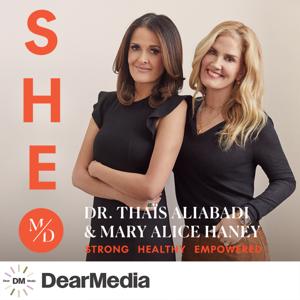
SHE MD is a weekly podcast hosted by world-renowned OBGYN, Dr. Thais Aliabadi, “Dr. A,” and women's advocate and influencer, Mary Alice Haney. Their candid conversations with celebrity guests and…
Dr. A and Mary Alice dive deep into critical health issues, offering women the knowledge and tools to become their best health advocates.
At SHE MD, we believe that every woman deserves access to the latest medical insights, personalized care strategies, and expert advice to navigate their health journey. From breaking down myths to providing practical tips, Dr. Aliabadi and Mary Alice Haney create a welcoming and informative space for women to take control of their health. The podcast features exclusive interviews with top-tier celebrity guests and leading experts across the medical, wellness, and health industries. Together, they explore real-world stories, struggles, and successes to ensure that every listener can feel heard and supported.
SHE MD aims to change that by providing a platform where women can receive trustworthy, expert advice on key health issues affecting their lives. Whether you’re dealing with painful menstrual cycles, navigating fertility challenges, or going through menopause, SHE MD brings clarity to these topics in a way that feels personal, approachable, and actionable. Dr. Thais Aliabadi provides expert insights into the most pressing women’s health issues, offering listeners a chance to learn from one of the leading voices in the field. Her knowledge is complemented by Mary Alice Haney's ability to relate to everyday challenges, offering a compassionate and approachable perspective on complex topics.
Meet the Hosts
Dr. Thais Aliabadi, "Dr. A"
Dr. Thais Aliabadi is a renowned board-certified OBGYN, known for her compassionate, patient-first approach. Specializing in fertility, high-risk pregnancies, menopause, and minimally invasive surgeries, Dr. A has spent her career guiding women through all stages of life. With experience treating high-profile patients and a commitment to public health education, she’s a trusted voice advocating for better healthcare access for women globally. Dr. Aliabadi frequently appears in major media to discuss key women’s health issues.
Mary Alice Haney
Mary Alice Haney is a prominent women's advocate and lifestyle influencer who empowers women to take control of their health and wellness. With a background in fashion and lifestyle, she brings a holistic approach to well-being. As co-host of SHE MD, Mary Alice fosters open, relatable conversations on often-overlooked women's health topics, helping women break down barriers and gain the knowledge they need to advocate for themselves. Her commitment to providing practical, actionable advice has made her a trusted figure in the health community.
Resources
SHE M/D- https://www.shemdpodcast.com
SHE M/D YouTube- https://www.youtube.com/@SHEMDPodcast
Instagram- https://www.instagram.com/shemdpodcast/
Mary Alice Haney Instagram- https://www.instagram.com/haneyofficial/
Dr A Instagram- https://www.instagram.com/drthaisaliabadi/
Tik Tok- https://www.tiktok.com/@shemdpodcast
Facebook- https://www.facebook.com/profile.php?id=61556530329981&sk=about
Twitter- https://x.com/shemdpodcast
#SHEMDPodcast #WomensHealth #HealthAdvocacy #DrThaisAliabadi #MaryAliceHaney #MenopauseMatters #EndometriosisAwareness #PCOS #FertilityJourney #OBGYN #HealthAndWellness #MedicalInsights #HealthEducation #EmpoweringWomen #HealthcareSelfAdvocacy #HealthTips #BreakingHealthMyths #WomenSupportingWomen #HealthJourney
Ranked by our users in the last 21 days

14,886 Listeners
2,003 Listeners
4,862 Listeners

9,140 Listeners

9,701 Listeners

2,712 Listeners

34,106 Listeners

130 Listeners

4,094 Listeners

13,923 Listeners

2,017 Listeners
627 Listeners

3,155 Listeners
1,407 Listeners
1,128 Listeners
741 Listeners

1,049 Listeners
123 Listeners
1,471 Listeners

1,032 Listeners
1,255 Listeners

836 Listeners

1,218 Listeners

1,484 Listeners

841 Listeners

3,425 Listeners

590 Listeners

267 Listeners
386 Listeners

1,087 Listeners

61 Listeners
127 Listeners

47 Listeners